•2 min read•from Frontiers in Marine Science | New and Recent Articles
The future of our oceans: negotiating marine fisheries, aquaculture, and living resources with unbiased science
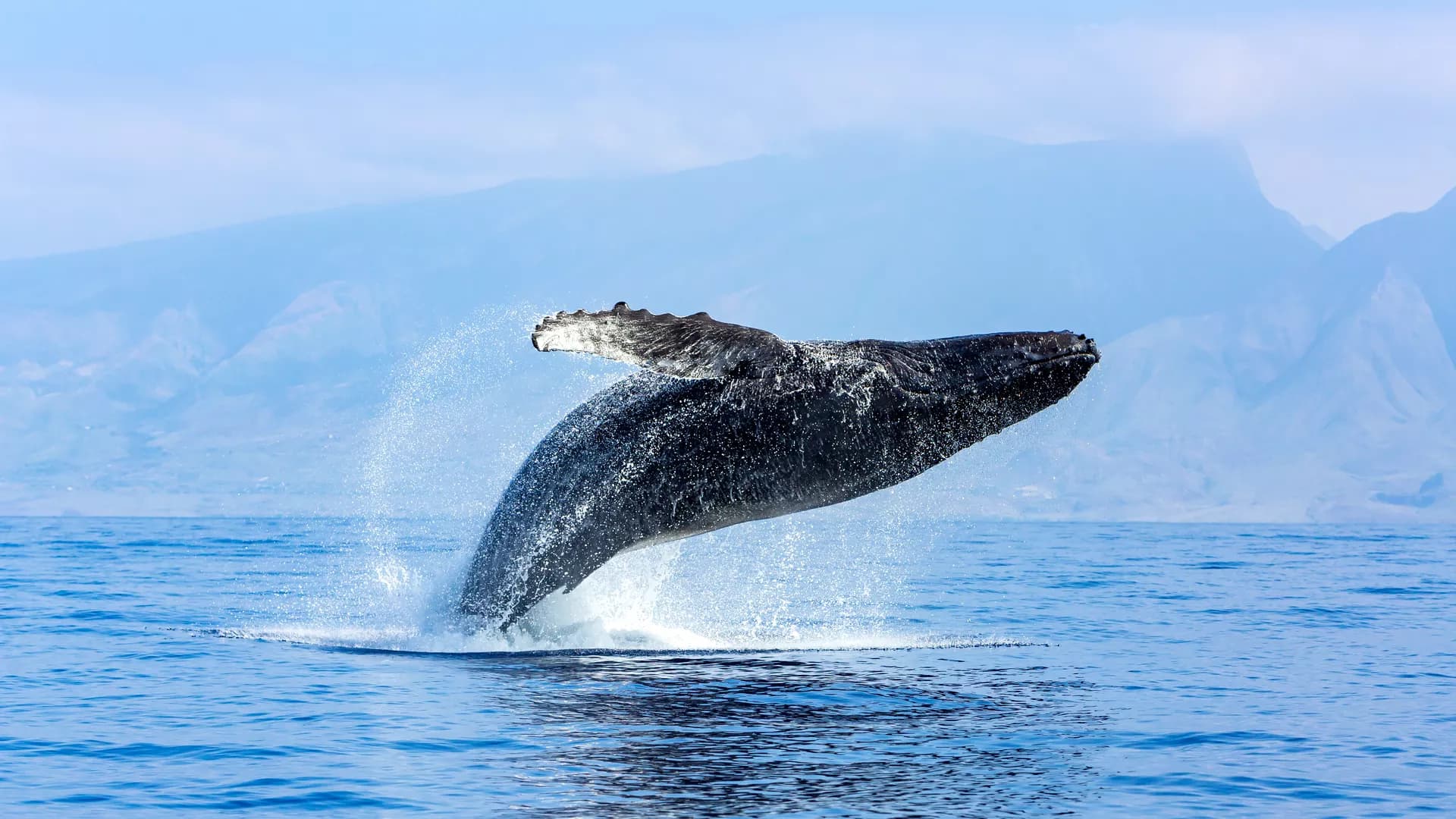
Marine fisheries, aquaculture, and living marine resources occupy a broad field of marine science that encompasses biological information, harvest data, climate science, assessment modelling, economics, social science, and policy. At its core, frank, fearless, and unbiased science is the essential foundation for navigating the complex and accelerating challenges facing ocean stewardship, in particular informing policy and mitigating misinformation. Key science priorities include climate change adaptation, managing species composition and redistribution, potentially declining biomass, and impacts on food security; the strategic use of artificial reefs for habitat restoration and biomass enhancement for fisheries; and the development of sustainable aquaculture feed systems to reduce dependency on wild stocks. Significant management and policy gaps are identified, including fragmented cross-sector governance, regulatory uncertainty, inconsistent certification systems, and the difficulty of translating complex science into actionable policy. Looking forward, the next decade will demand proactive responses to a range of issues including intensifying climate impacts, growing global seafood demand, workforce renewal challenges, and the reduction and/or alternative use of bycatch. Pathways forward centre on advanced technologies such as artificial intelligence, genomics, remote sensing, integrated ecosystem-based management, interdisciplinary collaboration, and regenerative aquaculture principles. Achieving sustainable oceans and long-term global food security requires transparent, evidence-based, and reproducible science.
Want to read more?
Check out the full article on the original site
Tagged with
#ocean data
#marine science
#climate change impact
#Marine fisheries
#Aquaculture
#Living marine resources
#Ocean stewardship
#Climate change adaptation
#Biomass
#Food security
#Artificial reefs
#Habitat restoration
#Sustainable aquaculture feed
#Bycatch
#Artificial intelligence
#Genomics
#Remote sensing
#Ecosystem-based management
#Interdisciplinary collaboration
#Regenerative aquaculture