Somali Pirates Seen Taking Food To The Crew of Hijacked Ship MT Asana
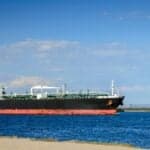


A commercial tanker which was hijacked in the Gulf of Aden last week is now under complete control of the Somali Pirates, two residents of Somalia’s semi-autonomous Puntland region told media.
The MT Asana is a Tanzanian-flagged fuel and chemical tanker.
One of the residents who spoke claimed to be a former pirate himself, stating he joined piracy due to limited resources, poverty, hunger and no help from the authorities.
He said that there were 20 crew members onboard the tanker, including 8 from Germany and the rest from the Philippines.
Another resident who also spoke on the condition of anonymity said that he saw pirates taking food for the crew members onboard the hijacked vessel.
According to the United Kingdom Maritime Trade Operations, the ship was boarded by unauthorised personnel in the Gulf of Aden and was moved from its original location into Somali waters by the pirates.
Somali piracy was active in the waters off the Horn of Africa between 2018 and 2019 and started to pick up again in late 2023.
Presently, the condition has deteriorated, given the deployment of international navies to the north for handling the Red Sea and the Strait of Hormuz crisis, leaving the Somali waters open and without any active security monitoring and regular patrols.
International naval task forces and maritime security monitoring agencies are trying their best to establish contact with the pirates to ensure the safety of the crew members and prevent border security spillovers.
U.S humanitarian funding for Somalia has fallen considerably, which has increased the hardship for the people in the conflict-ridden country with rampant corruption.
This has forced the young adults into illegal activities, including piracy, to support their families.
Ships like the Honour 25, Sward, Eureka, and Asana were recently captured and held for large ransoms off Puntland and Yemen. Due to these activities, the maritime insurance rates and security costs have increased for ships passing through East African routes.
Want to read more?
Check out the full article on the original site