I Own a Fashion Brand in Paris—Here's What You'll Find in My Wardrobe
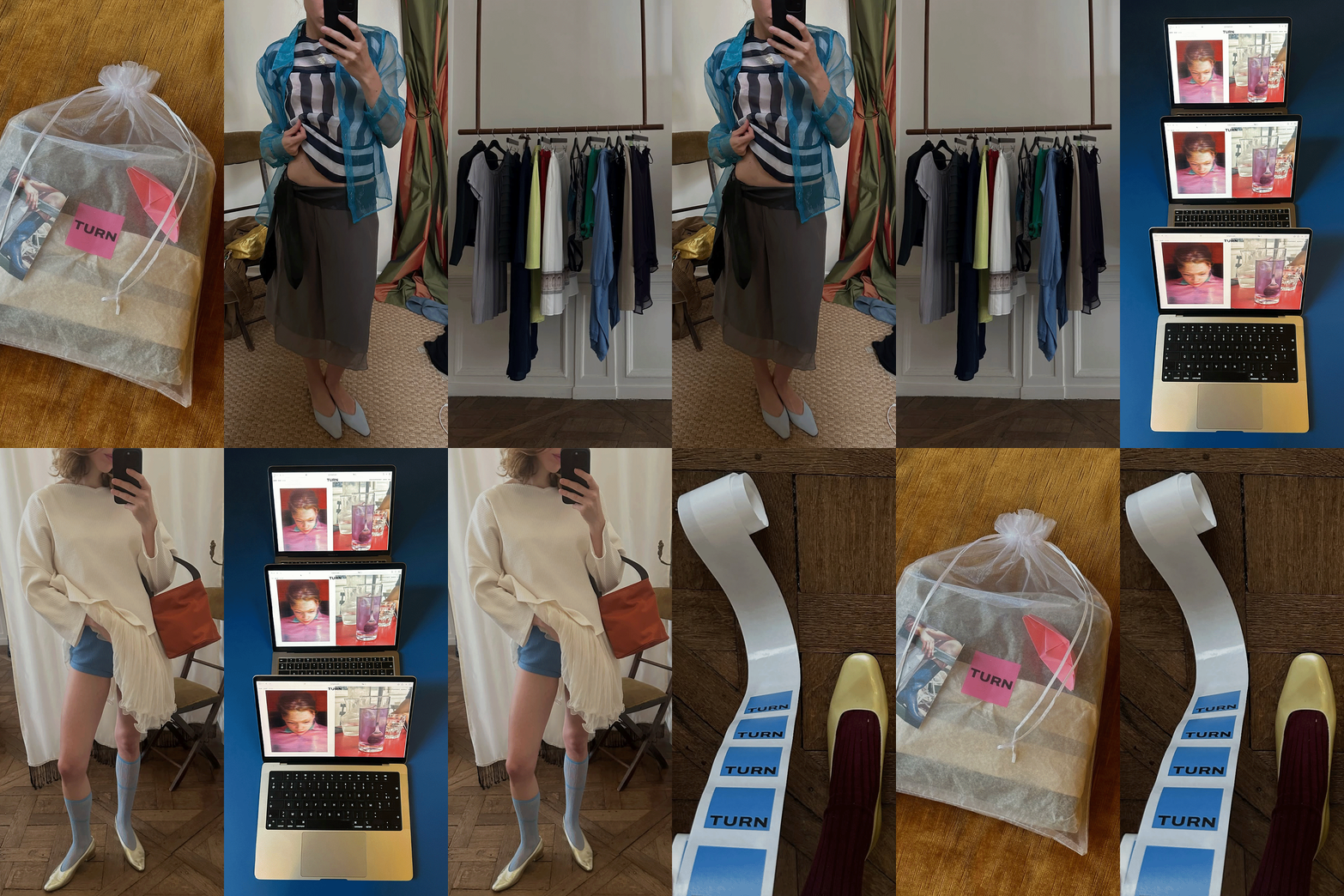
When I spent the month of May in L.A., I'd recently done a story with Charlie Hourston of Charlie Beads and started following her on Instagram. I love her sense of style and the brands she shares, so when she posted from Turn's intimate shopping experience at a private residence near Hancock Park, I immediately wanted to know more.
There were jewelry pieces by Santangelo, florals by Brittany Asch, and drinks from cult-favorite Hollywood restaurant Stir Crazy, all hosted in the home of actor, writer, and stylist Grace O'Neill Dougherty. The clothes immediately caught my eye, and so did the world Turn had built around them.
It ended up being the last day of the pop-up, and I sent an email hoping I could catch them while they were still in town. Later that week, I met with Clara Hofer-Maire, cofounder and artistic director, and Idris Arab-Tani, CEO and partner (formerly at Courrèges), at Sqirl in Silver Lake. A two-hour conversation flew by, feeling more like a catch-up with friends than a first meeting, and I left knowing I wanted to sit down again for a proper interview.
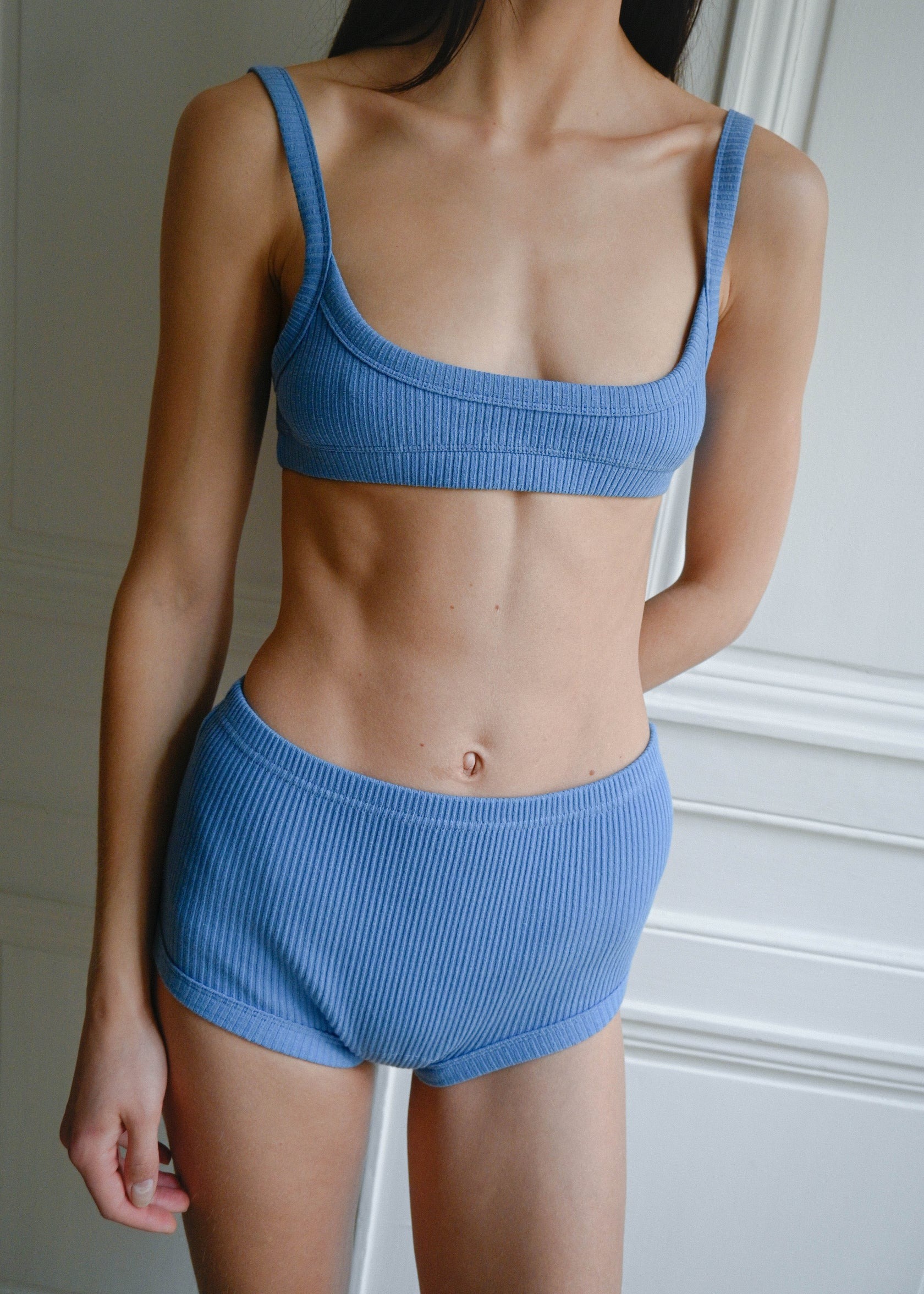
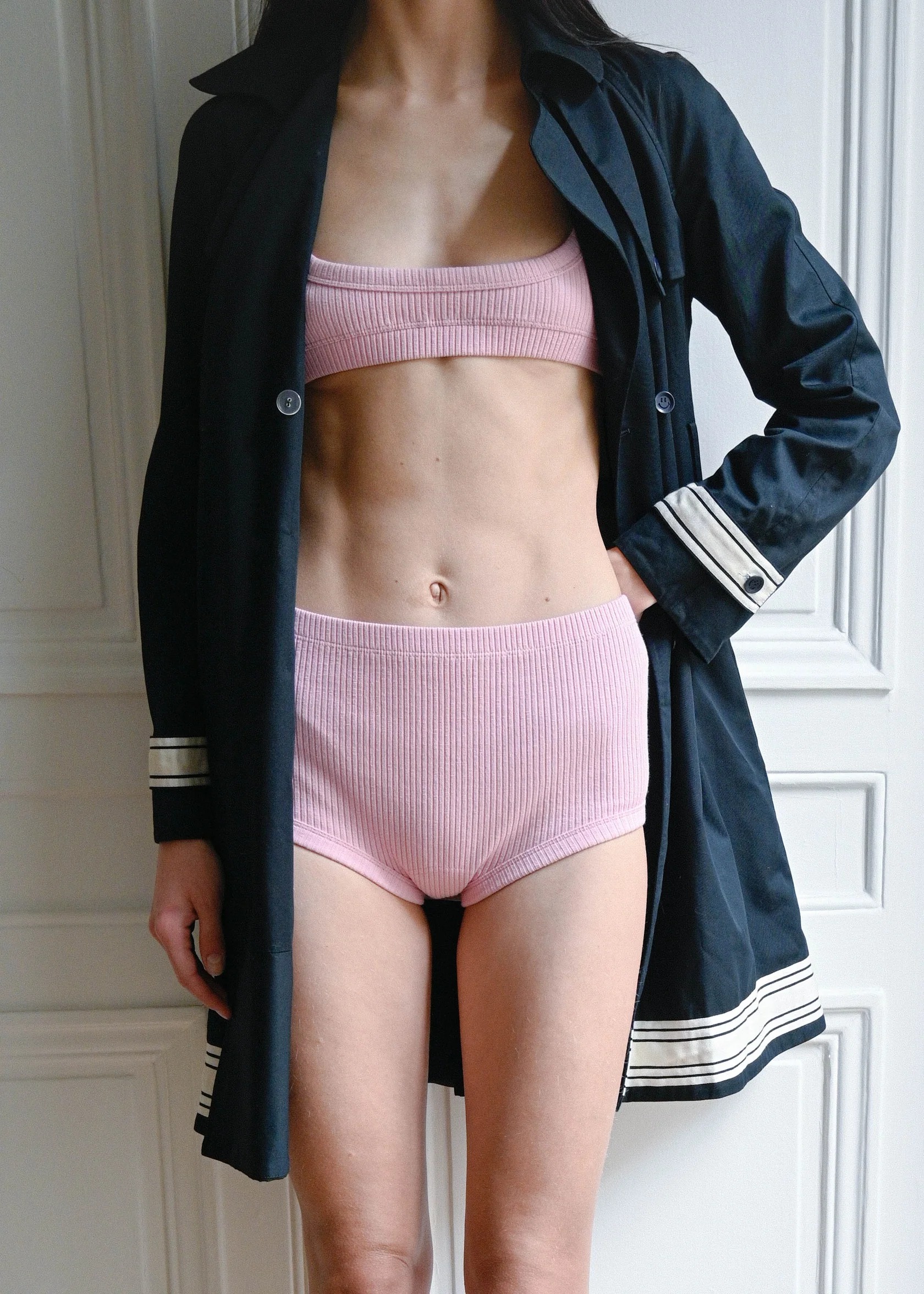
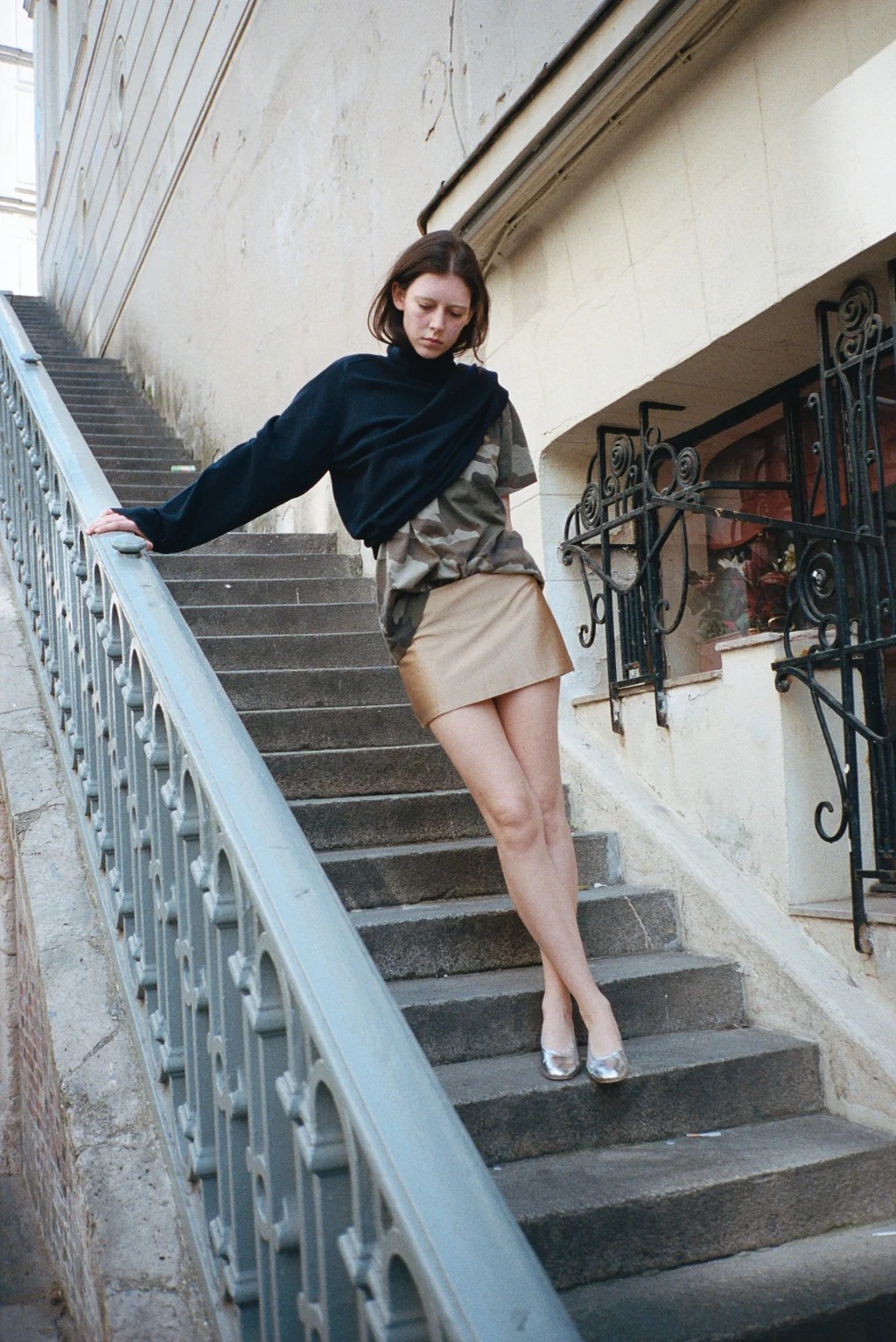
Founded in 2022 by Hofer-Maire and Alix Darcy, Turn began as a vintage-only project before recently launching its first-ever ready-to-wear collection. Produced in limited quantities, the line is now available online through a selection of stockists and at Turn Salon, their appointment-only space at 3 Rue Chabanais in Paris.
Ahead, read my conversation with Hofer-Maire about Turn, her personal style, Paris, and shopping.
What was your background and the trajectory leading up to Turn, and how did you get interested in fashion?
I studied economics and politics, so nothing to do directly with fashion, but I was always interested in the industry and the business of fashion [and] the impact on even politics and everything. There's such a big link between how people present themselves and the brands they're associating with. But the true interest really began with vintage when I was studying in London. That's where I really discovered the impact and the possibilities available with vintage. There's so much more freedom in styling when you use vintage because there are so many eras. It's not just whatever is catered to you in that year through the lens of all the designers. It was also a fun experiment because there were these charity shops, so you're getting all these different pieces. Your purchase power is so much bigger in vintage too.
That's how I connected with Alix, whom I founded Turn with. We really bonded in London over all these vintage markets—just talking about all the aesthetics we've loved and realizing that we never talked about our studies or what we were actually doing in London. I worked in politics, and then I worked also for a photographer being the assistant. [I] just [realized] that everything that was interesting to me in those spheres was related to aesthetics and fashion and how people present themselves and how we can communicate in a creative way. That's how we reconnected with Alix and decided to launch Turn, which was, in the beginning, more of what we really liked—the aspect of going in people's closets and just finding the pieces that they no longer wear that we can take pictures of and reenchant them and give them a second life.
Two years in, we were doing all these shoots for the website, and I really started doing styling at that point, realizing that I had something I wanted to express through styling. We were putting everything on the online shop, so we were creating all these looks and shooting them and uploading them. In a way, we were documenting the styling and what began to be the identity of Turn and doing pop-ups. Then we did a pop-up in New York, and it all began to become more serious. Exposing Turn so much and bringing it abroad pushed me really into defining exactly what I liked and what I wanted Turn to be.
You're from Paris originally?
I was born in Budapest, and I moved to Paris when I was around 4. I was back and forth between the two cities, which I think allowed a chance to have a perspective that's very in awe of Paris, more than someone who's born and raised. I think just being exposed to the two cities was really a privilege because … I really got enchanted by Paris in a way that maybe someone who's originally from here doesn't feel. And even being brought up by a Hungarian mother, who has a different perspective on fashion and on things in general, allowed me to have that little shift that allows you to notice things that other people don't notice.
How would you compare Parisian style to Budapest?
In Hungary, it's a lot of the nails, the makeup, the hair. Also, I think fashion moves much slower in Budapest. It's not at all a fashion capital, but there are some good designers. When, for instance, I was seeing something in a magazine in Paris and then in a Hungarian magazine, it came from 10 years prior—it was really such a gap. From that, beauty was such a high point in the way people present themselves in Hungary when I was growing up and still now, actually. So it was all very, I think, stereotypical feminine. In Paris, that was the main shift: Style is not just being a woman and putting that on the front as the first thing that someone sees about you. It's more about your own perspective on yourself. What really attracted me is that you can have a style that is not just your body features. … There's such a big emphasis on just dressing your body type, and I don't like that necessarily. I like that people can dress and not think about their body type as being what defines how they dress.
What are some of your all-time favorite, less touristy spots in Paris?
There's the market everyone talks about, Saint-Ouen, but I've recently really been going to Porte de Vanves, where people genuinely gather objects they like and literally just sell them. That was the funniest because Saint-Ouen is people categorized into very specific… You're doing this century, that era. At Porte de Vanves, it's more like people have their own sensibility, and they come up with the randomest assortment of objects. It's super interesting, and there are people who are just going there and just putting everything on the table. You discover things that you wouldn't discover through the lens of something so curated. It's less curated, so there's less someone imposing their vision on you, and you have more freedom to just explore whatever you want to grab.
What would you say is your favorite restaurant in Paris?
I always go for lunch these days to À L'Épi d'Or. They play great music—only French music, very loud—but the food is amazing. Actually, the restaurants I go to are all in the 2nd [arrondissement] because that's where Turn is. In the same area, there are two other things that I love. There's Cibus, which I discovered very early on. My father actually took me there, and I think that place was the moment where I was like, "Wait, this is the type of life that I love." There are only very deep conversations. It's a very small restaurant. You get in there, and then you feel like you're with all these people in the same scenario. The owner is really very nice, and it's very Italian.
And then there's Chez Georges, which I discovered through Maryam [Nassir Zadeh], who always goes there, and I really fell in love also. And he's very specific about fish—he doesn't do mass fishing.
Are there hotels you'd recommend?
I actually think a lot of people stay at Château Voltaire, which is located in the 2nd and is also owned by the family of the brand Zadig & Voltaire. But also, a lot of people have been staying at the Hôtel Rochechouart. I've heard very good things about it, and I've done meetings in their lobby. And there's Hôtel Grand Amour. It's open 24/7, so it's also known for this great environment to work in because they basically let you come and work whenever you want.
Do you have any niche shopping recommendations?
There's one I'm sure you maybe know about. It's called Sabbia Rosa. It's this beautiful shop. The woman has been there forever. I don't even know when she started, but she does a lot of these silk slip dresses, also these underwear that are very silky and lacy and very beautiful. I think it's very inspiring.
I also really like Santa Maria Novella. And Cire Trudon [has been] around since the 17th century, and it's a lot of beautiful candles, perfumes, and they have a store in the 6th that I sometimes go to. The true original French candles.
Are there French pharmacy products you'd recommend?
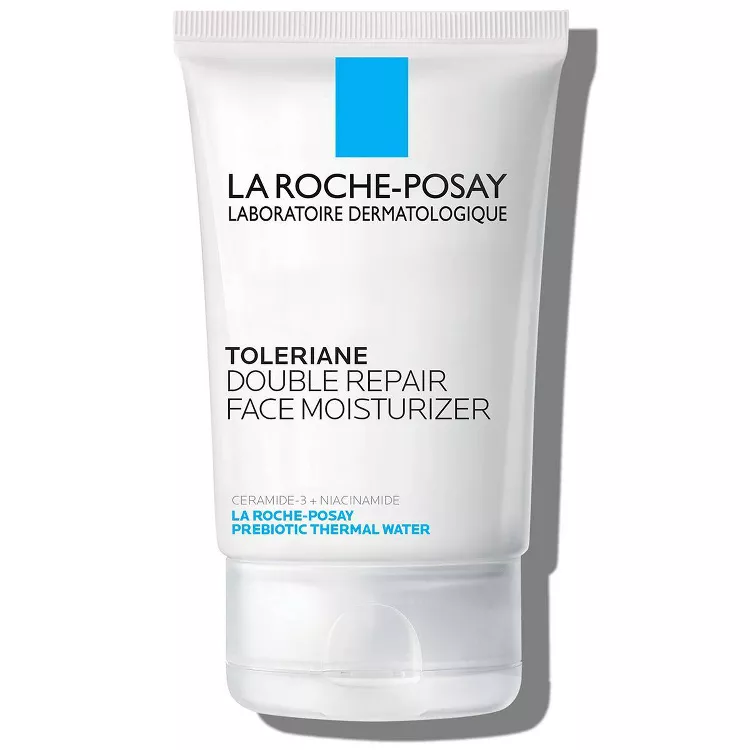
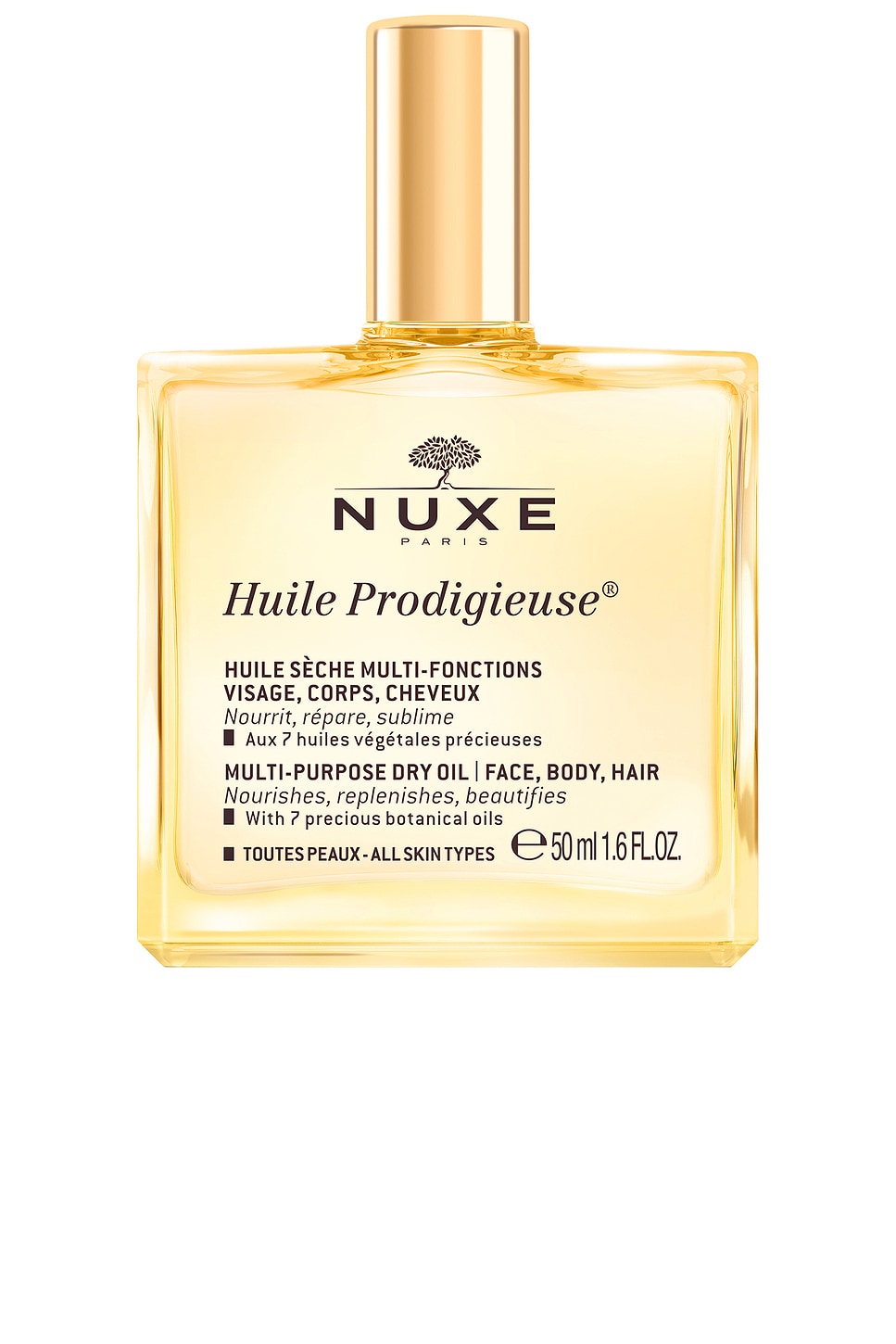
Definitely. I always buy La Roche-Posay. I think it's the best—the only thing that really stuck with me through the years. As someone who grew up in Europe and in Paris, we all dream about the American skincare. I think I had Neutrogena just because it's American, when, in fact, we had so many good pharmacy products. I really need to restock on the Nuxe. I love their body oil; I always love the smell of it.
Also, do you know about Oh My Cream? She has a lot of these new French brands that are actually quite nice, that you maybe don't find in the pharmacies. There's also Simrane, which I really love. They do these linens, and they also do robes, but also now, they do shirts.
Are there any trends—or anti-trends—you're noticing right now?
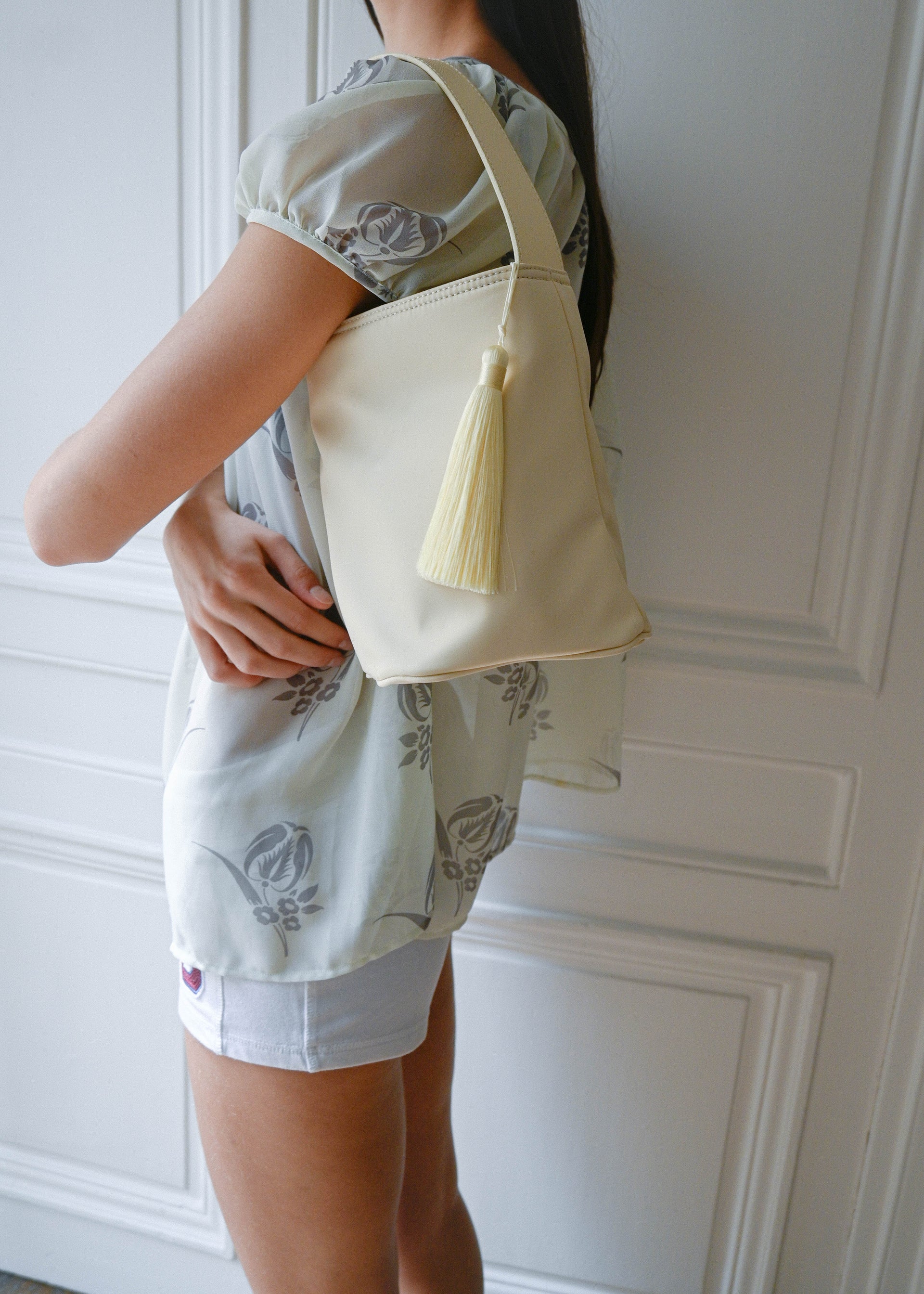
There's this funny thing. [Where I live], there's a lot of high schoolers walking around, so what I've noticed is that there are really two groups of styles now to compare to when I was growing up. A lot of high school students are wearing the bags that I used to wear: Vanessa Bruno and Gerard Darel. When I was in high school, it was the trend. Everyone wanted those bags—the ones with the sequins and the ones that were just leather. I see them again, so I'm very impressed that [they're] still so popular in school.
I feel like the American equivalent in high school was a Juicy Couture or Coach bag, and those are coming back too.
So crazy—like, why? How can we explain this? Who initiated the comeback? I feel like schools are an incubator of trend. When you can talk to someone who's in that incubator, I'm always fascinated of what's going on, what's the latest thing. They're all concentrated in the same space.
I also wanted to talk about how you recently launched ready-to-wear and how that came about.
When we started Turn, I started to understand that there are pieces that I will never see again because they're vintage and I sold them. I could never find them again, which was heartbreaking. But also, there was the part where some colors, some textures I couldn't find in vintage, and I feel like it wasn't realistic to be selling a look that I wouldn't wear myself. So I'm doing 100% vintage looks, and I think being holistic about the brand meant expanding to having what I actually feel like wearing, which is sometimes something new, sometimes something that doesn't exist in vintage. [This is] also combined with the feeling where I want to bring some pieces back from what I've seen. Seeing so many clothes and being exposed to so many looks and constantly assembling—it was a pressure point.
That's when I also met Idris, around that time. I already started thinking about it, and he was kind of the enabler in a way because he came from a background in fashion. He knew how collections get organized, how production flows, how there's a fashion agenda and you can't just bring out pieces completely sporadically. He structured it all for us and helped us make the first collection come together.
What was your design process like, and what inspired the designs?
The inspiration was pretty clear, actually. It was all this exposure that I had from the vintage through the years but also this very specific moment where there was a confrontation between what I saw in fashion at home and what I was exposed to on the daily and at school—the feeling of being an outsider in a way in a classroom. So this is funny; this school subject is always present.
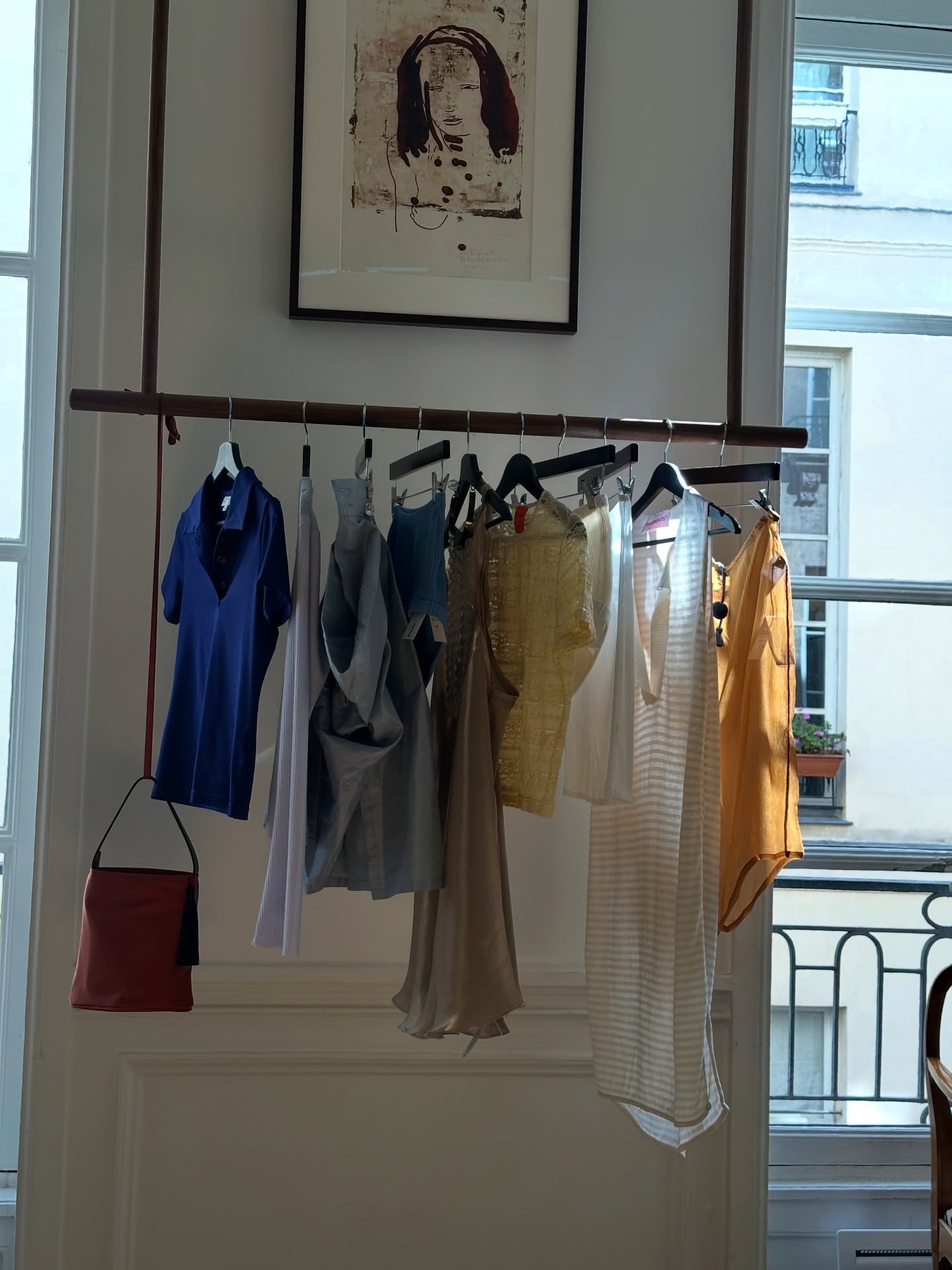
I made the first drawings a year before the clothes were out on the website and out in the shop. That's how the first collection came, and now, we actually have our own small design studio inside Turn, where the salon is, so I'm exposed constantly to what I'm creating, which is such a privilege to be able to see every single day what you're creating. This is where the second collection comes together. It's going to be a larger collection. We're going to be showing it for New York Fashion Week, and we're also going to be showing it in Paris, and then it's going to be in store. And then we have some capsules.
Basically, the idea of Turn is that if we invest in textiles, we're going to repurpose them. If we have some extra, we're never going to waste whatever we have on hand because it doesn't make sense, and I think it just would be so crazy. We used some of the textiles that we had from the first collection and created these pieces that you can wear in the summer that go well with the first collection, repurposing those materials that we sourced very carefully. We don't want to overproduce, and it's a very mindful process. We're not going to have waste. That's a nonnegotiable. Everything needs to come out as something that is an end product, and that's not mass-produced.
How would you describe the style of Turn and its customers?
For the customers, the crowd is people who have either worked in fashion and now they work in a different industry, or there are people who are working in an industry where fashion is not the main topic, but it is something that will position you in the room. Those are people in tech, architecture, a lot of people also in beauty. I think a lot of women who walk in Turn, they tell us, "Fashion is my hobby, but I would never work in fashion." I think that's funny, and it gives you a good perspective also on the reality of who we're actually making the clothes for.
For the style of Turn, it's basically a foreign eye on the city life in Paris, in a way. Paris will always be the central focal point, but it's really as someone who looks at Paris with a foreign eye, and that can bring in a mix of everything.
What's the concept behind the upcoming collection?
The first collection was really about the feeling of being in a school, so this time, I was really thinking about almost the "too cool for school." [It's] the identity you would like to portray outside, when you want to make your classmates believe that you have all this life outside school or you can skip school and all that. I think the fascination coming from that was really, for the second collection, attracted to the idea of even the nightlife and all the "after your work," "after your school"—all these activities that make you this mysterious person. You can't really account for these things, but they happen. It's kind of the mystery of everything that happens outside school.
I'd love to hear more about your personal style as well. Are there style icons, past or present, who you resonate with?
Teri Toye. I think everything she does is so cool. She's able to make herself look just so intriguing and, at the same time, can look very classic. So she's a big inspiration lately, and I like that she's not your typical model-of-beauty look. She's really trying to dress herself up. But maybe if I can give you a more obvious one, I always like women who have a little bit of a punk in them, so I think that's also what I've been gravitating toward. As a young kid, I really liked Peggy Guggenheim. Recently, I read a book about her life, and I can really put into perspective a lot of things—of why she would dress a certain way.
With the recent heat wave in Paris, do you have any tips for heat-wave dressing?
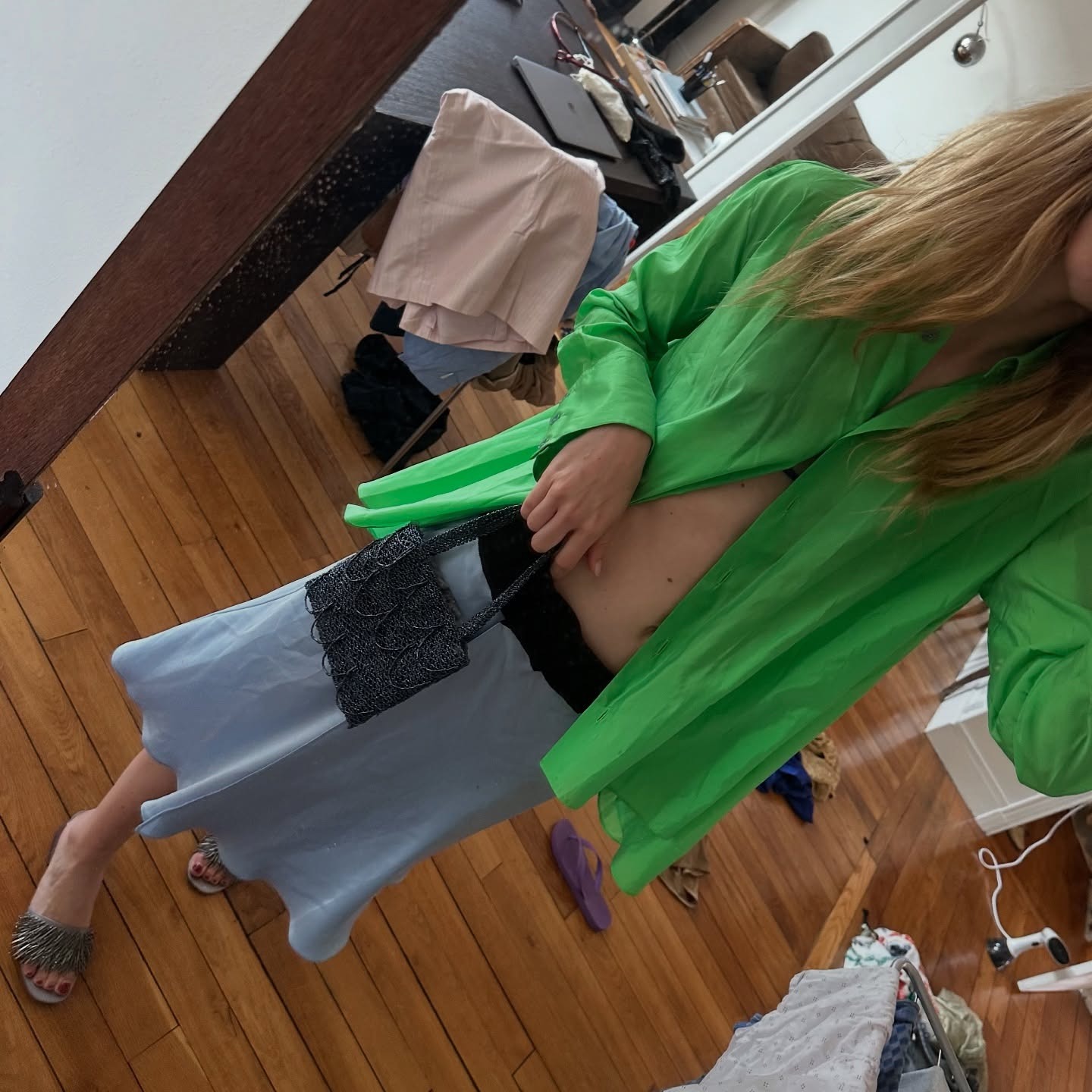
I feel like I had to master it in a very small period of time. I was always wearing the Turn Culotte. The reason I was wearing it is that even [with] jean shorts, I felt like I was boiling. I needed something cotton and then just tying a shirt at the waist. It's kind of a skirt but way more breathable than a skirt. It basically creates this thing where you have the culotte, where sometimes it peeks out, but you can't really see it unless you're sitting, and then you have the shirt tied over it.
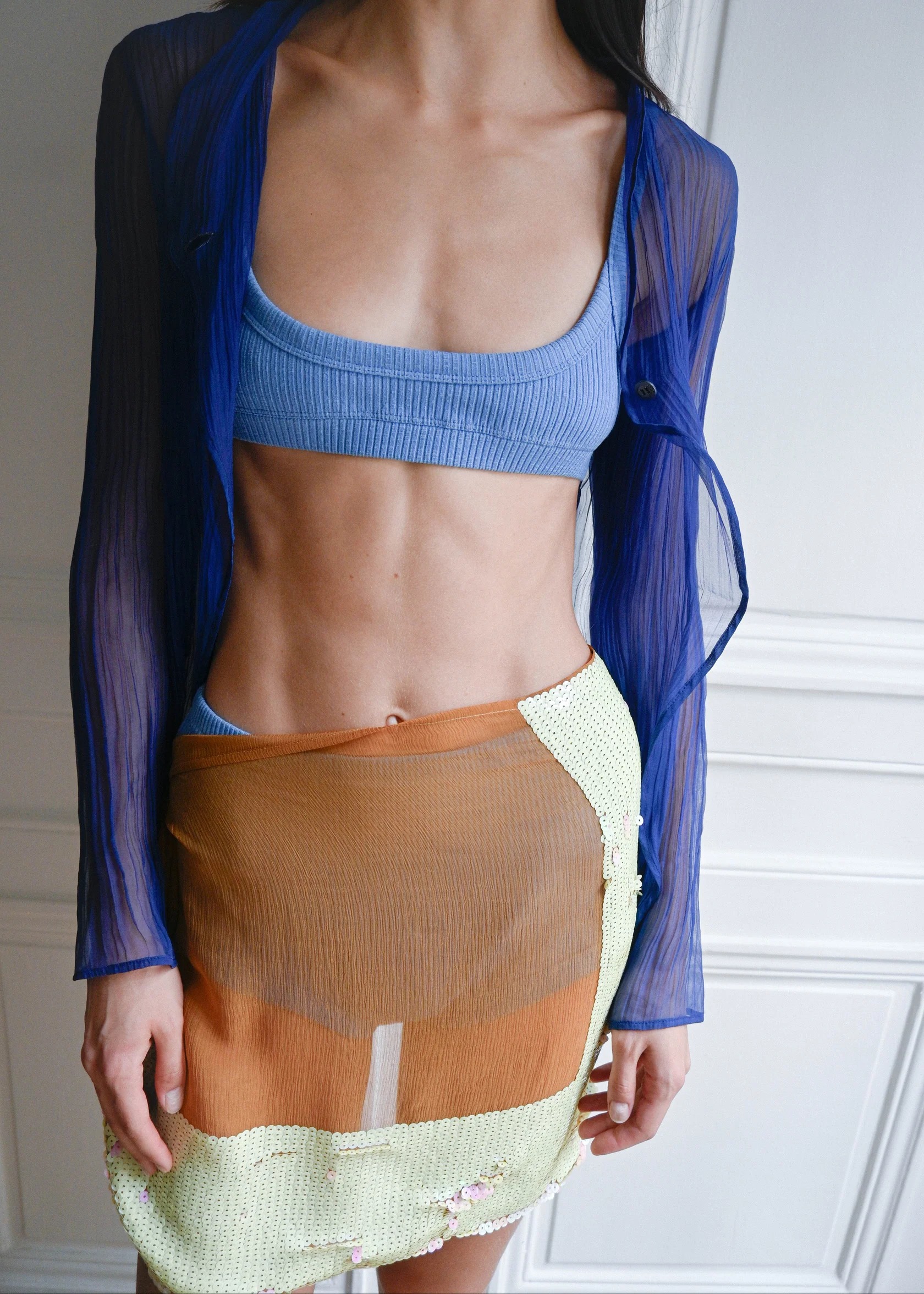
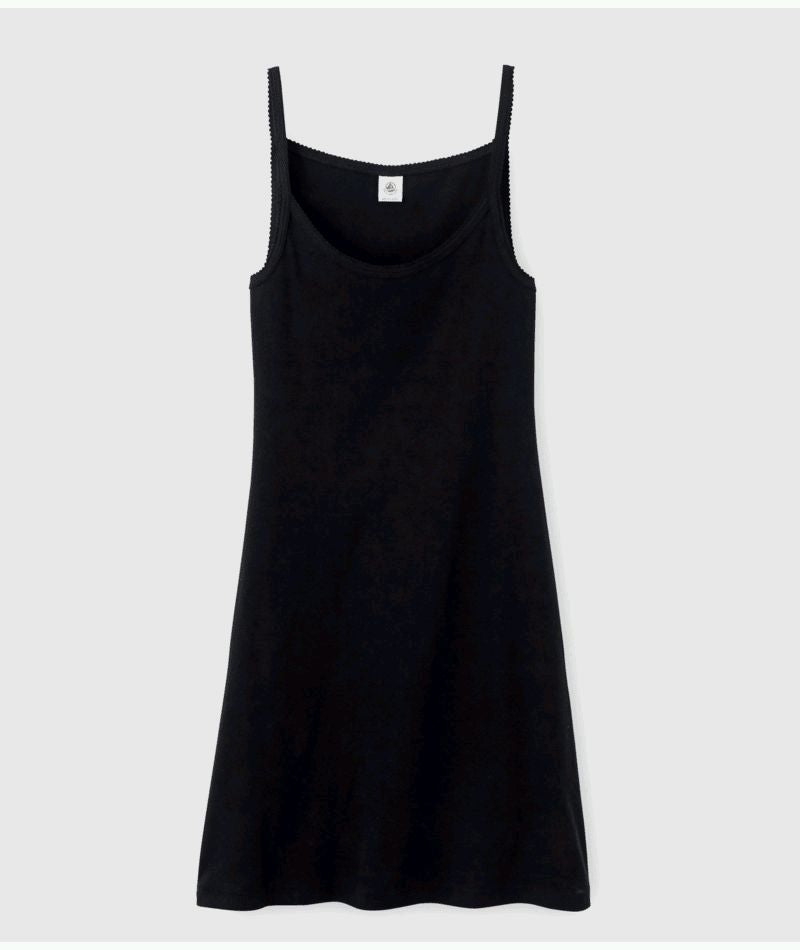
I always wore a tank top from Petit Bateau. Their tank tops are 100% cotton. You wear it in the morning, and you literally have to change it in the afternoon. It's just an easy thing to keep in rotation. I really loved also wearing the bralette with super-translucent silk things. Silk can be very warm, so I would recommend, if you're going for silk, a crêpe silk. I had these vintage crêpe shirts and little tops, and they were quite translucent, so I wore it with the bralettes.
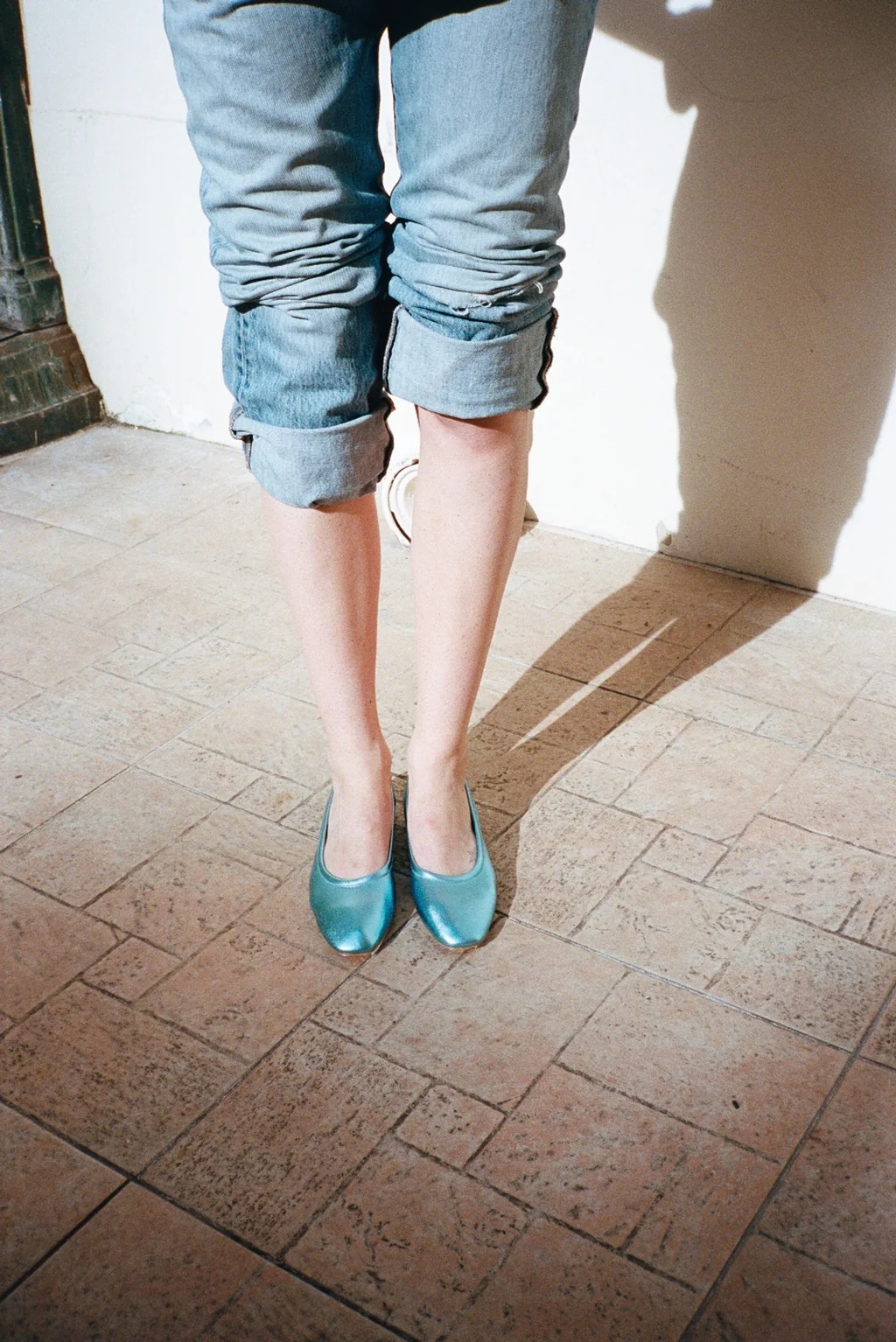
And then shoes, that was the hardest part because I'm also the type of person where we're still in the city, and having my feet not covered scares me in a way. Also, because I'm biking, I wasn't wearing flip-flops, like I feel a lot of people did. I was wearing … these wedges that are open in the back, but they still cover your feet. And I really love my MNZ Serafina [Flats].
I know you wear a lot of vintage, but is there a brand that you wear or love the most?
This is the hardest question because I'm so attached to vintage. But I have to give you a good one: I really like Dries Van Noten. I want to keep those pieces forever. And it's so nice because it's still that type of brand where, when I wear something, people ask me, "Where is it from? I can't recognize it."
What are some of your go-to makeup products?
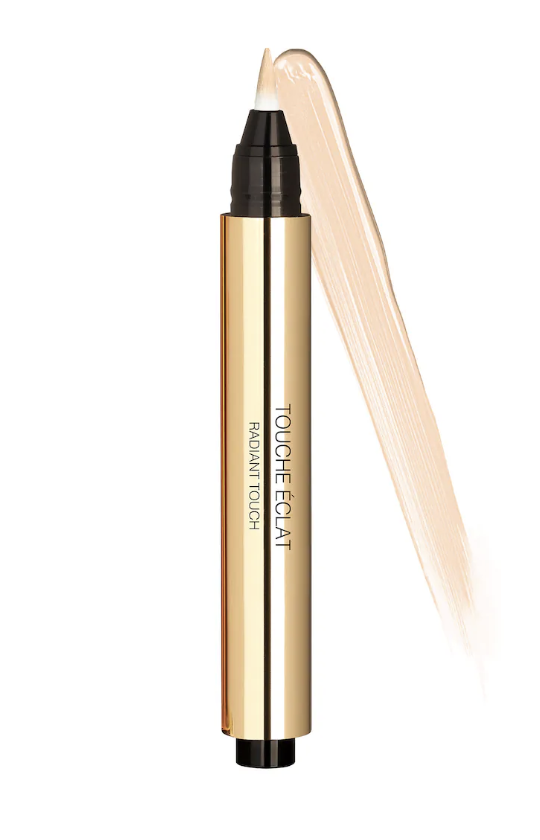
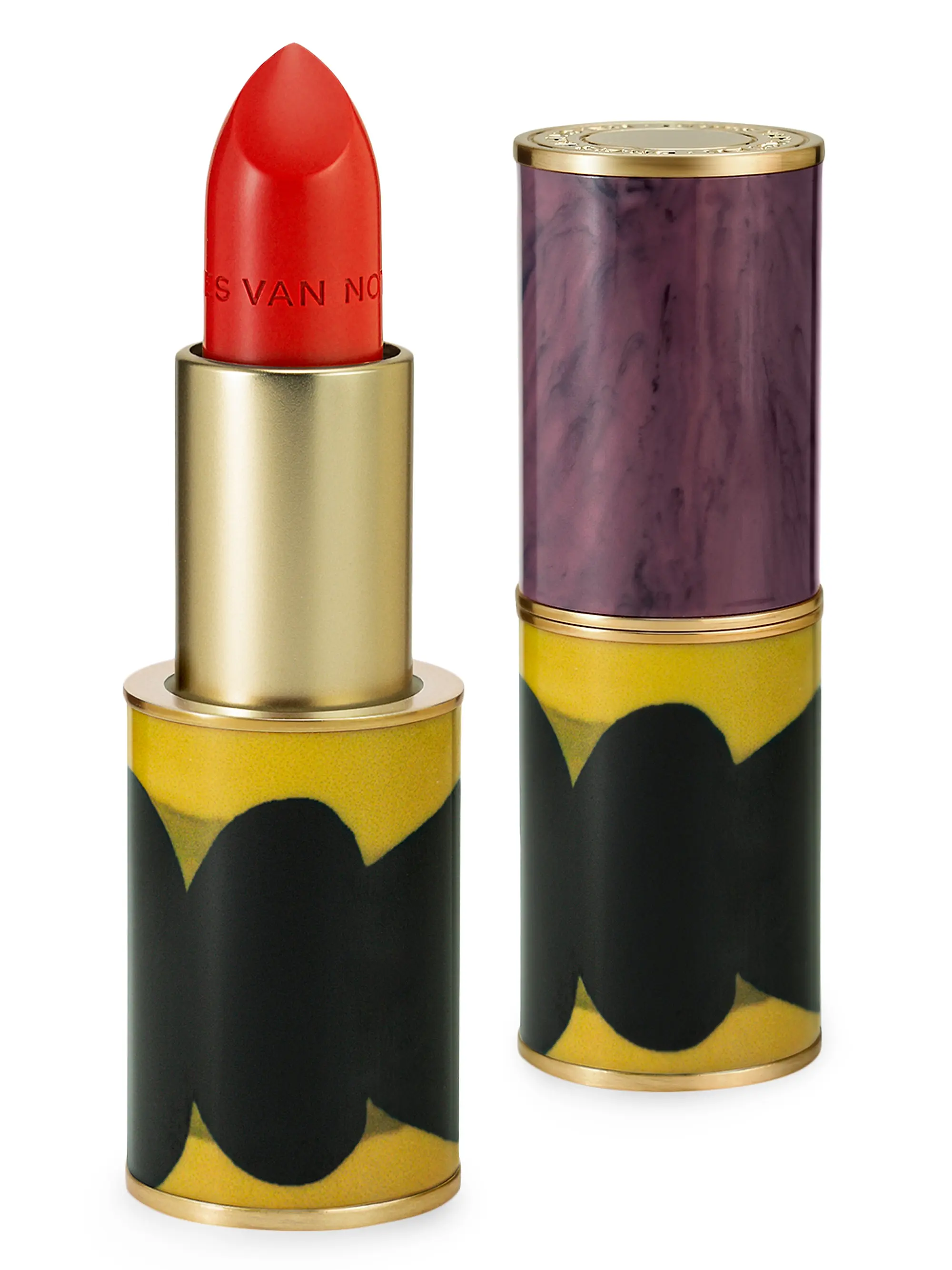
I use the YSL Touche Éclat everywhere. It's horrible, because I should be using it sparingly, but just because it's my only product, I'm allowed to really just go with it. I use it on days where I feel like I really need coverage. I'll use it almost as a foundation. And as a lip product, I actually like the Dries Van Noten products a lot.
I have to ask because I love perfume so much—do you have a signature scent?
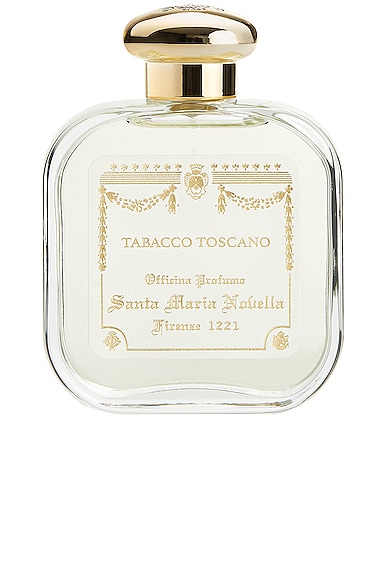
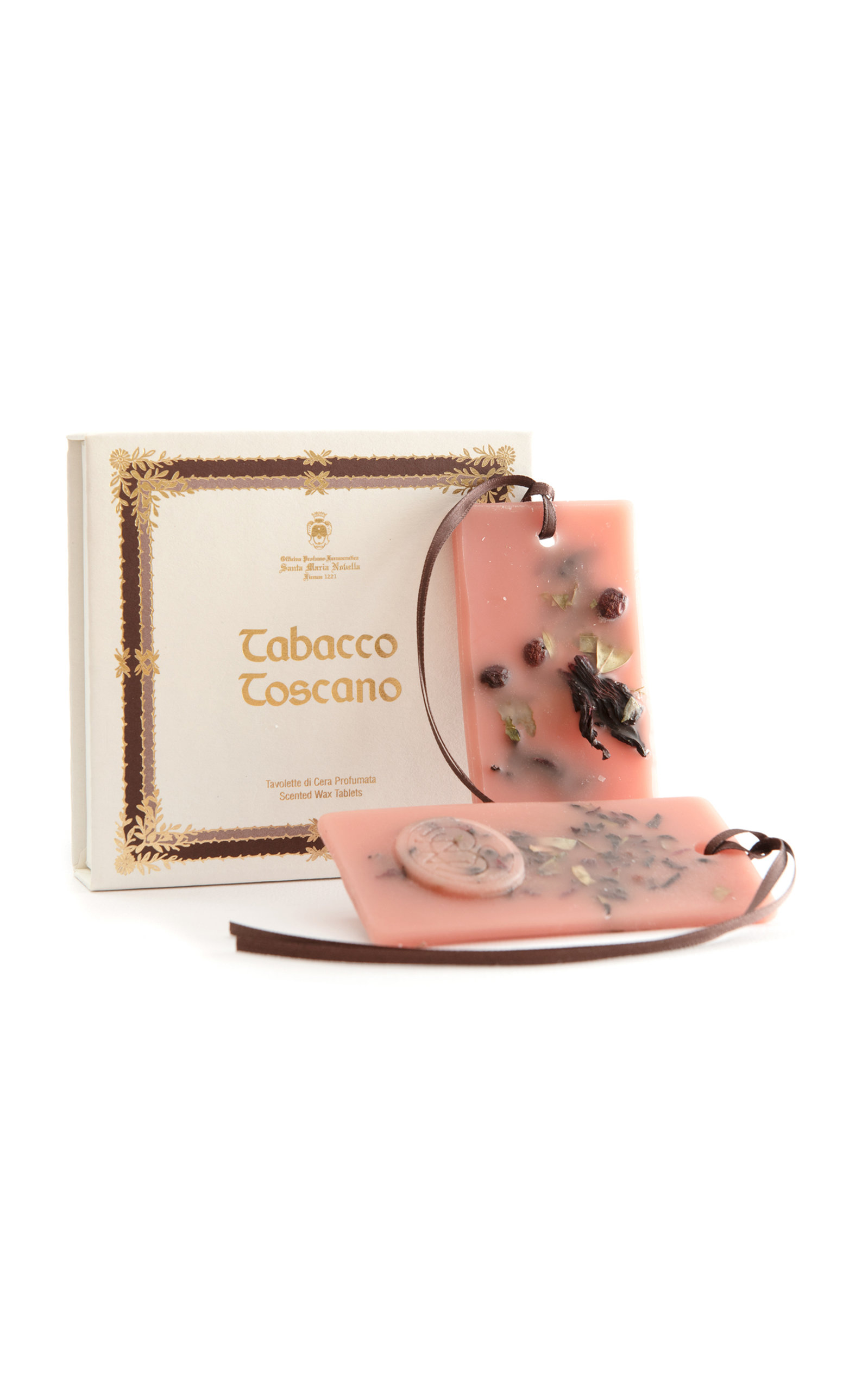
I recently changed my perfume. I think perfume is a big subject for me because I have, on one hand, my dad, who has had the same perfume since the beginning I can remember, and then I have my mother, who changes constantly. I really wanted to be the person who has the same through their whole life, but I wasn't able to find my scent. Right now, I'm using Santa Maria Novella in [Tabacco Toscano]. I kind of became obsessed one day. But I must say, for our showroom, we have our own. This is a big teaser: We're going to have our own perfume, and we're working on it.
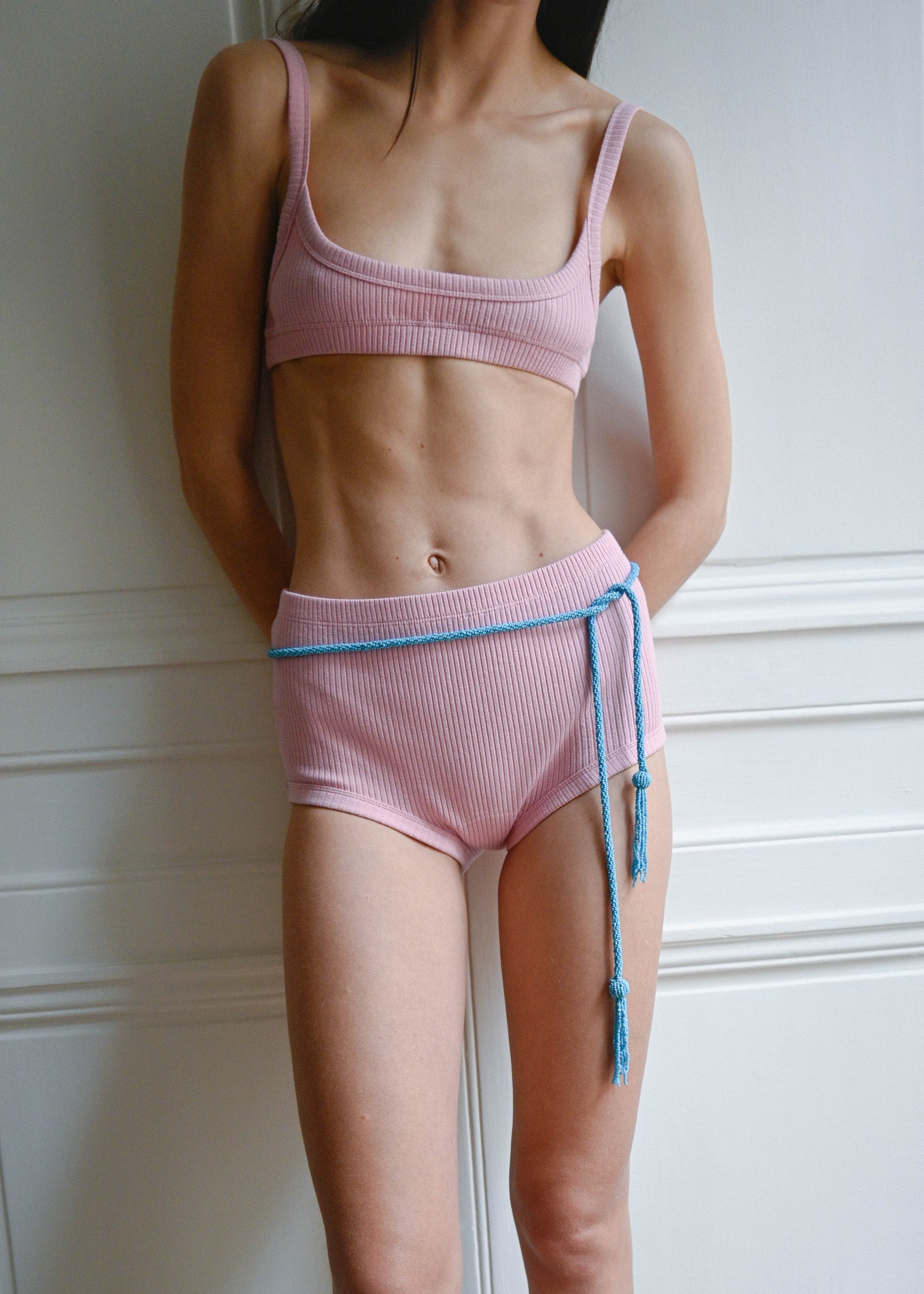
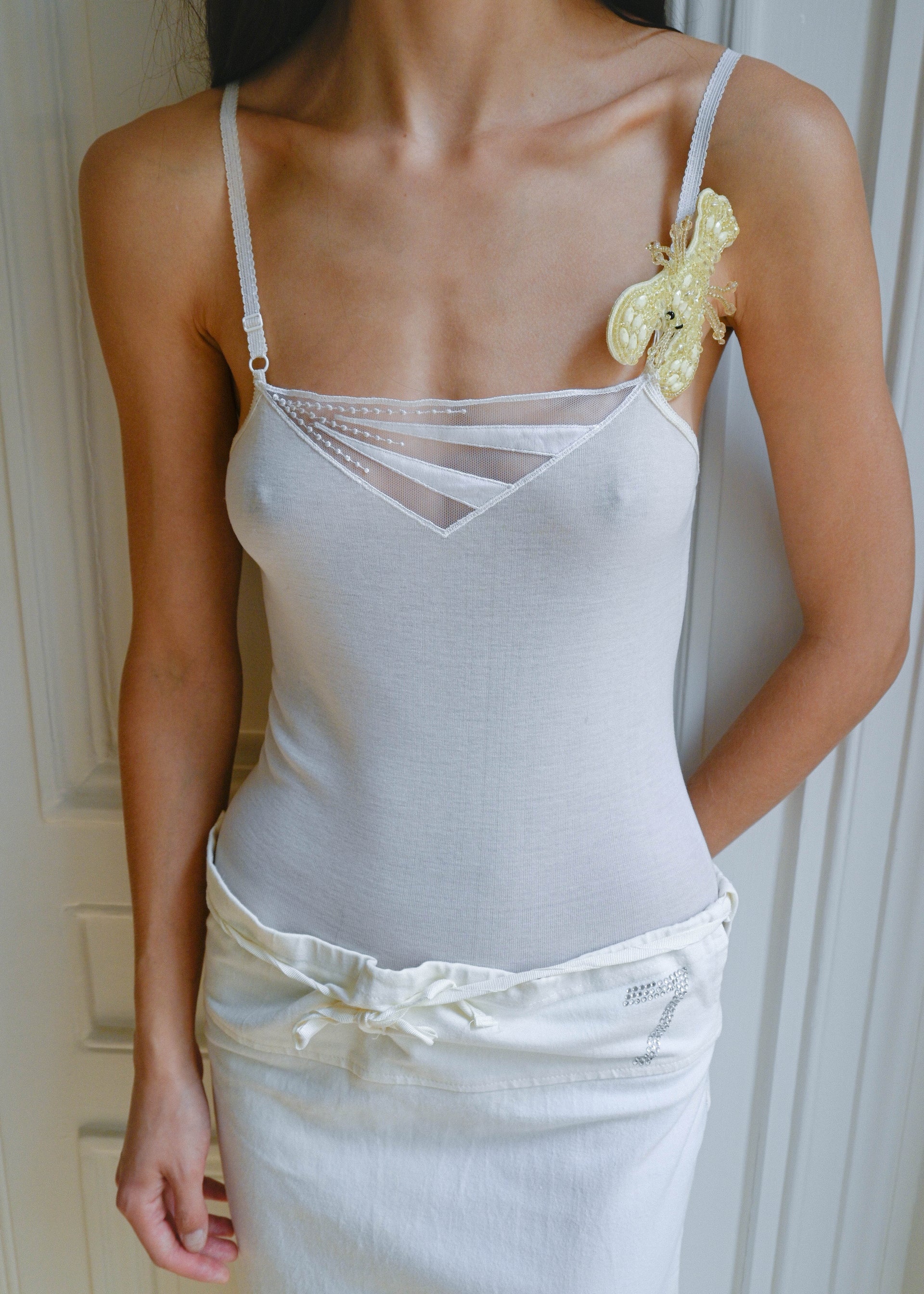
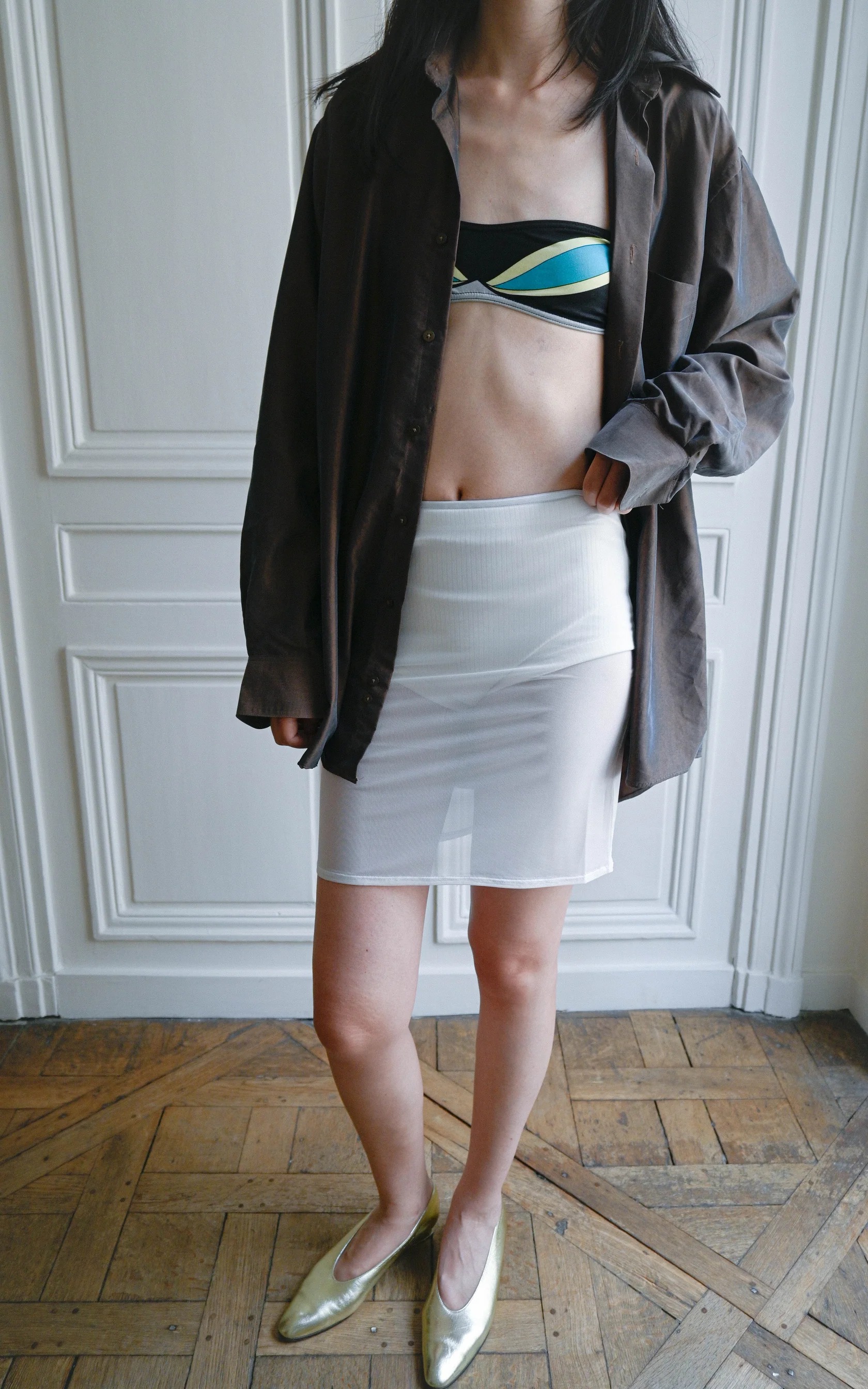
Shop Turn
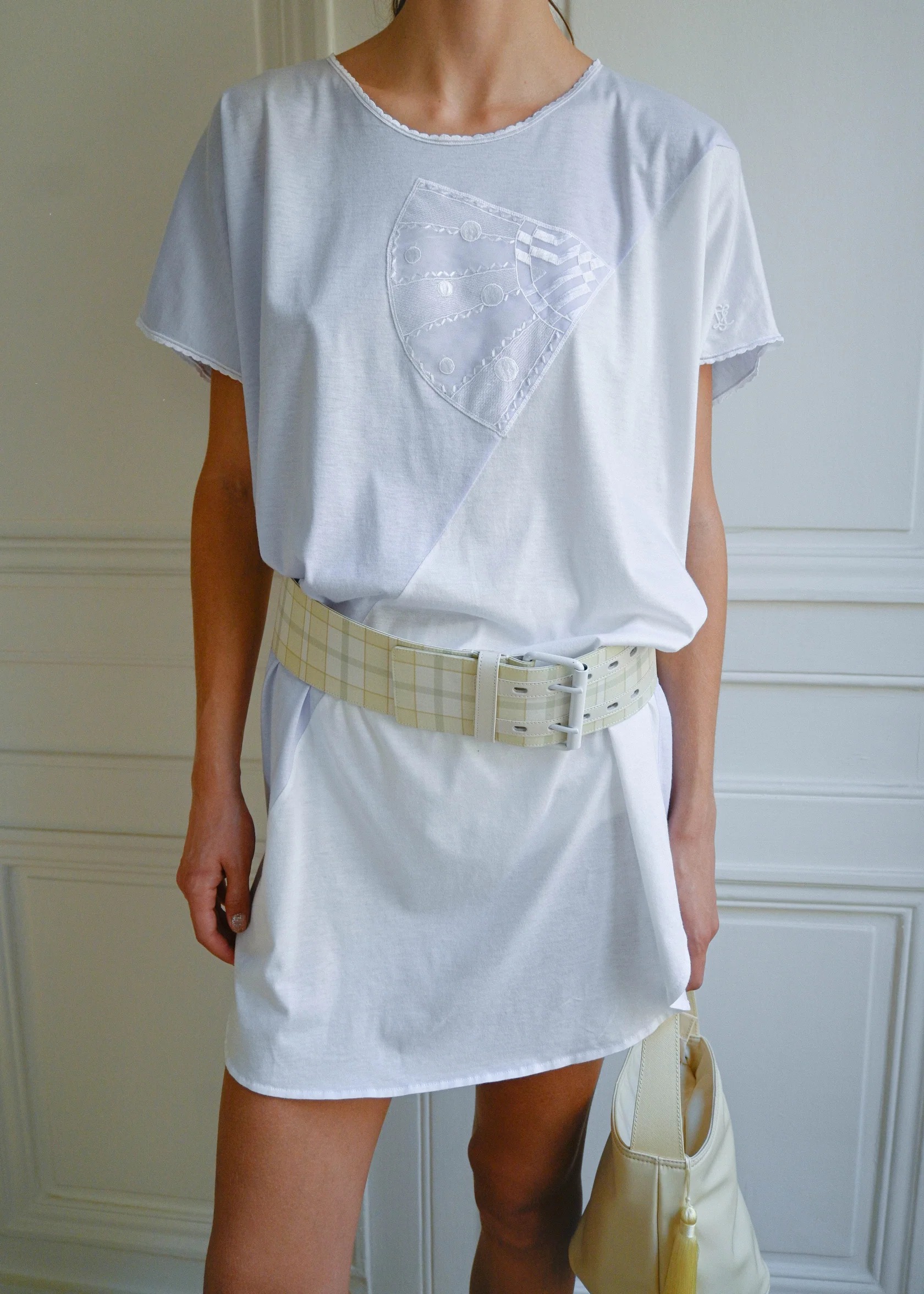
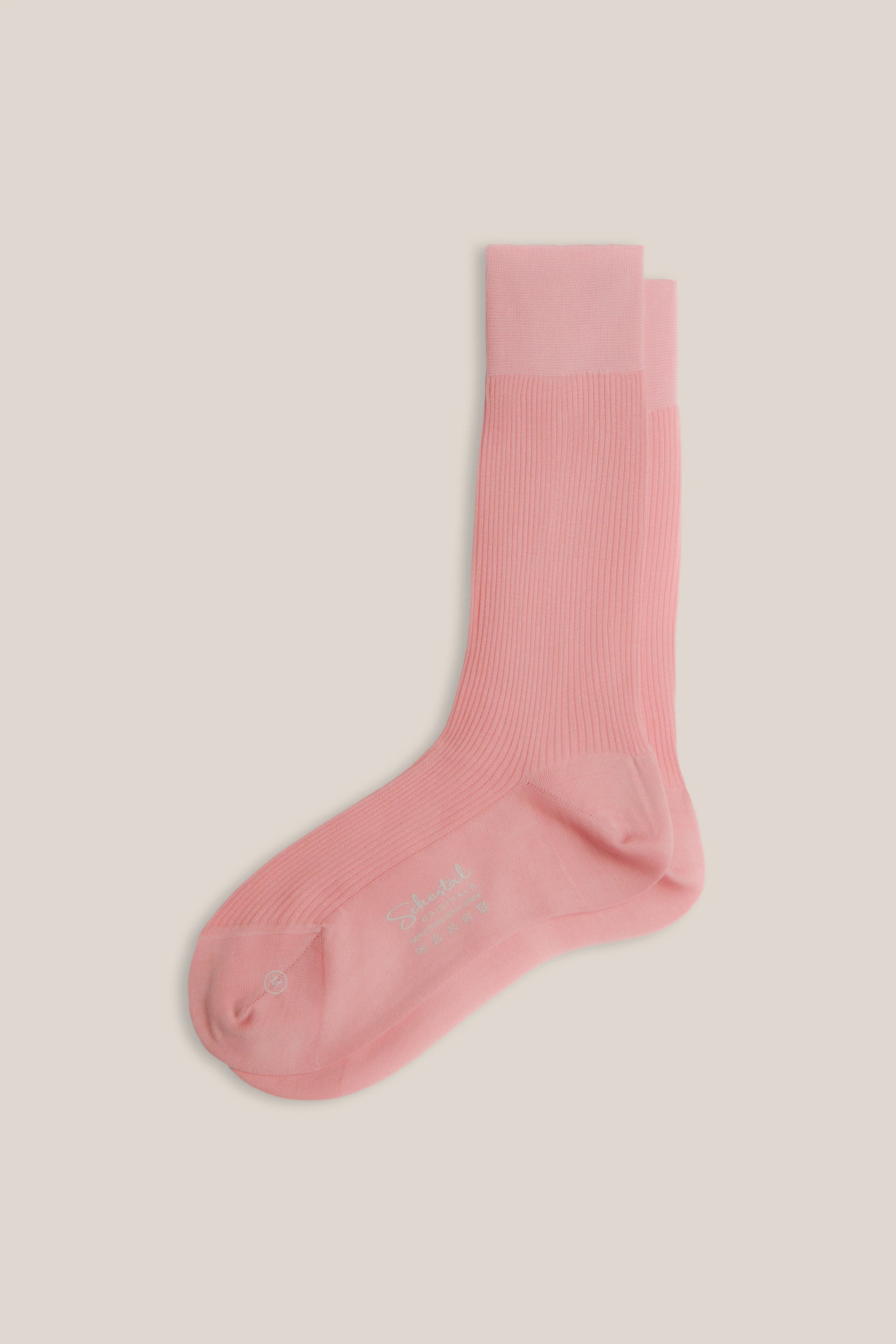
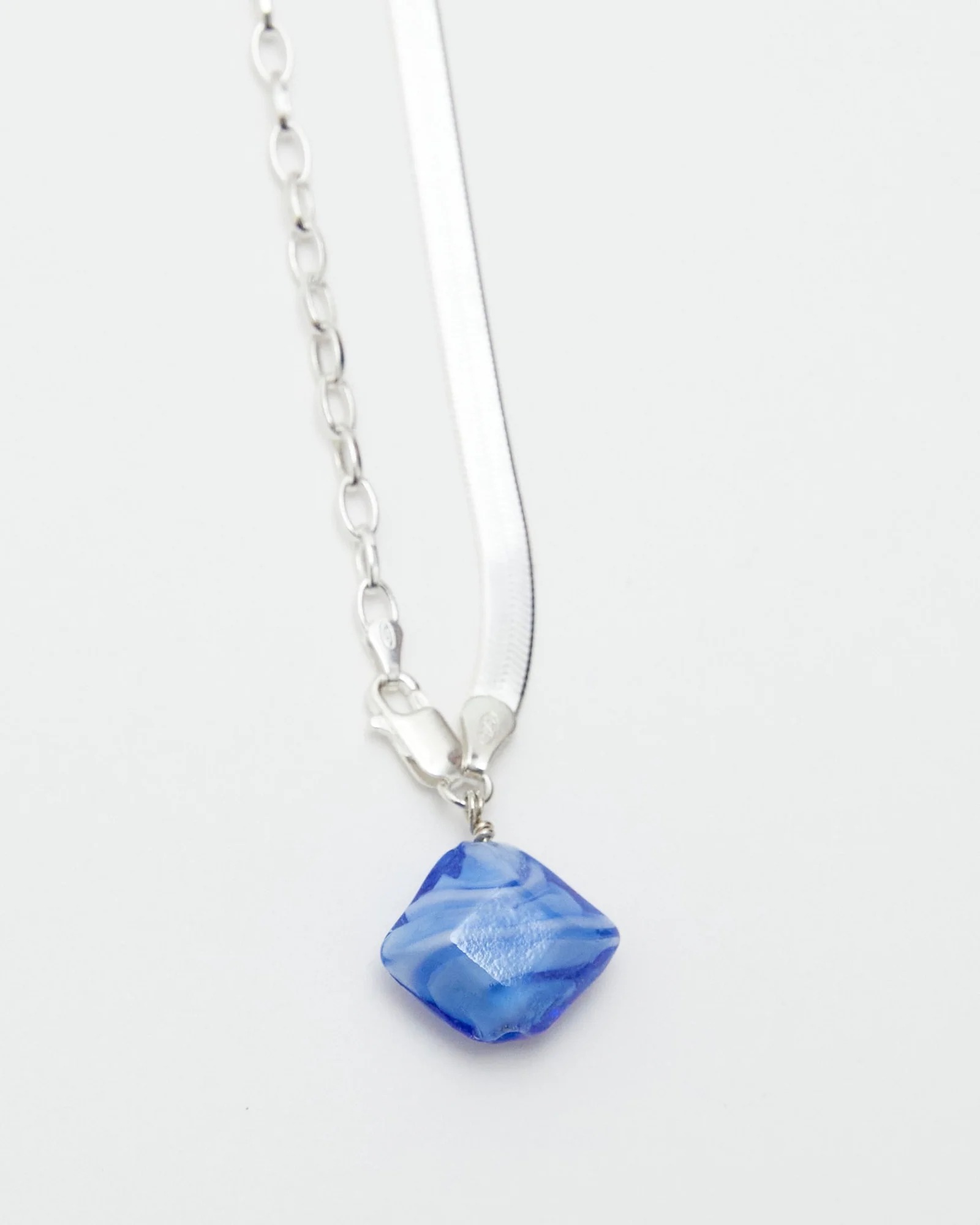
Shop Clara Hofer-Maire's Favorites
Want to read more?
Check out the full article on the original site