After a Breast Cancer Diagnosis and Double Mastectomy, My Reconstruction Helped My Body Feel Like Mine Again
Nothing gets us more excited than talking about a not-so-little tweakment or a nip-tuck procedure. In the spirit of transparency, Marie Claire’s aesthetics column, Life in Plastic, delivers a first-hand peek into what goes on behind the doctor’s door.
Lindsay Schiffman is a 29-year-old woman living in NYC. She was diagnosed with breast cancer in October 2025 and underwent breast reconstruction in July 2026. This is her story, as told to Marie Claire, edited for length and clarity.
I got engaged in July 2025. We met out East, and he proposed in Amagansett, on the beach, three summers later. I had never been happier.
Just after Labor Day, I felt a lump in my armpit. To reason with myself, I repeated: the lump is so far from my boob. I’m 28. I’m strong and healthy. I’m planning a wedding. I’ve booked a band, a venue, and a photographer. My engagement party is in a few weeks. Maybe I was just coming down with something?
But I knew that the BRCA gene runs in my family. My grandfather was BRCA positive, as is my mom. I was telling my fiancé’s sister, who is an OBGYN in Chicago, about the lump I felt. From the keywords I was using (small, hard, unmoving, painless), she immediately urged me to get an MRI. Everything moved very quickly from there—scans, biopsies, doctors' offices all over the city. Three days before our engagement party, I was diagnosed with breast cancer.
We still celebrated. I also asked how quickly I could schedule my double mastectomy.
My doctors told me, This is not a boob job. This is a life-saving surgery. That mindset switch was essential. I was no longer focused on aesthetics, but on surviving. I had spent so many years caring about appearances, but a diagnosis like this rearranges your priorities very, very quickly, and there’s some degree of detachment that happens subconsciously as a temporary coping mechanism more than anything.
Some women considering prophylactic double mastectomies discuss the procedure as a cosmetic one. In reality, it’s everything but—and I actually think it’s dangerous to speak about mastectomies in that way. Choosing a mastectomy is a sign of strength, courage, and self-preservation. It’s also a profound privilege, and one I don’t take for granted, to have access to a surgery capable of saving your life. That being said… did I want to go a little bigger? Of course. I’ll happily take my new 295 cc's as my present at the end of this very long, difficult road.

The Double Mastectomy
Finding the right team of doctors, ones I could wholeheartedly trust, was essential. During a DMX, the breast surgeon first performs the life-saving technique of removing all the breast tissue, and then the plastic surgeon focuses on the cosmetics of it all. Funny enough, I was referred to my plastic surgeon, Steven Sultan, MD, who I quickly learned was the son of Dr. Mark Sultan, who did my mom’s prophylactic double mastectomy 10 years ago. It runs in the family.
During my double mastectomy surgery, Dr. Sultan did the cosmetic stitching and placed my tissue expanders, which I had for eight months of treatment. “After a mastectomy, one of the main things we worry about is the blood flow to the skin—in a lot of cases, if we were to put in a full-size implant right away, it would threaten the skin by stretching it. A tissue expander is a temporary implant that’s only partially inflated, and that allows us to let the skin rest and recover,” explains Dr. Sultan.
Recovery from this surgery was intense—I felt like I was hit by a truck. I spent two nights in the hospital; I couldn’t lift my arms and had to take two weeks off of work. On top of recovery, I quickly began the process of two back-to-back rounds of egg freezing to preserve embryos before I began treatment.
Treatment
Because my tumor was so small, I was a candidate to undergo my DMX before treatment. Knowing that the tumor had been physically removed from my body brought a wave of relief. But that was just step one. In December, I began 16 round of treatment. I started with four, bi-weekly chemotherapy session. Once that was complete, I had 12, less-intense weekly infusions. Cold capping—which is a cooling treatment that’s worn on the scalp before, during and after treatments in an effort to minimize hair loss—made my treatment days eight hours long.
Because I had the tissue expanders in place from my DMX, we gradually filled them several times throughout treatment until I reached a size that felt right for me. “In the office, we actually put a needle into a port in the expander, right through the skin. We inject fluid over the course of a couple weeks, and it reinflates the implants, stretching the skin into a pretty shape,” adds Dr. Sultan.
Aesthetically, they looked like boobs. I have bikini photos in them. But physically, they feel much harder, although you wouldn’t realize that unless you hugged me. They were a little uncomfortable, but never painful.
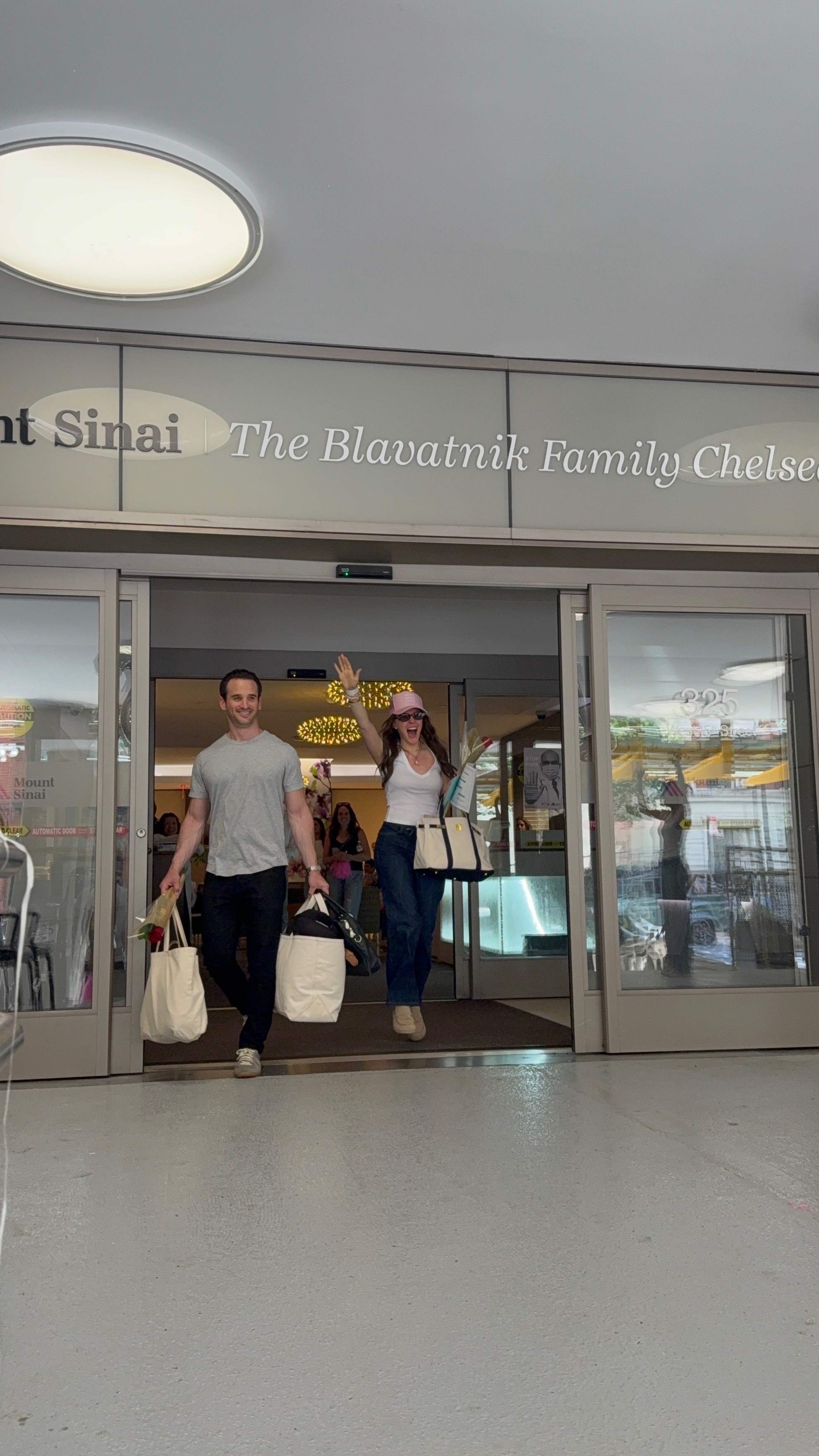
Mindset throughout treatment was everything. Staying positive, doing Pilates, keeping movement in my body. I didn’t want to miss a day of work. My schedule was so important, and maintaining a sense of normalcy was what kept me going.
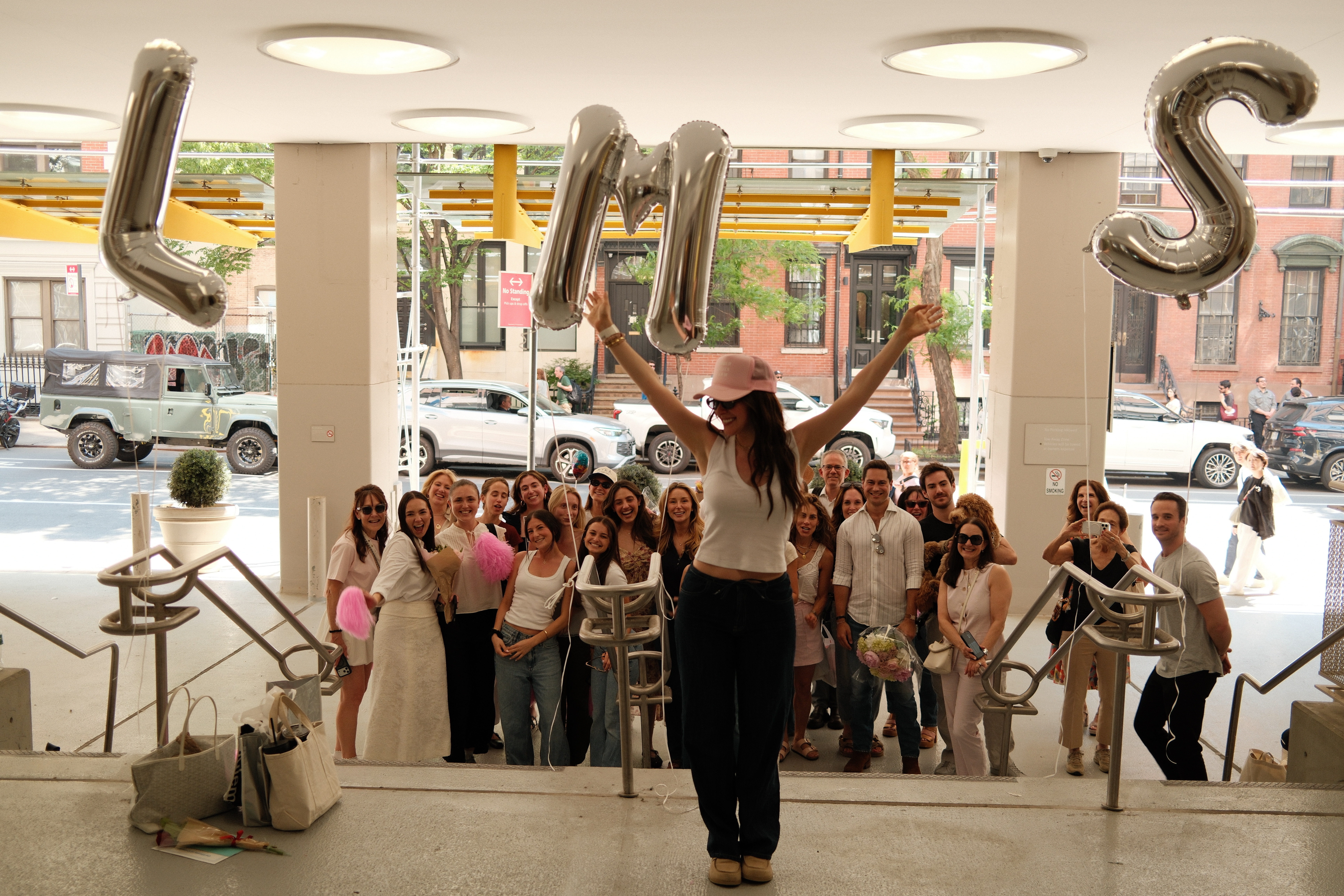
My bridesmaids group chat turned into a support group. They are the ones who truly carried me through. We called it The Climb, because for the first few months I couldn’t even say the word “cancer.” There was so much joy and love—we made a playlist for the last day of treatment, and when I walked out of the hospital, all of my friends were standing there, blasting it. I felt every emotion that one could feel. It was the most joyous, exciting, and empowering day. But finishing treatment is also incredibly scary. For months, I was in this cocoon of doctors and nurses watching over me. I went from having blood work every week to suddenly having nothing. I had heard that when the physical work ends, the emotional work begins.
Having my reconstruction to look forward to felt like a light at the end of the tunnel. In many ways, I knew it would really mark the end of this chapter and the beginning of the next, which is more about survivorship than active treatment.
The Reconstruction
Although your plastic surgeon is only one piece of the puzzle, Dr. Sultan has supported me since my double mastectomy. Weekly check-ins, occasional expander inflation—he even dropped in to say hi on one of my treatment days. Leading up to my reconstruction, we had a pre-op appointment where we reviewed what was to come and how it all goes down. My understanding was that in the grand scheme of things, reconstruction was a much more palatable surgery than my initial mastectomy.
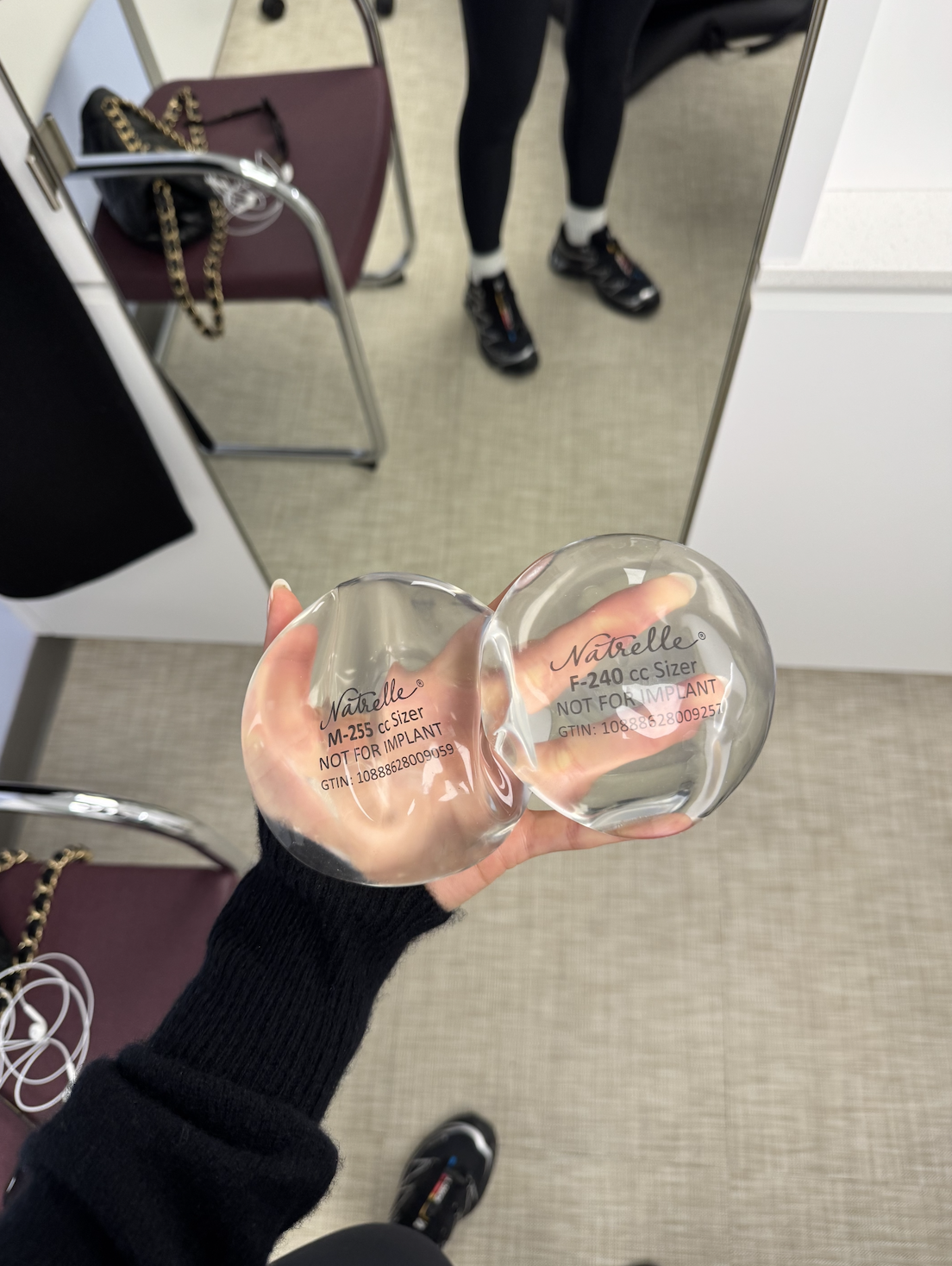
One of the strangest parts of reconstruction is being presented with all of these implants and actually holding them in your hands. They don’t speak in terms of A-cups or B-cups - it’s all 225cc, 295cc, or whatever Kylie says. Even crazier, when you’re under, the surgeon may try several different sizes before determining what looks best. You do not really know what size you will wake up with, so you really have to trust your doctor. My final direction right before I went under was “tasteful oomph.” That was the vision.
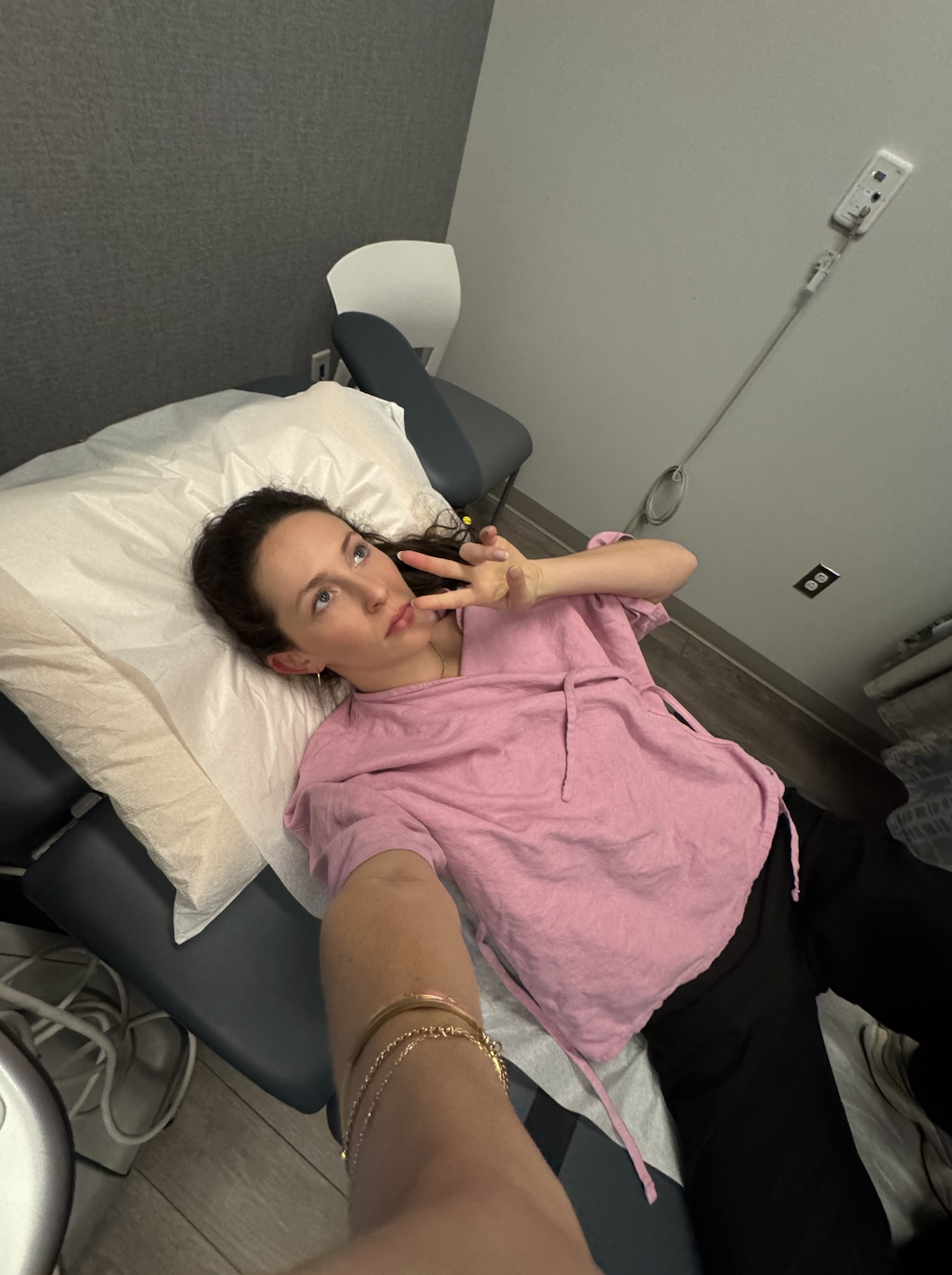
At the beginning of this journey, I couldn’t even have blood drawn without lying down and recovering afterward with apple juice. So I never imagined there would come a day when I would say I was excited for surgery. But by then, I was ready. When I woke up, my mom said I couldn’t stop smiling. No drains this time around, nipple preservation, lollipop scars. Dr. Sultan was able to reopen the same incisions from my mastectomy. I carry other physical reminders of cancer—like the scar by my armpit from my axillary dissection where they removed some of my lymph nodes—but the scars on my breasts are nearly invisible.
The Recovery
Compared to my first surgery, recovery felt like a breeze. I woke up, and I was like, let’s go. I had surgery on a Monday, and by Tuesday I was shopping on the Upper East Side with my mom. I don’t want to say it was easy, because getting implants is still a major surgery. But after everything my body has endured, this recovery felt less like another mountain to climb. It was such a relief.
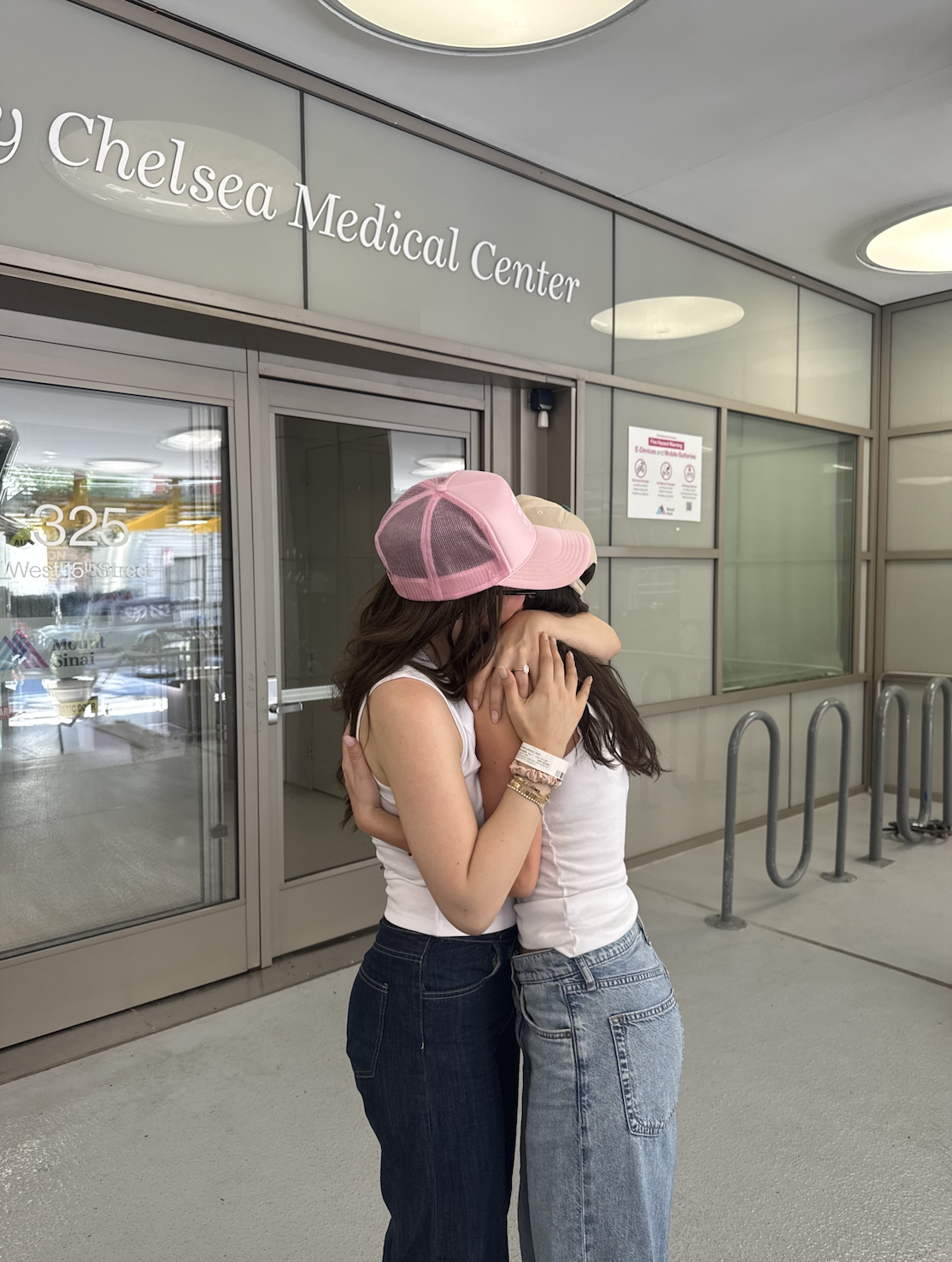
I am just so happy. For the first time in a long time, I feel like my body is mine again. I know I will never be the girl I was before this experience, but I’m beginning to live like a normal 29-year-old again. I’m traveling. I’m re-planning my wedding. I’m thinking about the future again. I could have cried every day in bed for the past eight months, or I could have gotten up and said, This sucks, but let’s move forward—one day at a time. I just caught my breath, looked up, and realized I’m living again.
Why Trust Marie Claire
For more than 30 years, Marie Claire has been an internationally recognized destination for news, fashion and beauty trends, investigative packages, and more. When it comes to the products Marie Claire recommends, we take your faith in us seriously. Every product that we feature comes personally recommended by a Marie Claire writer or editor, or by an expert we’ve spoken to firsthand.
Meet the Expert
Want to read more?
Check out the full article on the original site