Strait Of Hormuz Tanker Traffic Falls To Lowest Level In Over Two Months
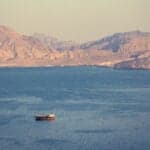


The number of tankers crossing the Strait of Hormuz fell to just one on July 23, the lowest daily level since May 7, according to shiptracking data, as security risks in the Middle East continued to affect commercial shipping and oil prices climbed back to $100 a barrel.
Only one tanker crossed the strategic waterway on July 23, down from three a day earlier, according to analytics firm Kpler. No ships entered the Strait of Hormuz that day.
The only tanker to transit the strait was the very large crude carrier (VLCC) New Giant, carrying 2 million barrels of Iraqi Basrah crude. The vessel exited the strait on July 23 and is expected to arrive at China’s Rizhao port by mid-August.
The U.S. military said late on July 23 that it had completed a 13th straight night of strikes on Iran.
Preliminary shiptracking data later showed traffic through the Strait of Hormuz returning to three vessel transits per day on July 22, July 23 and July 24.
On July 24, another loaded VLCC, Romania Prosperity, was seen off Fujairah outside the strait carrying Murban crude, although its destination was not known.
Two empty soft commodity bulk carriers also exited the Gulf through the strait, while the empty VLCC Noble was among two vessels that entered the Gulf via the Strait of Hormuz on July 23.
At the Bab el-Mandeb Strait, commodity vessel traffic increased.
Kpler data showed 32 commodity vessels crossed the strait on July 23, up from 26 the previous day. Of those, 14 entered the Red Sea and 18 exited into the Gulf of Aden. Preliminary data showed two crossings had been recorded so far on July 24.
Among the 18 vessels leaving Bab el-Mandeb on July 23, nine were carrying crude oil, including two fully loaded Chinese supertankers bound for China.
Separately, the clean tanker Torm Innovation, carrying about 500,000 barrels of naphtha to Asia, altered course slightly toward the Suez Canal exit instead of taking its usual route through the Bab el-Mandeb Strait, according to Kpler and LSEG shiptracking data.
Regional trade sources said rerouting ships to Asia through the Suez Canal instead of the Bab el-Mandeb Strait could make voyages nearly three times longer.
Saudi Aramco has also started offering additional crude cargoes from Egypt’s Mediterranean port of Sidi Kerir as an alternative to loading at its Red Sea ports.
References: Reuters, jpost
Want to read more?
Check out the full article on the original site