•2 min read•from Frontiers in Marine Science | New and Recent Articles
From climate data to regulatory decisions: integrating climate AI into marine EIAs
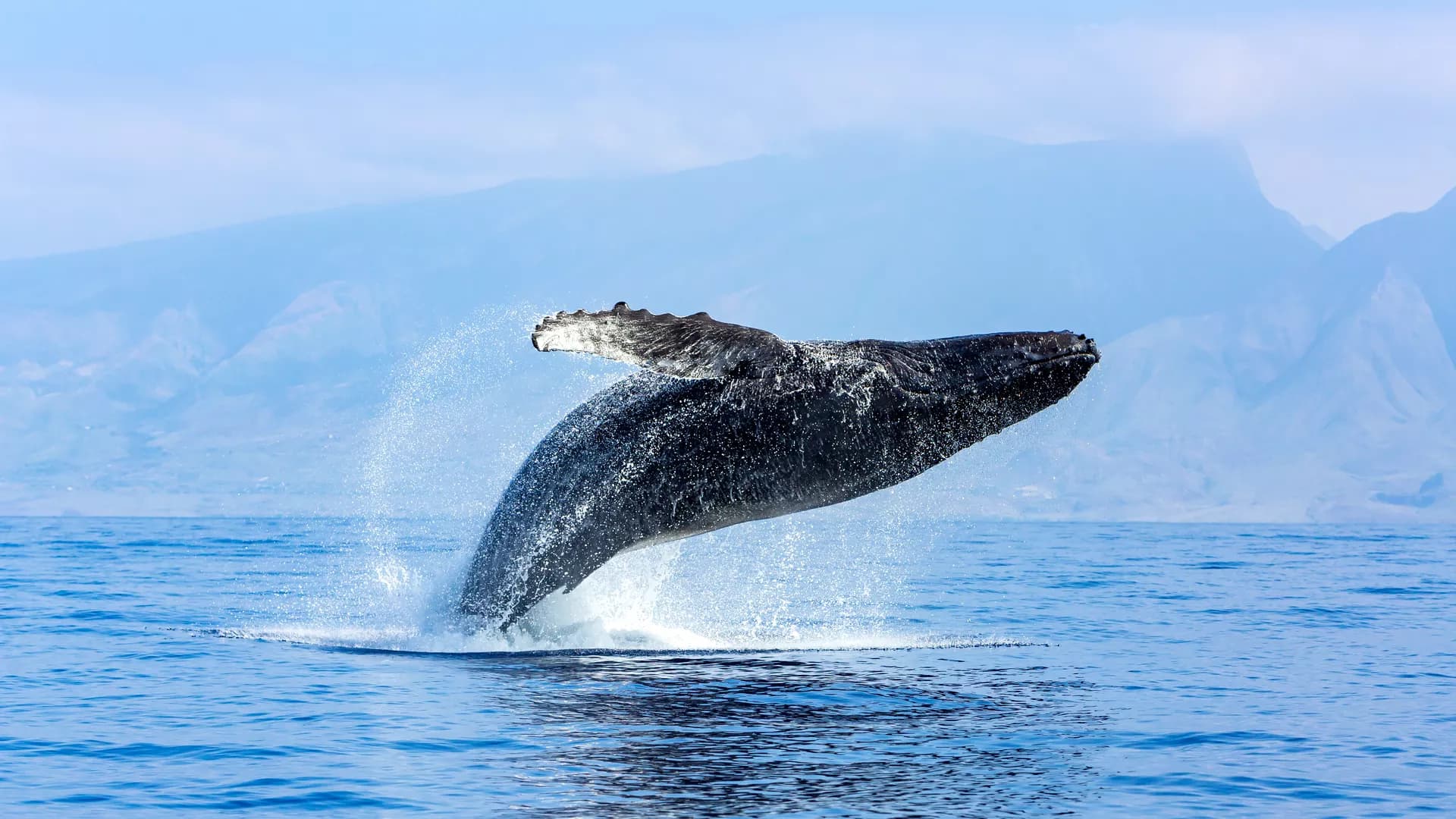
Climate change is increasingly reshaping the sustainable development of the ocean through ocean warming, deoxygenation, acidification, and other compounding stressors. Against this backdrop, environmental impact assessment (EIA) has become a pivotal governance instrument for anticipating and reducing the climate-related impacts of human activities at sea. From the United Nations Convention on the Law of the Sea (UNCLOS) to the Agreement on Biodiversity Beyond National Jurisdiction (the BBNJ Agreement), regulatory expectations for marine EIAs are moving toward more structured thresholds, procedural workflows, and reporting obligations. At the same time, rapid advances in climate artificial intelligence (climate AI), such as machine-learning forecasting, deep-learning nowcasting, and agentic AI workflows, are expanding the ability to produce timely, high-resolution, and probabilistic climate information from heterogeneous climate data streams. These capabilities can strengthen climate-related EIAs by combining short-term forecasting and nowcasting for early warning, long-term observation and monitoring for dynamic baselines, and scenario-based climate modelling for impact estimation and decision support. Climate AI can therefore be integrated throughout the EIA workflow rather than appended as an auxiliary layer, translating climate data into regulatory evidence under changing marine-climate conditions. To ensure regulatory robustness and accountability, implementation should be grounded in evidence standards and quality assurance, transparent and auditable documentation, human oversight, responsibility allocation, and formal mechanisms for cross-institutional data sharing. We argue that a standards-driven, AI-enabled EIA framework can improve the relevance, reviewability, and robustness of marine EIA decisions, supporting long-term ocean sustainability under accelerating climate risks.
Want to read more?
Check out the full article on the original site
Tagged with
#ocean data
#climate monitoring
#marine biodiversity
#climate change impact
#Climate AI
#Marine EIA
#Environmental Impact Assessment
#Climate Change
#Ocean Warming
#Deoxygenation
#Acidification
#UNCLOS
#BBNJ Agreement
#Machine Learning Forecasting
#Deep Learning Nowcasting
#Climate Data
#Climate Modelling
#Scenario-based
#Early Warning
#Dynamic Baselines