•2 min read•from Frontiers in Marine Science | New and Recent Articles
Environmental DNA reveals potential trophic links at male sperm whale foraging sites in Northern Norway
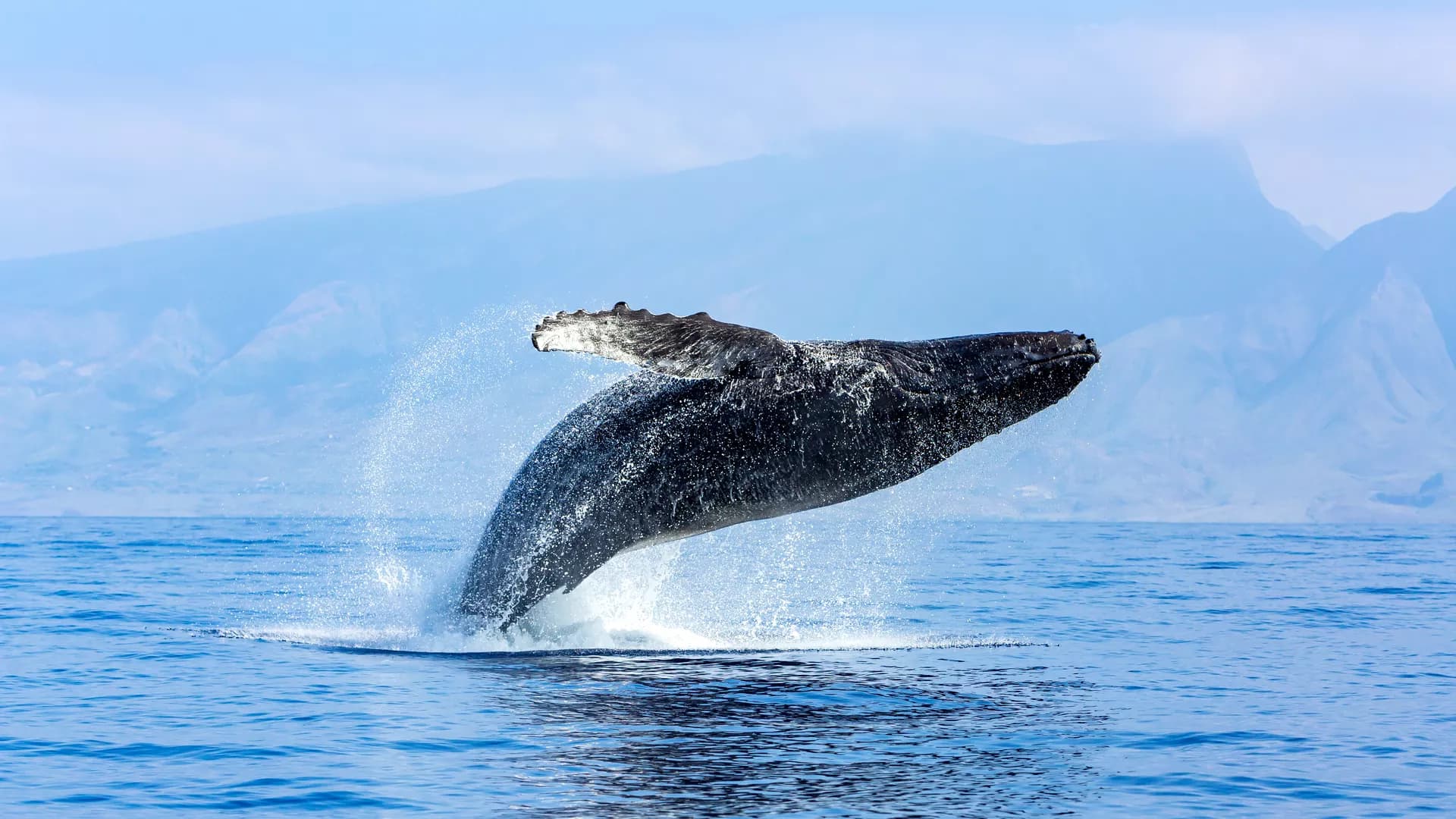
Diet- and trophic studies involving whales are often challenging, particularly for deep-diving species that are difficult to observe while feeding. Recently, environmental DNA (eDNA) techniques relying on water samples have been increasingly used to describe biodiversity patterns in marine ecosystems. These methods also show promise for examining trophic interactions and identifying potential prey for whales. Here, we used eDNA metabarcoding to investigate fish communities that could serve as direct or indirect food resources for deep-diving sperm whales (Physeter macrocephalus) during March in a productive area off the coast of Northern Norway. The eDNA results were compared to dive behavior data from sperm whales instrumented with archival tags in the same area, while whale presence was assessed using a combination of eDNA, visual observations, and acoustic monitoring. We found significant differences in fish community composition along the transects, with most samples dominated by herring (Clupea sp.) and capelin (Mallotus villosus), representing ≥50% relative abundance for most samples. These species spawn in the area during February–March, likely attracting known sperm whale prey species such as cod (Gadus morhua), redfish (Sebastes sp.), and Greenland halibut (Reinhardtius hippoglossoides), which were also detected in high relative abundance at presumed sperm whale foraging depths. Our findings suggest that capelin and herring indirectly increase sperm whale abundance in the area by attracting more suitable prey during early spring. This study highlights the potential of eDNA techniques as a non-invasive tool for identifying co-occurrence patterns potentially indicative of trophic interactions and for elucidating the ecological roles of deep-diving whales.
Want to read more?
Check out the full article on the original site
Tagged with
#marine biodiversity
#environmental DNA
#data visualization