K-Beauty Body Care Brings Korean Bathhouse Traditions To Your Shower Routine

Steaming hot-water soaks, vigorous scrubs, and fluorescent Italy towels: the enduring hallmarks of the jjimjilbang experience. Once a ritual requiring a flight to Korea — or at least an afternoon at your nearest Korean bathhouse — these practices are now trickling over to your K-beauty body care routine.
“Korean bathhouse culture is special because it's deeply woven into our culture and upbringing,” says Erica Choi, esthetician and founder of Superegg. “Many Koreans and Korean Americans have memories of going to the neighborhood bathhouse with their parents or grandparents as children. It wasn’t just about getting clean; it was a place to spend time together, unwind, and care for your body.”
Beyond the nostalgic elements, Korean bathhouse culture has a few defining features that set it apart from other body care routines. And if you’re curious to see what those are, K-beauty brands have begun reinterpreting those practices for your shower shelf. Below, everything you need to know about the rising wave of jimjilbang-rooted body care rituals — plus expert-approved picks to bring you a little closer to the experience.
What Is A Jjimjilbang, Or Korean Bathhouse?
Jjimjilbang refers to the bathhouses found in every neighborhood in Korea, a combination of a community bathhouse and wellness spa and a regular fixture of “places you have to visit in Korea” TikToks. Many are open 24/7, most are affordable, and all should leave you feeling revived.
But to define it just as a place doesn’t quite capture the significance of the jjimjilbang experience. Choi recalls the signature snack bar, where banana milk, Yakult, and roasted sauna eggs reign supreme. “Somehow it always tasted better after spending hours soaking, steaming, and scrubbing,” she says. There are also the coordinated shirt-and-shorts uniforms provided for lounging in shared areas, yangmeori towels rolled up to resemble sheep’s heads, and nude mogyoktang areas for bathing and soaking, always split by gender.
“There’s not really a great analogy in the West,” says Michelle Lee, chief marketing officer of Landing International | K-Beauty World and former editor-in-chief of Allure. “It’s not like a super luxe, relaxing spa experience. Every jjimjilbang is a bit different, but typically you’re cycling through heat, steam, cold, and exfoliation with some food along the way. You're naked and then wearing a provided outfit, you're getting scrubbed hard, you're sweating, you’re freezing your ass off, and you’re not feeling self-conscious, ideally. It’s a cultural thing and seen as a bonding experience for a father to bring his son or a mother to bring her daughter.”
Charlotte Cho, esthetician and co-founder of Then I Met You and Soko Glam, also emphasizes the communal element as key to the Korean bathhouse experience — something admittedly difficult to recreate in a single product. “You are encouraged to relax, nap, and munch on snacks for hours, all in the proximity of your friends and family,” she says. “At a Korean bathhouse, overstaying your welcome is part of the wellness experience, which includes detoxing, massages, facials, body scrubs, and even a vaginal cleanse.”
With multiple areas to dip in and out of, it’s easy to overstay. “The hot saunas have themes, such as the Himalayan salt room, which uses salt’s properties to regulate blood pressure, clear the skin, and even relieve allergies,” says Cho. “There are ice rooms, which are cold rooms that stimulate the body’s natural antioxidants while firming the skin. In hot tubs, the focus is often on hydrotherapy, utilizing strategically placed jets as a form of aqua-acupuncture to enhance circulation.”
Not all of these aspects travel easily from bathhouse to bathroom counter, but a few are going global.
How Are Korean Bathhouse Practices Influencing K-Beauty Body Care?
You can do a lot at the jjimjilbang, but there’s one treatment everyone always talks about: the extremely thorough full-body scrub. “It’s one of my favorite treatments at a Korean bathhouse because a lady in bras and panties will slough off your dead skin using an exfoliating body mitt,” says Cho. To be precise, the mitt is an Italy towel, easily recognizable by its bright green, pink, yellow, and blue colors. “The Italy towel has been a bathhouse staple forever and spawned a whole generation of body exfoliation tools and textures,” says Lee. “Physical exfoliation fell out of favor for [K-beauty] facial skin care, but it’s in full force when it comes to the body.”
You might think that the popularity of physical scrubs would translate into hundreds of at-home body care options, but that’s not the case, at least not yet. Compared to the hundreds of thousands of Korean skin care options available for your face, K-beauty body care offerings are somewhat scant. “People assume K-beauty is all about skin care, but body care in Korea is surprisingly simple,” says Christina Han, co-founder of Sluff. “Go into any Olive Young in Seoul and there are entire floors dedicated to facial skin care. Ask where the body care is, and it's usually one shelf in the corner.”
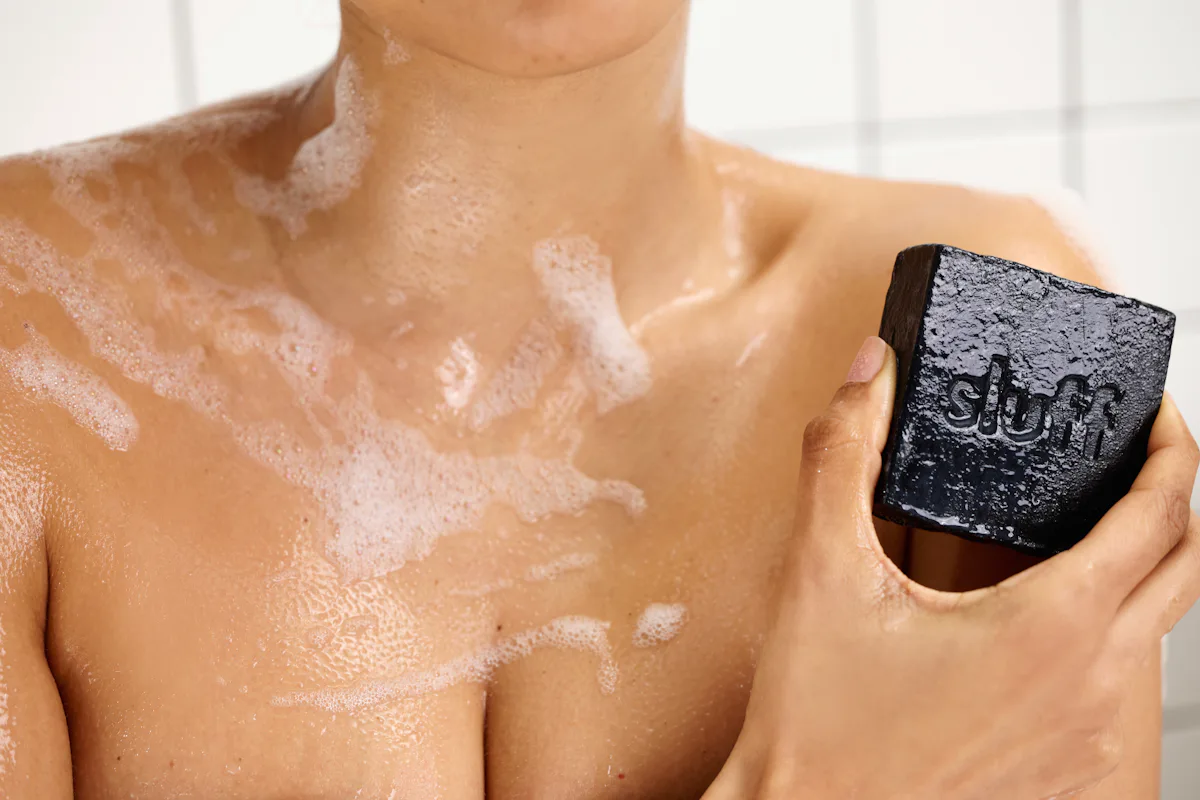
So Han founded Sluff to make that shelf stretch a little further, and to recreate the bathhouse body scrub experience (but faster, easier, and possible from the comfort of your own shower, anywhere in the world). Her curated line includes an exfoliating Pre-Sluff Bar, an Italy towel-esque Mitt Duo, and nonsticky body lotion to slather all over when you’re done. Combined, they recreate the feeling of leaving the jjimjilbang — “your skin is baby soft; you feel reborn” — whenever you feel like it. “Without booking a spa appointment or getting naked in front of strangers,” says Han.
Han’s brand is one of several dreaming up genius ways to make the bathhouse experience more accessible worldwide. Others like Laundryoü, House of Balance, and Knock are also teasing out some of the best parts, from the poststeam toner splash to a pre-soaked body glove (more on those below). Lee says she’s also noticed shifts in K-beauty body care aimed at hydration. “Formulationwise, the bathhouse obsession with clean, deeply hydrated skin has pushed Korean body care toward a much more sophisticated moisture-barrier philosophy than Western body lotion ever really had,” she says.
Can Everyone Use Bathhouse-Inspired Korean Body Care?
Everyone can reap the benefits of bathhouse-inspired Korean body care. Better yet, the routine requires no more than three steps. Some enjoy a 10-step Korean skin care ritual, but if you’re not one of those people, rest assured that K-beauty body care involves far fewer products.
According to Han, “sluffing” and jjimjilbang-rooted body care works for all skin types, although those with especially sensitive skin should take care to be gentle. “You control the pressure, how often, and which areas need the extra attention,” she says. “Some people go all in once a week. Others just focus on rough spots like areas with [keratosis pilaris (KP)], elbows, and knees.” The benefits are immediate. “Softer, smoother skin; self-tanner goes on more evenly; old tans come off faster; ingrown hairs become less frequent; KP bumps are smoother; and for those who slather themselves in body creams and oils, these products will actually absorb better instead of sitting on top of dead skin,” she says. “It isn't about adding another cream to your routine; it's about removing what's standing in the way first. Once you get rid of the dead skin layer and product buildup barrier, everything you apply afterward works better.”
Aside from the extra-thorough exfoliation, Choi believes the intentional nature of bathhouse body care is something everyone can (and should) enjoy. “Many of us grew up with memories of our mothers or grandmothers asking us to soak in hot water before gently scrubbing our skin, or being scrubbed by the experienced ajummas at the bathhouse until your skin felt unbelievably soft,” she says. “It wasn't treated as a luxury. It was simply part of taking care of yourself.”
The Top K-Beauty Body Care Picks Inspired By Korean Bathhouse Traditions
If you’re headed to Seoul, you can find a jjimjilbang wherever you stay with minimal effort; just pick a direction and start walking. For those searching for one close to Incheon airport, Choi especially recommends Cimer at Paradise City. “It has a more modern, elevated feel while still incorporating many traditional Korean spa experiences,” she says. “I love that it combines pools, thermal baths, saunas, and classic jjimjilbang rooms in one beautifully designed space. If you land early on an overnight flight, spending a few relaxing hours there before checking into your hotel is a wonderful way to recover from jet lag and ease into your trip.”
For those staying at home, these scrubs, towels, gloves, and body toners will get you pretty close to the real thing.
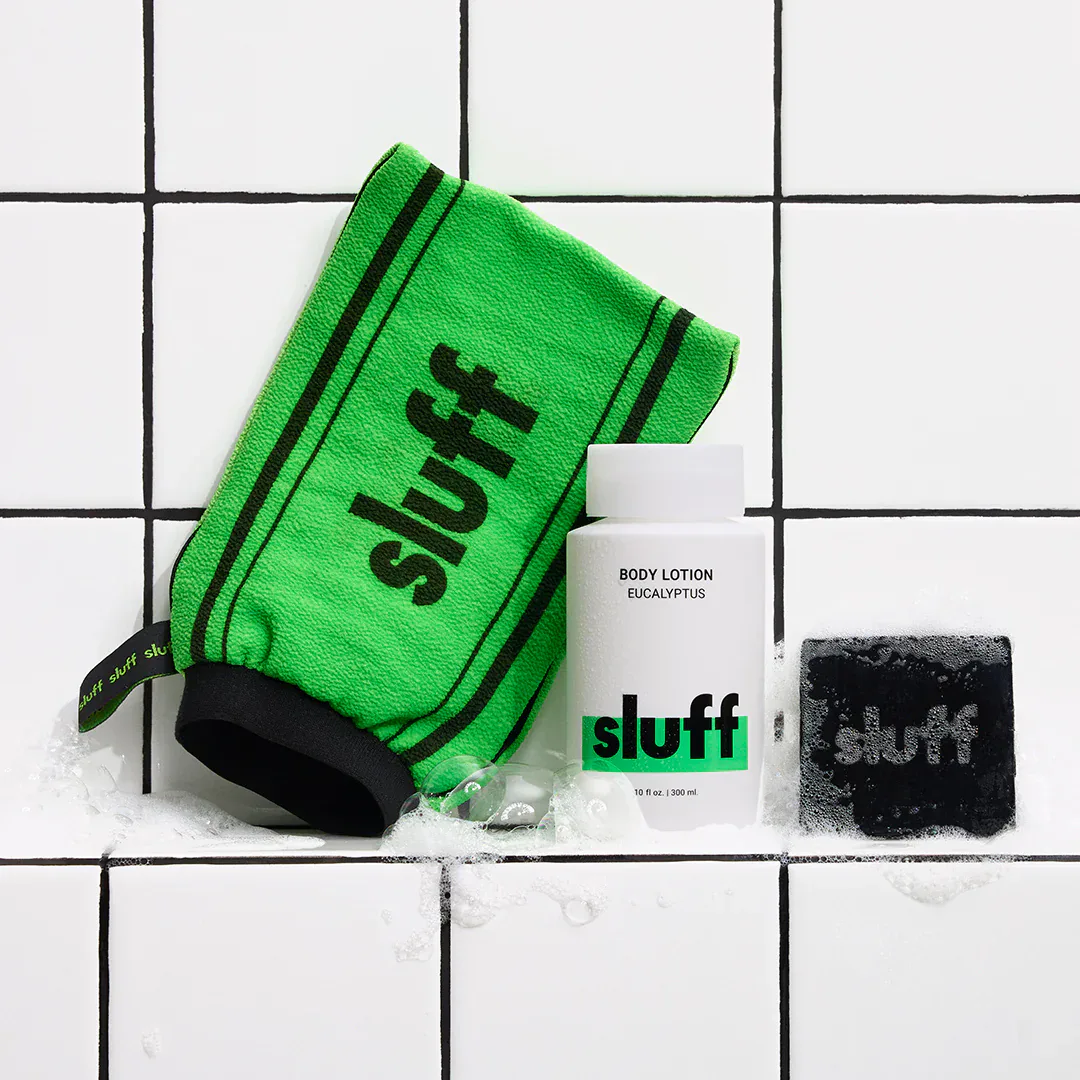
Sluff It Kit
For a three-step experience that takes you from exfoliation to post-sluff hydration, pick up Han’s kit (also loved by Lee and Choi). Inside, you’ll find a softening cleansing bar, two body mitts that make dead skin cells roll off like eraser shavings, and a lotion that absorbs in seconds. “I developed the sluff lotion for lotion haters like myself,” says Han. “It absorbs almost instantly, leaves a matte finish, and makes your skin feel soft — not slick. My favorite feature? My legs are immediately pants-ready.”
Sluff -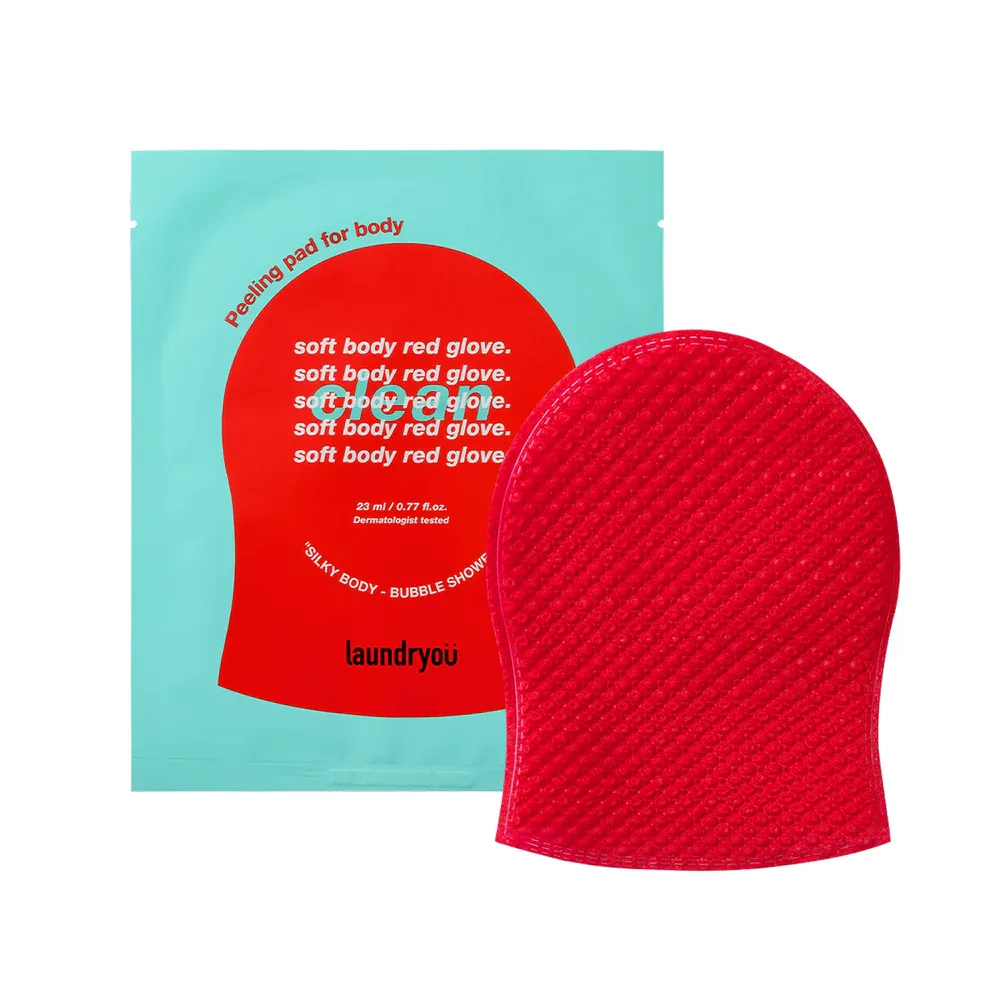
Soft Body Red Glove Clean
Packaged like a sheet mask and pre-soaked in smoothing essence, these embossed mitts foam up with just a little water to slough away rough, dull skin from the neck down. Because they get a little boost from mild chemical exfoliants, you can scrub lightly. “The design is inspired by a traditional Korean bathing culture,” says Jian Lee, CEO and founder of Laundryoü. “Building on the idea of the Italy towel, we created a glove-shaped exfoliating cloth that your hand slips into easily, allowing you to feel the cleansing action directly on your skin while staying true to our modern focus on hygiene and convenience.” They’re especially perfect for flights. “As I travel frequently, I wanted to eliminate the hassle of carrying separate body wash bottles,” she explains. “So we developed a product that combines the fabric and body wash together — similar to a sheet mask, but for the body. It’s actually the product I use most frequently out of our entire lineup.”
Laundryou -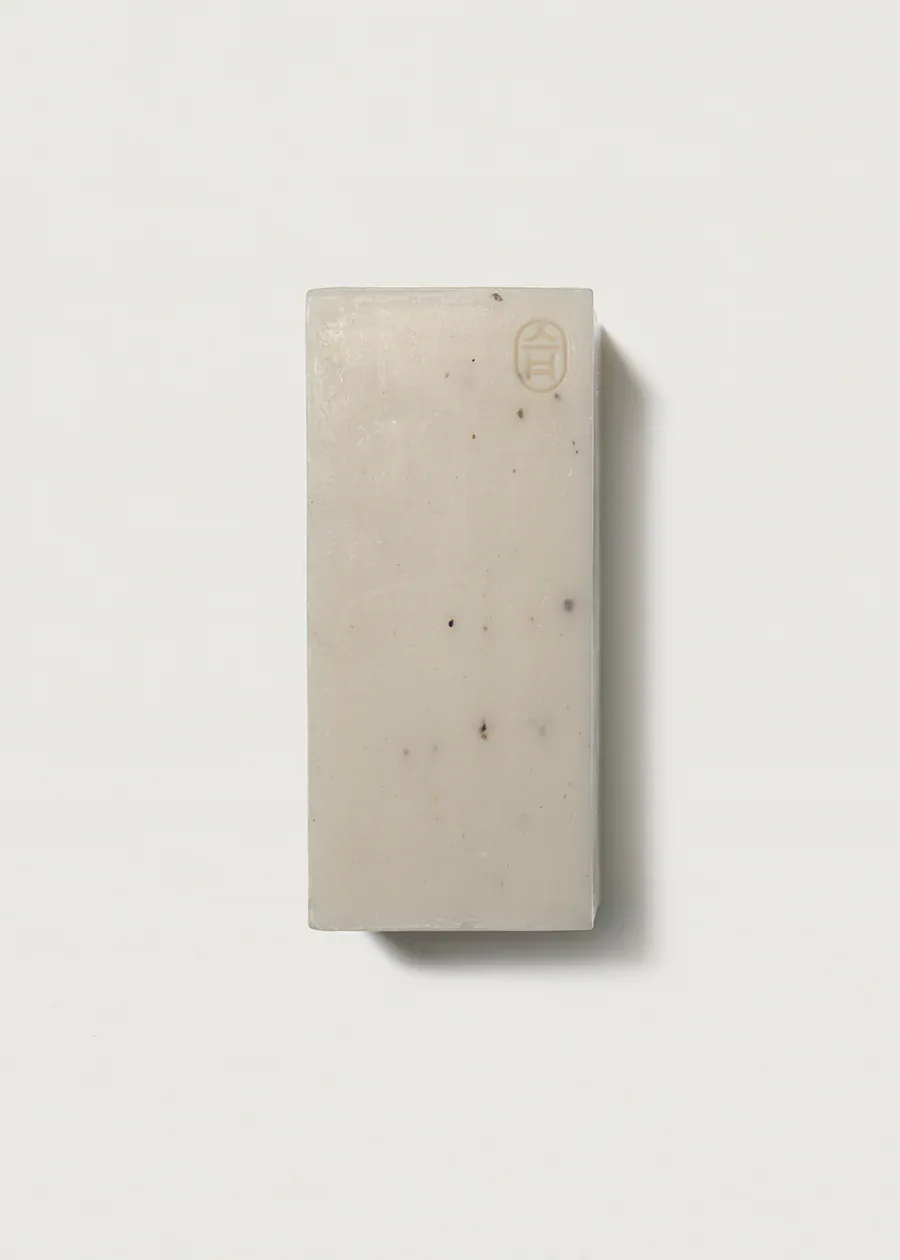
Seshin Korean Scrub Soap
Choi loves every soap from this brand, which comes in bars infused with kelp or nutty boricha. “Their beautifully crafted botanical bars elevate an everyday shower into something much more intentional, while still feeling rooted in Korean bathing traditions,” she says. If we had to pick just one, it would be the Seshin Korean Scrub Soap, designed to recreate the ultra-clean feeling you get after a particularly satisfying bathhouse scrub. It’s made with black sesame seeds for natural exfoliation, plus washed blue clay and sea salt. Together, they leave skin feeling soft and refreshed, no extra scrubbing implements required. To complete her shower ritual, Choi recommends pairing these bars with a spritz of Superegg Kind Atmosphere Biome Mist, a generous coat of House of Balance Body Slow Oil Serum, and a DIY massage with her Flow Egg Sculpting Gua Sha.
Binu Binu -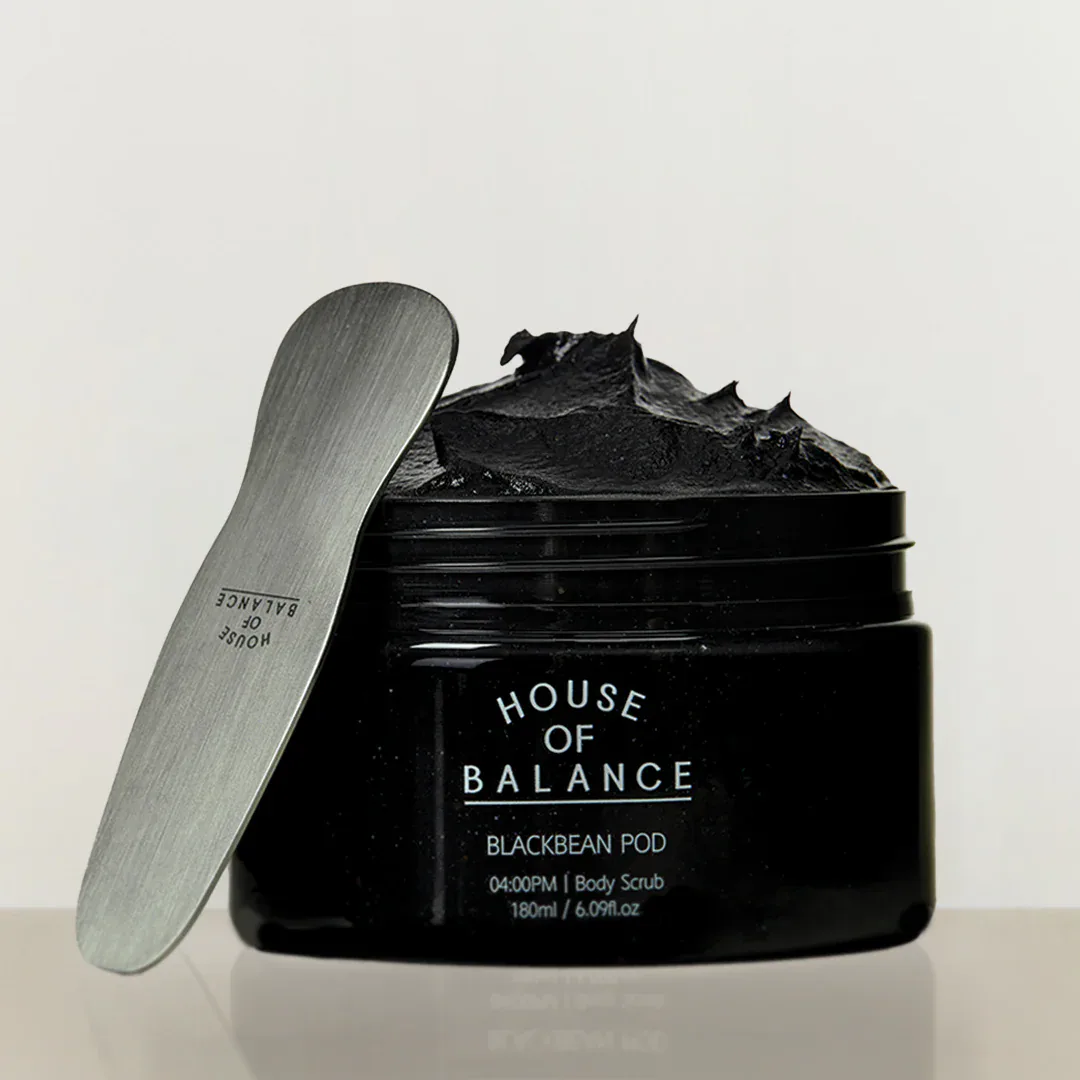
Black Bean Pod 4pm Body Scrub
Another pick that takes a shortcut to scrubbing is this scrub by House of Balance, which combines both physical and chemical exfoliants to help do the work of a body wash and Italy towel in one. “It’s our way of bringing the Korean bathhouse ritual into a more skin-friendly, modern routine,” says TJ Yoon, CEO and founder of House of Balance. Each tub is packed with a blend of exfoliating particles: black bean husk, charcoal, and volcanic minerals. They’re then boosted by a cocktail of AHA, BHA, PHA, and LHA. “The acids help loosen the bonds between dead skin cells, so the natural scrub particles can lift them away more gently and effectively with less rubbing,” says Yoon. “We also added ingredients like camellia flower extract, seaweed, and black-bean extract to replenish moisture and support the skin barrier after exfoliation.”
House of Balance -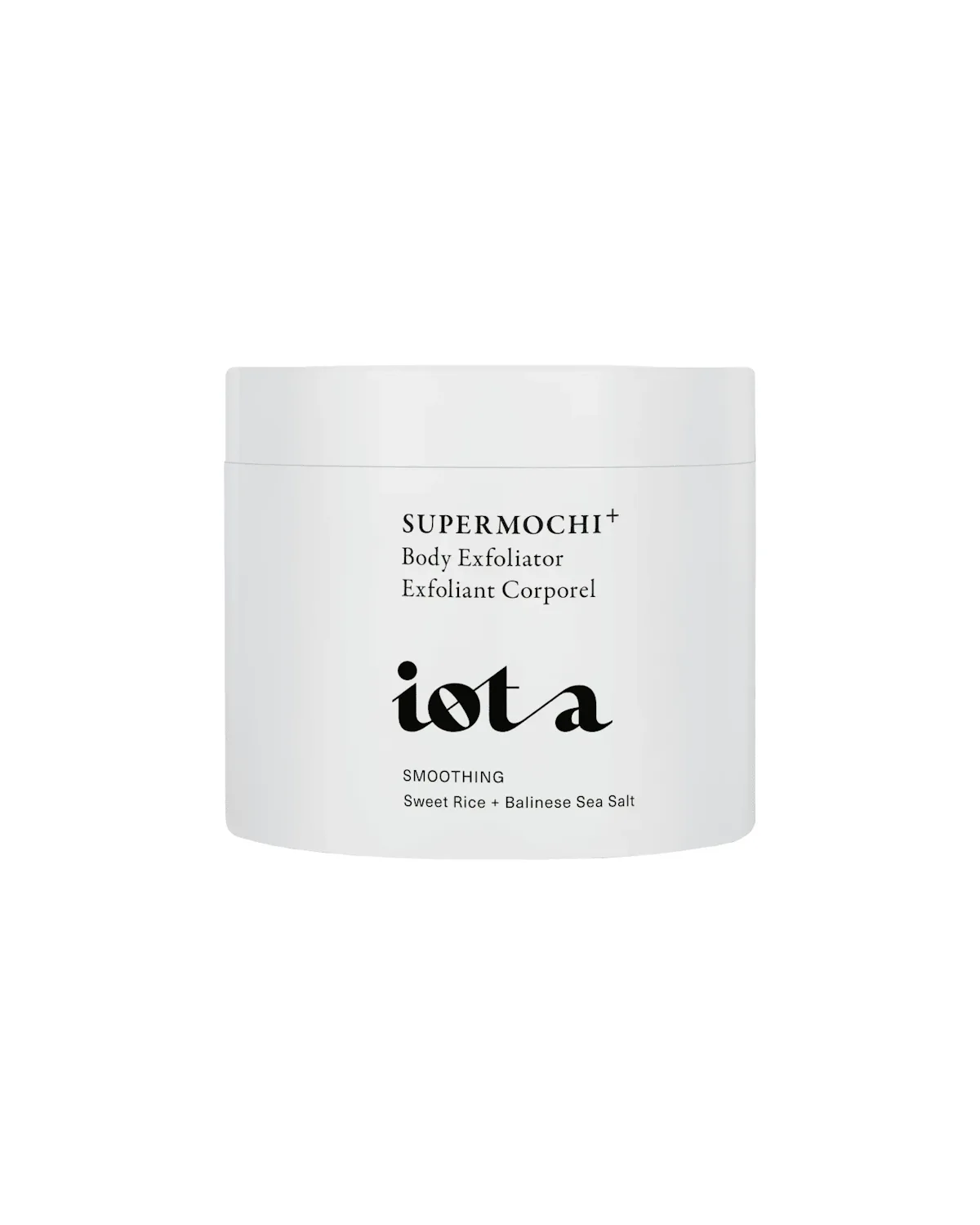
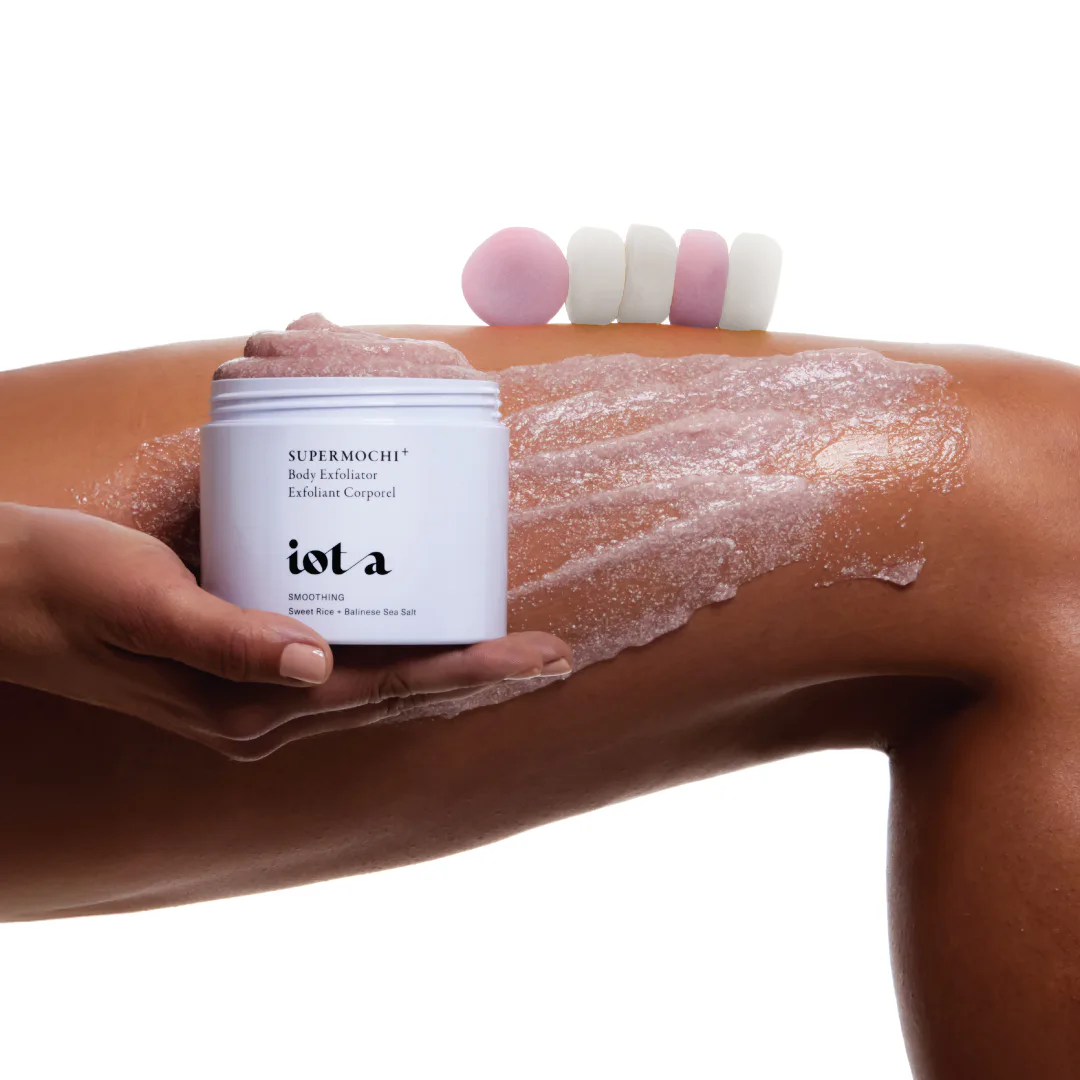
Supermochi Body Exfoliator+
Cho’s picks are this “sensorial” brightening scrub and a pack of classic Italy towels, color-coded based on intensity. Much like House of Balance’s version, it combines a blend of physical and chemical exfoliants. Packed with Balinese sea salt, Thai sweet rice, Korean red bean, ube extract, prebiotics, probiotics, and AHA exfoliants, it’s great for dry, rough, or dull skin. Best of all is its soft texture, intentionally formulated to feel like soft rice cakes. It’s not a cold banana milk from the jjimjilbang fridge, but it does feel like a treat.
Iota -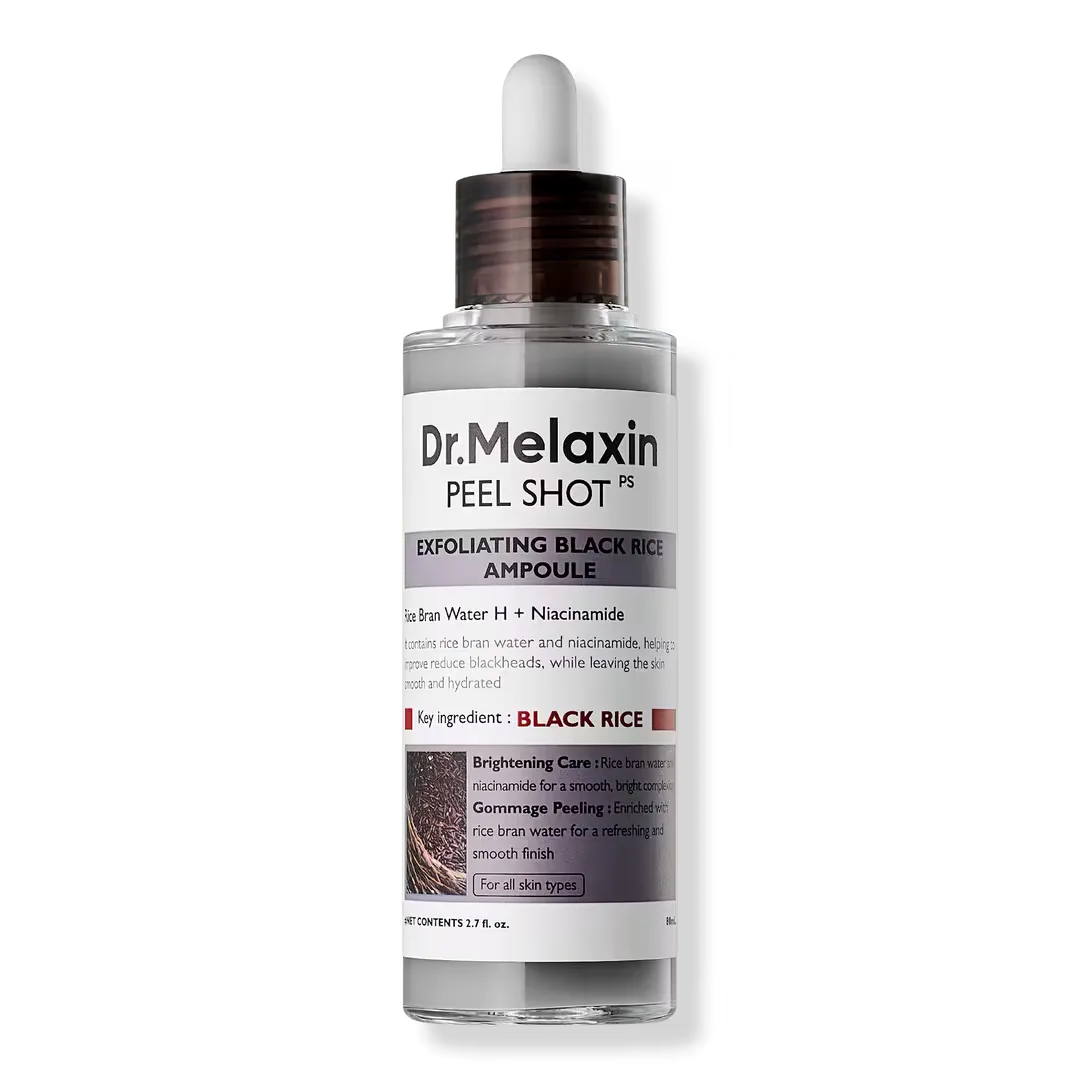
Peel Shot Exfoliating Black Rice Ampoule
While this exfoliating ampoule is technically made for your face, you can also smooth it over elbows, knees, and your back for the same effect. “I’ve been using the viral peel shot for a quick exfoliation at home,” says Lee. “The gommage gently exfoliates, and I like how I can see the sebum and dead skin cells lifting off my skin.” It’s made with rice extracts, niacinamide, and an AHA + PHA blend.
Dr. Melaxin -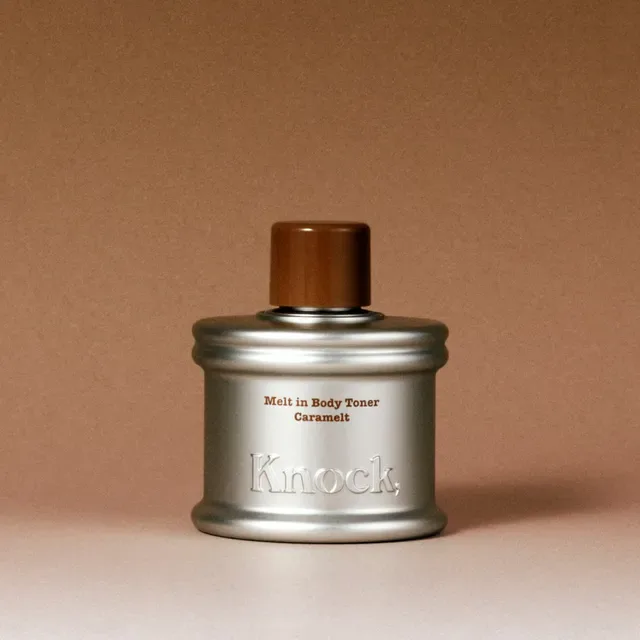
Melt-In Body Toner Mini Caramelt
Knock’s body toners are a lightweight, milky emulsion that come in tubs resembling paint cans. That part isn’t exactly bathhouse-inspired, but the formulas are. Inspired by the bathhouse locker room habit of splashing the jjimjilbang’s complimentary facial toners all over before stepping out of the steam, each bottle delivers drops of milky toner that sink in fast. They echo K-beauty’s obsession with sok-subun (inner-skin hydration), designed to flood your body with deep, lightweight moisture while skin is still damp from steam, before layering on creams or lotions. The toners come in a few different scents, but Caramel is our winner — purely for the fact that it smells exactly like a jiggly custard pudding from the convenience store.
Knock -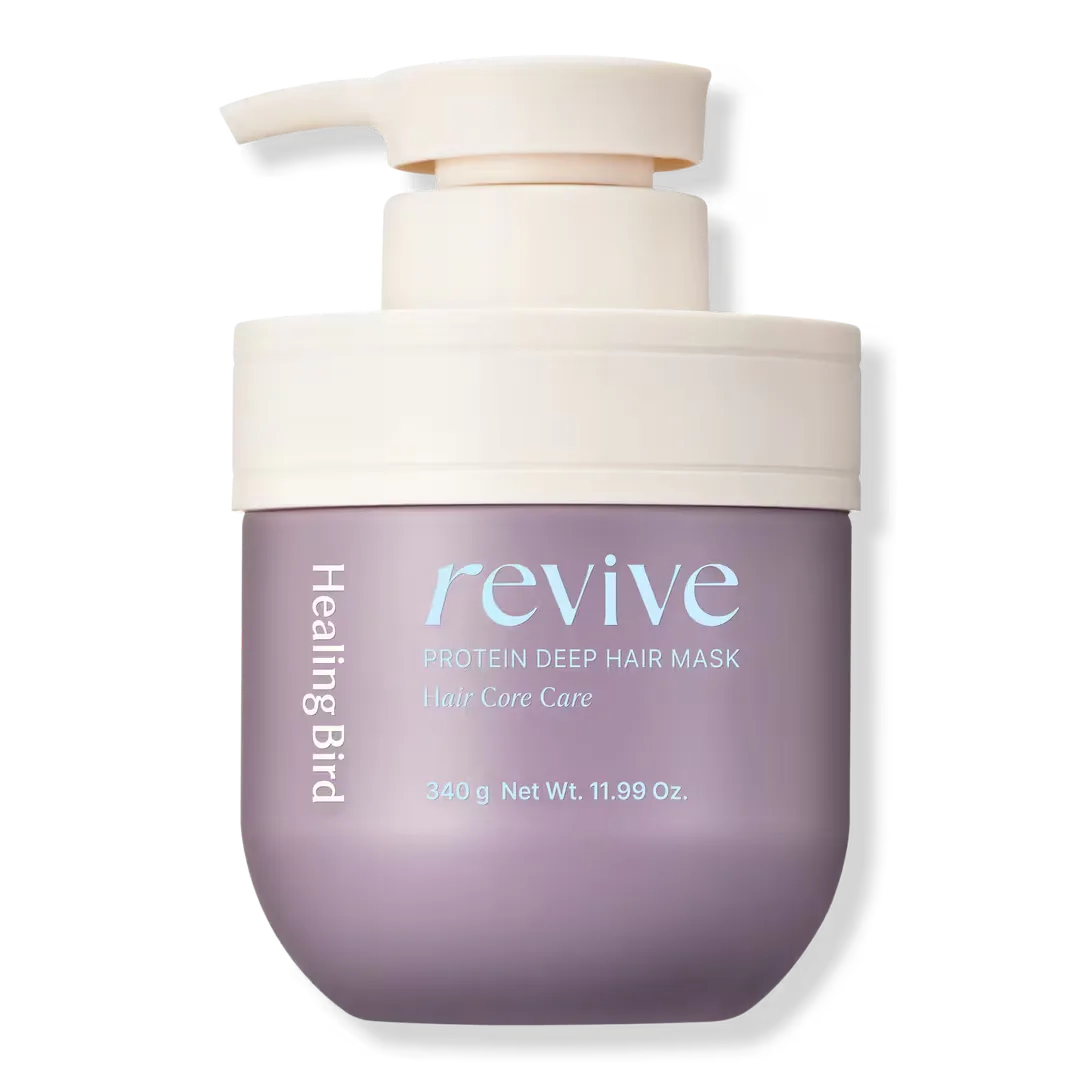
Revive Protein Deep Hair Mask Repair
Yes, you’re looking at K-beauty hair care here — but a mask like this is also an essential part of the full bathhouse experience. “Another part of the Korean bathhouse ritual is to soak in these large communal tubs, almost like small pools, with varying temperatures from icy cold to a hot tub with jets,” says Lee. “It’s mandatory to shampoo and shower thoroughly before entering, and dipping or soaking your hair is considered unsanitary and highly frowned upon. So a lot of women will wash up in a shower stall first, shampoo and soap their bodies, then as a last step, put in a deep conditioner and towel wrap their hair before entering a tub of their choice to steep in.” You can’t go wrong with this popular treatment from Healing Bird. “The proprietary pump is able to dispense just the right amount of deep conditioner without having to scoop it out with my fingers,” says Lee.
Healing Bird -Want to read more?
Check out the full article on the original site