Brooke Ivory: Integrating dance with social-emotional learning

When we first danced or bopped as little toddlers, we did so because it felt good and fun. If we continue dancing as we grow, the hope is that is continues to feel good and be fun, but also that it teaches discipline, cooperation, emotional awareness and resilience. Traditionally, those skills develop in tandem with the pursuit of a particular technique, often as a by-product. However, there are performers and educators out there making specific efforts to increase social emotional awareness and learning to dance education. Brooke Ivory is one such dancer and teacher. Fresh off an NAACP Theatre Awards nomination for Best Choreography, Ivory also runs a non-profit in L.A. specializing in social and emotional learning within dance education. Her organization, B Inspired D.A.N.C.E. Foundation (BIDF), focuses on bringing programs to schools and other organizations for primarily elementary school kids. Dance Informa sat down with Ivory to discuss how BIDF came to be, the recent NAACP Theatre Awards nomination, and the advice she has for dancers navigating their own journeys.

You have a lot going on! Aside from teaching open classes, running a non-profit, and working as dance-based fitness instructor for Dance Body, you also choreograph and were recently nominated for Best Choreography at the NAACP Theater Awards for Simply The Best, a Tina Turner tribute show. Tell us a little about what it meant to work on that show.
“I did the choreography for the whole show, and it was really cool because I got to incorporate a lot of different dance styles in the show. I really wanted to capture Tina when she was the most energetic, so I was really focusing on her live performances. There was just so much energy; it was really electric. I incorporated some contemporary, a little bit of jazz, a bit of burlesque, and of course the fun, showy Tina Turner-esque stuff. She’s a legend, and I really wanted to stay true to who she was, but also I wanted to bring myself and my style into this show.”
That’s the challenge when working as a performer and also being on the creative side of shows – embodying a character while maintaining your own sense of self and all the personal experiences you have a dancer. Aside from this show, what else do you do? So many working freelance dancers out there have multiple sources of work to support a performing career. How do you put all the pieces together?
“Right now I do a lot of teaching. I am a performer and I’m constantly auditioning and going out for not just dance jobs – but also acting, modeling, commercial TV, film…all the things. I’m at a place in my life where I just want to do projects that really inspire me, they touch me, and they’re aligned with everything else that I’m doing. So I am performing, but mostly I spend a lot of my time teaching right now.”
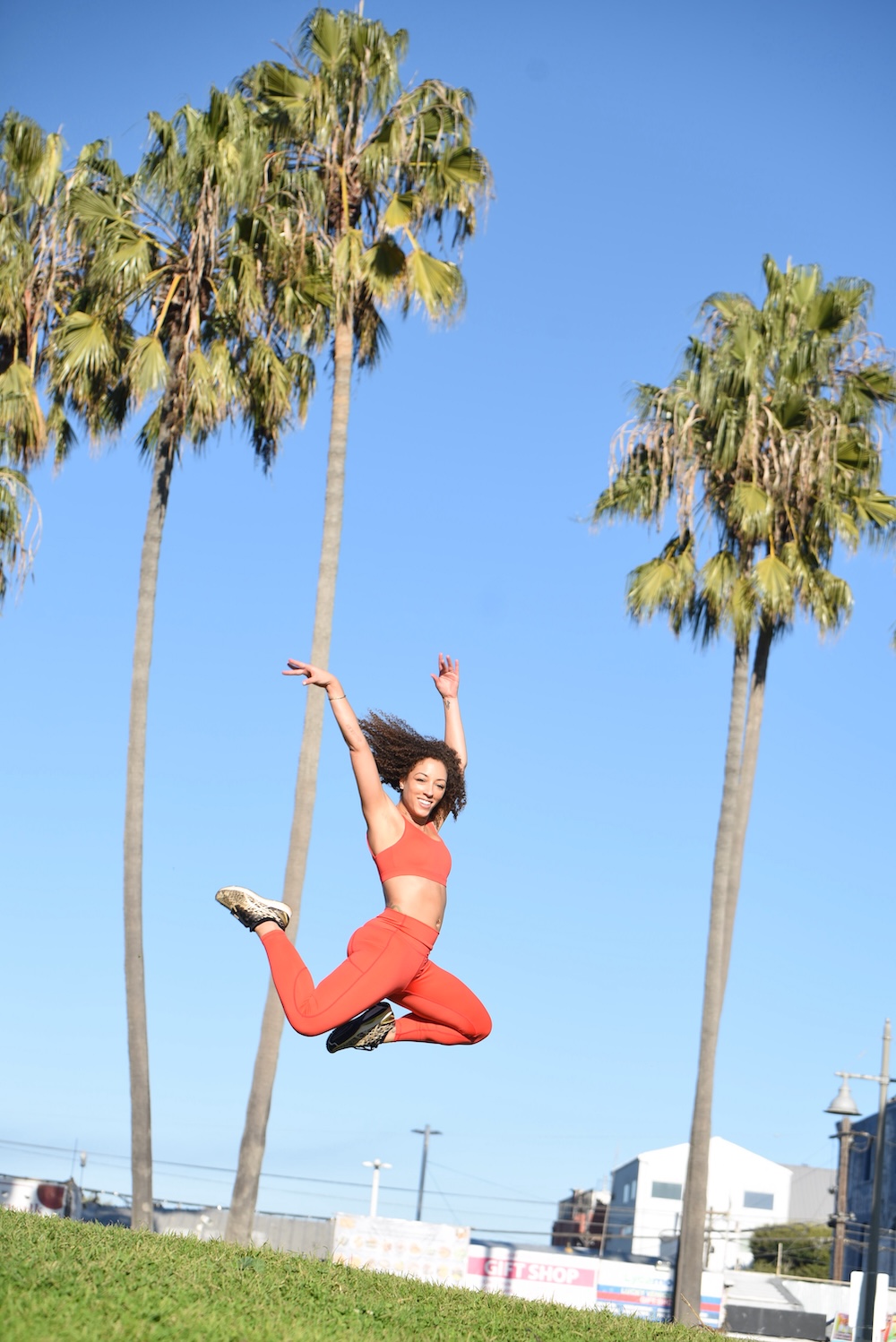
Teaching has such a wide umbrella of opportunities. How do you take advantage of all the possibilities out there?
“I teach dance fitness classes, called Dance Body. It’s a fitness format that is the best workout you can get in an hour, but everything I do is based around dance. Incorporating the fitness element into dance has made me a stronger dancer, and has also allowed me to really get to know the body better. When I was growing up as a dancer, you learn some things, but you don’t really learn how the body works, or how to take care of your body recovery. As you become an older dancer, you realize how important these things actually are, especially if you want to continue to do the things you’re doing at a high level. It’s a fun way to get a really good workout, but it also reiterates the importance of taking care of your body, building strength, taking care of your balance, your core, your ankle strength – all these things that I don’t feel like we pay attention to.”
Let’s talk about your non-profit, B Inspired D.A.N.C.E. Foundation (BIDF). As I understand it, you integrate dance with social-emotional learning. Can you explain at a little about the details of what you do and why?
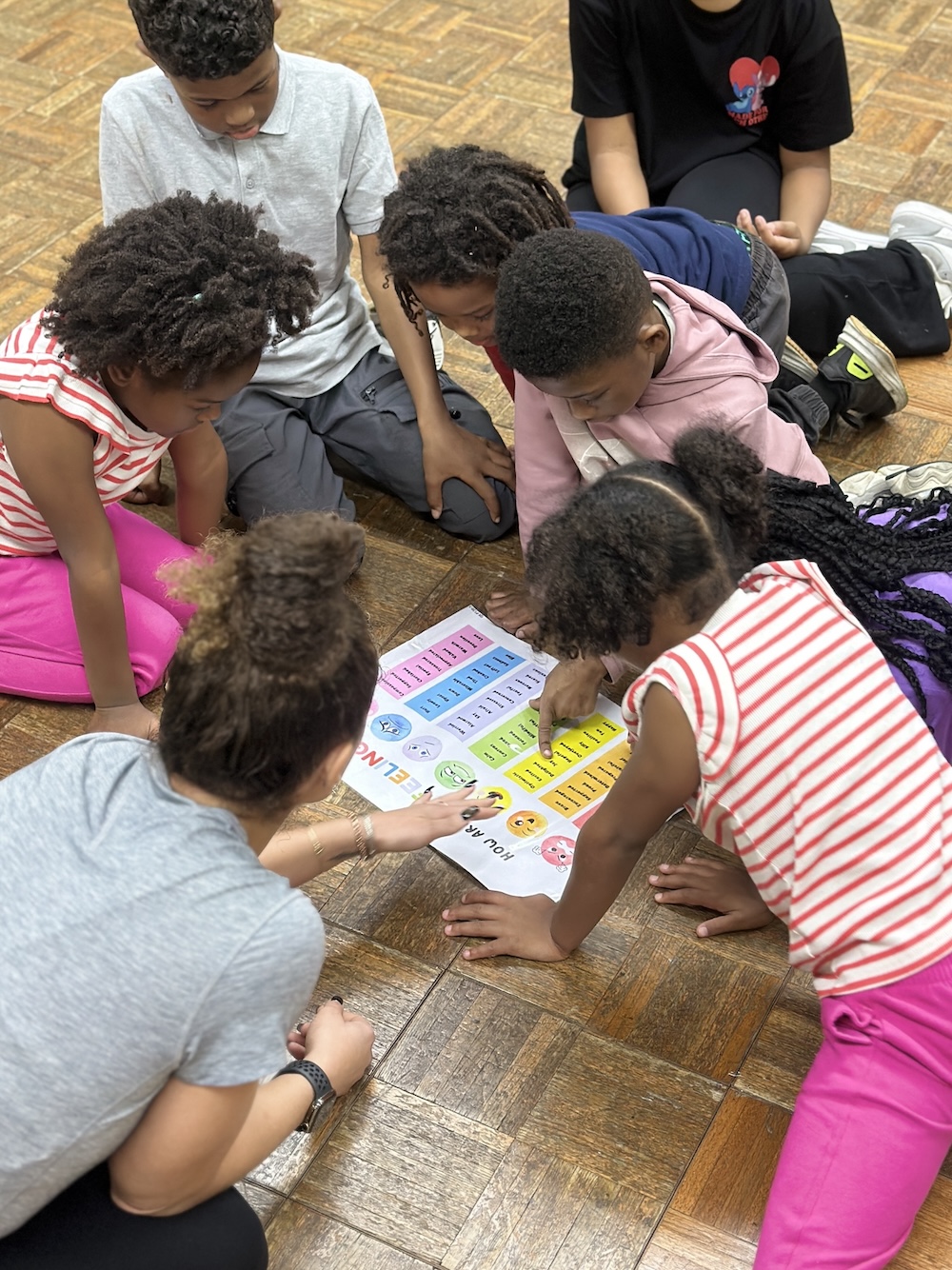
“I go into the schools in South L.A., which is an underserved inner city area, and teach dance classes. Sometimes it’s during the school day and they’re getting PE credit for it. Sometimes it’s an extracurricular thing. I teach either a hip hop, a tap or a ballet class. I use dance as a vehicle to teach discipline, confidence, how you’re presenting yourself and how to express yourself. I use dance to teach social emotional learning and character development. Here in L.A., there is not funding in the public school system for arts or physical sports. So, there’s just such a need for it. I really try to focus my efforts on the areas where these kids and families don’t have the resources to a travel to a dance studio, pay for classes, pay for shoes or pay for quality instruction.”
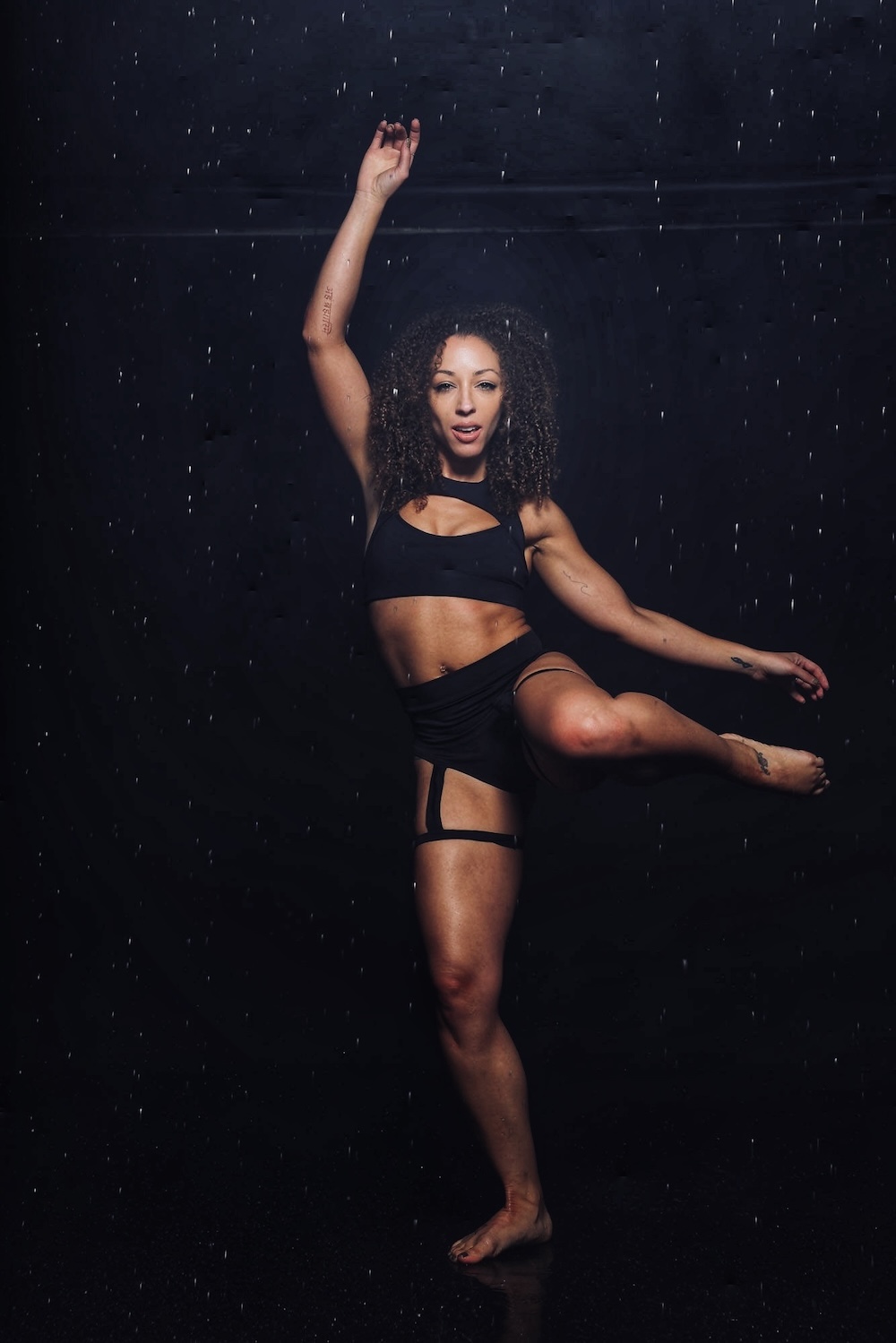
Serving lower resourced areas is a common effort of non-profits. But you specifically incorporate social-emotional learning into what you offer. What made you want to focus on that element of outreach?
“I did a lot of my own emotional regulation health through the pandemic. I learned I had been blocking so many things, because I didn’t know what to do with these emotions, from childhood, and from different things. Once I started to unpack them, it was just so opening, so freeing. Kind of not even knowing it, I was infusing this in all of my classes and my teaching, just working with these students. I got my master’s certification through Rutgers in social-emotional learning and character development. It went deeper into the science behind it, the research behind it, and I started to build my program around that. I wanted to be intentionally teaching social-emotional skills and helping students really be mindful of who they are, and who they’re presenting.”
It must be so helpful for both the students and teacher to have access to these skills, as they relate to dance, but also to life. Is there any advice you could share about how to be successful in dance, as it often takes us on many twists and turns as a career?
“Your current circumstances do not determine your destiny. If you have these dreams, and you’re not seeing a clear path – if something’s in your heart – you have to find your own way to do it. Just be persistent. If you believe there’s something you’re supposed to do, you love it, and you’re passionate about it…you have to keep going. What’s for you will find you. You have to stay persistent, believe in yourself, trust in yourself, and just keep working on your craft.”
For more information on Brooke Ivory, visit brookeivory.com. You can follow her on Instagram: @brookeivory and @brooke_dancebody. To learn more about B Inspired D.A.N.C.E. Foundation, head to binspireddancefoundation.org.
By Emily Sarkissian of Dance Informa.
The post Brooke Ivory: Integrating dance with social-emotional learning appeared first on Dance Informa Magazine.
Want to read more?
Check out the full article on the original site