U.S. Coast Guard Seeks Combat-Ready Tech To Neutralise Underwater Drones
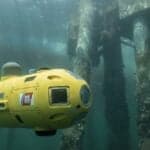


The U.S Coast Guard Research and Development Center is requesting information for commercially available tech to neutralise uncrewed underwater vehicles, to boost security at ports, vital waterways, military facilities and other maritime facilities.
The initiative is meant to choose effective technologies for testing and evaluation, and could lead to the selected companies showcasing their systems at a Coast Guard testing site.
Uncrewed underwater vehicles (UUVs) or underwater drones, as they are generally called, are becoming quite common in missions ranging from intelligence gathering to surveillance, to even illegal activities such as smuggling, sabotaging critical undersea infrastructure like sea lines of communication, and even carrying out direct attacks at naval facilities or ports.
Hence, the Coast Guard noted that it needs to identify and develop systems that can counter underwater drone attacks to ensure maritime safety and security.
Counter-UUV systems must have a Technology Readiness Level of 5 or higher. This shows that they have been tested under proper operational conditions rather than just in laboratories.
The Coast Guard wants to further build upon smart tech which incorporates AI and automation to defeat or disable such drones without risking the lives of the personnel or causing much damage to the nearby infrastructure.
Companies that have developed kinetic effectors, counter-UUV solutions, or other drone-disabling platforms are welcome to become a part of this initiative in helping the U.S secure its borders and naval assets.
They would have to demonstrate the working of the systems and also provide all the technical information about it, including the power needs, safety features, and the results from previous tests.
Additionally, companies must include in their submissions to the Centre the estimated delivery time, procurement expenses, maintenance costs and time period, and expected performance against specific systems.
The systems should be able to deliver what they promise and correctly identify the drone and neutralise it. Information on how the current system could be integrated or modified into the existing maritime defence systems is also required by the Coast Guard.
Once the tech is tested, it would be deployed in ports, busy commercial and military harbours, and coastal waterways along with the already existing maritime security infrastructure.
Want to read more?
Check out the full article on the original site