US Sanctions 8 Iran-Linked Tankers And 10 Entities Over Strait Of Hormuz Revenue Network
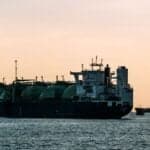


The United States on Wednesday imposed a new round of Iran-related sanctions, targeting eight tankers and 10 entities that it said were helping Iran generate revenue from ships transiting the Strait of Hormuz, one of the world’s most important oil shipping routes.
The sanctions, announced by the U.S. Treasury Department’s Office of Foreign Assets Control (OFAC), include two maritime firms, Persian Gulf Marine Insurance Co and HormuzSafe Marine Services Authority.
The Treasury said the companies played a key role in an Iranian scheme to collect digital assets and other revenue from ships through insurance policies linked to transit in the Strait of Hormuz. Six of the sanctioned entities are based in China.
Tensions between Washington and Tehran continue to rise. Earlier on Wednesday, U.S. President Donald Trump said the United States would respond strongly after the U.S. military intercepted multiple ballistic missiles launched by Iran toward American forces in the Middle East.
The United States and Saudi Arabia also carried out joint strikes against Iran-backed groups in Iraq on the same day.
According to the Treasury Department, several of the sanctioned entities were involved in an Islamic Revolutionary Guard Corps (IRGC)-backed scheme that required ships to buy mandatory maritime insurance to pass through the Strait of Hormuz.
The Treasury said the programme, called “Hormuz Safe”, was set up by Iran’s main insurance regulator to cover risks that it said were largely created by the Islamic Republic itself, including attacks on commercial ships. It added that the money raised through the programme was intended to fund the regime’s activities.
The Treasury also said Iranian financier Babak Morteza Zanjani promoted the Hormuz Safe programme on his social media platform. Zanjani was sanctioned earlier this year, while additional sanctions announced last week targeted individuals and entities linked to what the Treasury described as an Iranian financial evasion network run by him.
“With its economy in freefall and inflation in the triple digits, the regime is desperate for cash,” U.S. Treasury Secretary Scott Bessent said.
“The United States will not allow Iran to hold global commerce hostage or use international shipping to finance the IRGC’s terrorism, aggression, and repression,” he added.
The sanctions are part of the Trump administration’s effort to increase pressure on Iran by combining economic measures with military action.
“The Iran war demonstrates that this administration will use U.S. economic and military power in concert,” said Jess Hoversen, a former OFAC official who is now chief economist at digital platform bank Column.
She said OFAC has moved quickly to sanction maritime logistics networks, currency exchange infrastructure and procurement networks, while the U.S. military has stepped up its strikes.
“Treasury is moving at an operational tempo, and combining military strikes with targeted sanctions could be a template for future conflicts,” Hoversen said.
The Treasury Department said OFAC has sanctioned more than 100 vessels linked to Iran’s shadow fleet since the beginning of 2026. It said the fleet has been used to keep Iranian oil revenue flowing despite international sanctions.
References: Reuters, jpost
Want to read more?
Check out the full article on the original site