•1 min read•from Frontiers in Marine Science | New and Recent Articles
Climate warming drives multidimensional reorganization of global zooplankton community structure and function: an updated review
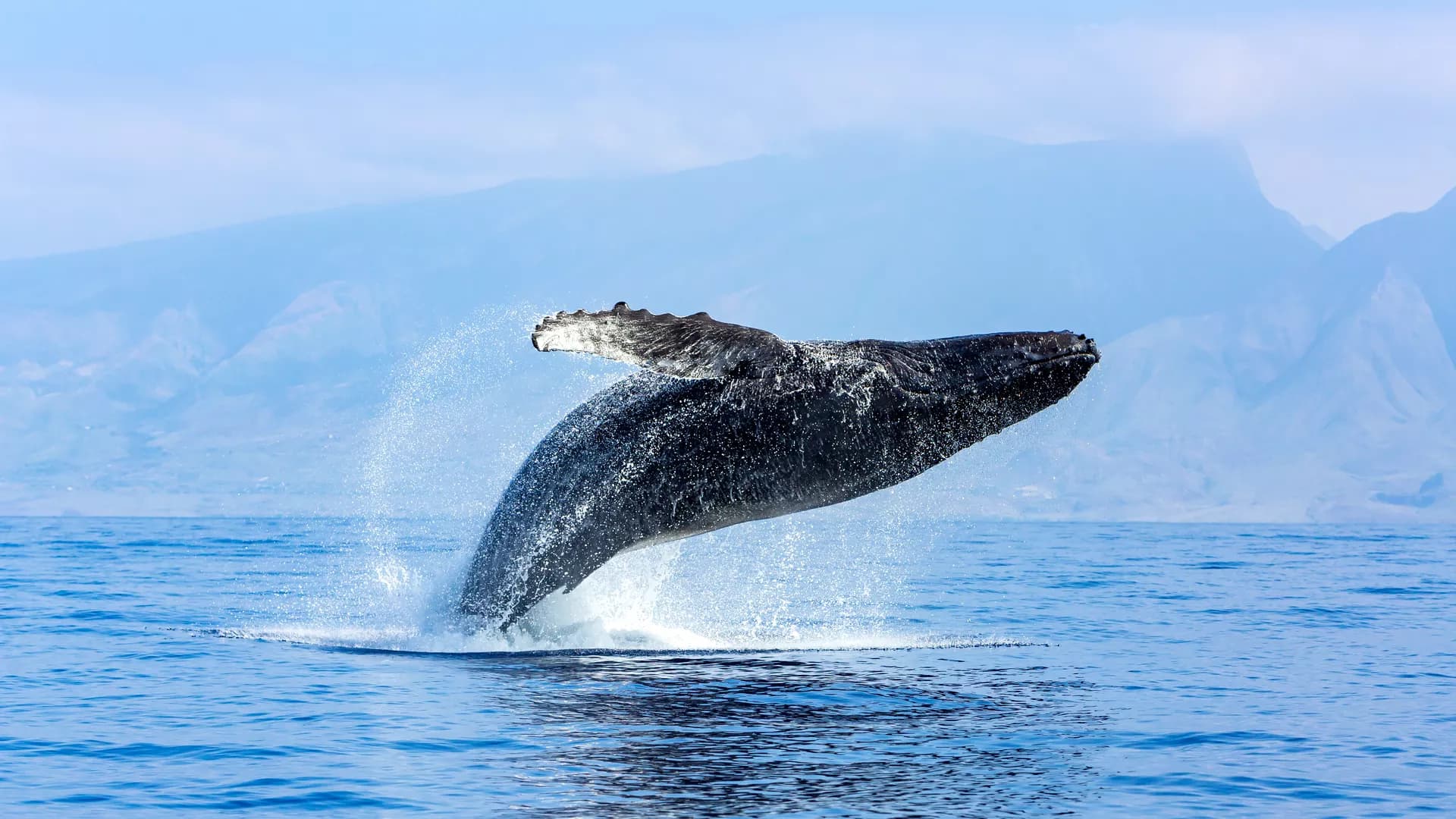
Climate change is reorganizing zooplankton habitats through ocean warming, intensified stratification, acidification, deoxygenation, sea-ice loss, and increasingly frequent marine heatwaves. These interacting drivers act as environmental filters on zooplankton traits, leading to changes in species distributions, community composition, body-size structure, phenology, life-history strategies, and vertical habitat use. The resulting functional responses extend beyond grazing and include shifts in secondary production, trophic transfer, nutrient regeneration, microbial-loop processing, fecal-pellet and carcass export, and migration-mediated active carbon transport. However, these responses are not uniform across taxa or regions. Microzooplankton, crustacean mesozooplankton, krill, salps, appendicularians, jellyfish, and ctenophores differ markedly in their thermal sensitivity, feeding strategies, prey-size preferences, particle production, and contributions to the biological carbon pump. Consequently, climate-driven community reorganization may strengthen, weaken, or redirect ecosystem processes rather than produce a single, predictable decline in grazing control or carbon-export efficiency. This review synthesizes current evidence within a driver-trait-structure-function-feedback framework, evaluates taxonomic and regional variability, and identifies major methodological and modelling uncertainties. Integrating long-term observations, trait-based analyses, multifactorial experiments, molecular monitoring, and process-based models will be essential for predicting how zooplankton reorganization affects marine food webs and biogeochemical cycling under continued climate change.
Want to read more?
Check out the full article on the original site
Tagged with
#climate monitoring
#zooplankton
#climate change
#ocean warming
#marine heatwaves
#stratification
#acidification
#deoxygenation
#sea-ice loss
#community structure
#community composition
#biological carbon pump
#trophic transfer
#fecal-pellet export
#nutrient regeneration
#microzooplankton
#krill
#salps
#trait-based analyses
#process-based models