The 7 Best Pumice Stones Are the Key to Sexy, Baby-Soft Feet—And They’re All Under $15
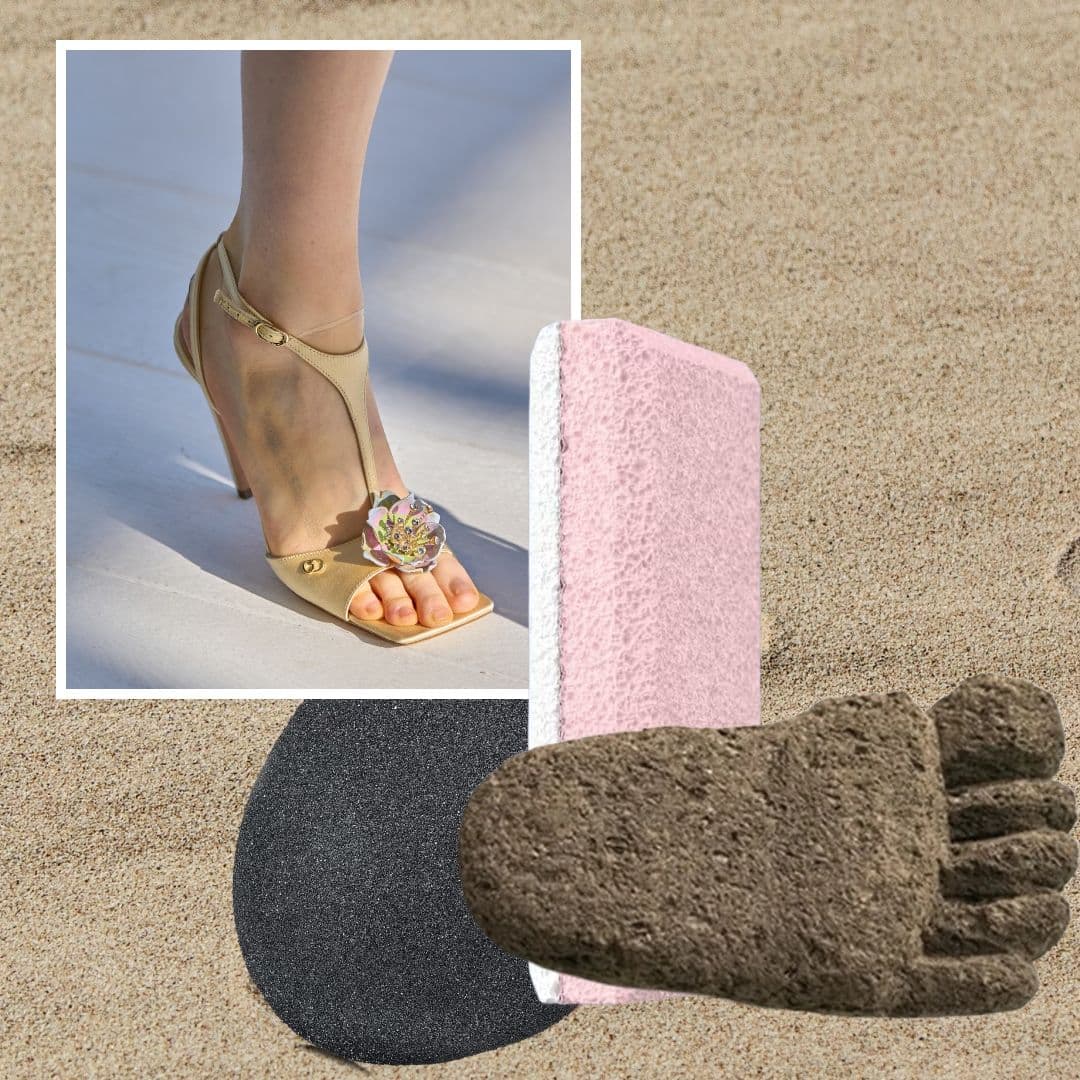
Did I think that being the Senior Beauty Editor at Marie Claire would involve me telling the Internet that I have maybe the grossest, roughest heels in existence? I can’t say that I did, and yet, I feel compelled to tell anyone with willing ears that I’ve finally come out on top in my battle with calluses and cracked feet. The biggest shock is that the key to the smoothest feet of my life is a product that's under $10. Using a pumice stone, a type of cooled volcanic rock, a few times a week has gotten rid of all the dead skin, rough texture, and flakiness that used to hang around on my heels.
I personally scooped one up from Amazon, but there are so many options on the market—some with more bells and whistles than others. The key is really just to find one that isn’t too intense. “Look for a fine-medium, even texture that feels comfortable in your hand so you can control the pressure,” says board-certified dermatologist Jenny Liu, MD. “Toss it if it breaks down and don’t use it on damaged skin.” Otherwise, a little scrub during your shower will make a huge difference. Consistency is really key when you’re striving for smooth feet, so commit to the bit for at least three weeks, and I promise you, gross feet will be a thing of the past. Not sure where to start? I’ve rounded up my favorite pumice stones for smooth summer feet, ahead.
The Best Pumice Stones
- The Best Pumice Stone for Elbows: Earth Therapeutics Soft Stone Exfoliating Foot Sponge
- The Best Dual-Ended Pumice Stone: ONYX Professional Play Footsie Double-Sided Pumice Stone
- The Best Pumice Stone Brush: Pursonic 4-in-1 Foot Scrubber
- The Best Pumice Stone for Calluses: Dermasuri Deep Exfoliating Foot Scrub Set
- The Best Pumice Stone for Sensitive Skin: JINsoon Foot Pumice Stone
- The Best Heel-Softening Pumice Stone: Sensica SensiSmooth Pedicure Kit
- The Best Electric Pumice Stone: Dr. Scholl’s Pedi Perfect Electric Callus Remover
The Best Pumice Stone for Elbows
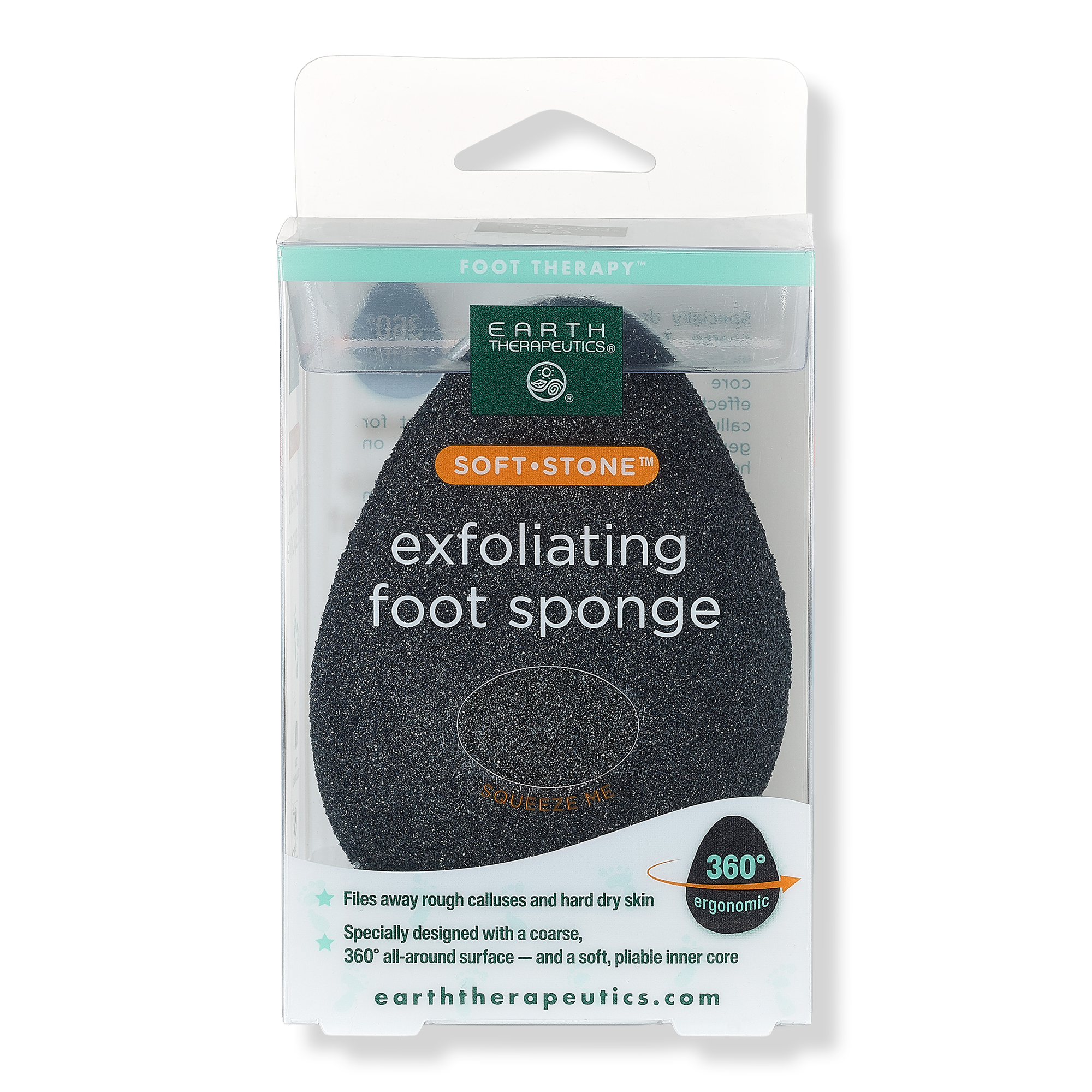
Even though most pumice stones are marketed for use on the feet, don’t forget that their main purpose is to exfoliate dead skin. Take this one for instance—it’s ideal for buffing out dead skin on the knees and elbows. The center area is softer than most pumice stone, especially once it’s soaked in water, so you can gently smooth out those key spots without irritation. I always make sure to load up on moisturizer afterward.
Review: “This is a Godsend that keeps me from having to get pedicures as often! It really works and is easy/painless to use.” — Ulta
The Best Dual-Ended Pumice Stone
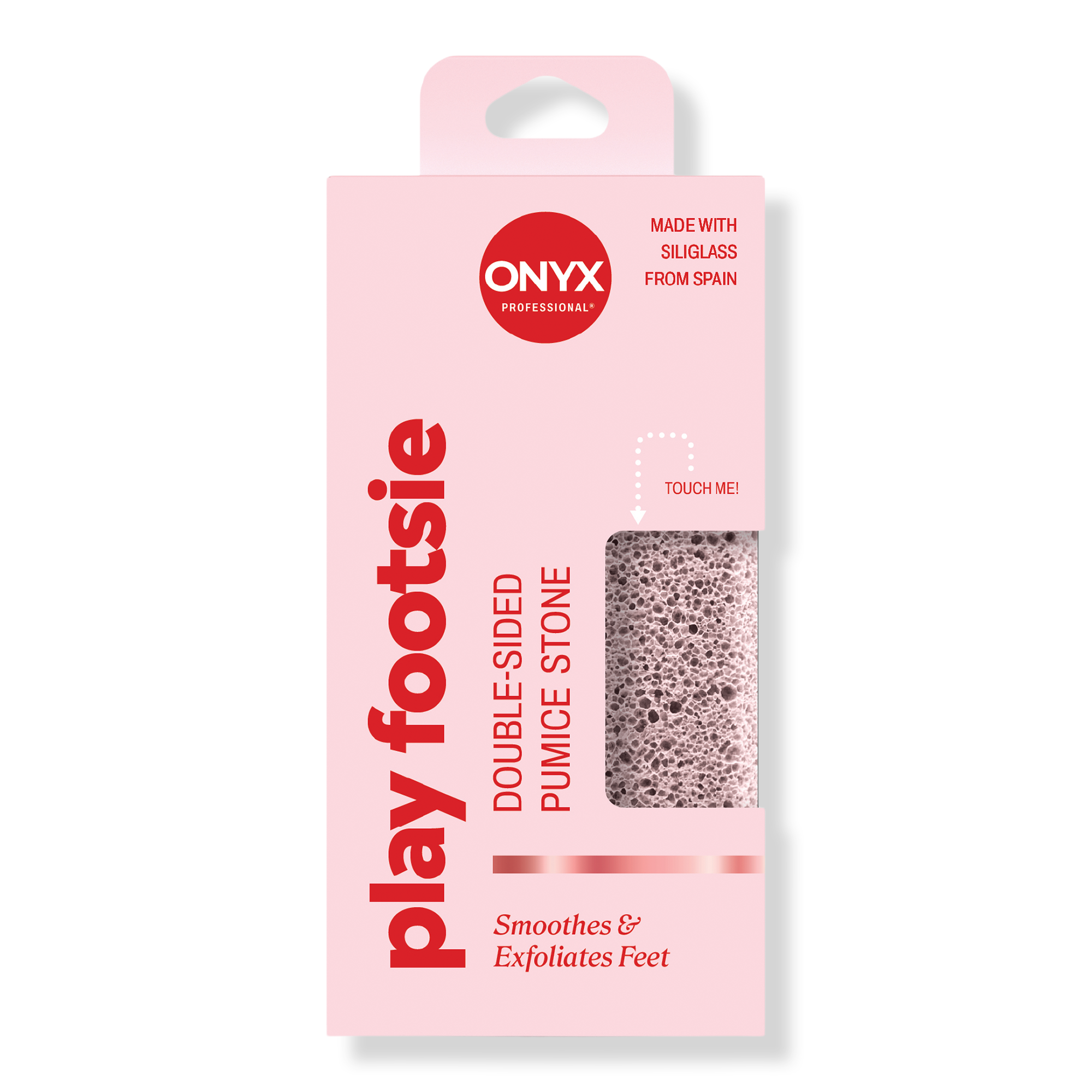
This guy isn’t actually from volcanic ash—it’s a compound called siliglass, which is made from recycled materials in Spain. It’s dual-ended, which is a huge pro. Not only are you able to get rid of those white cracks and dead skin buildup with the coarse side, but if you flip over the bar, the softer side acts as a polishing bar. This two-prong approach leaves my heels without that flaky feel—the skin is just soft and touchable.
Review: “Best pumice stone I have ever found! I have rough feet and calluses on the back of my heels and these help smooth my feet out and remove dead skin like a dream. These also last forever and are easy to clean.” — Amazon
The Best Pumice Stone Brush
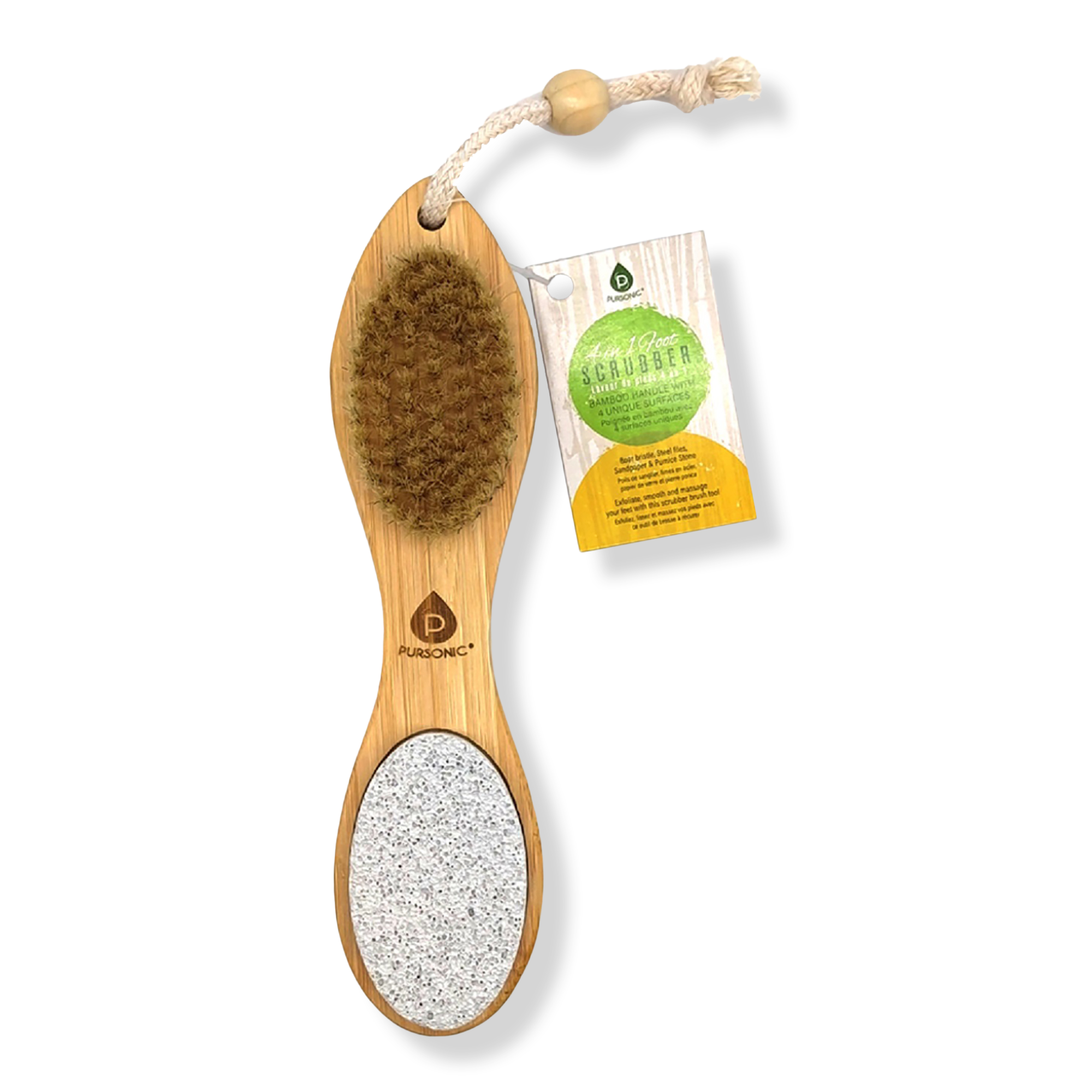
This baby might be on the more expensive side (I mean, it’s still under $20, but it’s all relative), but there’s a reason. This single brush features four different materials, each serving a very specific purpose for achieving the Softest Feet Ever. There’s a boar-bristle brush that cleans and exfoliates; a steel file that’s perfect for wearing down hardened calluses; a pumice stone to get rid of dead skin; and a sandpaper pad to lock in the smoothness.
Review: “I’ll be honest: this is a bit of a commitment. But if I’m giving myself an at-home pedicure, it’s the first thing I’m reaching for. The brush’s handle fits really well in my hand, so I can have a firm grip when buffing my heels. It’s narrow enough that I can also get the balls of my feet and the side of my big toe without grinding away at my toenails.” — Samantha Holender, Senior Beauty Editor
The Best Pumice Stone for Calluses
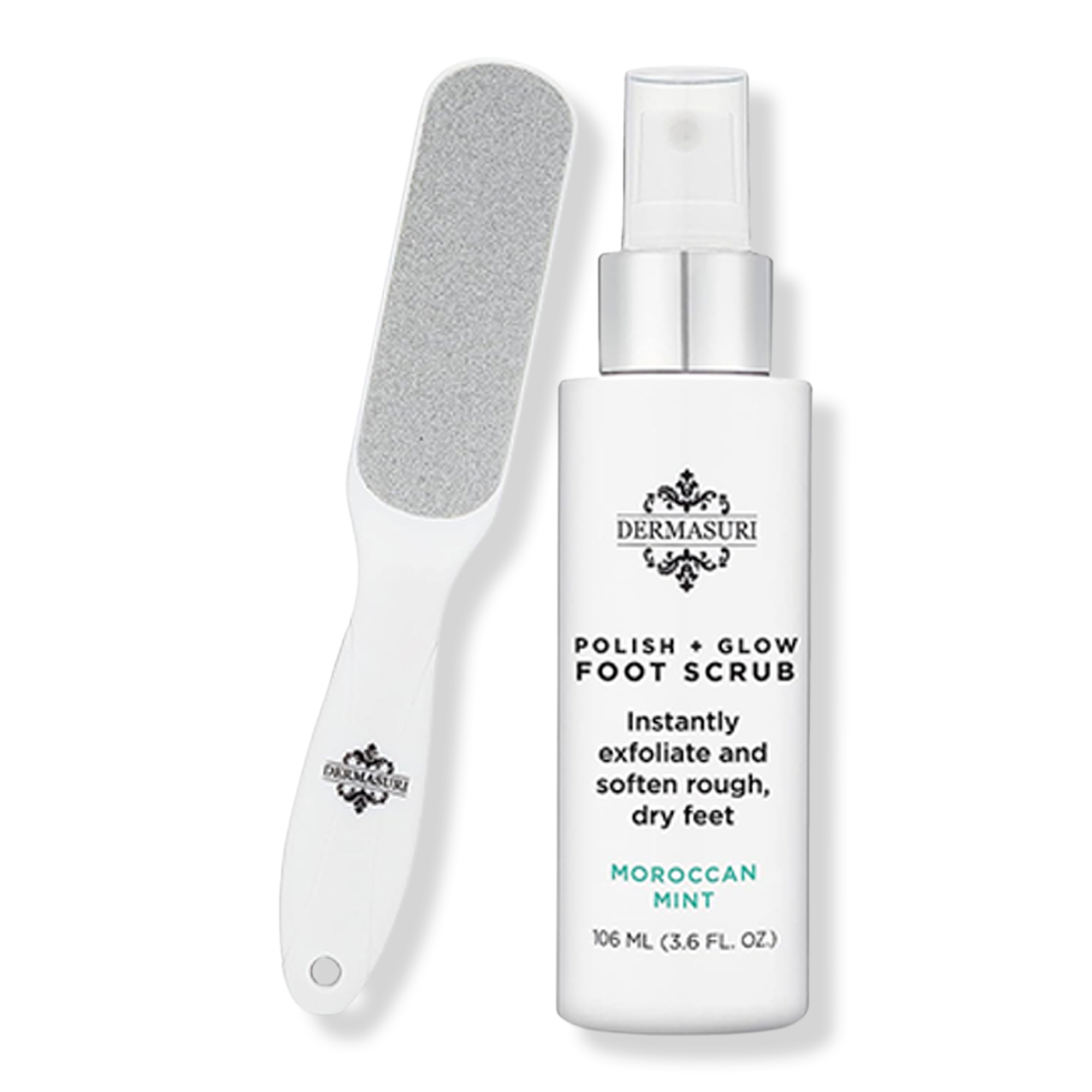
There have been many times when I go to put my sandals on and realize my feet look less than presentable. When I’m in a pinch and don’t have time to soak my feet in a bath, this spray comes in handy. The spray works similarly to a foot peel; it’s packed with acids to prime the foot for exfoliation in just three minutes. The dry, dead skin genuinely just rolls off.
Review: “Amazingly effective product! I've tried numerous callus removers, but this Dermasuri kit takes the cake. The spray-on formula softened my stubborn calluses, making them easy to file away with the included rasp. My feet feel baby-soft now.” — Ulta
The Best Pumice Stone for Sensitive Skin
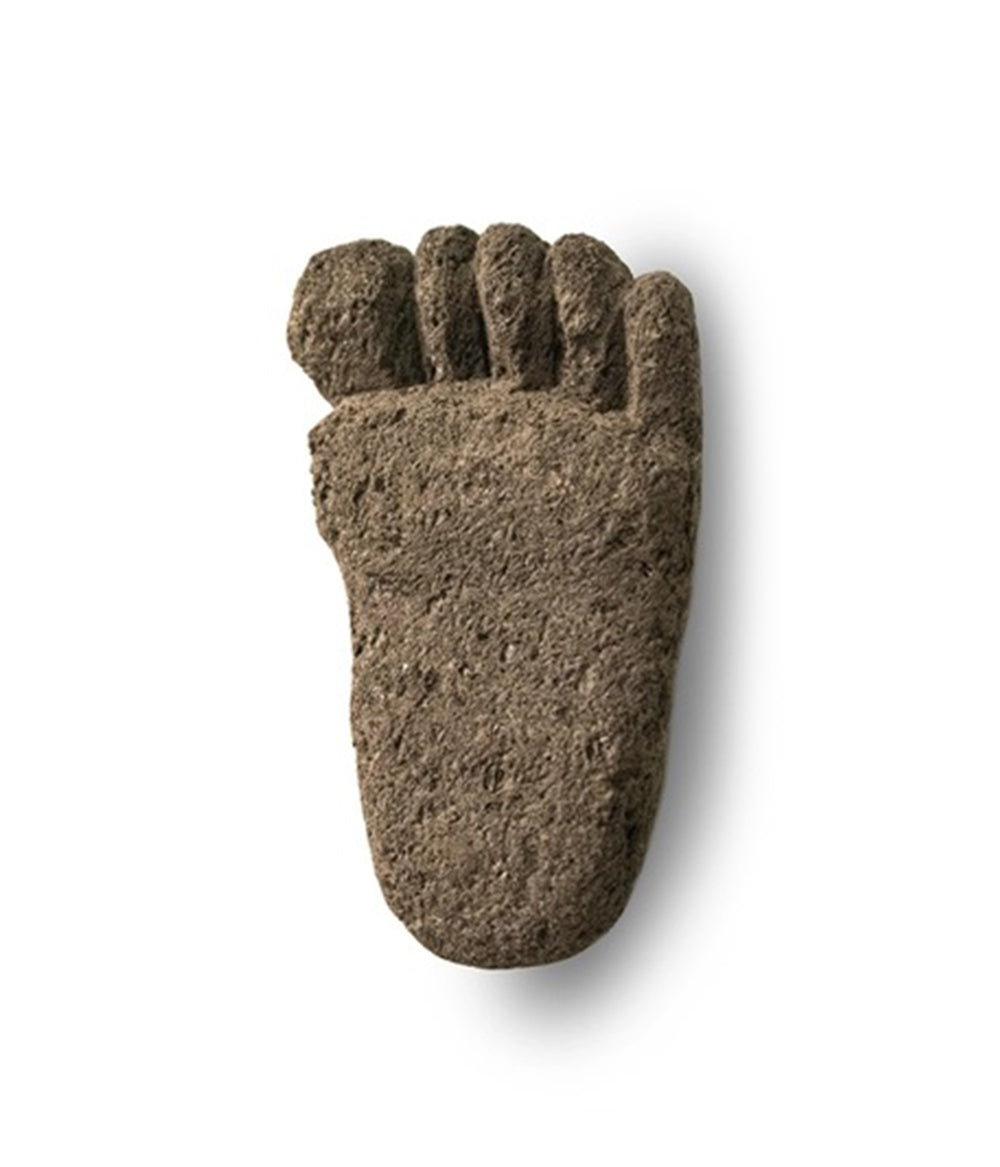
I’m sorry, but have you ever seen anything cuter?! Candidly, I wouldn’t expect anything less than a foot-shaped foot scrubber from JINsoon, and I’ll be the first to say that the cheeky branding is working on me. This pumice is softer and more dome-shaped than most, which makes it the ideal curve for getting the back edge of my heel.
Review: “Ok, hear me out: the toes on this aren’t all show—they’re actually the best exfoliating tool for small spots. I slide them right along the tips of my toes to get rid of any flakes. ” — Samantha Holender, Senior Beauty Editor
The Best Heal Softening Pumice Stone
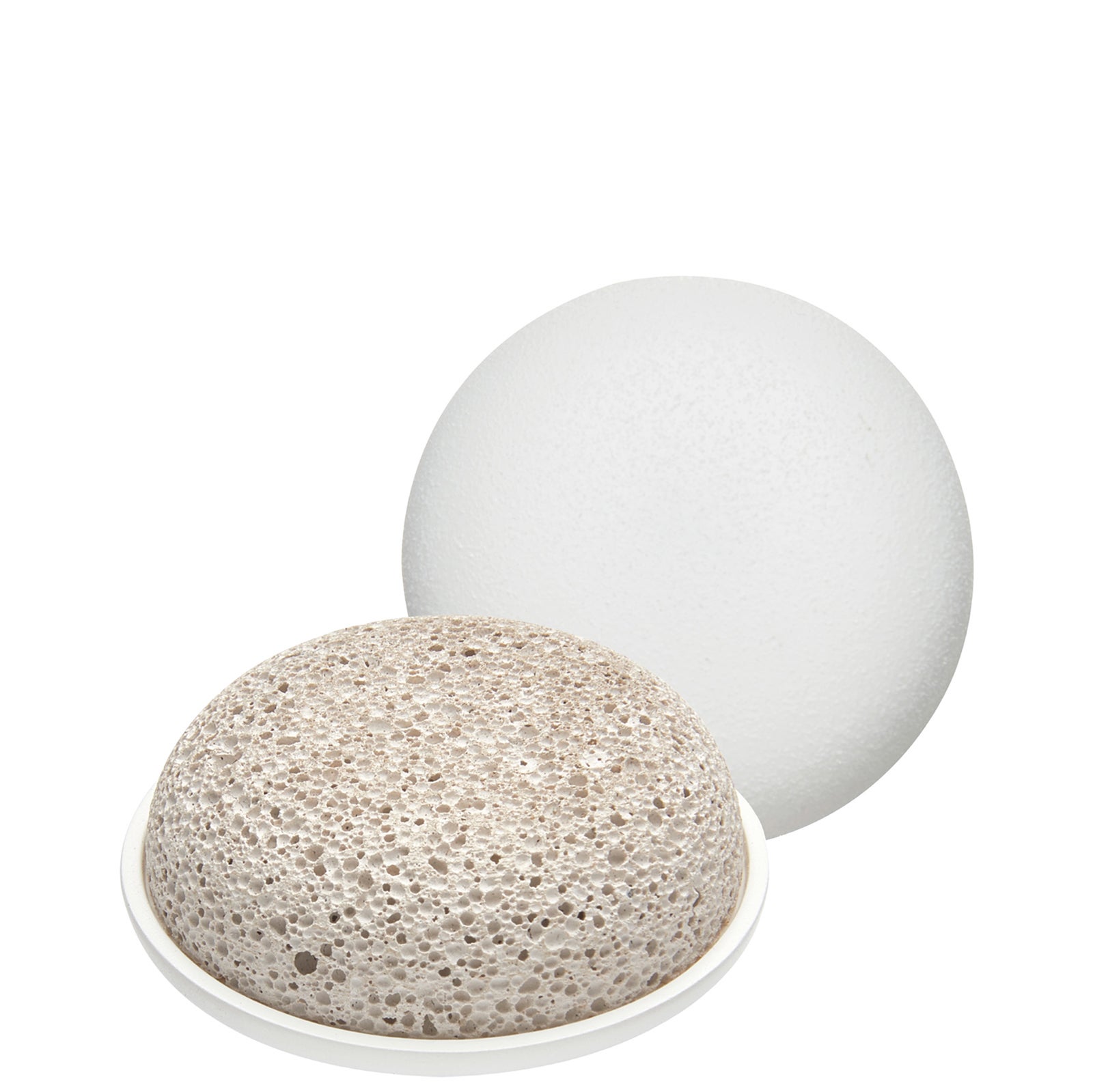
This is just an attachment—you’ll need the Sensica Sensismooth Device, too. But once you snap this guy on the head, your feet are in for a treat. Unlike most pumice stones, you want to actually use this one on dry feet. The device powers on with gentle vibrations, so you don’t have to do a ton of work—just glide it over rough spots—and they’ll be softened in seconds.
Review: “This whole shebang is definitely an investment, but if you take your heel care seriously, it’s a worthwhile one. The device also comes along with a facial cleansing attachment and a body buffing attachment, so you’re really getting three tools in one.” — Samantha Holender, Senior Beauty Editor
The Best Electric Callus Remover
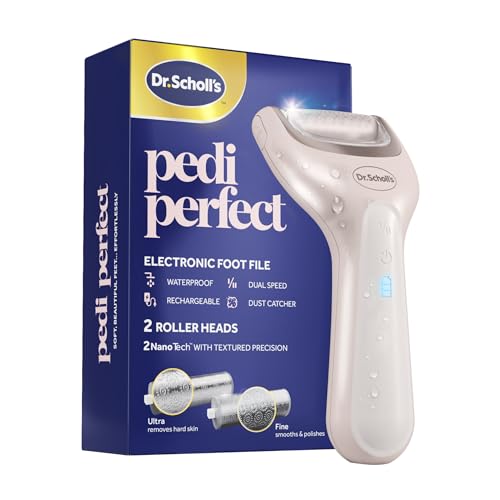
I spent the majority of high school sneaking into my mom’s bathroom to steal this exact tool—it’s an oldy but a goody. Within a minute, all of the white cracks on my heel are nonexistent. Just a PSA: it turns your dead skin into a fine powder and makes a bit of a mess, so use it over a trash can. Thank me later.
Review: “I used this for toe callus removal and it worked great! Easy to use, arrived with a charge so was able to use right away. The old skin was pedicured as if going to the salon but better for the price and convenience of doing it at home. I found it effective. No pain using it and comfortable.” — Amazon
Why Are My Heels More Cracked in the Summer?
If your heels are looking (and feeling) a little extra rough this summer, you’re not alone. “The fact that we tend to spend more time barefoot or in open-backed shoes like sandals and flip-flops is the cause. Without support around the heel, the heel pad can spread outward slightly with each step, placing more pressure on the skin around the rim of the heel,” says Dr. Liu. “There’s more dryness too from repeated friction, and that can cause that skin to become thicker and more callused.”
How Often Should I Use a Pumice Stone?
Don’t overdo it—using a pumice stone two to three times weekly is plenty. “Too much can damage skin that’s been pre-soaked,” says Dr. Lui. As a rule of thumb, use a pumice stone toward the end of your shower or bath, so your skin feels softer and is primed for exfoliation.
Why Trust Marie Claire
For more than 30 years, Marie Claire has been an internationally recognized destination for news, fashion and beauty trends, investigative packages, and more. When it comes to the products Marie Claire recommends, we take your faith in us seriously. Every product that we feature comes personally recommended by a Marie Claire writer or editor, or by an expert we’ve spoken to firsthand.
Meet the Expert
Want to read more?
Check out the full article on the original site