Ukraine Halts Attacks On Oil Tankers & Infrastructure On Black Sea Coast After U.S Intervention
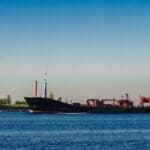


Ukraine will not attack non-Russian oil tankers and critical maritime infrastructure, including oil pipelines vital for Kazakhastan’s oil exports in the Black Sea, after U.S intervention.
The agreement mediated by the U.S comes after repeated drone attacks by Ukraine close to the Caspian Pipeline Consortium (CPC) terminal in Novorossiysk, Russia, led to the suspension of oil loadings on tankers, disrupting energy markets.
However, after talks with the U.S, Ukrainian authorities will not be targeting the CPC infrastructure and non-Russian ships sailing to the terminal to load cargo.
According to the deal, protected ships must not come under Ukrainian sanctions, should not carry Russian oil and should not be owned by Russian companies or individuals.
To uphold this deal, Ukraine has established contact points to obtain information from commercial carriers about their cargo, ownership, etc., to enable their safe passage.
U.S mediated after the administration got a strong push from the U.S oil industry. In the last week of July, the Trump administration warned Kyiv to stop attacks on non-Russian shipping after Chevron CEO Mike Wirth met senior U.S officials.
The meeting was fixed after a Ukrainian attack damaged 4 tankers close to the Port of
Novorossiysk, one of which was chartered by Chevron.
The American Energy Company holds a 15% stake in the Caspian Consortium Pipeline, which transports crude oil from Kazakhstan to the Black Sea, and a 50% interest in Kazakhstan’s Tengiz oil field.
Ukrainian attacks, which intensified in July, near the Novorossiysk Terminal not only prevented exports but also led to Kazakhstan reducing production given the limited storage capacity, as the CPC handles around 2% of the world’s daily crude oil supply.
U.S views that safeguarding this route is important since oil prices across the world have surged past $100 per barrel, due to the Strait of Hormuz disruptions and the conflict with Iran, which has closed vital maritime routes crucial for global energy supplies.
The increasing fuel prices have also become an issue for the U.S Government ahead of the November midterm elections.
Though operations have resumed at the terminal, the volumes remain below normal levels. Russian authorities regularly suspend operations at the port when any attack warnings are issued in the area, which leads to further delays.
Want to read more?
Check out the full article on the original site