US Sells 2 Sanctioned Oil Tankers Seized In Venezuelan Operation For Scrap In India
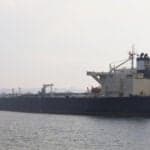


The U.S. government has sold two sanctioned oil tankers seized after its military action in Venezuela for scrap, with both vessels set to be broken up at shipyards in India, Lloyd’s List reported on Monday.
Dubai-based ship recycling company Global Marketing Systems (GMS) bought the two tankers in July for an undisclosed amount, the report said.
The vessels are the Era, which previously sailed as Marinera and Bella 1, and the Lileo, formerly known as Galileo and Veronica.
“The U.S. government has sold them to us and there was a court order authorizing the sales, but there are complexities, not least the fact that we weren’t really sure who previously owned them,” GMS Chief Executive Anil Sharma told Lloyd’s List.
GMS did not immediately respond to a request for comment.
The Russian-flagged Era was seized by the U.S. Coast Guard and military special forces in January in waters south of Iceland after a weeks-long pursuit across the Atlantic.
Before it was seized, the tanker had passed through a U.S. blockade in the Caribbean that was aimed at stopping oil exports from Venezuela.
Washington said the Era had been used to carry sanctioned oil from Venezuela and Iran.
The United States also seized the Russian-flagged tanker now known as Lileo in the Caribbean Sea in January. The vessel was under U.S. sanctions targeting Russia.
The U.S. seized as many as 10 oil tankers following its military action in Venezuela. Sanctioned vessels often change their names to make them harder to track.
The sale of Era and Lileo means both vessels will now be sent for recycling rather than continue operating as oil tankers.
GMS has bought the ships, but the company said there were difficulties in establishing their previous ownership. A court order allowed the U.S. government to sell the vessels.
Both tankers will be demolished at scrap yards in India. The purchase price was not disclosed.
Shadow fleet tankers
Shadow fleet tankers are vessels used to transport oil or other cargo while trying to avoid sanctions, trade restrictions or closer scrutiny.
They may use different names or flags, change ownership, switch registration details or use other methods to make their movements and identities harder to track.
These ships are often linked to sanctioned oil trades and can operate outside the usual networks used by major shipping companies and insurers.
References: Reuters, Telegraph India
Want to read more?
Check out the full article on the original site