India’s First Automated Mooring System Set For Installation At Mumbai’s Jawaharlal Nehru Port
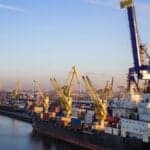


Swedish engineering group Cavotec has been selected to install India’s first-ever Automated Mooring System (AMS) at Gateway Terminals India (GTI), a major container terminal at the Jawaharlal Nehru Port Authority (JNPA) in Navi Mumbai.
The pilot project was initiated by the Port Authority, and it will use Cavotec’s ‘MoorMaster’ Technology to replace the traditional, heavy mooring ropes with automated vacuum pads.
The automated system will be able to secure and release massive ships in just seconds by pressing a button and represents an upgrade from older docking processes. It will also enhance the security of workers and boost operational efficiency, the port officials said.
With the new system in operation, dockworkers would not need to handle dangerous mooring lines, and workplace risks will be reduced.
Additionally, the automated process will also cut down vessel turnaround times and allow ships to dock and depart more quickly. This upgrade was much needed for Gateway Terminals India, which operates with a quay which is 712 m long.
By reducing the needed safety gap between docked ships from 25 m to 15 m due to the new automated mooring system, the terminal can welcome 368 m long mega ships along with the normal 300 m long vessels simultaneously.
Despite the limited space available, the terminal handles massive cargo volumes, around 2.18 million TEUs annually and aims to reach 3 million TEUs.
The port cannot extend its waterfront and so, GTI, which is owned by APM Terminals and the Container Corporation of India (CONCOR), is turning to other methods to boost efficiency.
The automated system would reduce atleast an hour from every vessel’s berthing and unberthing process.
Given that the port sees more than 500 ships each year, the terminal would recover around 500 hours of operational time, equal to an extra 21 working days.
The system also has special features that make the mooring process easy and smooth. It has automated surge control and remote micro-shifting, which enables the operator to adjust the ship’s position by up to 6 m along the quay without needing pilot tugboats.
The system will also reduce harmful berthing emissions by 90% by minimising engine idling and doing away with the tugboats.
According to sources, the system will enter into operation by the end of 2027 and will be first tested on one berth and then will be extended to the second berth.
Want to read more?
Check out the full article on the original site