Germany, Norway And Canada Expand Type 212CD Submarine Cooperation For Arctic Operations
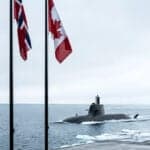


Germany, Norway and Canada have started joint planning for the Type 212CD submarine programme, moving ahead with plans for closer naval cooperation in the Arctic, North Atlantic and Baltic regions.
Officials from the three countries met representatives of TKMS, Kongsberg and Multiconsult in Kiel for a four-day meeting at the end of July.
They discussed the next stages of the programme, how the countries will work together and preparations for negotiations to formalise the partnership.
The meeting was the first joint planning session involving all three countries under the 212CD programme. It came three weeks after TKMS was selected as Preferred Supplier for Canada’s Canadian Patrol Submarine Project.
If formalised, the arrangement would expand the existing bilateral programme into a three-country NATO cooperation involving Germany, Norway and Canada.
Canada joins Type 212CD planning
The countries are now working on ways for their navies, defence procurement organisations and industries to cooperate as the programme moves forward.
The planned partnership could allow the countries to share training, maintenance, logistics, spare-parts procurement and future upgrades throughout the submarines’ service lives.
TKMS said the cooperation is also intended to improve naval interoperability and create efficiencies between the participating countries.
“The selection of TKMS as Preferred Supplier for the Canadian Patrol Submarine Project is a significant milestone,” said Thomas Keupp, Chief Sales Officer of TKMS.
“With the first trilateral planning event, we are jointly laying the foundation for a trusting and cooperative partnership with Germany, Norway and Canada,” he said.
Negotiations to formalise the cooperation are expected to take place alongside further planning in the coming weeks.
Type 212CD submarine capabilities
The Type 212CD is a next-generation diesel-electric attack submarine designed to operate in the Baltic Sea, North Atlantic and Arctic.
It can carry out missions including anti-submarine warfare, anti-surface operations, intelligence gathering, special operations support and sea denial.
The submarine is about 240 feet long and has a submerged displacement of around 2,800 tons. It can reportedly remain on missions for up to 41 days, depending on how it is operated.
It uses a hydrogen fuel-cell air-independent propulsion system, allowing it to stay underwater for longer periods while producing little noise.
The system reduces the need for the submarine to snorkel, making it harder to detect during extended surveillance and intelligence missions.
Its angular, diamond-shaped outer hull is designed to reduce its radar signature when surfaced or operating near periscope depth.
Sensors and combat system
The Type 212CD has an integrated sensor suite that includes sonar arrays, optronic masts and electronic support measures.
The sensors are connected to the ORCCA combat management system, which provides crews with a combined tactical picture and supports coordination with other NATO naval forces.
Focus on northern waters
A common submarine programme could help the three navies coordinate patrols, share operational experience and support each other more efficiently.
It could also make joint exercises and multinational deployments easier to organise.
“The 212CD program combines cutting-edge technology with a shared security vision and will sustainably strengthen maritime cooperation within NATO,” Keupp said.
TKMS said the initiative would improve naval interoperability and strengthen maritime security.
The three countries and TKMS will continue planning over the coming weeks as they prepare for the next stages of the programme.
References: interestingengineering, Defence Industry EU
Want to read more?
Check out the full article on the original site