•2 min read•from Frontiers in Marine Science | New and Recent Articles
Perceived past and future changes in marine environments: community perspectives from coastal Vietnam
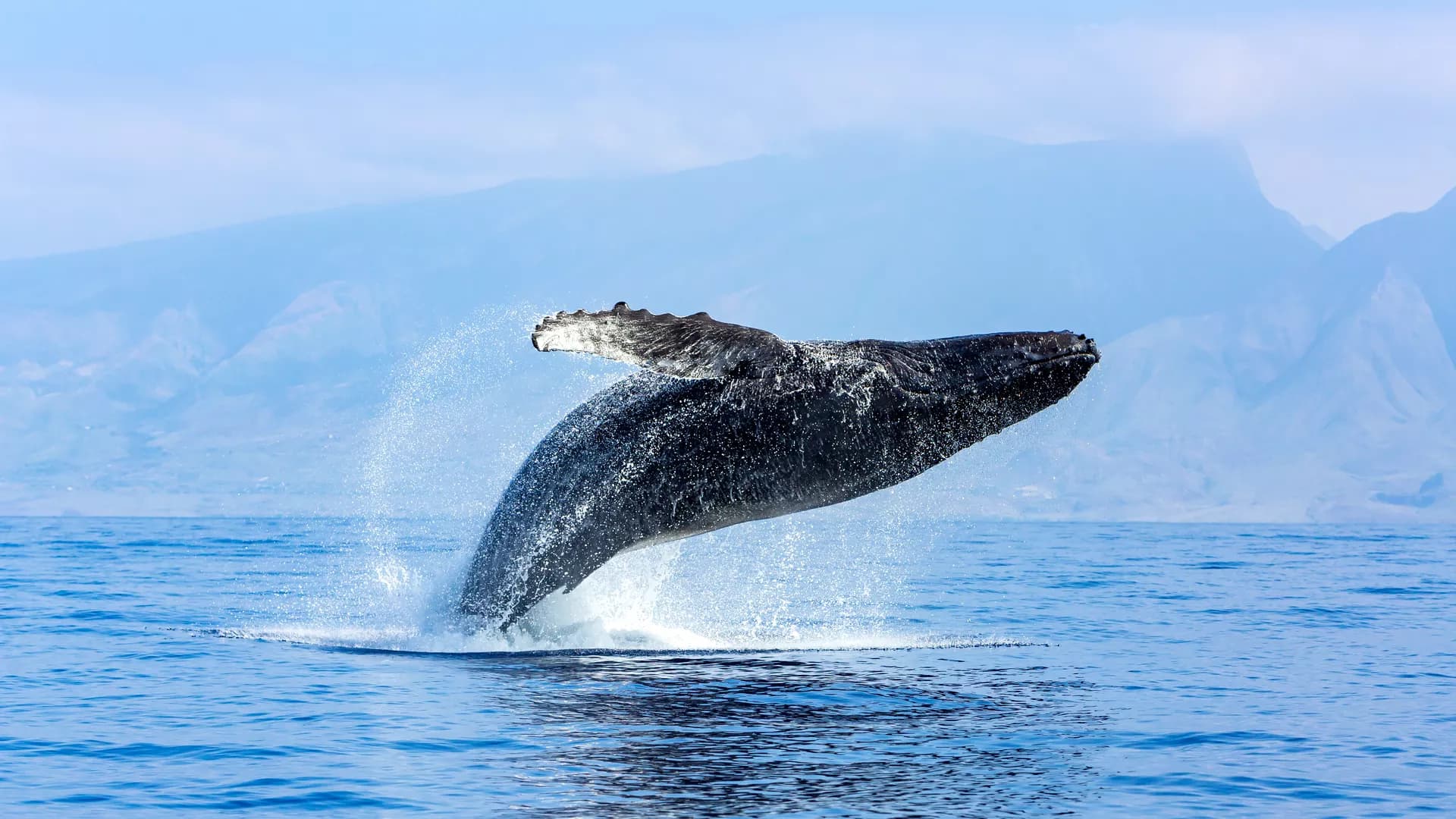
IntroductionUnderstanding how coastal communities perceive environmental change is critical for designing effective and locally supported marine management strategies. This study examined perceptions of environmental changes over the past 10 years and expectations for the next 10 years among coastal residents of the Cù Lao Chàm–Hội An Biosphere Reserve in central Vietnam.MethodsFace-to-face surveys were conducted with 252 adult residents from mainland and island communities. Participants assessed past and expected future changes in different aspects of the marine environment. Principal component analysis was used to identify the main dimensions underlying these perceptions, followed by confirmatory factor analysis to assess model fit. One-sample t-tests and repeated-measures analyses of variance were conducted to examine perceived changes over time and differences between mainland and island communities.ResultsFour dimensions of perceived marine environmental change were identified: marine resources, seawater quality, aquaculture, and marine habitats. The four-factor model showed acceptable fit. Respondents perceived significant declines in marine resources and aquaculture over the previous decade and expected these declines to continue. Seawater quality was perceived to have deteriorated slightly, with no clear improvement expected in the future. In contrast, marine habitats were perceived to have improved and were expected to continue improving. Perceptions differed significantly between mainland and island residents, particularly regarding seawater quality and marine habitats.DiscussionCommunity perceptions of marine environmental change were structured, place-specific, and broadly consistent across past and future timeframes. Differences between mainland and island communities suggest that spatial context, livelihood dependence, and direct interactions with marine environments shape how environmental change is experienced and anticipated. Integrating community perceptions with ecological evidence may improve alignment between conservation measures and local expectations, thereby supporting more adaptive, effective, and socially accepted marine governance.
Want to read more?
Check out the full article on the original site
Tagged with
#Marine Environment
#Coastal Communities
#Environmental Change
#Marine Management
#Vietnam
#Cù Lao Chàm–Hội An Biosphere Reserve
#Marine Resources
#Seawater Quality
#Aquaculture
#Marine Habitats
#Perceptions
#Surveys
#Principal Component Analysis
#Confirmatory Factor Analysis
#Time Series Analysis
#Mainland vs Island
#Conservation
#Marine Governance
#Livelihood Dependence
#Spatial Context