•2 min read•from Frontiers in Marine Science | New and Recent Articles
Feeding frenzies of baleen whales along East Greenland
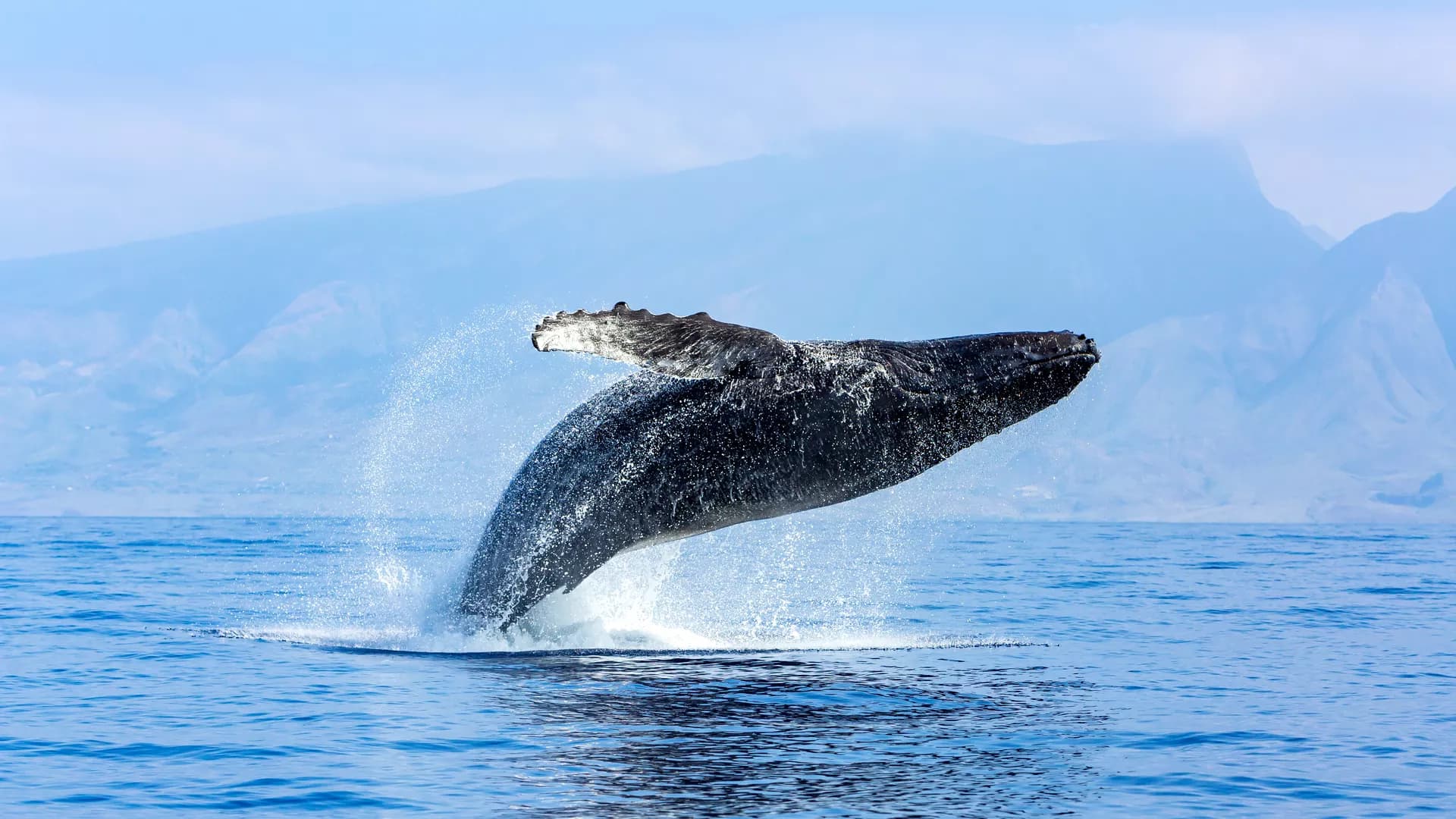
Over the past two decades, changes in sea temperature and sea-ice conditions have driven profound ecological shifts along the coast of East Greenland. One of the most conspicuous developments has been the recent and widespread occurrence of boreal baleen whale species in coastal waters. Fin whales, humpback whales, and minke whales now regularly feed along the East Greenland coast, at least as far north as 70°N and likely beyond, whereas historically, these species were only rarely observed in the region. Systematic surveys conducted in 2015 and 2024 indicate regional abundances of approximately 4,000 humpback whales, 6,000 fin whales, and 4,500 minke whales in the region. Capelin have been identified in stomach contents of minke whales from East Greenland, and both fin whales and humpback whales are likely to feed on capelin and krill in the region. The combined prey consumption of these baleen whales during their approximately four-month seasonal residency in East Greenland is estimated at about approximately 1 million tonnes annually, a substantial proportion of which may consist of capelin and krill. At the same time, recent observations suggest a summer redistribution of capelin from Icelandic waters toward East Greenland, consistent with rising sea temperatures around Iceland and along the East Greenland shelf. Oceanographic records show a clear change point in East Greenland sea surface temperatures in the late 1990s, followed by an average increase during the summer months of approximately 1 °C. The summer sea-ice regime shifted markedly after 2000, reducing the extent of pack ice along the coast. Together, these physical changes have facilitated access of boreal baleen whales to coastal East Greenland waters and may have enabled exploitation of newly established capelin resources. These developments indicate a rapid borealization of the East Greenland marine ecosystem, with potentially major implications for pelagic food webs and predator–prey dynamics in the region.
Want to read more?
Check out the full article on the original site
Tagged with
#baleen whales
#East Greenland
#sea temperature
#sea-ice
#ecological shifts
#fin whales
#humpback whales
#minke whales
#capelin
#krill
#borealization
#pelagic food webs
#predator-prey dynamics
#oceanographic records
#sea surface temperatures
#pack ice
#Icelandic waters
#boreal species
#marine ecosystem
#seasonal residency