•2 min read•from Frontiers in Marine Science | New and Recent Articles
Advancing knowledge on biodiversity-driven ecological connectivity at sea and across the land–sea interface: challenges and future directions
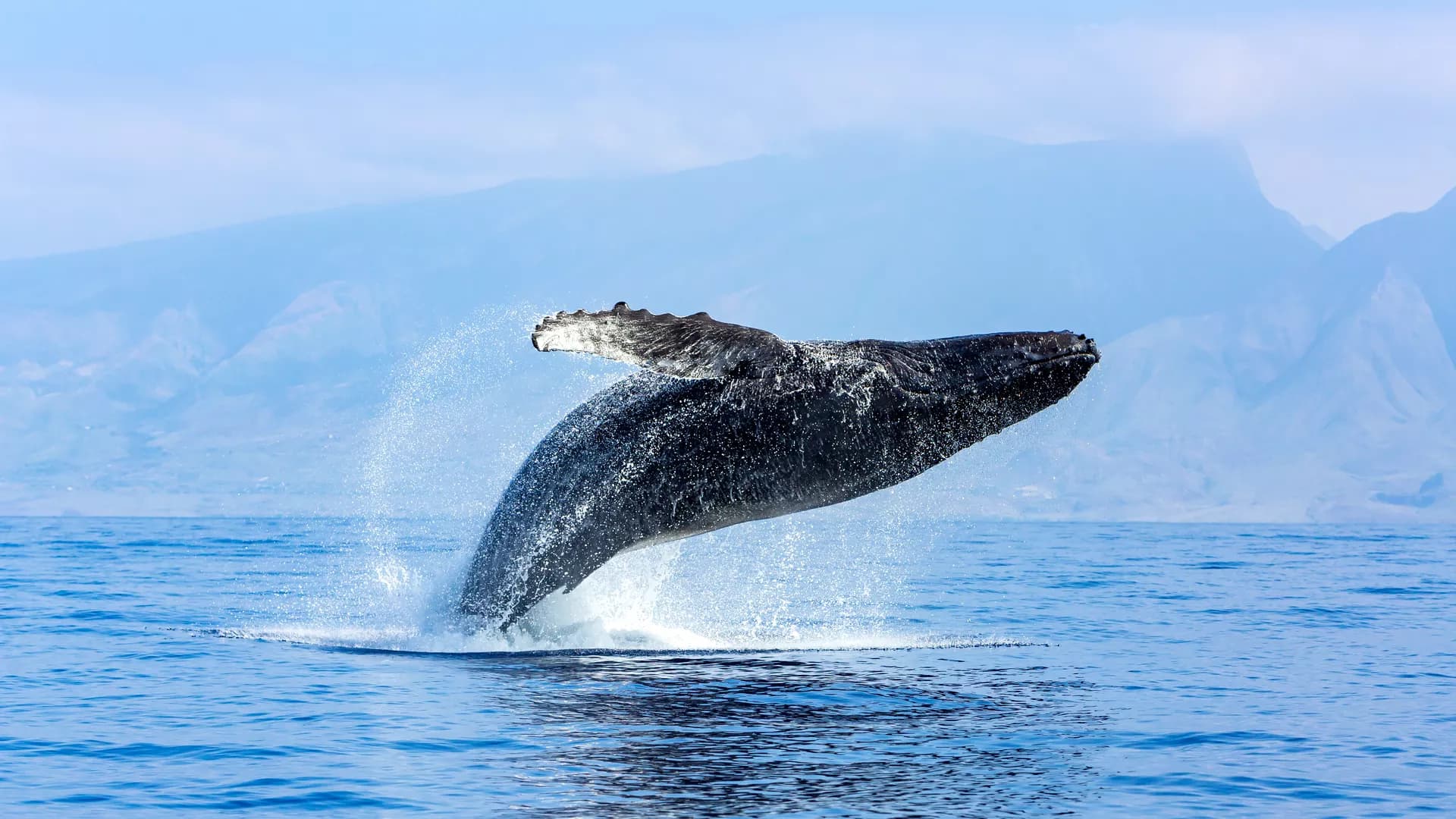
Marine Functional Connectivity (MFC) science – the study of marine organism movements and their ecological consequences across scales – is emerging as a critical framework for understanding how marine biodiversity underpins spatial linkages and interdependencies across ocean basins, depth gradients and land–sea systems. Despite major advances in seabed mapping, ocean observation and hydrological modeling, knowledge of functional connectivity at sea remains fragmented and insufficient to effectively inform management. Marine species transport energy, nutrients, biomass and matter across ecosystems and political boundaries, making MFC essential for conservation, climate resilience and sustainable ocean governance. Recent decades have produced substantial progress in observing and quantifying MFC through genetics, telemetry, natural tags, dispersal modeling and remote sensing. However, major gaps persist across taxa, habitats, depths, regions and temporal scales. Global change further complicates MFC assessment by altering ocean conditions, species distributions and ecosystem dynamics. Addressing these gaps requires harmonized global observations, open-access data sharing, standardized metrics and integration of biodiversity data into global ocean models and Digital Twins of the Ocean. Advances in predictive modeling, ecological network analysis, food-web theory and socio-ecological frameworks are improving MFC integration into marine spatial planning and ecosystem management. Yet connectivity processes remain insufficiently incorporated into governance and decision-making frameworks, particularly across jurisdictions and in Areas Beyond National Jurisdiction. Future progress will depend on stronger international collaboration, transdisciplinary research, technological innovation and closer integration between science, policy and management.
Want to read more?
Check out the full article on the original site
Tagged with
#ocean data
#marine science
#marine biodiversity
#research collaboration
#Marine Functional Connectivity (MFC)
#Marine Biodiversity
#Ecological Connectivity
#Ocean Basins
#Depth Gradients
#Land-Sea Interface
#Marine Organism Movements
#Ecosystems
#Climate Resilience
#Sustainable Ocean Governance
#Genetics
#Telemetry
#Dispersal Modeling
#Remote Sensing
#Global Change
#Digital Twins of the Ocean