•2 min read•from Frontiers in Marine Science | New and Recent Articles
Multi-tissue δ13C and δ15N analysis reveals pre-stranding ecological patterns in a long-finned pilot whale (Globicephala melas) mass stranding event
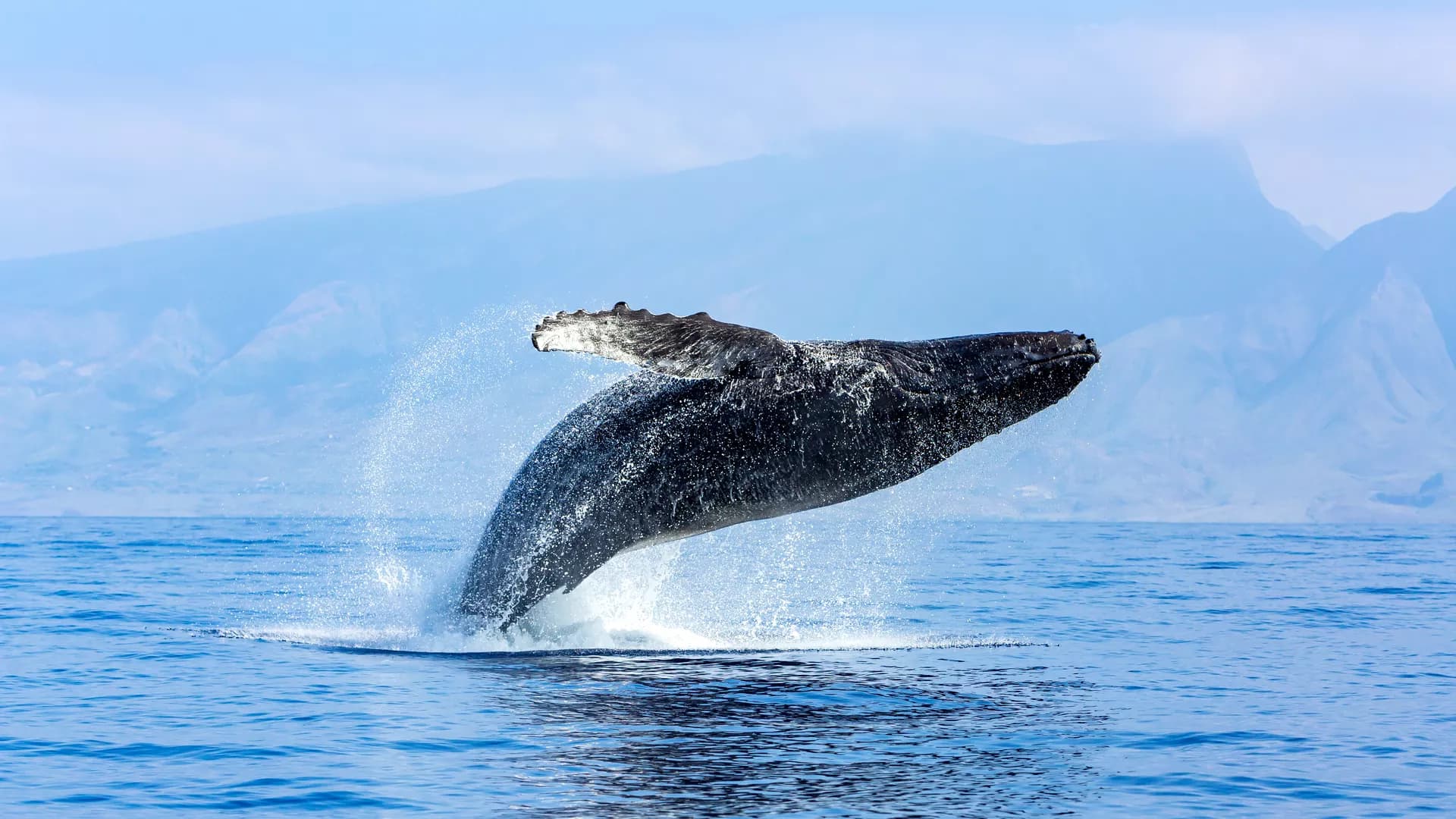
Marine mammal mass stranding events (MSEs) are complex phenomena that require detailed investigation into their causes and behavioural precursors. In July 2023, Scotland experienced a large MSE involving 55 long-finned pilot whales (Globicephala melas), offering a rare opportunity to examine their pre-stranding feeding ecology and, by extension, habitat use using stable isotopes. We analysed carbon (δ13C) and nitrogen (δ15N) stable isotopes in matched samples of liver, skin, and muscle from 39 individuals to assess resource use patterns across different tissue integration timescales, as recent changes in feeding might indicate a change in habitat. Liver, representing the most recent dietary integration, showed lower δ13C values than skin and muscle. While δ15N values were higher in liver, TEF-corrected δ15N values did not differ across tissues, providing no detectable bulk-isotope evidence for major trophic level shifts across the sampled dietary integration windows represented by the different tissues. We applied the Stable Isotope Trajectory Analysis (SITA) framework in R for the first time to multi-tissue data from marine mammals. Trajectories revealed minimal net change across and between individuals, and the direction and magnitude of isotopic changes were consistent with shared temporal patterns in resource use. We found no consistent detectable bulk-isotope evidence of recent dietary or habitat shifts across the stranded group and no evidence for a coherent systematic directional shift in isotopic space over the time represented by the tissues analysed. Importantly, in a broader context, our findings highlight the potential of multi-tissue isotope analysis as a cost-effective tool for reconstructing short- to medium-term foraging history in stranded cetaceans, providing important insights into habitat and resource use of cryptic cetacean species.
Want to read more?
Check out the full article on the original site
Tagged with
#Marine mammal mass stranding events (MSEs)
#Globicephala melas
#Stable isotopes
#δ13C
#δ15N
#Liver
#Skin
#Muscle
#Tissue integration timescales
#Trophic level
#TEF-corrected
#Stable Isotope Trajectory Analysis (SITA)
#Foraging history
#Habitat use
#Resource use
#Dietary shifts
#Scotland
#Cetaceans
#Cryptic species
#R