•1 min read•from Frontiers in Marine Science | New and Recent Articles
International legal regulation of marine plastic pollution: basic theories, specific issues, and China’s responses
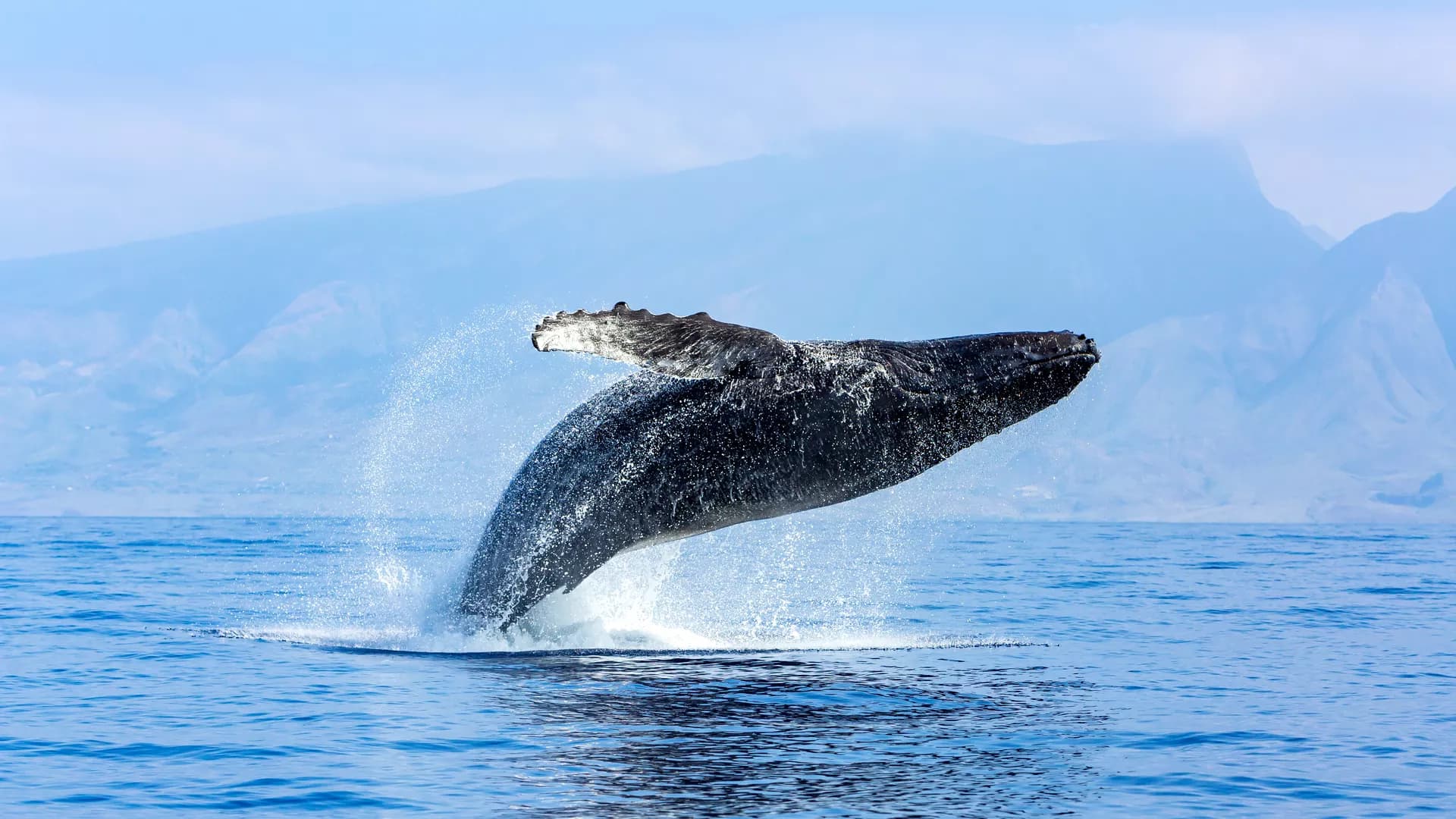
Marine plastic pollution (MPP) is among the gravest environmental issues of the international community and is directly linked with the shared interests of humanity. The current international legal frameworks that regulate MPP primarily involve the United Nations Convention on the Law of the Sea, and other international conventions and other soft-law instruments. Nevertheless, there is still no fully developed international legal regulatory framework of MPP. According to the basic theories of the international regulation of MPP, this paper identifies the unresolved problems in the current process of governance, including the limitations of existing international conventions, the difficulty in negotiating the Global Plastics Treaty, the insufficient compliance capacity of relevant States, and the inadequate oversight mechanisms. Based on the experience of the representative countries, regions, and other international organizations, this paper suggests that China should pursue a holistic approach to governance of MPP by enhancing its domestic laws, encouraging the implementation of the Global Plastics Treaty, facilitating and supporting international governance mechanisms to increase state compliance, and enhancing regulatory and enforcement capabilities.
Want to read more?
Check out the full article on the original site
Tagged with
#Marine Plastic Pollution
#MPP
#International Law
#Global Plastics Treaty
#United Nations Convention on the Law of the Sea
#International Conventions
#Soft-Law Instruments
#Compliance
#Oversight Mechanisms
#Regulatory Framework
#Governance
#Enforcement Capabilities
#Domestic Laws
#International Governance
#State Compliance
#China
#Environmental Issues
#International Community
#Holistic Approach
#Representative Countries