El Niño Water Crisis Triggers Daily Vessel Limits On Panama Canal Route From Sept 3
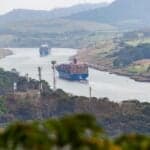


Drought-like conditions driven by the El Niño weather phenomenon have forced the Panama Canal Authority to restrict daily vessel crossings through the waterway linking the Atlantic and Pacific Oceans from September 3, 2026.
From next month, the number of ships will fall from 36 to 34 each day, as two artificial lakes, which are the Panama Canal’s major source of water, have dried up. Further restrictions will be brought in, with daily transits dropping to 32 from September 15 onwards.
The El Niño has led to severe heatwaves and dry weather conditions in Central America and warmed up surface waters in the Pacific Ocean, not to forget changes in wind and rainfall patterns.
El Niño occurs every 2-7 years; however, this year’s event is shaping up as one of the strongest ones ever recorded. According to sources, the area of the canal witnessed a 34% decrease in rainfall compared to the historical average from May to August. Reports suggest that rainfall could be even less in the coming months.
Conserving water and implementing sustainable practices is also important for Panama since the lakes which provide water for the canal also act as the source of water for 4.2 million people.
The Government of Honduras has put 80% of the country on a severe drought alert, raising concerns among the residents of the Central American nation.
Around 5% of maritime trade passes through the Panama Canal, and about 40% of U.S container vessels also traverse th strategic waterway.
It is an important shipping route since it decreases costs and transit times, especially for large retailers and energy companies which ply ships between China, Asia and the U.S.
Panama Canal Authority said that the “lower than forecast rainfall in the canal’s watershed” called for measures to boost the “long-term sustainability” of the waterway.
Though other conservation steps have also been initiated, such as reducing the maximum draft of the largest ships, cutting the number of daily transits is also needed, given the acute shortage of rainfall and water in the region.
A similar situation occurred in 2023 when water levels became so low that the daily ship transits were cut from 38 to just 22.
It led to a long queue of ships waiting for days to cross the canal and shippers looking for alternative routes. Panama Canal Authority also said that the waiting times for ships trying to cross the canal without a reservation would also increase.
Most ships make a reservation beforehand, while the empty slots are then auctioned off by the operator. Before the US-Iran war, the average bid in the auctions was around $135,000; however, a company paid $ 4 million in April. U.S, Chile, South Korea, Japan and the U.S are the canal’s main users.
Want to read more?
Check out the full article on the original site