US Plans Nuclear-Powered Merchant Fleet In Bid To Challenge China’s Shipbuilding Dominance
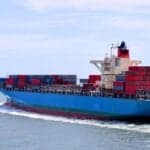


The US Department of Transportation’s Maritime Administration (MARAD) has signed a cooperation agreement with CORE POWER (US) Inc. to develop nuclear powered merchant ships. CORE POWER plans to start construction of its first nuclear-powered vessel in 2028.
The agreement will focus on the practical issues that need to be addressed before nuclear-powered merchant ships can operate commercially. These include regulations for small modular reactors (SMRs), port operations, crew training and certification, fuel, insurance, financing and services needed throughout a ship’s life.
Stephen M. Carmel, administrator of MARAD, said the US could not compete with China by simply trying to build ships more cheaply. He said the US would instead compete through technology.
China already dominates global commercial shipbuilding and is developing nuclear-powered commercial shipping. Chinese state-owned shipbuilders are promoting nuclear-powered merchant ship designs and developing related nuclear manufacturing capabilities.
Mikal Bøe, founder and chief executive of CORE POWER, said the US should focus on developing new technology rather than trying to copy the existing shipbuilding model.

CORE POWER is based in London and has a relationship with the Port of Corpus Christi in Texas. The company has raised about $200 million from investors including Japanese companies Mitsui, Mitsubishi and Sumitomo. The agreement with MARAD does not guarantee federal funding.
Under the plan, conventional parts of the ships could be built at commercial shipyards, while CORE POWER intends to develop a dedicated US facility for nuclear integration and lifecycle work.
The planned facility would handle nuclear installation, initial fuelling, testing, commissioning, refuelling, defuelling and other work throughout the vessels’ operating lives.
CORE POWER also plans to use shipbuilding capacity in allied countries to speed up construction of conventional hulls while developing specialist nuclear capabilities in the US.
The company said the planned US nuclear shipyard would also help expand the nuclear-qualified workforce, supplier base and heavy engineering capacity available to the American maritime industry.
Nuclear propulsion has been used for decades in military submarines. Nuclear reactors can provide sustained power for years between refuelling and remove the need for conventional marine fuel supplies.
Nuclear-powered ships can also maintain high speeds without the same fuel-volume and fuel-price constraints faced by conventional vessels.
Commercial use of nuclear propulsion has faced several barriers, including high construction costs, restrictions at ports and complex international liability laws.
The agreement is intended to address these issues and create a clearer route for private investment in ships, shipyards and supporting infrastructure.
Carmel said nuclear propulsion needed to be developed as a complete commercial system.
The agreement was signed at the US Department of Transportation headquarters in Washington, D.C., ahead of the International Atomic Energy Agency’s ATLAS launch forum on nuclear applications at sea on August 26 and 27.
The partnership is part of the Trump administration’s maritime programme. It follows an initiative launched by Transportation Secretary Duffy in May to develop SMRs for use in US shipping.
The administration has also signed agreements with the Port of Long Beach and the Port of Corpus Christi to establish the first testing areas in the US for nuclear-powered vessels.
Reference: CORE POWER
Want to read more?
Check out the full article on the original site