Global Port Congestion Reaches New High With 4.3 Million TEU Vessel Capacity Waiting To Berth
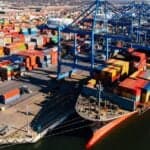


Ports worldwide are experiencing congestion, recording new highs as a result of geopolitical conflicts and natural factors, including weather, which has impacted the functioning of the Panama Canal.
According to sources, over 4.3 million TEU of ship capacity is currently waiting to be allocated a berth at the ports, compared to the bottleneck during Covid-19, which was around 4 million TEUs. The present situation remains worse than the one during the peak of the global pandemic.
Most of the stuck capacity is affecting the container ship fleet, with 12.6% of the total containership capacity suffering from delays in their schedules. This number, however, was 15.7% during the 2022 restrictions due to Covid-19.
Longer waiting times translate to longer turnaround times, which leads to an escalation in the freight rates and operational costs for companies.
Most of this disruption is happening in East Asian ports, where weather conditions, including a surge in tropical storms this year, have adversely impacted even the top-performing Chinese ports and ship schedules.
The busiest port in the world, the Shanghai Port in China, has 139 ships which are waiting to be allocated a berth to unload their cargo, while another Chinese port, Ningbo, has a backlog of 77 vessels. At the Yangshan port terminals at Shanghai facility, the waiting times have gone to a week or more.
Delays in getting a berth have removed 1.7 million TEU capacity from the shipping market globally, new reports suggest, while just 60- 65% of vessels are sailing on their predesignated schedules, and the remaining are reaching 5 to 7 days later at their destined port facilities.
As a result of the delays and the uncertainty of the situation, the Shanghai Containerised Freight Index jumped 156% after the U.S-Iran war began, and it touched 3355 points the previous week.
Carriers are feeling additional pressure due to the drought-like conditions caused by the worst El Niño weather phenomenon seen in years in Central America, which has led to a reduction in the daily transits from the Panama Canal.
Panama Canal Authority announced that slots for Neopanamax vessels will be cut to just 9 a day from September 3, 2026 onwards, and the same would be implemented for Panamax ships from September 15, 2026.
Further restrictions could be imposed if rainfall becomes scarce in the coming months, and falls even below the current predicted levels.
The shortage of vessels is especially being felt in the containership charter market, where demand is high; however, the tonnage remains limited, unable to meet the requirements.
Port congestion is also pushing shipping companies towards the Red Sea, where the Houthi threat remains substantial, and the risk of attacks by Iranian or U.S forces looms.
Want to read more?
Check out the full article on the original site