I’ve Finally Figured Out How to Make Beach Waves Last on My Fine Hair—Here's My Full Routine
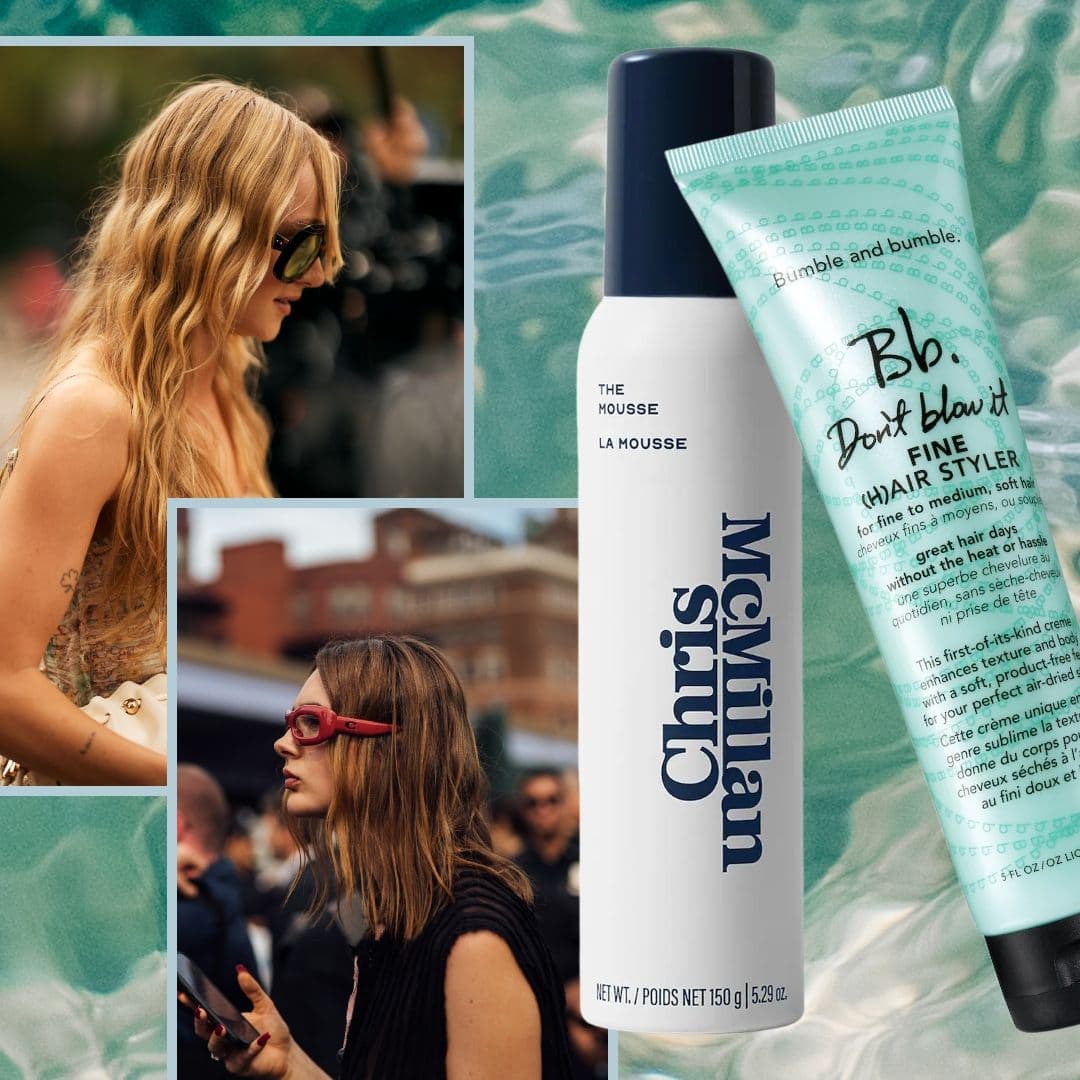
This was almost the summer I accepted defeat in the hair styling department. Between the recurring heat waves, disgusting humidity, and the fact that I have a very fine hair texture, I’ve spent the majority of the season wearing a baseball hat and pigtail braids. But leave it to some of my favorite hairstylists to convince me that with the right beach wave technique, volume and body aren’t out of the equation for fine hair.
With texturizing spray and the right curling iron, I can achieve a messy, tousled style that actually holds up on a hot, humid day. “Don’t fight too hard for perfection,” says hairstylist Rogerio Cavalcante. “Beach waves look better after they’ve relaxed a little. Good prep, the right amount of heat, letting the hair cool, and a little texture at the end can make a huge difference.”
I’ve tried dozens of product combinations and hot tools to figure out which routine holds best on my fine hair. And, of course, I’ve consulted the pros for their tips and tricks. It wasn’t easy, but after testing for the past two weeks, I feel like I’ve finally unlocked the key to styling beach waves for fine hair—and making them last. My step-by-step routine, ahead.
Prep With Volumizing Products
It seems pretty intuitive, but if you have fine hair that’s prone to falling flat in the summer heat, do your best to stack volumizing products. Try a thickening shampoo to plump hair strands, plus a lightweight volumizing mousse or root lifter. The key is to use just enough product that you’ll reap the benefits without weighing your hair down too much.
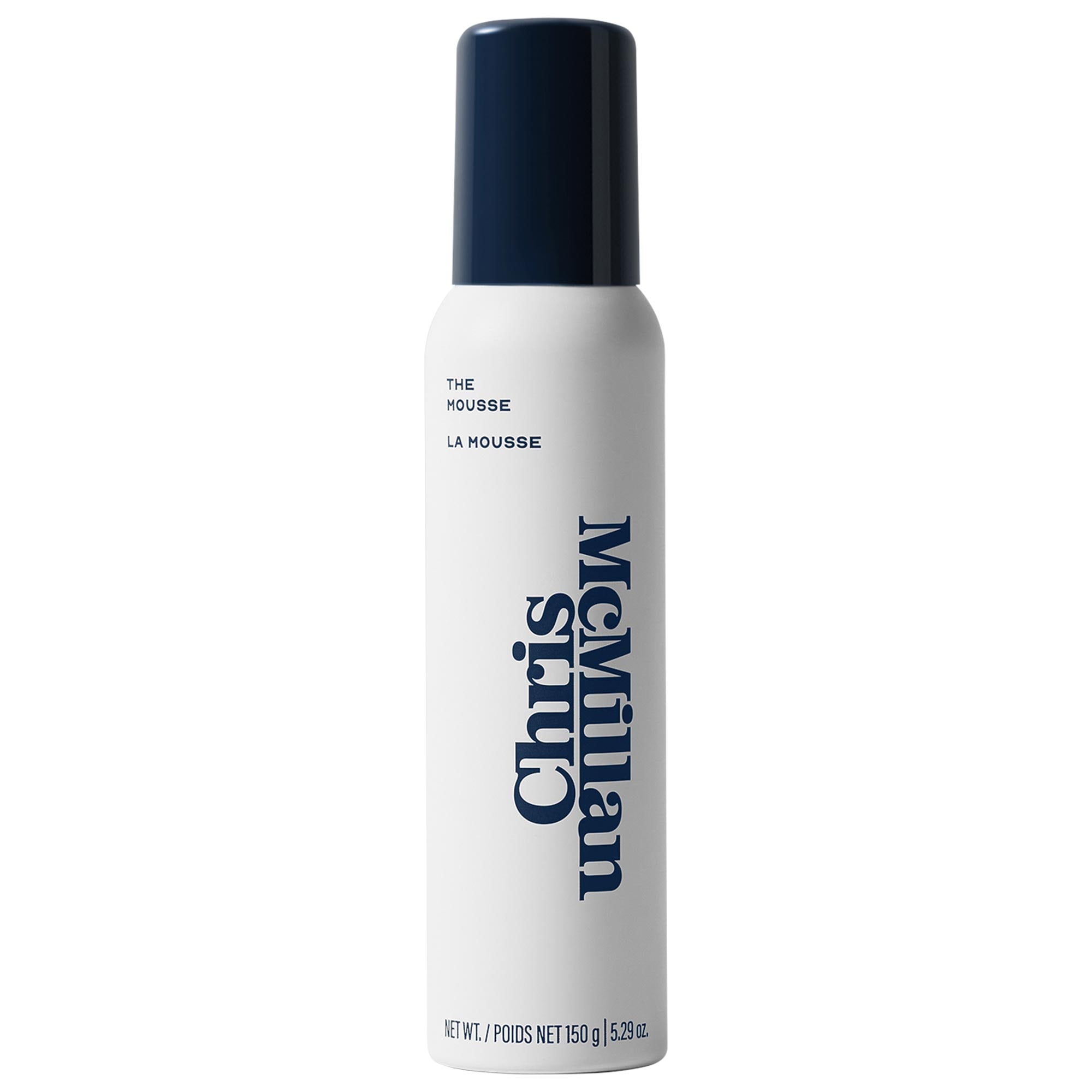
Maturing is realizing that you don’t need to be scared of mousse. It might look like a lot of product for fine hair, but it’s the best tool in the arsenal for adding body and volume. This one has built-in heat protection and adds shine.
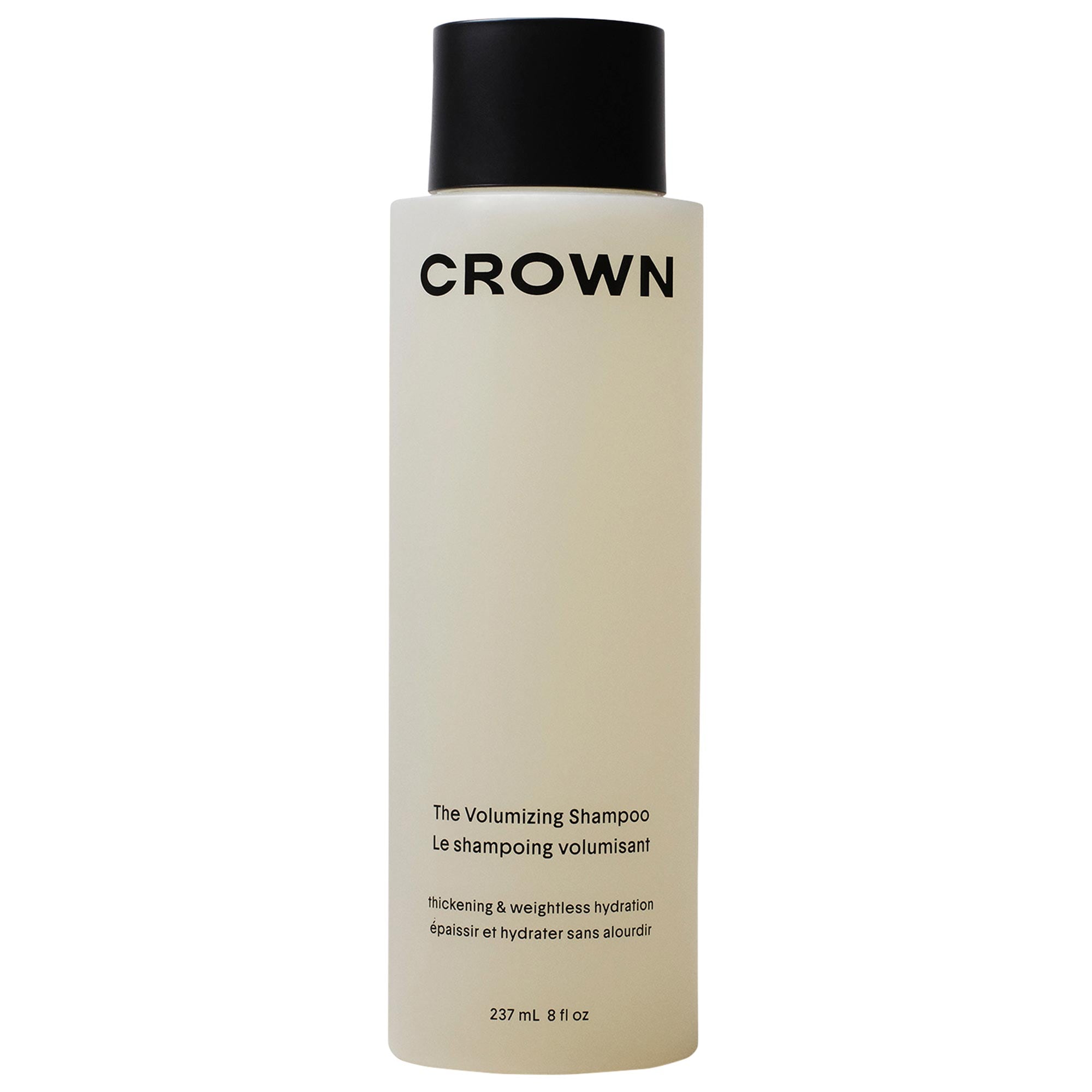
Easily one of my favorite shampoos for volume, this leaves my hair feeling clean and airy. Plus, the gel conditioner that goes with it is so lightweight and never weighs down my strands.
Consider an Air Dry
If you can swing beach waves without a curling iron, well, I’m jealous. “I love how unique an air-dried look is. Having soft, imperfect waves or even “bed head” is more fun,” says Spoke and Weal stylist Liz Criscione. Just make sure you grab an air dry product to enhance your natural texture—all you need is a little product; too much will work against you.
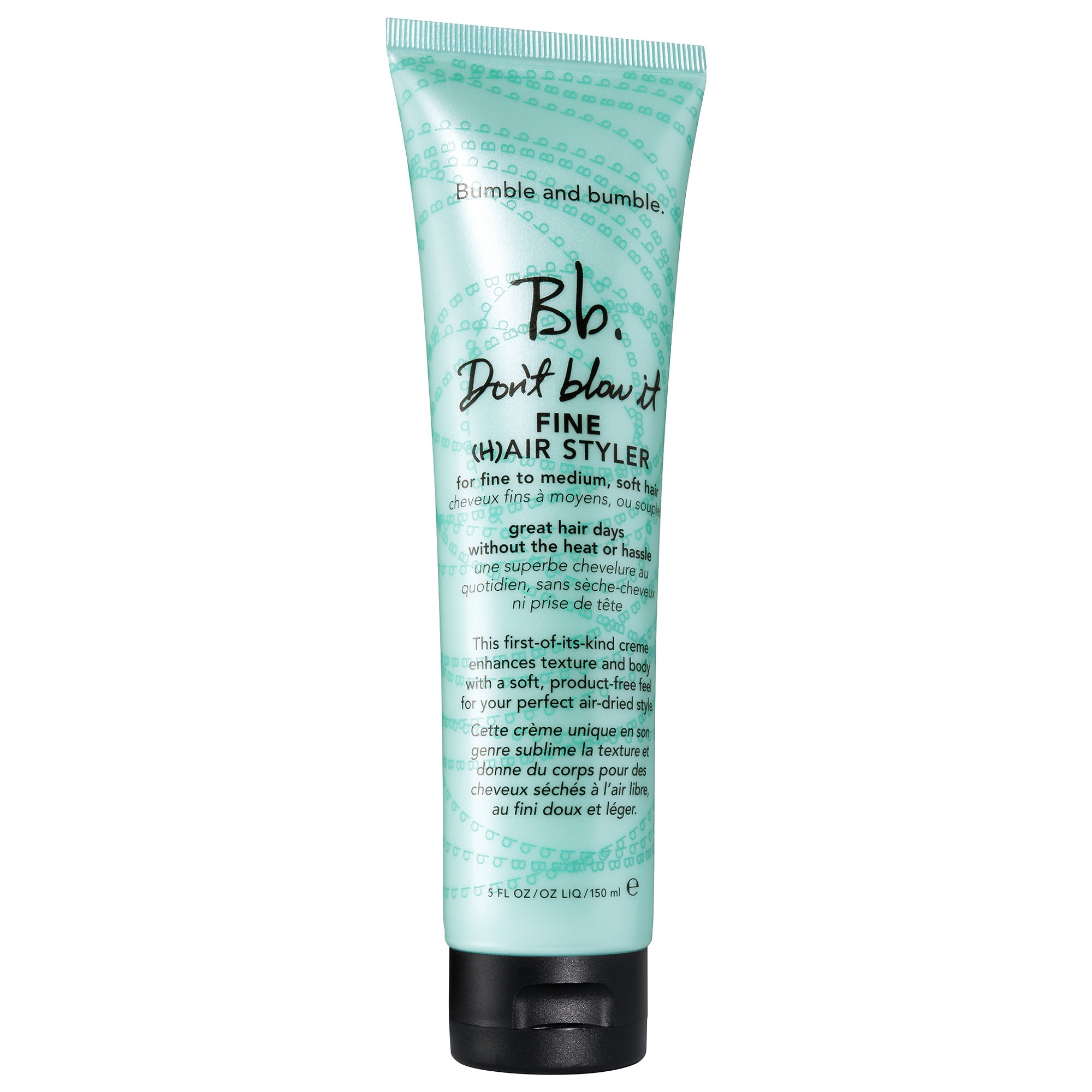
All air-dry creams are not created equal. That’s why I love that this baby was made specifically for fine hair types—it helps define natural curl patterns without leaving behind any crunchy texture.
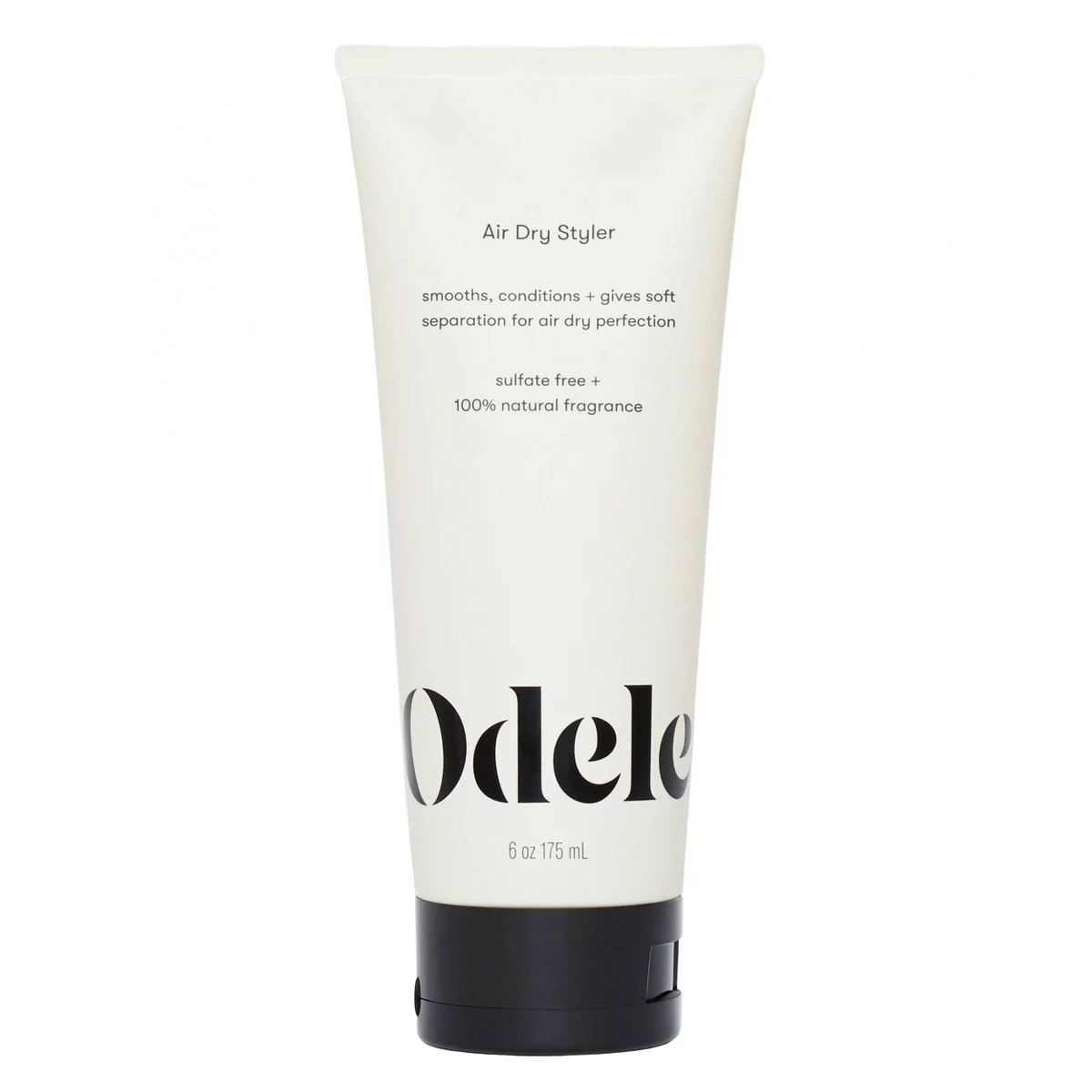
Probably my favorite drugstore hair brand of all time (I said what I said), this very affordable air-dry styler does a phenomenal job at taming frizz. Bonus: it contains Amaranth, which is an ingredient used to increase bounciness.
Make Sure You Add Texture
Next, is a non-negotiable step: dry texturizer. I never go a day without it—it adds just the right amount of grit so I’m able to hold a style and prevent my roots from going slick against my scalp. “The key is to use these products strategically, especially at the roots and through the mid-lengths,” says Cavalcante. “You don’t need half the can.”
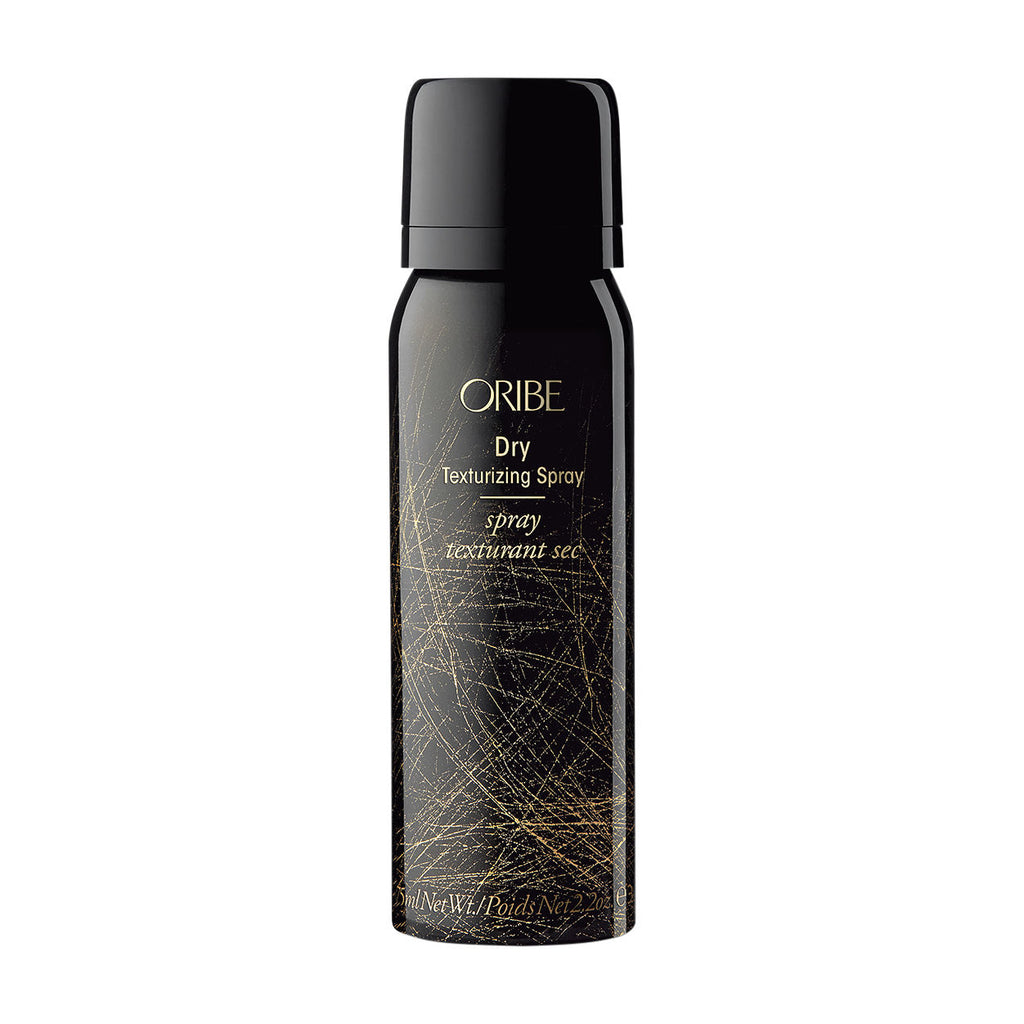
“It’s a classic because it gives you grip and volume without making the hair feel stiff,” says Cavalcante. Just make sure you spray it a full eight inches away from the hair.
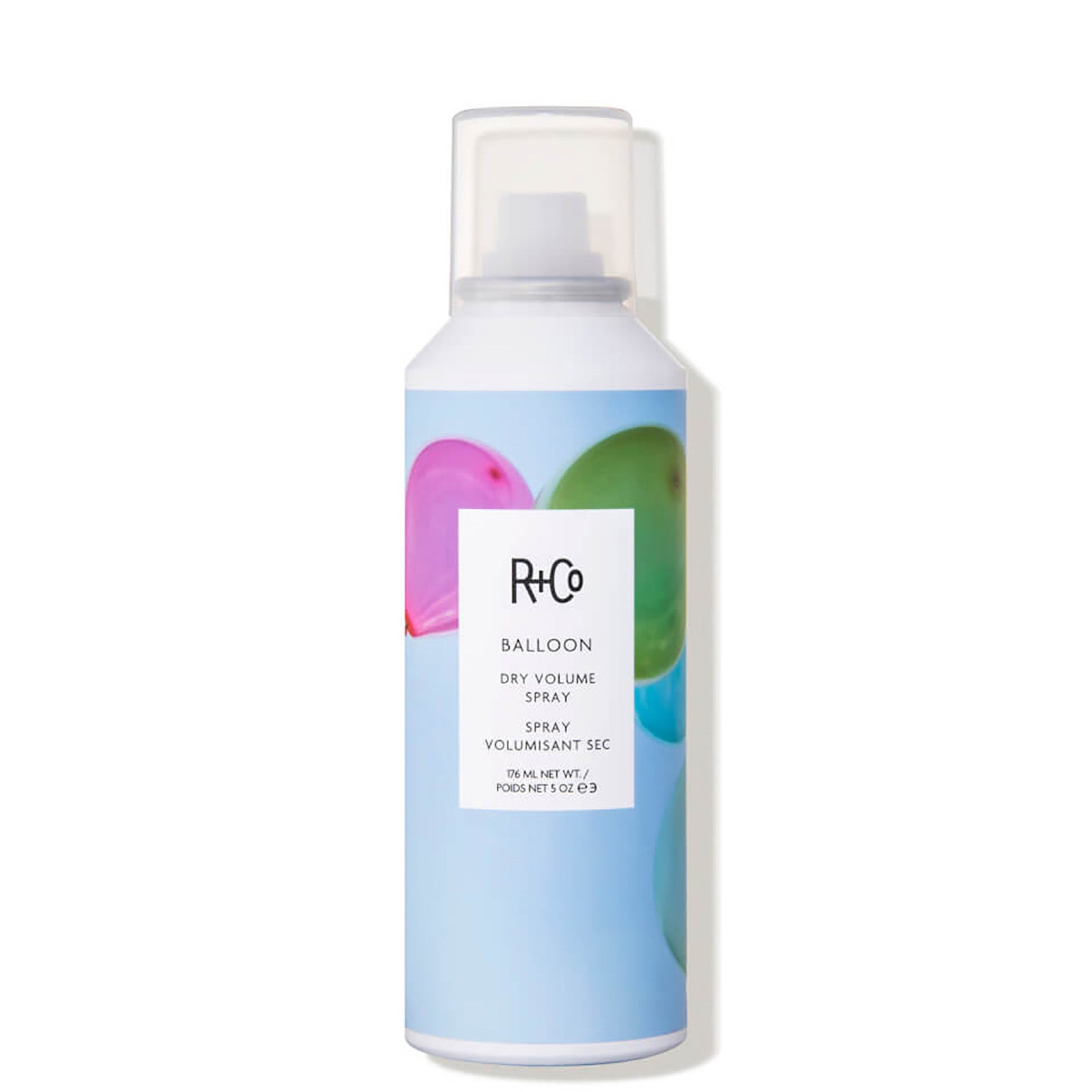
“This is another great one,” Cavalcante adds. It’s ultra-lightweight and provides texture without dampening shine. Pro Tip: buy a travel-sized one so you can toss it in your bag and have it handy for touch-ups.
Use a Curling Iron or Crimper
If an air-dry beach wave isn’t in the cards for you (it’s certainly not for me), then it’s time ot grab a curling iron. “Don’t try to make every wave perfect. Alternate directions, leave the ends a little straighter, and once everything cools down, break it up with your fingers,” says Cavalcante. “Beach waves should look a little undone.” Criscione recommends using a Marcel curling iron to achieve the ribbon wave vibe, but regardless, she tells clients to “make sure the tool has temperature control, so the hair doesn’t burn.” Honestly, you shouldn’t need to go about 350 degrees—especially if you have fine hair.
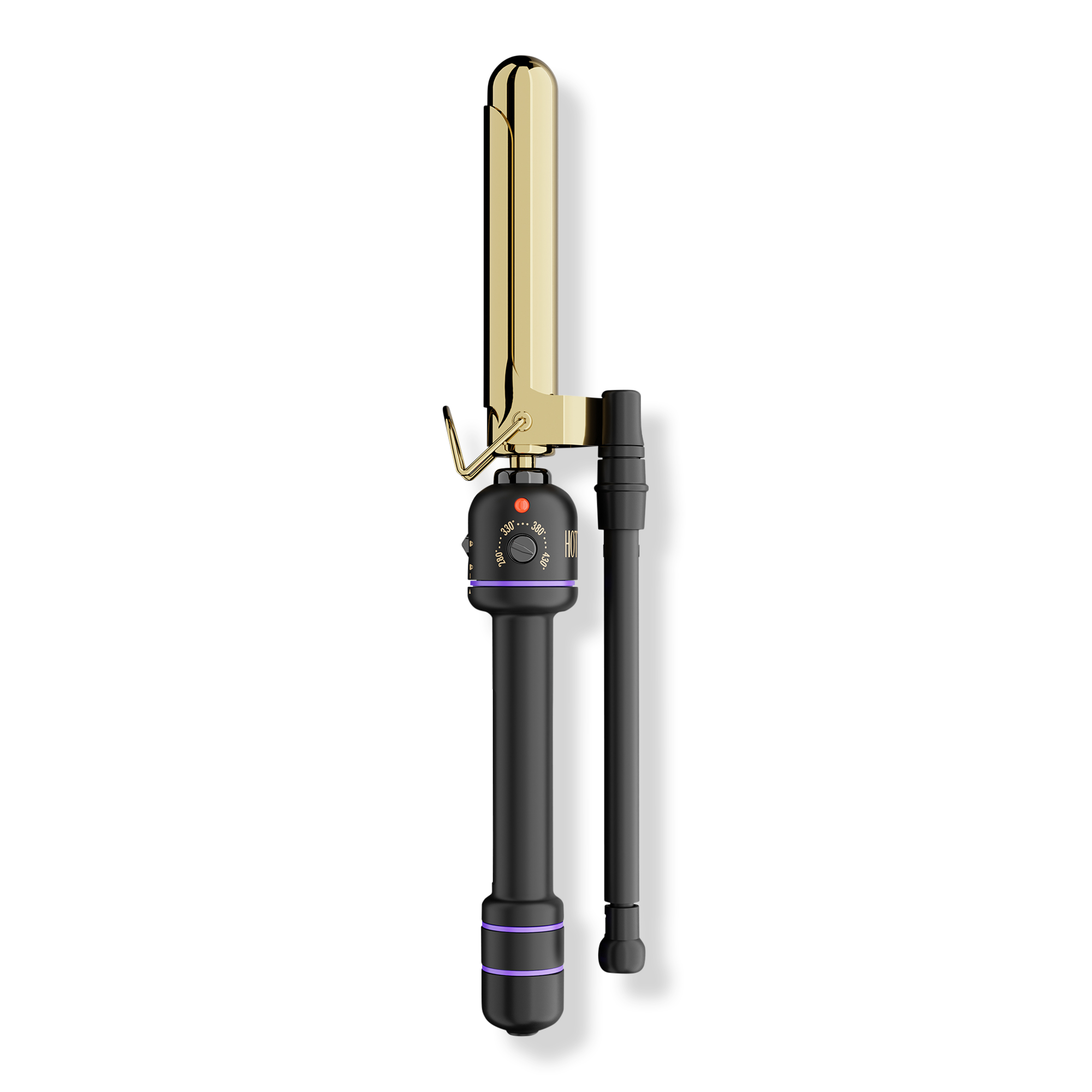
I’ll be honest: it takes a beat to learn how to use a Marcel curling iron, but the spring-free design does create the most natural-looking beach waves. My recommendation is to watch a decent amount of YouTube tutorials before breaking this guy out.
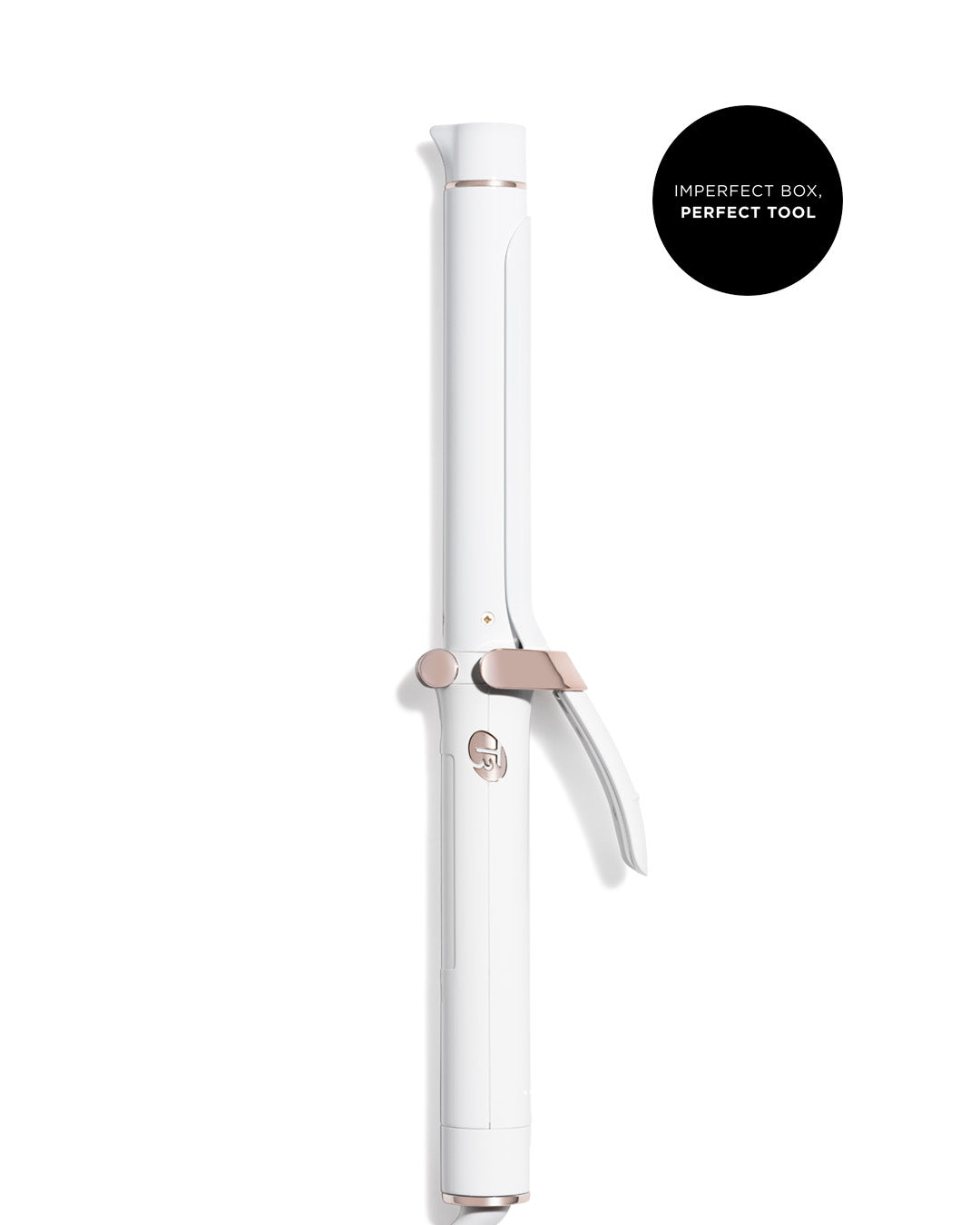
If a Marcel is too confusing, then grab a classic design and just be cognizant of leaving out the end pieces. This has been my go-to iron for the past five years.
Why Trust Marie Claire
For more than 30 years, Marie Claire has been an internationally recognized destination for news, fashion and beauty trends, investigative packages, and more. When it comes to the products Marie Claire recommends, we take your faith in us seriously. Every product that we feature comes personally recommended by a Marie Claire writer or editor, or by an expert we’ve spoken to firsthand.
Meet the Experts
Want to read more?
Check out the full article on the original site