India & UK To Jointly Develop Full Electric Propulsion Tech For 4 Large Indian Naval Platforms


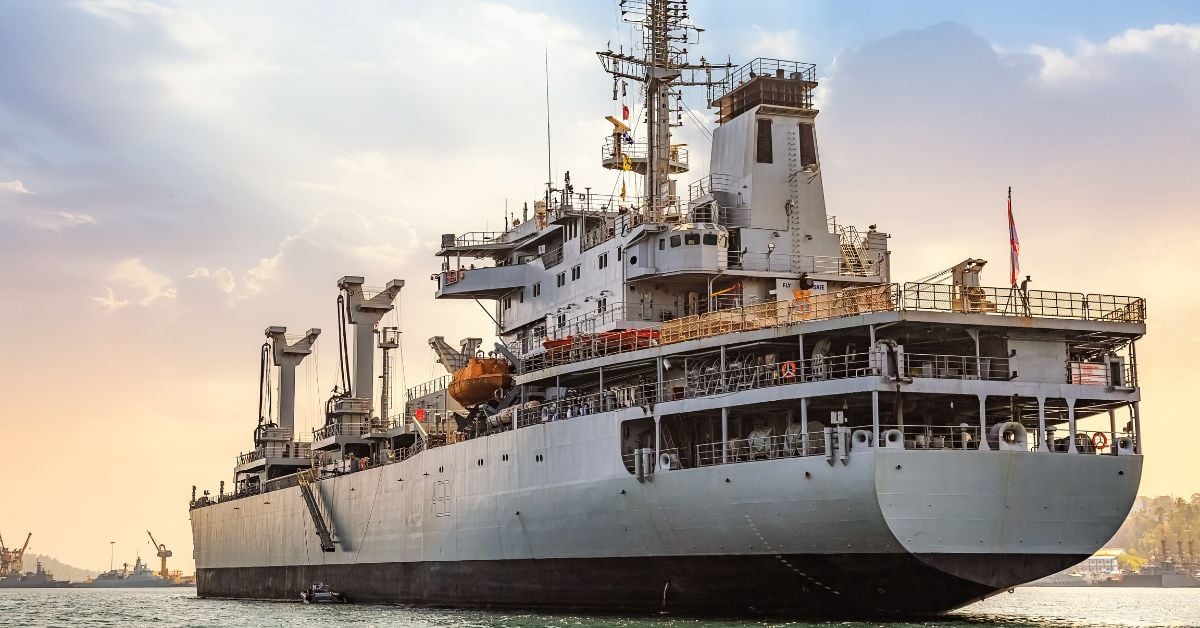
India and Britain plan to strengthen their defence ties and bilateral relations by signing an agreement for developing full electric propulsion tech for large naval platforms of the Indian Navy.
For this ambitious project, British company GE Vernova has joined Bharat Heavy Electricals Limited for building a land-based lab where the new Integrated Full Electric Propulsion technology can be effectively tested before it is integrated on the 4 Landing Platform Docks.
The Inter-Government Agreement would be formalised soon and lead to the construction of the naval docks at an indian facility with a fully integrated electric propulsion system, which would enable a more efficient distribution of power across the many energy-dense systems installed on a naval platform.
This means that with the help of this tech, a naval platform could have more sensors, electronic systems, radars, and other equipment to counter all kinds of threats.
The agreement comes after the governments of both countries decided to jointly build and design electric propulsion systems, as per the Statement of Intent signed by them in 2024 in Portsmouth, Britain, during the 3rd meeting of the Joint Working Group established for advancing this partnership.
It also laid down the framework to collaborate on designing, building, and manufacturing the new system together for future Indian naval vessels.
The new project shows the evolving relationship between U.K and India. Earlier, the two countries engaged in the exchange of technology, machinery or weapons, but now they are focusing on technological cooperation and building long-term defence relations by co-developing a new naval technology.
Top U.K officials said Britain would employ years of experience in developing electric propulsion technology to the Indian case along with lessons learnt from the development of Landing Platform Docks, Landing Ship Docks, aircraft carriers of the Elizabeth-class and Type 45 destroyer ships.
What Britain gets from this partnership is access to a vast market for naval technologies in Asia, especially in India since its fleet continues to expand and modernise rapidly.
India envisages a fleet of 200 warships by 2047, and British firms such as Rolls Royce or GE Vernova could contribute to this growth by bringing their experience and expertise.
Want to read more?
Check out the full article on the original site