•2 min read•from Frontiers in Marine Science | New and Recent Articles
Multiple lines of evidence framework for quantifying ecosystem function and connectivity of offshore infrastructure: a rigs-to-reefs perspective
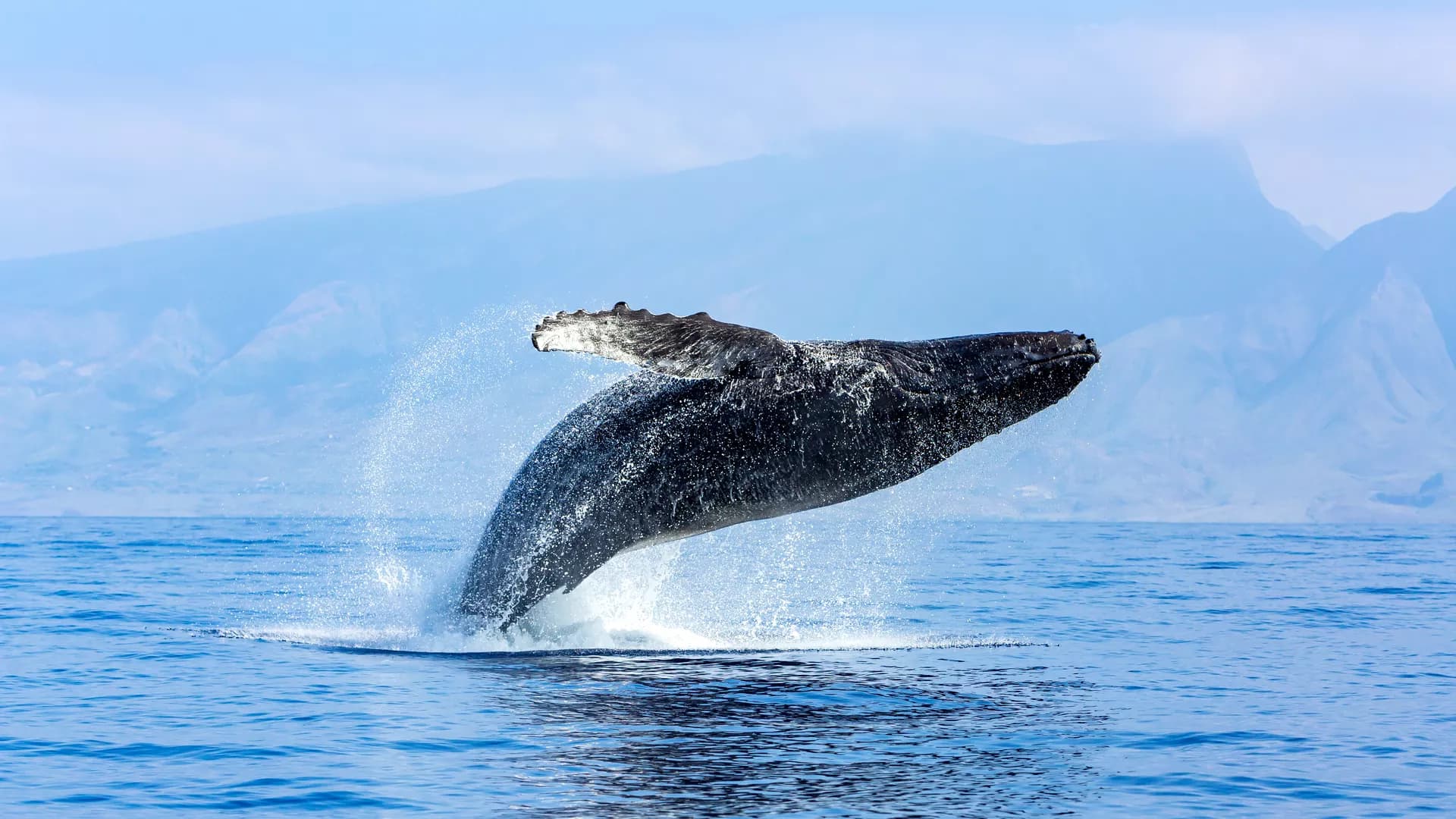
Decommissioning of offshore oil and gas infrastructure, including thousands of platform jackets and associated structures approaching the end of their operational lives, is a major contemporary challenge. Yet, decision-making remains constrained by fragmented, highly heterogeneous, and episodic monitoring that rarely quantifies ecosystem function or connectivity. There is a long-standing debate over removal versus habitat retention and the creation of artificial reefs, largely because it remains unclear whether, or under which conditions, offshore infrastructure generates new biomass or aggregates existing organisms. This uncertainty limits our ability to assess habitat value and anticipate ecological and socioeconomic consequences of alternative decommissioning scenarios. We present a Multiple Lines of Evidence framework to quantify ecological function and connectivity associated with offshore infrastructure, focusing on oil and gas infrastructure. Drawing on lessons from diverse research domains, we provide a framework for the integration and operationalisation of a suite of traditional and emerging approaches (including video, environmental DNA, trophic analyses, movement tracking, chemical and genetic markers, and biophysical modelling). Each approach provides complementary metrics across distinct spatial and temporal scales, enabling a mechanistic assessment of connectivity, productivity, and ecosystem function. By explicitly linking key ecological questions (e.g., production, attraction, trophic enhancement, source–sink dynamics) with appropriate methods and measurable indicators, the framework provides a harmonised and transparent basis for quantitative, context-specific decision-making. This framework will be highly relevant not only for oil and gas infrastructure but also broadly applicable to offshore infrastructure and habitat enhancement initiatives, maximising ecological function, fisheries productivity, and biodiversity restoration.
Want to read more?
Check out the full article on the original site
Tagged with
#environmental DNA
#offshore infrastructure
#oil and gas infrastructure
#decommissioning
#artificial reefs
#ecosystem function
#connectivity
#Multiple Lines of Evidence (MLE)
#habitat retention
#platform jackets
#environmental DNA (eDNA)
#trophic analyses
#movement tracking
#biophysical modelling
#chemical markers
#genetic markers
#biodiversity restoration
#fisheries productivity
#source-sink dynamics
#biomass