U.S. Navy Loses 15,000 Operational Days As Submarine Maintenance Delays Cost $3.4 Billion
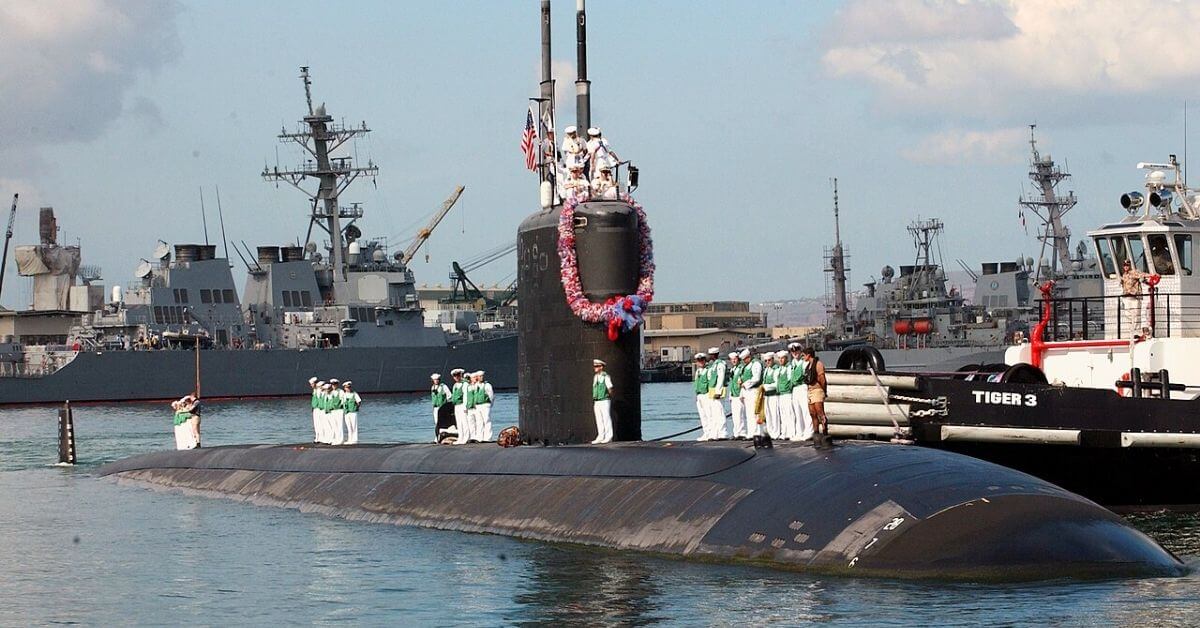
Delays in maintenance of U.S. Navy attack submarines have cost the service an estimated $3.4 billion and about 15,000 lost operational days over the past decade, a Government Accountability Office (GAO) report released Thursday said.
Los Angeles-class and Virginia-class attack submarines experienced delays between 2016 and 2025. Many submarines and their crews were stuck at the pier, waiting for a space at the shipyards for maintenance.
This has left fewer submarines available for operations, the report said. The problem could become more costly as more submarines wait to be decommissioned due to limited shipyard capacity.
The GAO estimates that 15 submarines could spend about 14,000 days in inactive idle time between 2026 and 2030. This could cost the Navy about $3.1 billion.
Diana Maurer, a GAO director who supervised the report, said the maintenance delays have reduced the fleet’s readiness. She said they have also cost taxpayers billions of dollars and left fewer submarines available for national security missions.
U.S. attack submarines gather intelligence and can attack enemy targets. The Navy considers them an important military advantage over China.
The Navy is also facing delays in delivering new Columbia-class and Virginia-class submarines. It has also faced extended deployments due to military operations in the Middle East and off the coast of South America.
15,000 Operational Days Lost
The Navy lost more than 15,000 operational days to maintenance delays between 2016 and 2025, the GAO said.
Some of this was because of what the GAO calls “active idle time.” This is when a submarine can no longer carry out normal operations but is still waiting to enter maintenance.
During this time, the submarine and its crew remain at the pier.
For the Los Angeles-class fleet, active idle time costs almost $220,000 a day. For the Virginia-class fleet, it costs more than $237,000 a day.
Maurer compared the situation to a backlog, with submarines waiting for space in dry docks for maintenance. She said this adds pressure to the heavily used fleet.
The Navy has reduced active idle time in recent years.
In 2025, submarines lost a total of 753 days while waiting to enter dry docks or because of maintenance delays. The GAO said this was equal to about two attack submarines being unavailable for operations.
The situation was worse in 2023, when the lost time was equal to five submarines.
The GAO said the Navy has made significant progress in reducing active idle time, but the maintenance backlog remains.
Decommissioning Delays Cost $722 Million
The Navy is also facing delays in taking submarines out of service.
The GAO calls this “inactive idle time.” These submarines remain at the pier until a shipyard has space to defuel their nuclear reactors.
These delays cost an estimated $722 million between 2016 and 2025.
The Los Angeles-class USS Pasadena became inactive in January 2025. It is not expected to enter Norfolk Naval Shipyard until November 2028, almost four years later.
The submarine cannot conduct normal operations because its dive certification has expired. It remains fully crewed, however.
The Navy plans to use the Pasadena as a training platform while it waits for shipyard space. The GAO estimates that the delay will cost more than $300 million.
The GAO said inactive idle time has been increasing and is expected to get worse.
Based on current trends, 15 submarines could spend about 14,000 days in inactive idle time between 2026 and 2030. The estimated cost is $3.1 billion.
U.S. Shipyards Struggle With Capacity
Nuclear submarine maintenance is carried out at four public Navy shipyards: Portsmouth Naval Shipyard in New Hampshire, Norfolk Naval Shipyard in Virginia, Puget Sound Naval Shipyard in Washington state and Pearl Harbor Naval Shipyard in Hawaii.
Portsmouth handles the most submarine work, according to the assessment.
Some maintenance can also be carried out at two private shipyards: Connecticut, General Dynamics Electric Boat in Groton, and Huntington Ingalls Industries’ Newport News Shipbuilding in Newport News, Virginia.
The GAO said expanding shipyard capacity could help reduce the backlog. But the existing facilities face aging infrastructure as well as shortages of workers and materials.
Upgrading the shipyards will take years.
The Navy is looking at other options to reduce the number of submarines waiting for shipyard space.
References: NavyTimes, GAO
Want to read more?
Check out the full article on the original site