Royal Navy Led Multinational Task Force Prevents 25 Piracy Attempts In Indian Ocean During 6-Month Deployment
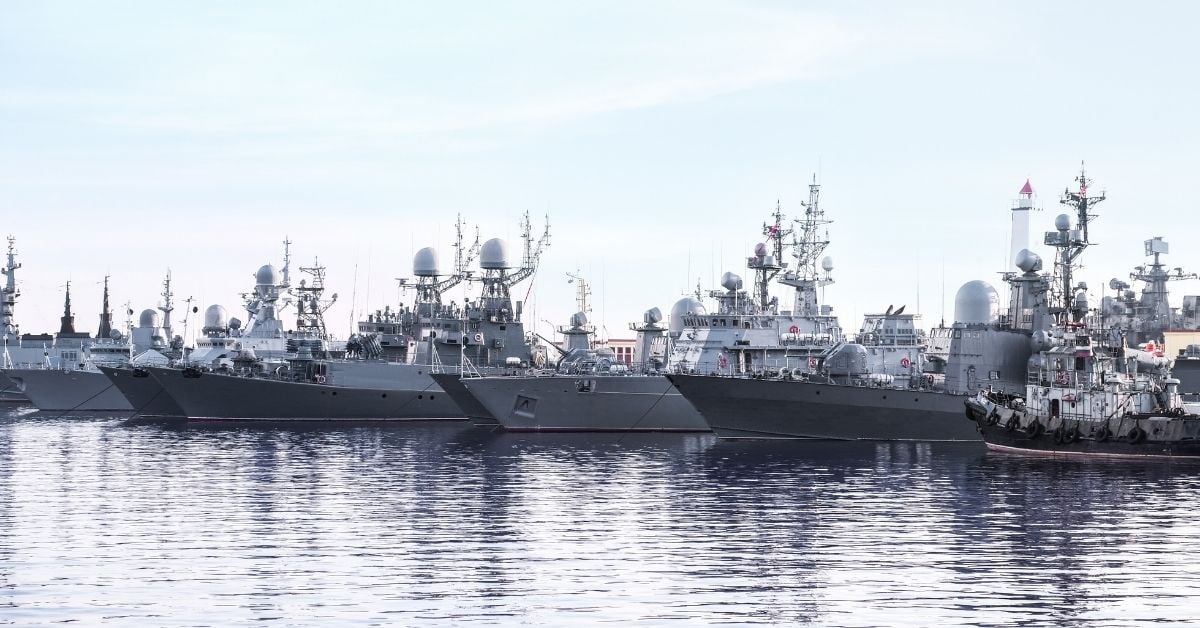
A multinational Task Force, CTF 151, led by the Royal Navy, handled 25 piracy incidents during its 6-month deployment in the Indian Ocean Region. According to the force commander, Jase Eacock, the incidents reached an all-time high in a decade.
This is because forces and attention have been diverted to the Gulf region, where the U.S-Iran war has led to the closure of the Strait of Hormuz for shipping, ship attacks have increased, and the Houthi threat has also emerged after they announced the imposition of a naval blockade against Saudi Arabia.
Since Gulf waters are no longer safe for navigation, ships have had to take longer detours around Africa, close to piracy-prone waters of Somalia, offering a chance to armed pirates and local gangs to hijack vessels, kidnap seafarers and demand hefty ransoms, a pattern seen in the early 2000s.
However, Combined Task Force 151, which includes 17 vessels and other special units, has succeeded in keeping their activities in check during their short deployment, which has earned them a lot of praise.
Captain Eacock said that their presence along with the EU’s Operation Atalanta has made a considerable difference, even though tensions remain. He also highlighted that the threat has not gone away and much needs to be done.
Royal Navy calls Eacock its 2nd most experienced and senior officer in West Asia, who commanded a staff comprising specialists and personnel from 7 other nations.
CTF 151 was successful, thanks to the cooperation of Bahrain, which coordinated assets and activities across a region much bigger than Europe, needing surveillance and continuous monitoring to identify pirates and other gangs before they could launch attacks on commercial vessels.
The task force, whose command has now gone from Britain to South Korea, operated across 3 million square miles of the Indian Ocean, focusing on the Gulf of Aden and waters around the Horn of Africa.
Though it wasn’t able to prevent the hijacking of a tanker, the task force successfully handled over two dozen piracy attempts in the last 6 months while conducting 70 patrols to gather more information about illegal activities like drug trafficking, smuggling, etc and criminal networks operating in the region.
Pirates have always used large vessels as motherships to carry out their hijackings, along with small skiffs to reach their targets. They often use ladders and weapons, including AK-47 rifles and grenades.
Poverty, corruption, civil wars, instability and threats to the local fishing industry have all contributed to piracy in Somalia, which has forced young men into crime to feed their families and earn their livelihoods since no jobs are available and people die of hunger.
CTF 151 is among the 5 specialist formations which operate under the Combined Maritime Forces. It is a maritime security coalition consisting of 47 countries with its headquarters in Bahrain.
Want to read more?
Check out the full article on the original site