Princess Märtha Louise of Norway Is Older Than Her Brother, the New King Haakon, But an Outdated Rule Prevented Her Reign
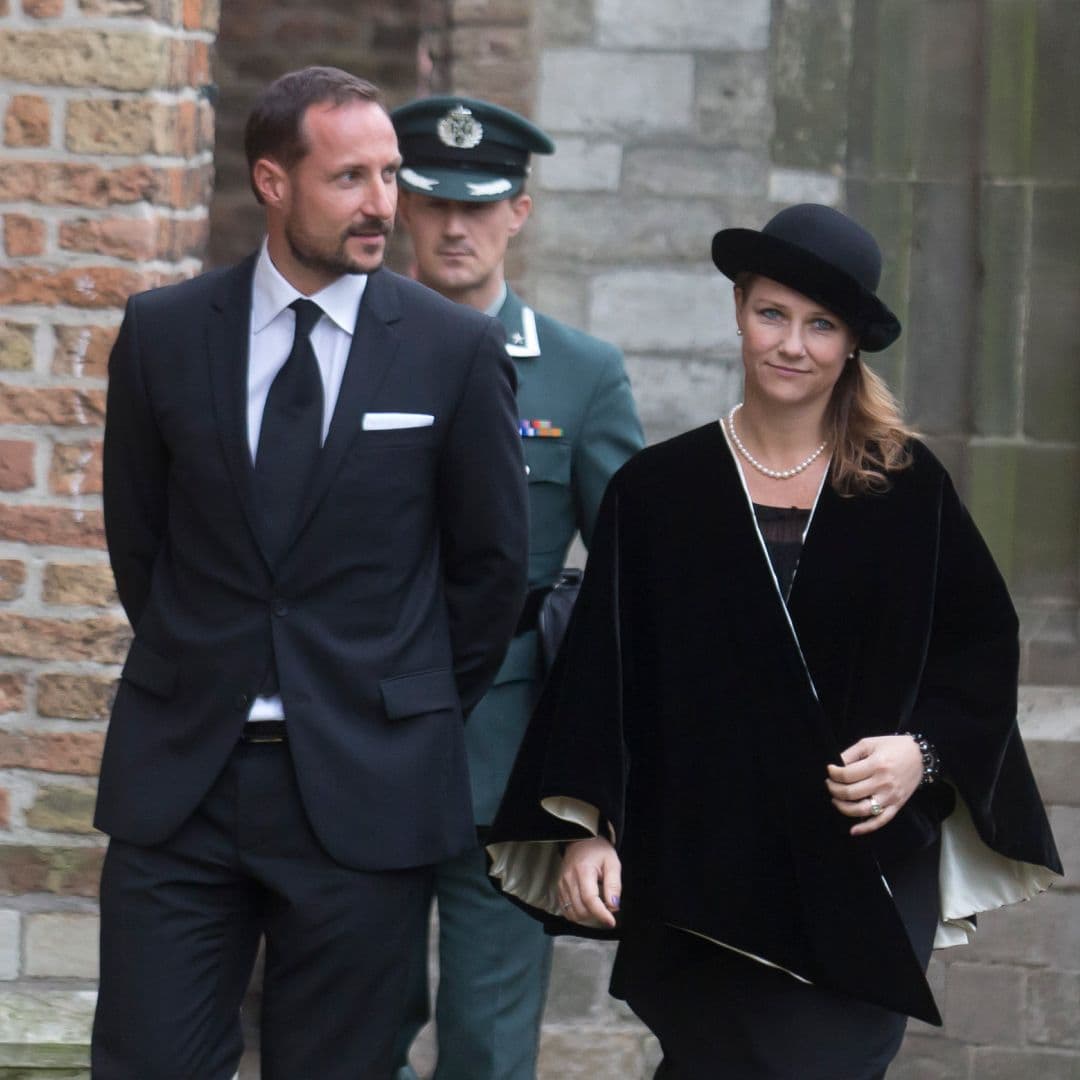
Norway has a new king, Haakon VIII, after his father, King Harald V, died at the age of 89 on Friday, August 28. The late king, who sat on the throne since 1991, ruled alongside his wife, Queen Sonja, and the couple shared two children, Princess Märtha Louise and the now-King Haakon. But although Märtha Louise was their first child, it was her brother who was destined to wear the crown.
When the princess was born in 1971, she had no place in the line of succession, as the Norwegian constitution still stated that only male children could inherit the throne. When Haakon was born in 1973, he became his father’s heir.
In 1990—a year before Haakon’s grandfather, King Olav, died—the Norwegian constitution was changed to allow females to rule, even if a younger brother was born down the line. The new law gave Märtha Louise a place in the line of succession for the first time, but unlike Sweden—which made the same change and applied it retroactively—Norway did not, making Haakon the country’s future king.
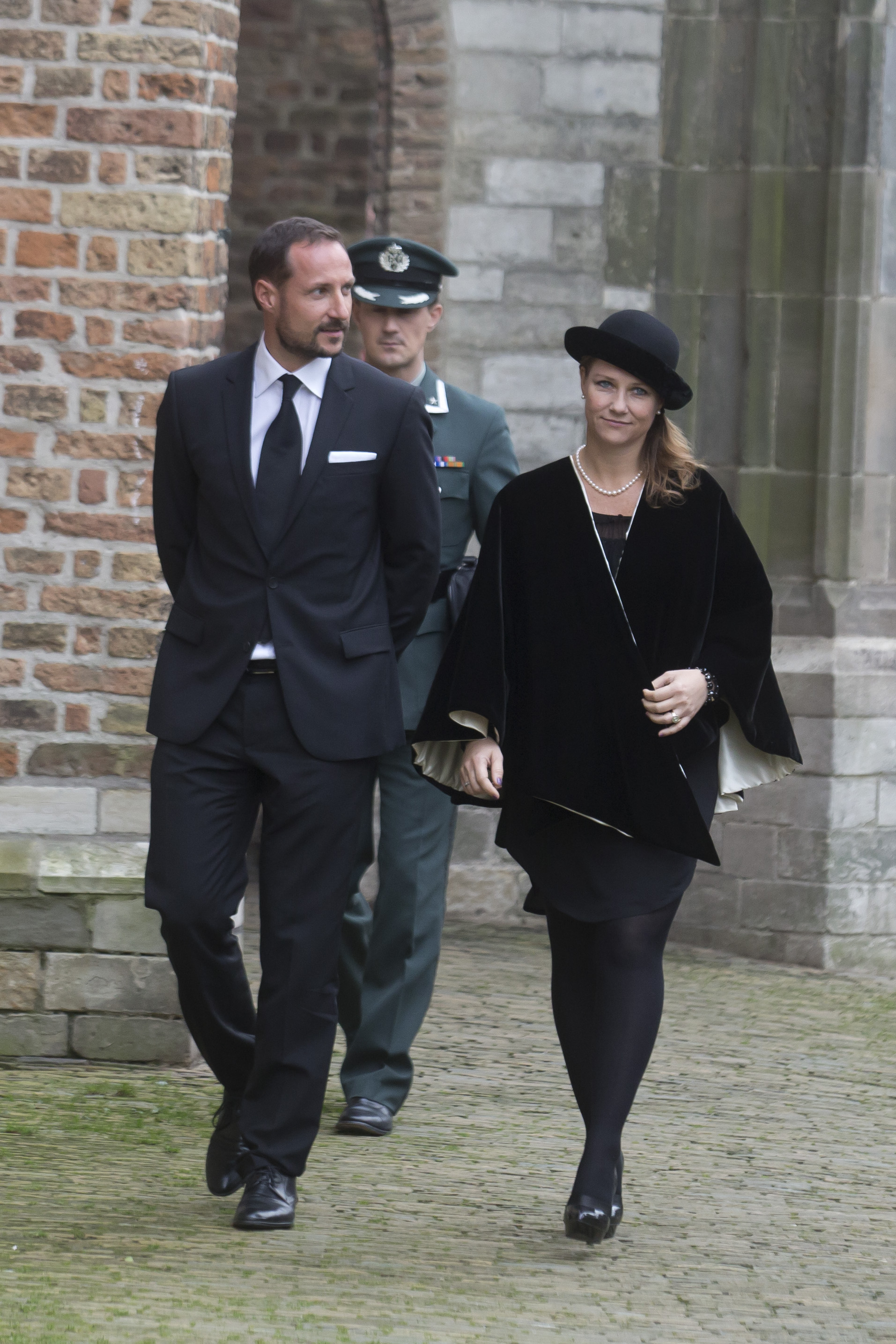
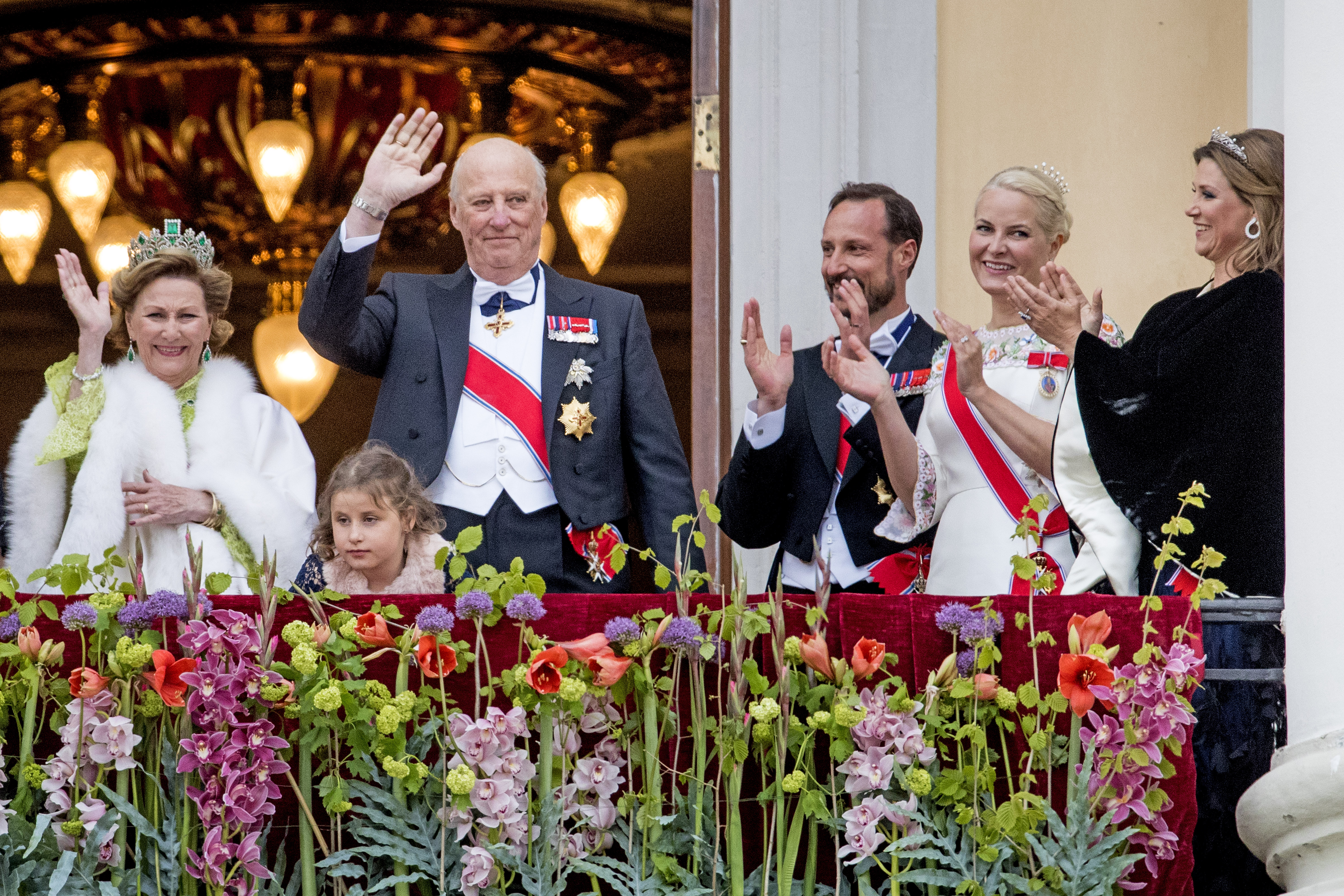
However, King Haakon and Queen Mette-Marit's first child, Princess Ingrid Alexandra, was born after 1990, meaning she will inherit the throne one day.
It seems Princess Märtha Louise has always been destined to walk her own path. King Harald’s eldest child is a controversial figure in Norway and has been widely criticized for her clairvoyant activities, along with her 2024 marriage to Hollywood shaman Durek Verrett.
Like Prince Harry and Meghan Markle, the two starred in a Netflix documentary about their unconventional royal romance titled Rebel Royals: An Unlikely Love Story.
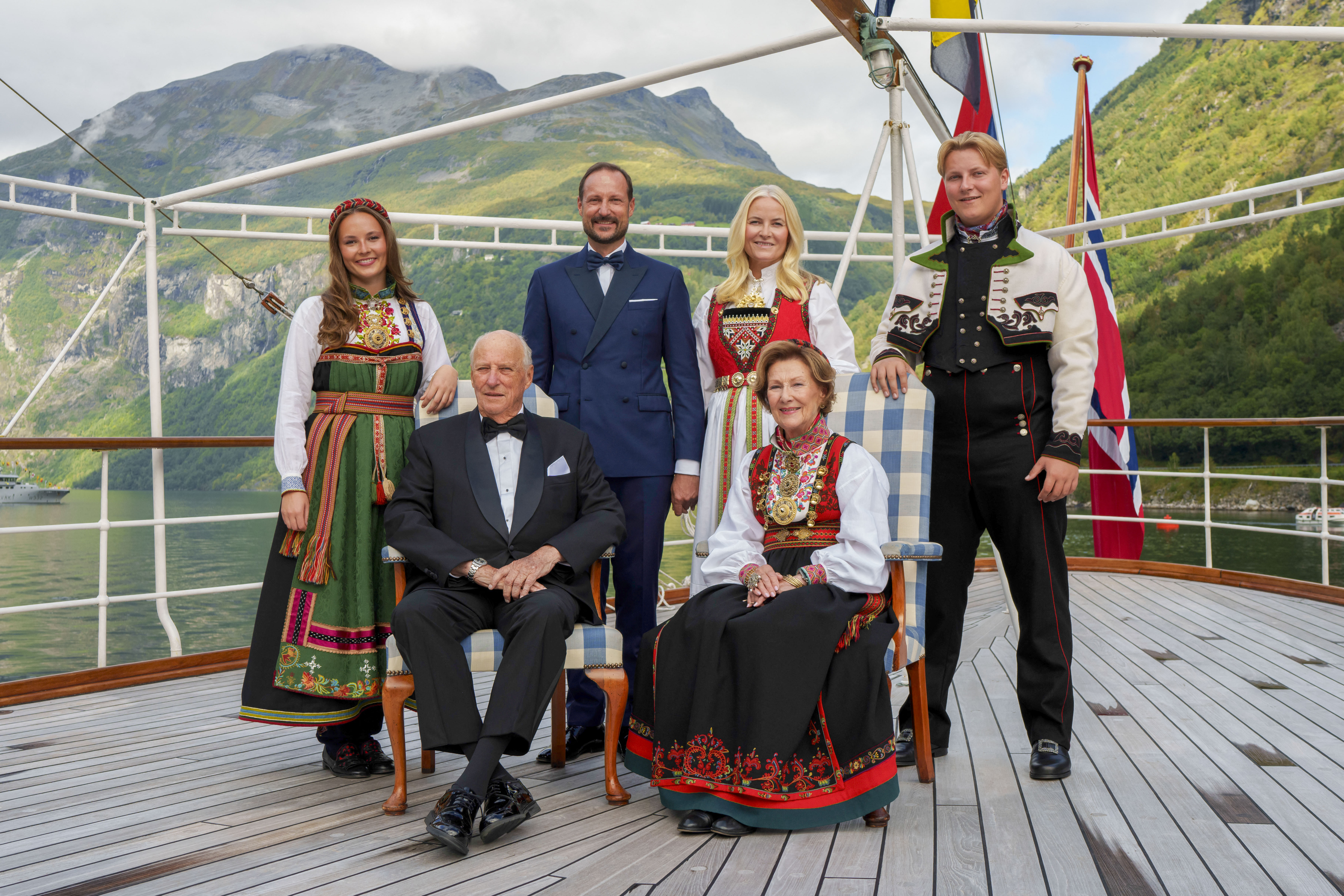
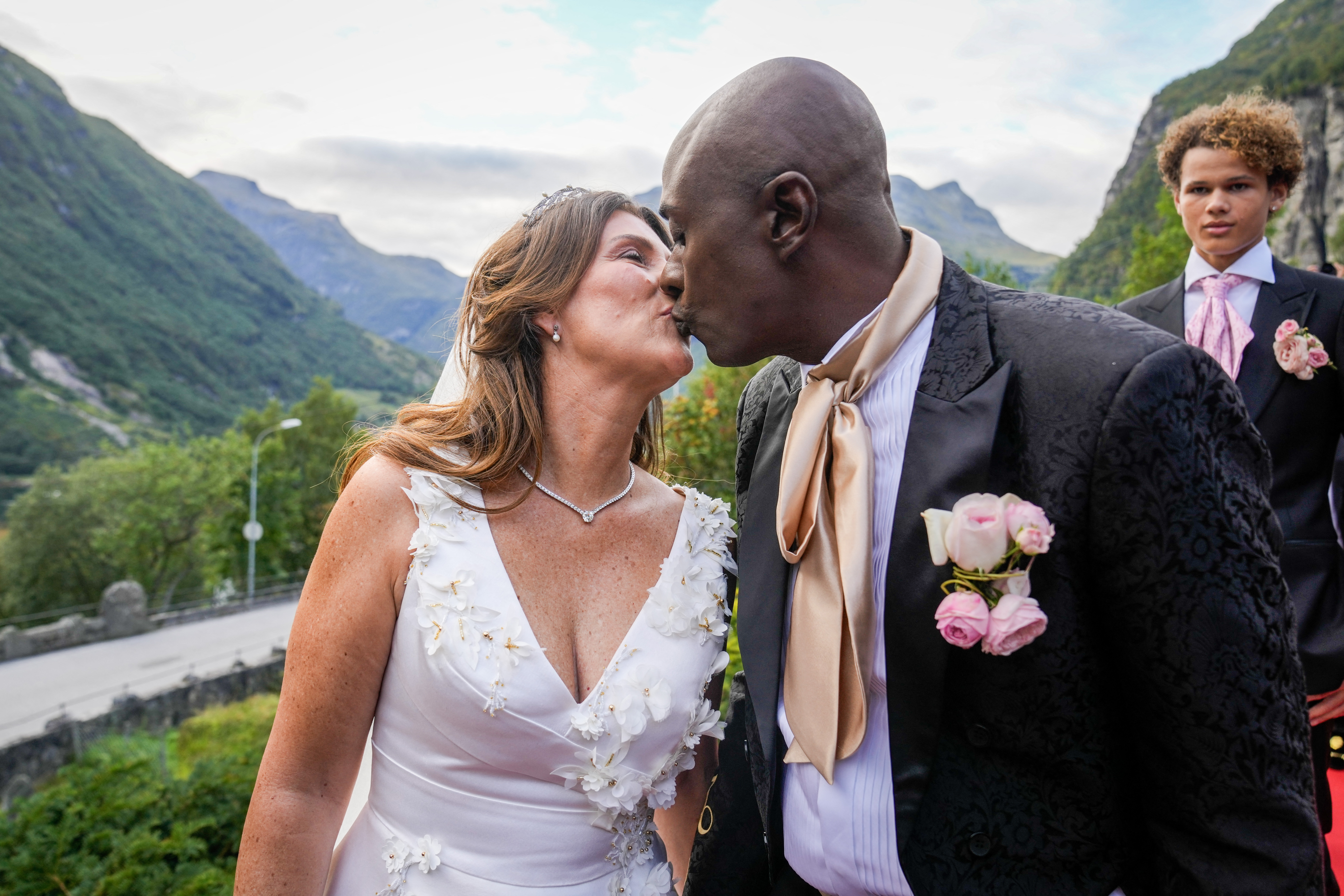
In 2019, the Norwegian royal court stated that Märtha Louise was no longer allowed to use her princess title in her business endeavors and in 2022, she stepped down from royal duties to focus on her commercial activities. However, she attends major family events, and will likely be on hand to support her brother during his transition as king.
Although Norway does not hold coronations, Haakon could choose to take part in a ceremony like his father did in 1991. The consecration at Trondheim's Nidaros Cathedral is a formal church blessing of the new monarch, but Haakon would not have a crown placed on his head like King Charles.
Want to read more?
Check out the full article on the original site