Can You Use Azelaic Acid and Retinol Together? Dermatologists Reveal Why the Skincare Combo Is So Powerful
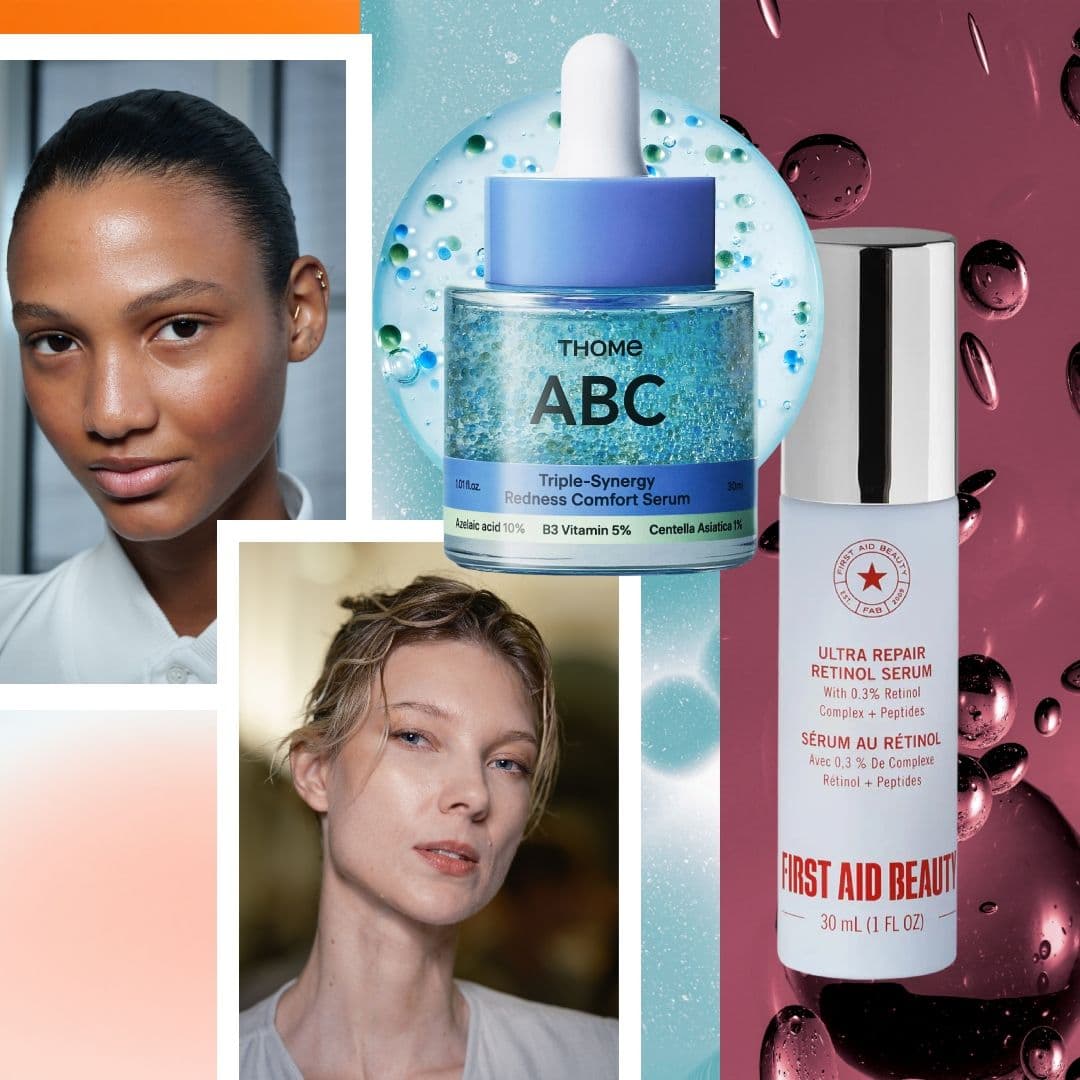
I’ve tried almost all the acne-fighting ingredients and prescriptions over the past two decades. I’ve used the benzoyl peroxide and sulfur face washes. I’ve tried salicylic acid toners and glycolic acid peels. I’ve even spent years on Spironolactone and just about every prescription medication—from Aczone to Clindamycin—you can imagine. While treating acne will always require some personalization and, normally, the guidance of a fabulous board-certified dermatologist, there are two over-the-counter ingredients that can help set you up for the clearest skin. Enter: azelaic acid, an anti-inflammatory, antibacterial agent, and retinol, a vitamin A derivative that can help speed up cell turnover, a.k.a. one of the buzziest skincare combinations taking over your TikTok FYP.
“They complement each other because they address different aspects of acne-prone skin,” says board-certified dermatologist Lian Mack, MD. “Retinol keeps pores from becoming clogged and promotes skin renewal, while azelaic acid reduces inflammation and acne-causing bacterial activity, while also addressing pigmentation.” When you use both together, you’re able to target not just acne but clogged pores, inflammation, redness, and texture. Basically, it is a win all around.
That all being said, figuring out the best way to incorporate the ingredients into your skincare routine—like what strength to use and how to layer them—can be a little tricky. That’s where some help from the pros comes in. Here, Dr. Mack, along with board-certified dermatologist Ella Glaser, MD, are sharing their tips for maximizing the benefits of retinol and azelaic acid.
What Does Azelaic Acid Do for Your Skin?
Azelaic acid is such a powerhouse ingredient. I personally love it for managing redness and perioral dermatitis (it’s incredibly anti-inflammatory), but it’s such a versatile molecule. “By nature, it’s anti-inflammatory, anti-pigment-producing, and anti-bacterial,” says Dr. Mack. It’s particularly effective at targeting C. Acnes, one of the main driving forces for acne, explains Dr. Glaser.
“Azelaic acid inhibits tyrosinase, an enzyme involved in the production of melanin, which is what makes pigment in the skin. Not only is this ingredient great for reducing acne, but it also helps reduce the stubborn hyperpigmentation and redness that is often left behind from acne,” she adds. The multitude of benefits it offers, paired with its tolerability (even super sensitive skin types like yours truly can use it without issue) makes it a common ingredient to use for a handful of dermatologic disorders, from rosacea and acne to pigmentary conditions like post-inflammatory hyperpigmentation and melasma.
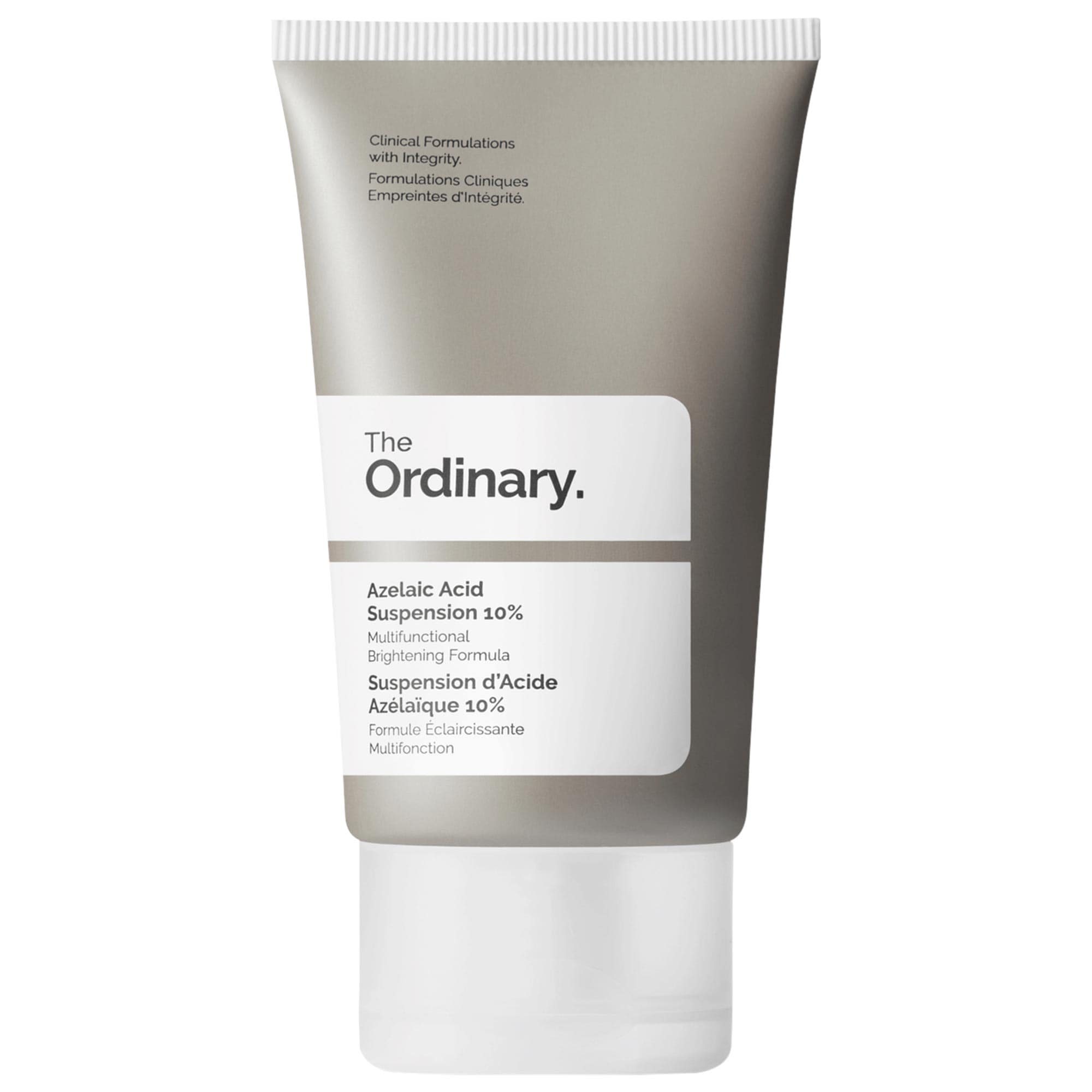
If you’re looking for an affordable option, you really can’t go wrong with The Ordinary. This one features a 10 percent concentration, which is the max you can get over the counter.
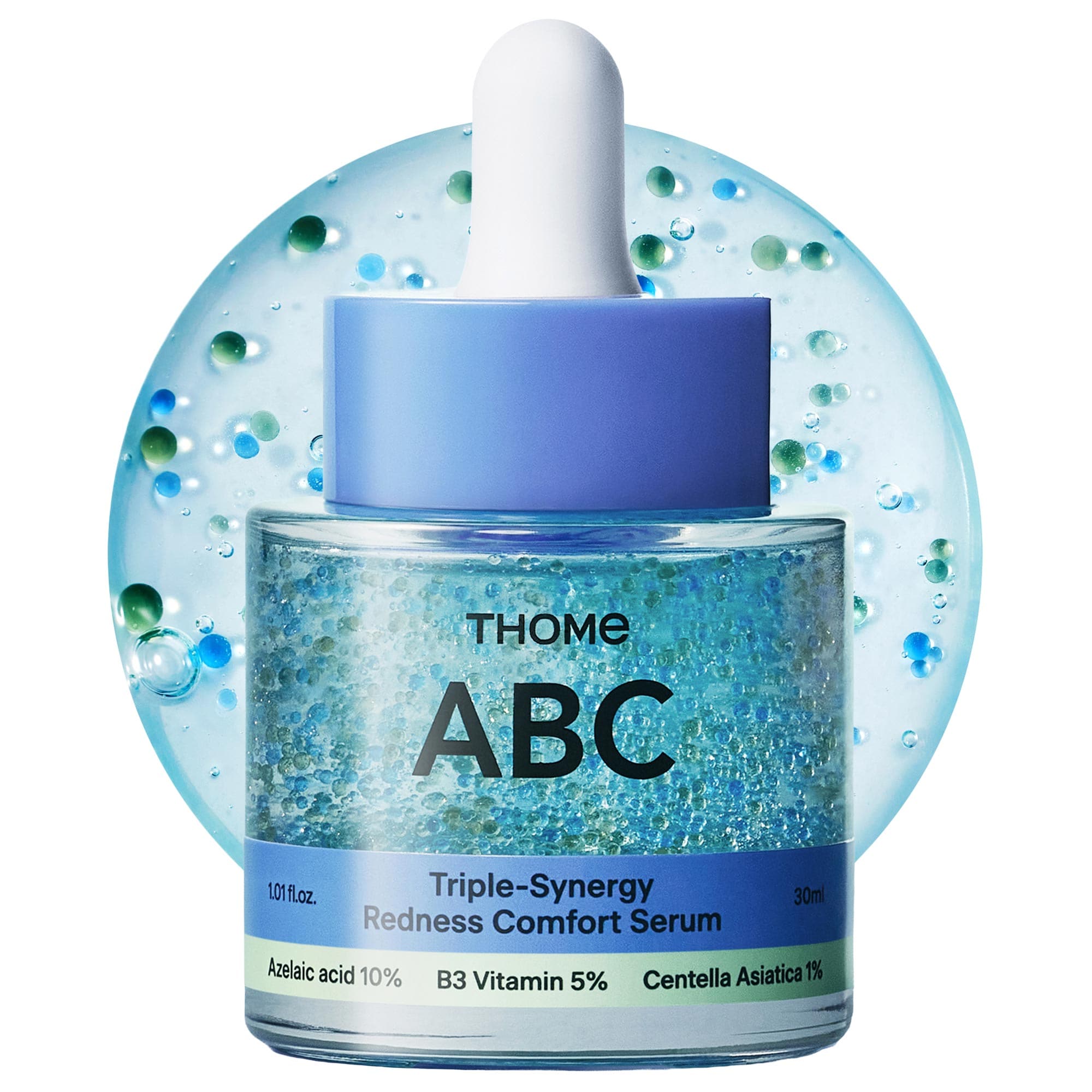
This K-Beauty option has been blowing up our Beauty Editor group chat. Not only does it have azelaic acid, but you’ll also get a boost of niacinamide, which can help unclog pores, even skin texture, and reduce pigmentation.
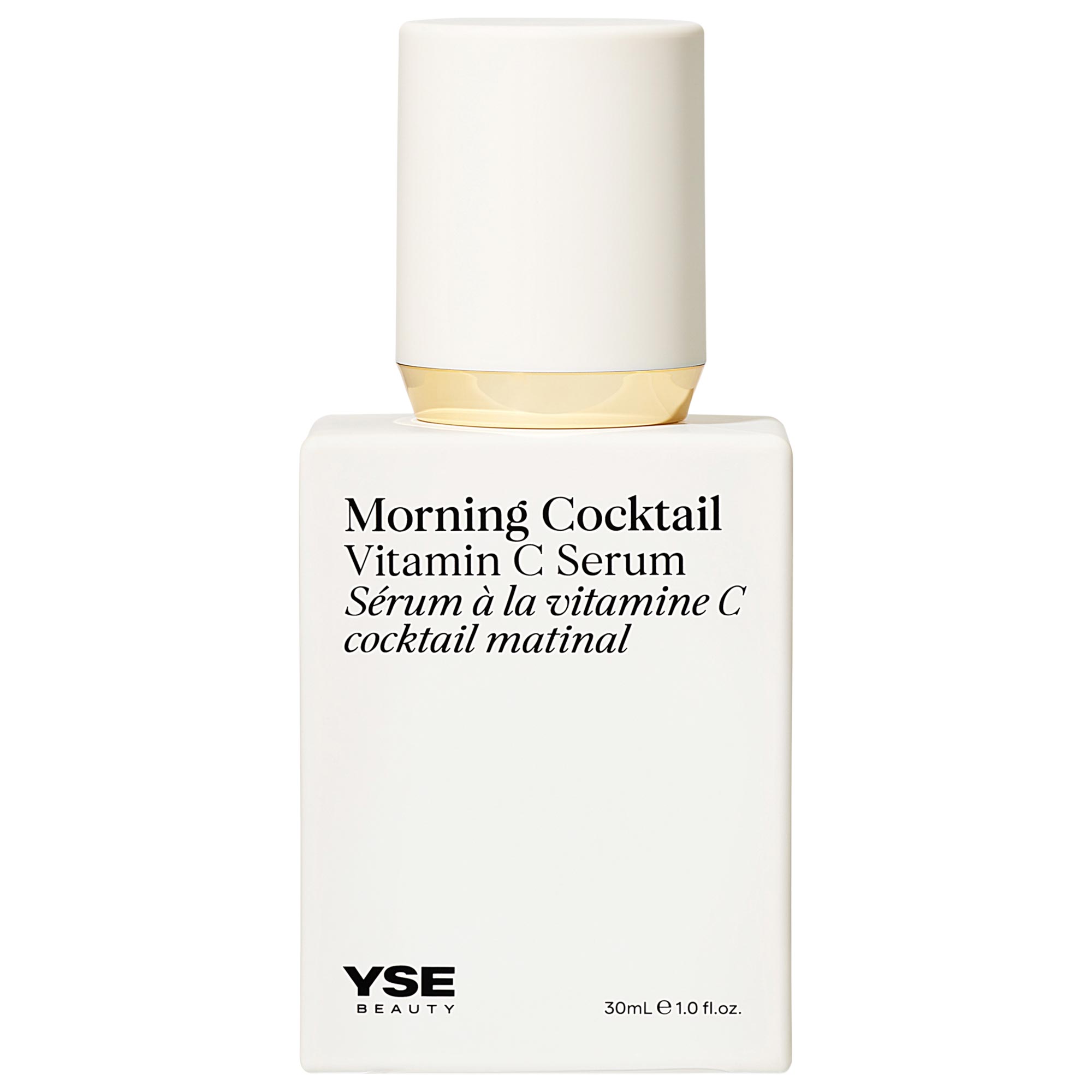
Vitamin C can be a tricky ingredient for acne-prone skin types, but this one, which also contains azelaic acid and niacinamide, is a 10 out of 10. Plus, the glow is unbeatable.
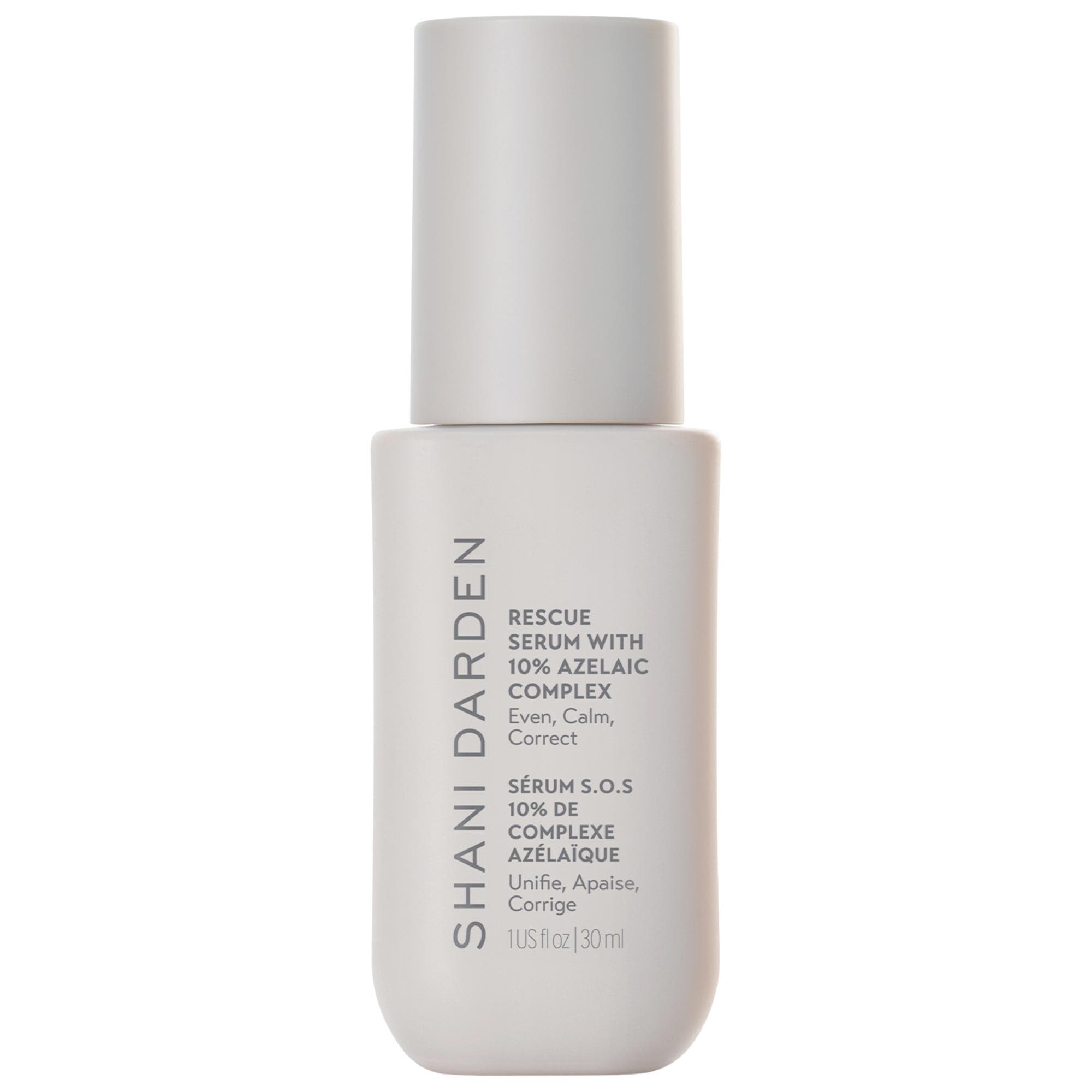
I probably recommend this azelaic acid formula more than anything else—the formula feels truly luxe on the skin and it calms down redness almost instantly.
What Does Retinol Do for Your Skin?
While we typically talk about retinol in the anti-aging sense—and don’t get me wrong, it’s incredibly effective at reducing the appearance of fine lines and wrinkles—it’s actually one of the best tools in your acne-fighting arsenal. One of the main jobs of retinol is to speed up cell turnover. When that happens, there’s less sebum, a decrease in oil products, and therefore a smaller chance of dead skin cells getting clogged up in pores and turning into acne. This all being said, it’s important to call out that there are different strengths of retinol. “Retinoids, such as tretinoin, are the prescription-strength version and retinols are the over-the-counter version,” explains Dr. Glaser. “Unlike the prescription retinoids, retinols must be converted by the skin to the more active form, this makes it generally less potent and often more tolerable.”
If you're more on the sensitive side of the spectrum, using a retinol or retinyl esters (the gentlest form of a retinoid) is a safer better; however, if your skin can tolerate it, retinaldehyde or a prescription retinoid, like tretinoin, will give you better results, faster.
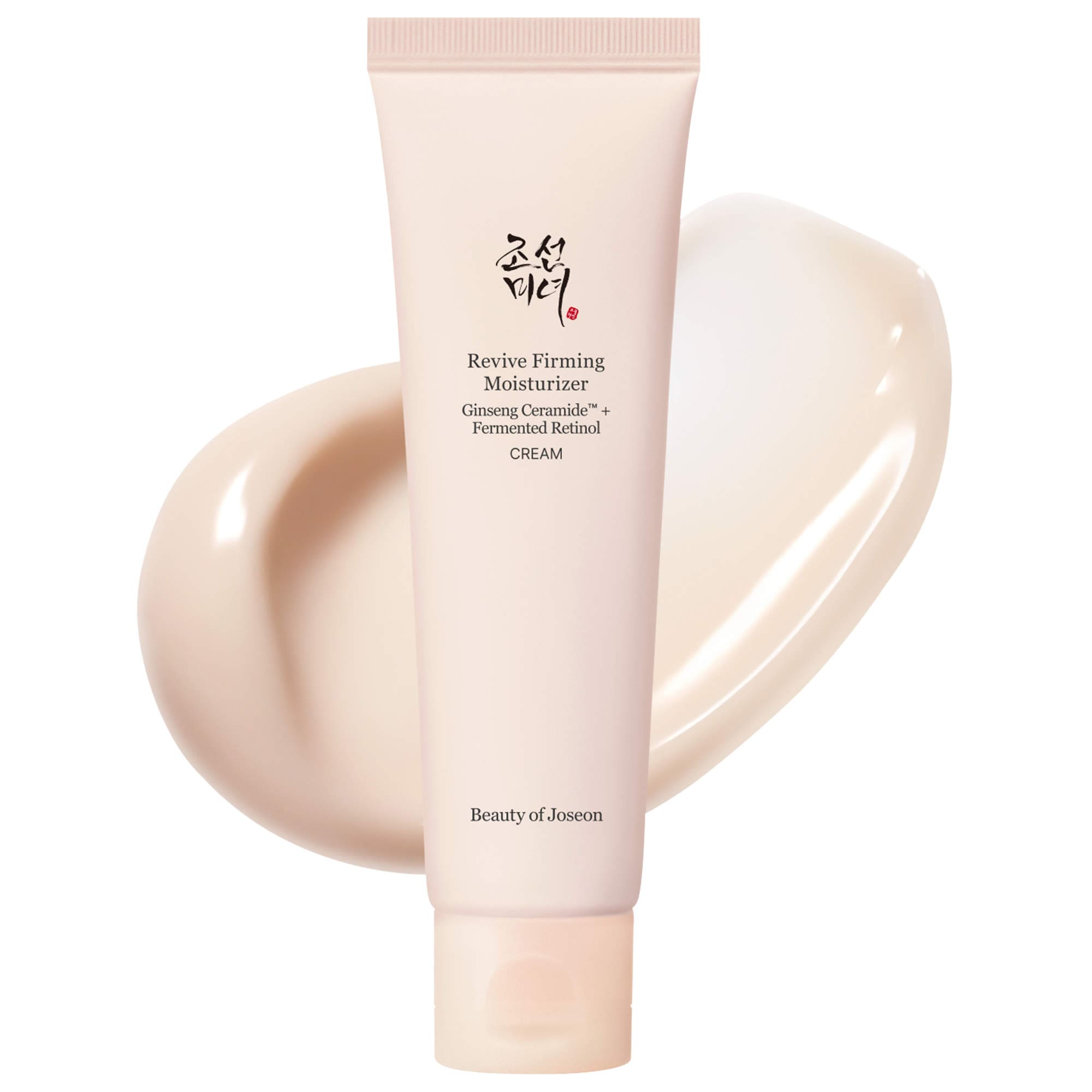
You don’t have to have a dedicated retinol treatment—pick a formula that includes the ingredient, along with other intense hydrators, like this Beauty of Joseon formula. It’s my top tip for avoiding irritation.
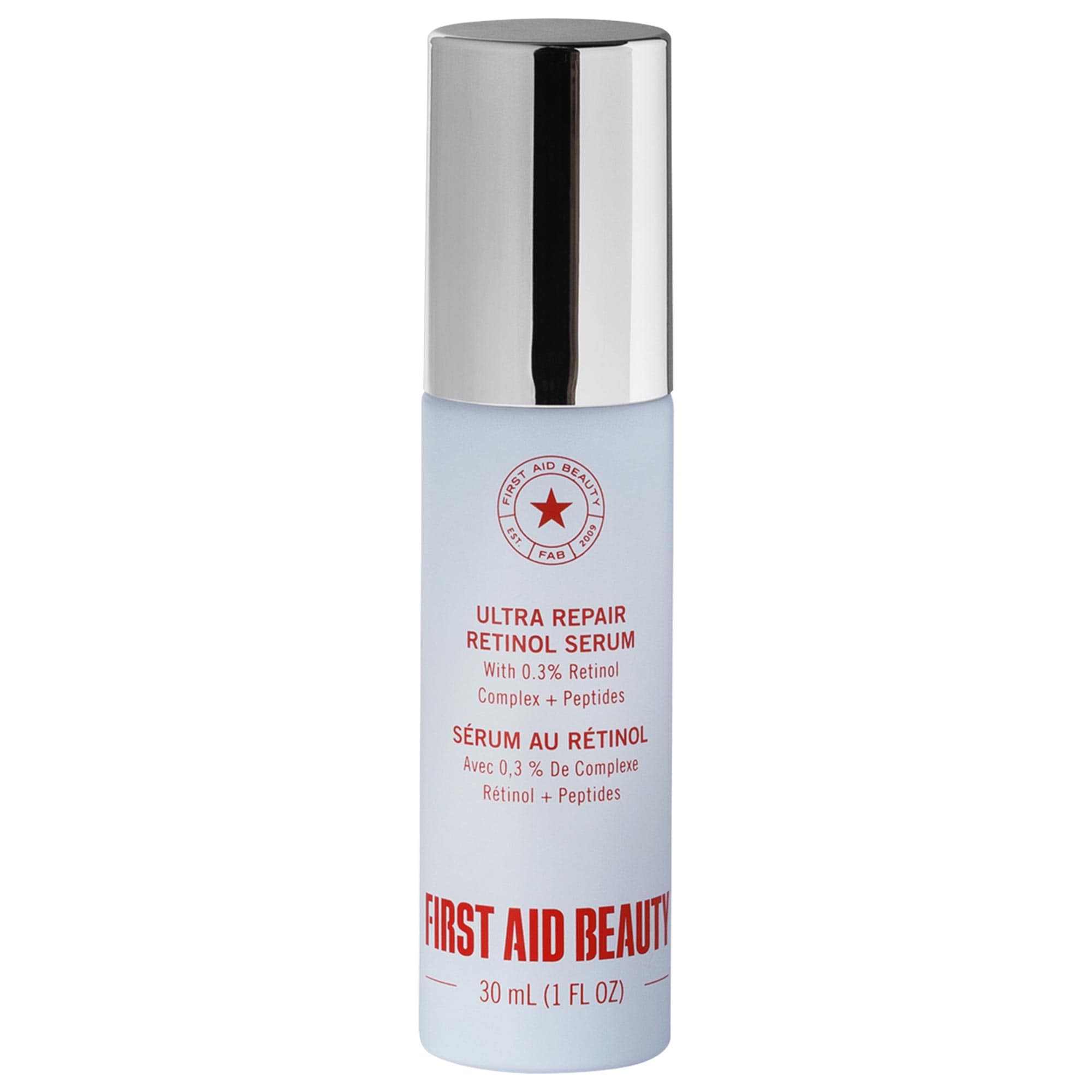
This brand is designed with sensitive skin in mind, so trust that the retinol formula has been padded with hydrating peptides and soothing glycerin. Grab this if you’re both sensitive and acne-prone.
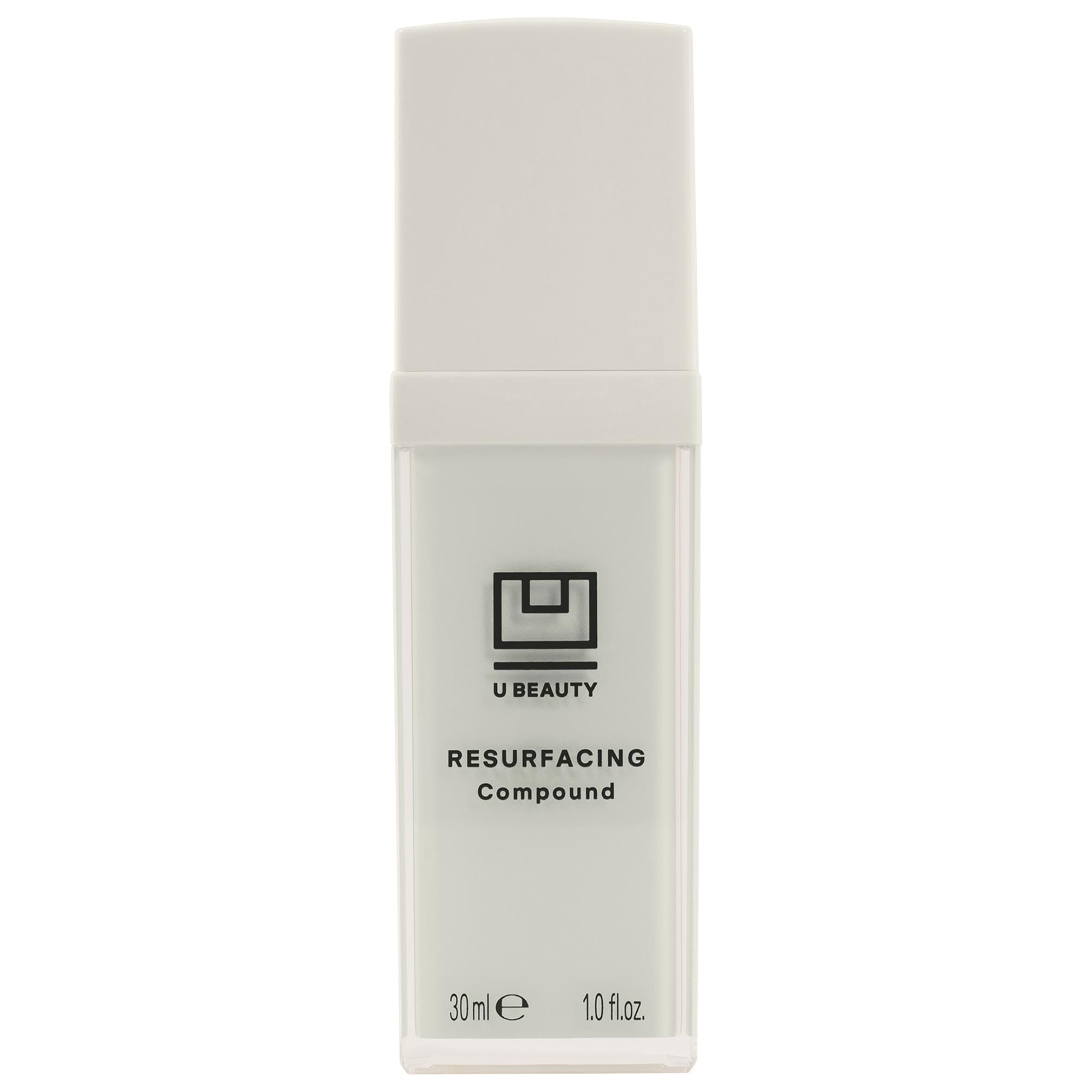
If you’ve used gentler formulas in the past are looking for a formula that’s a bit more heavy duty, this is the one for you. It’s baby skin in a bottle, and results kick in quickly.
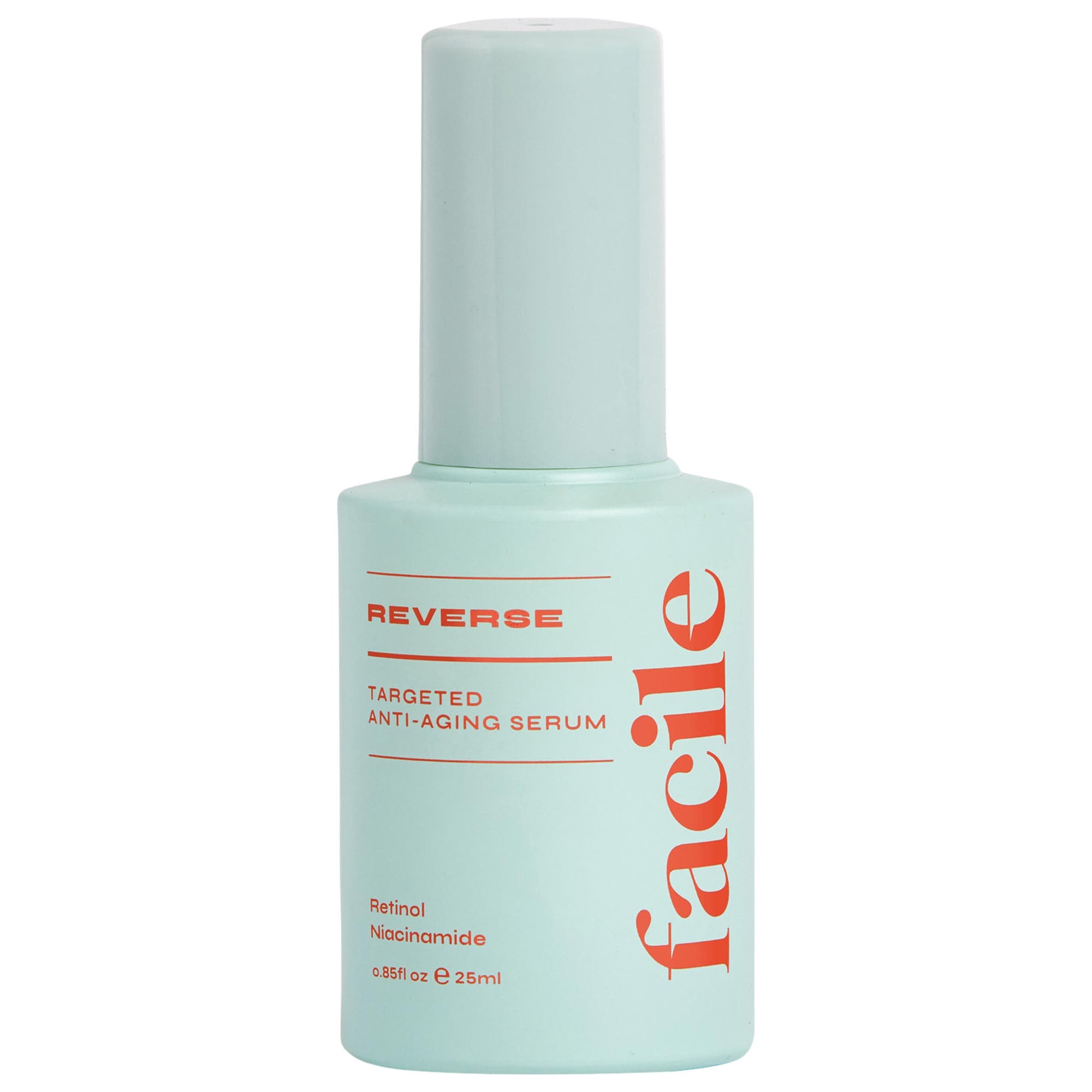
I have been loving this brand—the formulas are effective, the ingredients are intention, and the price point is very fair. Try this if firming skin and managing acne are your top concerns.
Is Azelaic Acid or Retinol Better for Acne?
Neither is necessarily better; they just work on different concerns. “For acne specifically, retinoids have a stronger role in preventing clogged pores and treating acne formation, so retinoids are often a cornerstone of acne treatment,” says Dr. Mack. “Azelaic acid is particularly attractive if you have inflamed acne, redness, sensitive skin, or dark marks left behind after breakouts.”
Can I Use Retinol and Azelaic Acid Together?
You can absolutely use retinol and azelaic acid together; just make sure you’re providing your skin with adequate hydration—you don’t want to end up with irritation. “The limiting factor isn't that the ingredients are incompatible, it's whether your skin can tolerate the combination because both ingredients can be irritating and drying,” explains Dr. Glaser. “For patients with sensitive skin, I would not introduce both simultaneously; allow the skin to adjust to one ingredient first before adding the second.”
If you do work your way to using both ingredients, consider using azelaic acid in your morning routine and retinol in your nighttime routine. If you’re going to use both at night, Dr. Glaser recommends putting on the azelaic acid formula first. Once you work up to dual usage, expect the combination to be particularly effective, especially if you have acne paired with post-acne dark marks or irritation, or clogged pores and an uneven texture, says Dr. Mack.
What Concentration of Retinol and Azelaic Acid Should I Use?
As a rule of thumb, azelaic acid is well-tolerated, and you can typically start with around 15 percent or a prescription-strength option. Retinoids, on the other hand, are more irritating. “Consider starting at a lower concentration, like .1 percent to .3 percent, and increase as tolerated,” says Dr. Mack. She also points out that azelaic acid is pregnancy-safe while retinol is not. But using the combination together is one of the most effective options to minimize acne breakouts, banish dark spots, and smooth the skin for a brighter, radiant complexion.
Why Trust Marie Claire
For more than 30 years, Marie Claire has been an internationally recognized destination for news, fashion and beauty trends, investigative packages, and more. When it comes to the products Marie Claire recommends, we take your faith in us seriously. Every product that we feature comes personally recommended by a Marie Claire writer or editor, or by an expert we’ve spoken to firsthand.
Meet the Experts
Want to read more?
Check out the full article on the original site