Iran’s IRGC Unit 4000 Plans Attacks On Ships, Waterways And Ports In East Asia, Sources Say


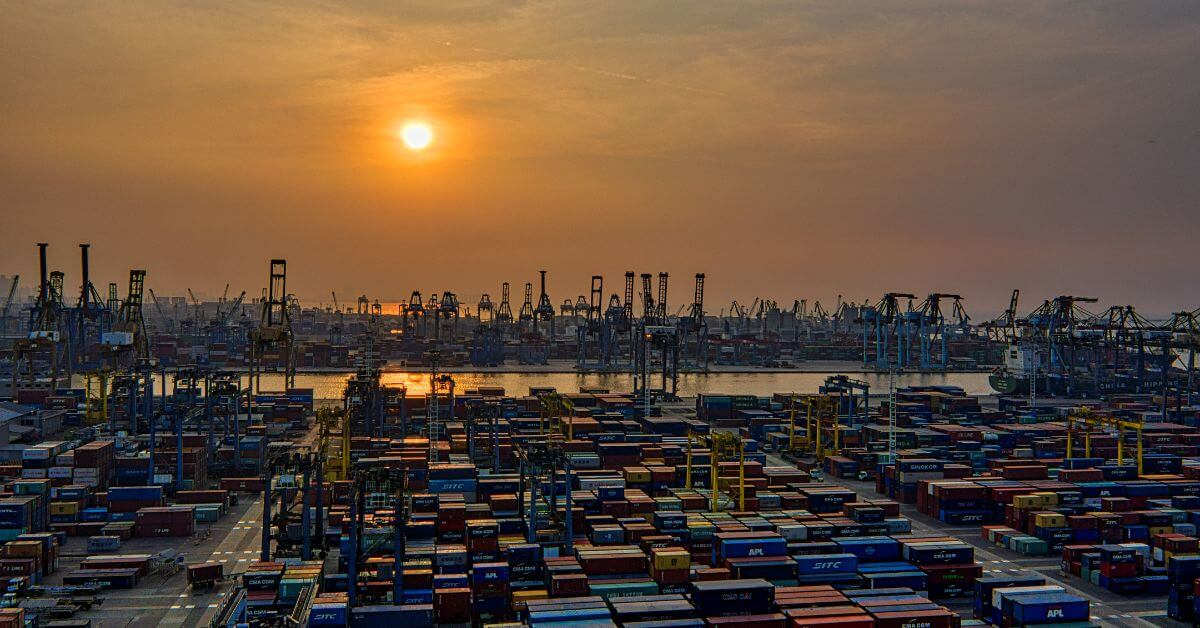
Iran’s Islamic Revolutionary Guard Corps (IRGC) is planning attacks on ships, ports, and waterways in East Asia, according to sources cited by Iran International.
The plans are being handled by Unit 4000, the special operations division of the IRGC Intelligence Organisation.
The sources said the unit has recruited people from outside Iran in Thailand and Indonesia and taken them to Iran for training.
The targets include commercial, military and privately owned ships in the Bangka and Malacca straits.
The plans also include targeting China’s Ningbo-Zhoushan and Shanghai ports, and Indonesia’s Tanjung Priok Port, according to Iran International.
Brigadier General Rahman Moghaddam, commander of Unit 4000, is overseeing the plans. Moghaddam was reported to have been killed in an Israeli strike in Iran on March 3.
Iran International’s sources now say he survived the strike and is still running Unit 4000.
Two days after reports of his death, drones struck Nakhichevan in Azerbaijan. Baku blamed Iran for the attack, while Tehran denied any involvement.
Iran has warned of attacks at sea
Iran has tried to restrict shipping through the Strait of Hormuz since the war started on February 28.
At the same time, Iran-backed Houthis in Yemen have disrupted shipping around the Bab al-Mandab Strait and the Red Sea.
Mohsen Rezaei, then an adviser to Iran’s supreme leader, told CNN in June that Iran could widen the conflict if the war and US naval blockade continued.
Rezaei said Iran would take the war to the Indian Ocean, Bab al-Mandab, the Red Sea and the Mediterranean if the war continued and the blockade was not lifted.
Around the same time, IRGC Quds Force commander Esmail Qaani said a new “security belt” would stretch from the Strait of Hormuz to Bab al-Mandab and from the Persian Gulf to the Red Sea.
Iran International also reported that Qaani said the IRGC had other maritime targets beyond Hormuz and Bab al-Mandab.
Recruitment in Thailand
Per sources cited by Iran International, Unit 4000 has been looking for non-Iranian recruits for its planned operations in East Asia.
Using people from other countries could help Iran deny involvement if an operation was exposed, the sources said.
The recruits were allegedly taken to Iran for training before being sent to East Asia.
In Thailand, Moghaddam allegedly approached Seyyed Momen Saketicha, a senior figure in the country’s Shiite community.
Saketicha was part of a Thai delegation that travelled to Iran in 2023. The delegation met Hamas representatives as it sought the release of Thai nationals taken hostage during the October 7 attack on Israel.
The sources said Saketicha is a close associate of Thai Shiite cleric Seyed Sulaiman Husaini. Husaini heads the Al-Mahdi Foundation in Thailand and serves as imam of the Ruhollah Mosque in Nakhon Si Thammarat.
He also has links to Al-Mustafa International University in Iran. The US Treasury sanctioned the university in 2020 over what Washington said was its role in helping recruit people for the IRGC Quds Force.
In 2012, Bangkok was hit by a series of explosions in an incident that Thai and Israeli officials linked to a suspected plot against Israeli diplomats. Husaini accused Mossad of being behind the blasts.
A Thai court later found two Iranian men guilty in connection with the plot, while Iran rejected any role in it.
Indonesia is the main focus
Most of the reported Unit 4000 activity in East Asia is focused on Indonesia. Moghaddam reportedly used two Indonesian clerics to help find potential recruits.
One was Zahir Yahya, chairman of Ahlulbait Indonesia, a national Shiite organisation. The sources described him as an intermediary who introduced possible recruits to Unit 4000.
The other was Abdullah Saqqaf, identified by the sources as head of the Amir al-Mu’minin seminary in Bogor. He was also described as having links to Al-Mustafa International University.
The sources said Saketicha, Yahya and Saqqaf introduced possible recruits to the IRGC.
Two Unit 4000 members, Mohsen Aghazadeh and Vahid Yekeh-Dehqan, were responsible for recruitment and training, according to the report.
Iran International identified three Indonesian nationals as alleged recruits: Ardiyanta Mutoha, Mohammad Hossein and Pandu Yudhawinata.
The sources said the three travelled to Tehran for training for possible covert operations at ports and waterways in East Asia.
Yudhawinata has previously been linked in counterterrorism reports to Hezbollah and Iranian intelligence, Iran International said.
He was linked to a failed 1994 plot to bomb the Israeli Embassy in Bangkok. Counterterrorism reports said he received training in Iran and later worked with Hezbollah networks in Southeast Asia.
Iran International’s sources also linked him to attacks in Sri Lanka.
The source material also says Yudhawinata was expelled from an Indonesian university before travelling to Tehran and being recruited by Iranian security organisations.
References: iranintl, jpost
Want to read more?
Check out the full article on the original site