US Accuses Chinese Shipping Giant Of Using Concealed Equipment To Gather Military Intelligence

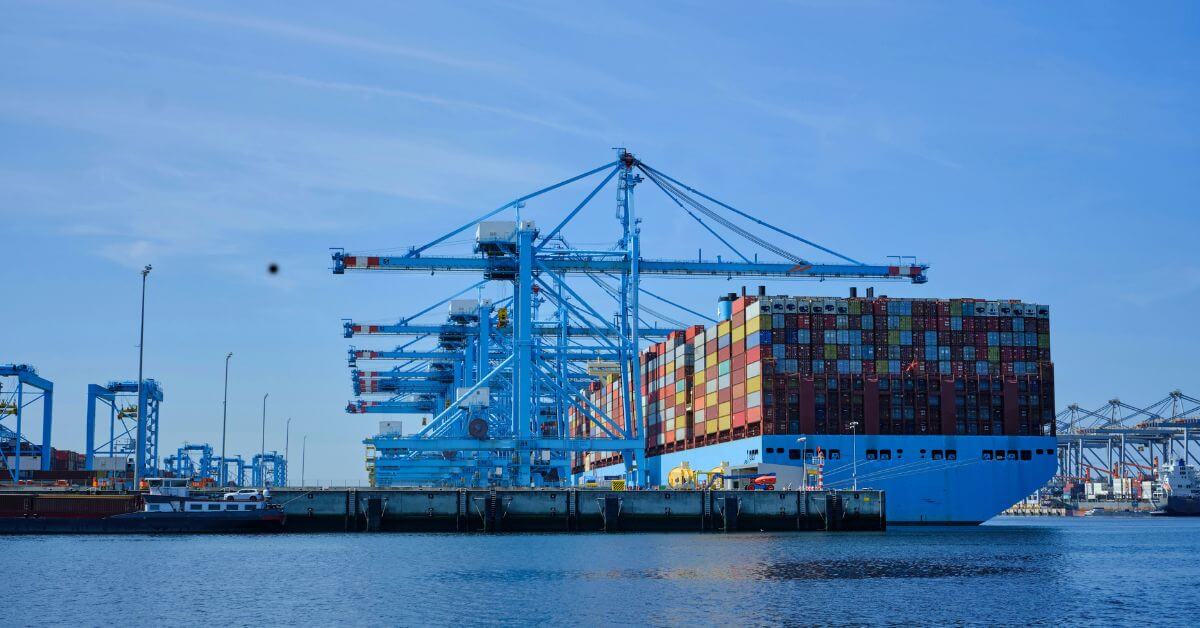
The US administration has accused Chinese state-owned shipping company COSCO of using hidden equipment on its ships to collect military communications near the coasts of the US and other countries.
They said COSCO has been working with Beijing to gather intelligence for decades. The arrangement allegedly allows China to collect communication signals from ships and aircraft across Europe, North America and Asia.
One official said the equipment was used to gather information about military communications and encryption technology.
The officials did not say what type of equipment was being used. They described it as advanced intelligence-gathering equipment, not normal communications equipment.
They said the operation also allows Beijing to monitor key shipping lanes and maritime routes used for trade and military activities.
Officials said the information collected could help China track foreign military movements, provide early warnings and strengthen its position in territorial disputes.
China’s embassy in Washington denied the allegations. It said the Chinese government would never ask a company or individual to collect intelligence abroad in violation of local laws.
The U.S. Department of Defense added COSCO to its list of Chinese military companies in January 2025. The Pentagon said the list includes companies that support China’s military-civil fusion strategy.
The designation can affect COSCO’s reputation and access to U.S. government contracts, but it does not impose formal sanctions.
In a Jan. 22, 2025 letter, senior members of two House committees asked the U.S. Coast Guard about possible risks linked to COSCO’s role in the U.S. maritime transportation system.
The lawmakers raised concerns about possible espionage, cyberattacks, sabotage and supply-chain disruption.
Naval War College Report Examined Chinese Ships
A report published by the China Maritime Studies Institute at the U.S. Naval War College in April 2025 looked at the possible use of Chinese fishing and commercial ships for intelligence and surveillance.
The report said People’s Liberation Army experts had supported placing intelligence personnel on Chinese ships operating abroad.
It said the PLA could use China’s distant-water fishing fleet and Chinese-owned or operated merchant ships for intelligence, surveillance and reconnaissance.
However, the report did not say that COSCO ships were involved in the specific intelligence activities alleged by Trump administration officials.
It said Chinese vessels operating overseas were likely already carrying personnel responsible for collecting and reporting intelligence.
These personnel could gather military and political information while working abroad, according to the report.
It also said similar arrangements may already exist in China’s commercial shipping industry. The report mentioned the recruitment of maritime intelligence specialists from shipping workers in Beihai city in Guangxi province.
COSCO Remains Important to US Trade
COSCO is still one of the biggest shipping companies operating at US ports. It also has several joint ventures that provide container terminal services in the United States.
Because of its role in US trade, taking action against COSCO could be difficult for Washington.
Isaac Kardon, an expert on Chinese maritime strategy at Johns Hopkins School of Advanced International Studies, said the US government could find it difficult to take strong action because COSCO is closely linked to US trade networks.
China’s National Intelligence Law, passed in 2017, requires Chinese organisations and citizens to support state intelligence work when required.
The Trump administration had earlier planned to impose billions of dollars in port fees on Chinese shipping companies, including COSCO. The plan was aimed at supporting US shipbuilding and the maritime industry.
The plan was later paused after Trump and Chinese President Xi Jinping agreed to a one-year trade truce. The agreement is expected to expire later in 2026, and the two leaders may discuss extending it.
US officials have not publicly provided evidence to support their claims.
References: Reuters, twz
Want to read more?
Check out the full article on the original site