Chinese AI System Cuts Simulated Coastguard Weapons-Use Risk From 0.3% To Zero In Disputed Waters
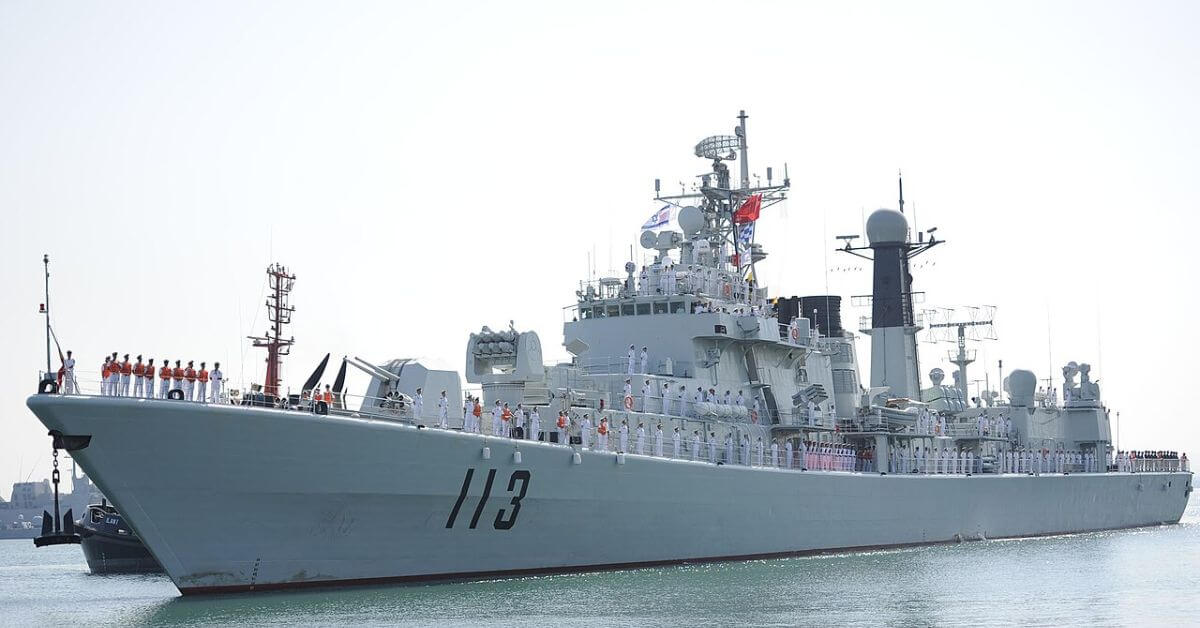
A new AI system developed by Chinese researchers could help coastguard commanders avoid using lethal force during tense encounters at sea.
In computer simulations, the system reduced the risk of a simulated Chinese coastguard vessel using lethal weapons from 0.3% to zero.
The system helps commanders understand what another vessel may be trying to do. It can assess whether a vessel is simply passing through, fishing, or deliberately trying to probe or harass the coastguard.
In simulations, the AI correctly identified a vessel’s intentions 89.6% of the time, compared with 68.5% for the existing rule-based system.
The researchers said the AI could help commanders use less force, such as water cannons instead of lethal weapons.
The study was led by Sun Shengzhi, a professor at the China Coast Guard Academy, and was published on Aug. 10 in the Chinese journal Command Control & Simulation.
How the AI Was Tested?
The researchers created a computer-based war game involving a Chinese coastguard vessel protecting fishing boats from foreign vessels.
In the simulation, four to six foreign vessels carried out surveillance and low-level harassment near the fishing boats.
The scenario was based on situations that can happen in disputed waters, where vessels may act aggressively without starting an open conflict.
The vessels had to stay at least 0.5 nautical mile, or about 0.9 km, apart and follow rules on the use of weapons.
Under the existing rule-based system, the simulated Chinese coastguard vessel used lethal weapons in 0.3% of the scenarios.
The researchers said that even such a small risk could become a serious problem during a tense encounter at sea.
AI Changes Its Assessment
The system uses radar and other sensor data to understand why a vessel is moving in a certain way.
In one simulation, the AI first assessed that there was a 72% chance that a nearby vessel was simply passing through.
However, its assessment changed after three vessels formed a wedge-shaped formation and approached from different directions. The AI then calculated that there was a 68% chance the vessels were carrying out coordinated probing.
It responded by ordering the use of a water cannon to deter them.
The researchers said the AI did not cause any violations of weapons-use rules during the simulations. It also reduced other rule violations.
For example, the rate of vessels getting too close to each other fell from 1.2% under the rule-based system to 0.8% with the AI system.
AI Also Tested Against Deception
The researchers also tested the AI in a scenario involving possible deception.
In the simulation, fishing boats appeared to move away while other vessels approached the coastguard ship at higher speed from another direction.
The AI identified this as a possible attempt to deceive the coastguard and held its position instead of reacting to the boats moving away.
The researchers said the test showed that the system could assess the movements of several vessels together instead of looking at each vessel separately.
Human Commanders Would Still Make Decisions
The researchers said AI is not meant to replace human commanders.
Instead, they see it as a tool that can help human operators assess vessel intentions and choose a response within set rules.
The team plans to test the system in more complex scenarios involving different operational areas. It will also study how humans and AI can work together in decision-making.
The researchers said more work is needed to ensure AI decisions follow higher-level strategic goals and ethical rules.
References: interestingengineering, scmp
Want to read more?
Check out the full article on the original site