Vacation Is Anything But Idyllic in These Chaotic Books Set at Summer Homes

When you're looking to get lost in a book, sometimes you need your reading material to match your mood. With Marie Claire's series "Buy the Book," we do the heavy lifting for you. We're offering curated, highly specific recommendations for whatever you're looking for—whether you're in your feels or hooked on a subgenre trending on #BookTok.
As summer comes to a close, many of us are squeezing every drop out of the season's remaining days by whisking away to vacation homes. After all, there’s nothing quite like nursing hangovers by the sea, congregating with loved ones over delicious meals, or finishing a book on the sandy deck of a ramshackle beach house.
Complete with refreshing cocktails and breezy outfits, these last languid days can also lead to drama. Of course, no one sets out to spend their last bits of the season submerged under the choppy waters of hidden entanglements and broken hearts, but, well, you can’t always get what you want. For all the board games and late-night antics, summer houses can also occasionally moonlight as pressure cookers. What once was a friend’s quirk is now a grating habit. A sibling’s honking laugh: The alarm clock you never wanted. And things much darker—at least if you’re living in the world of fiction.
A riff on the locked-room trope, some of the most simmering stories have occurred in crumbling villas and musty lake houses, mirroring the deterioration of relationships, mental health, and general decorum among characters. With such a variety of houses to snoop, we’ve curated a list of novels featuring vacation homes perfect for the final hazy days of the season. Whether you’re looking for a swoony coming-of-age story or a twisty thriller, these novels offer thick tension, tricky characters, and villas you wish you could visit. Below, discover some of the best novels set at summer houses to read now.

Retellings of classic literature are everywhere these days—especially mythology. While the Greeks' tales may be taking center stage at the moment, Shakespeare reimaginings are never far behind. Take, for example, Waist Deep, the reinterpretation of A Midsummer Night’s Dream by debut Danish novelist Linea Maja Ernst. Set over a week’s vacation at a lake house in Denmark, a group of friends (and a couple of their partners) reunite years after college. There’s sun, there’s lounging, and there’s sex—a lot of it. But this isn’t a romance by any stretch. Rather, it’s a probe into what happens when you become an adult and realize that requires…adulting, like all the time.
Enter Sylvia, who’s shocked as she processes that her friends, like her, have aged. And though she’d prefer to lie in a hammock reading forever, she can’t deny she’s drawn to the life her friends, Karen and Esben, have built. Perhaps she’d be interested in that life, too, if it were with Esben. But she couldn’t do that to Karen, could she? Then there’s Gry, who relishes being a mother. But after spending time with her eccentric friends, she questions if she’s become boring from motherhood. Quince, a trans man, meanwhile, is embracing the freedom and experiences he was denied when he was younger. Throughout the book, these threads tangle and fray, and might make you reconsider vacationing with college pals (not really). Its simple premise is deceptive. Reading Waist Deep is like wading into the sea—until you're suddenly surprised to realize you've gone in over your head.
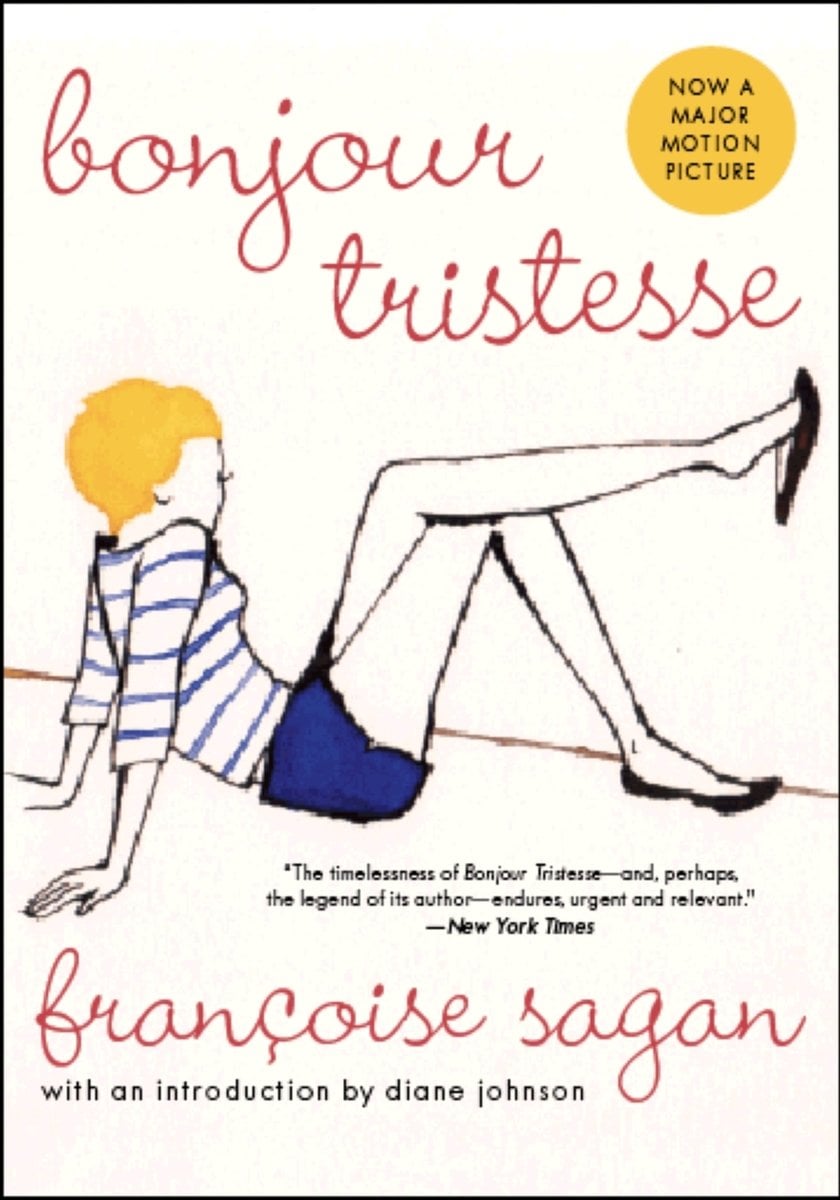
It’s the 1950s and 17-year-old Cécile has decamped from boarding school to a villa on the French Riviera for the summer with her father, Raymond. Though Cécile’s mother is dead, there’s no shortage of female influence in her life. Since her mother’s passing, Raymond has become a playboy, inviting his latest lover, Elsa, to join them for the season. For a while, the three engage in an idyllic getaway. Elsa encourages Cécile to explore her sensuality with lawyer-to-be, Cyril.
Then, her mother’s friend Anne shows up and derails the hazy rhythm of their vacation. For one, Anne is no pushover. Thriving on structure and rules, Anne is at once at odds with Cécile and Elsa, who prefer the easy approach to their time at the villa. But Anne has other ideas—like Cécile should get serious about her grades, stop flirting with boys, and prepare for the upcoming semester. Though Cécile and Anne butt heads, her father is much more accepting of their new guest. Perhaps a little too welcoming, if you ask Cécile. Soon, Cécile whips up a plan to ensure her father doesn’t fall for the matronly buzzkill. But when the plan goes sideways, Cécile is confronted with the consequences of her actions.
If Cruel Intentions became your whole personality after your first watch, chances are you’ll have a similar reaction to this book.
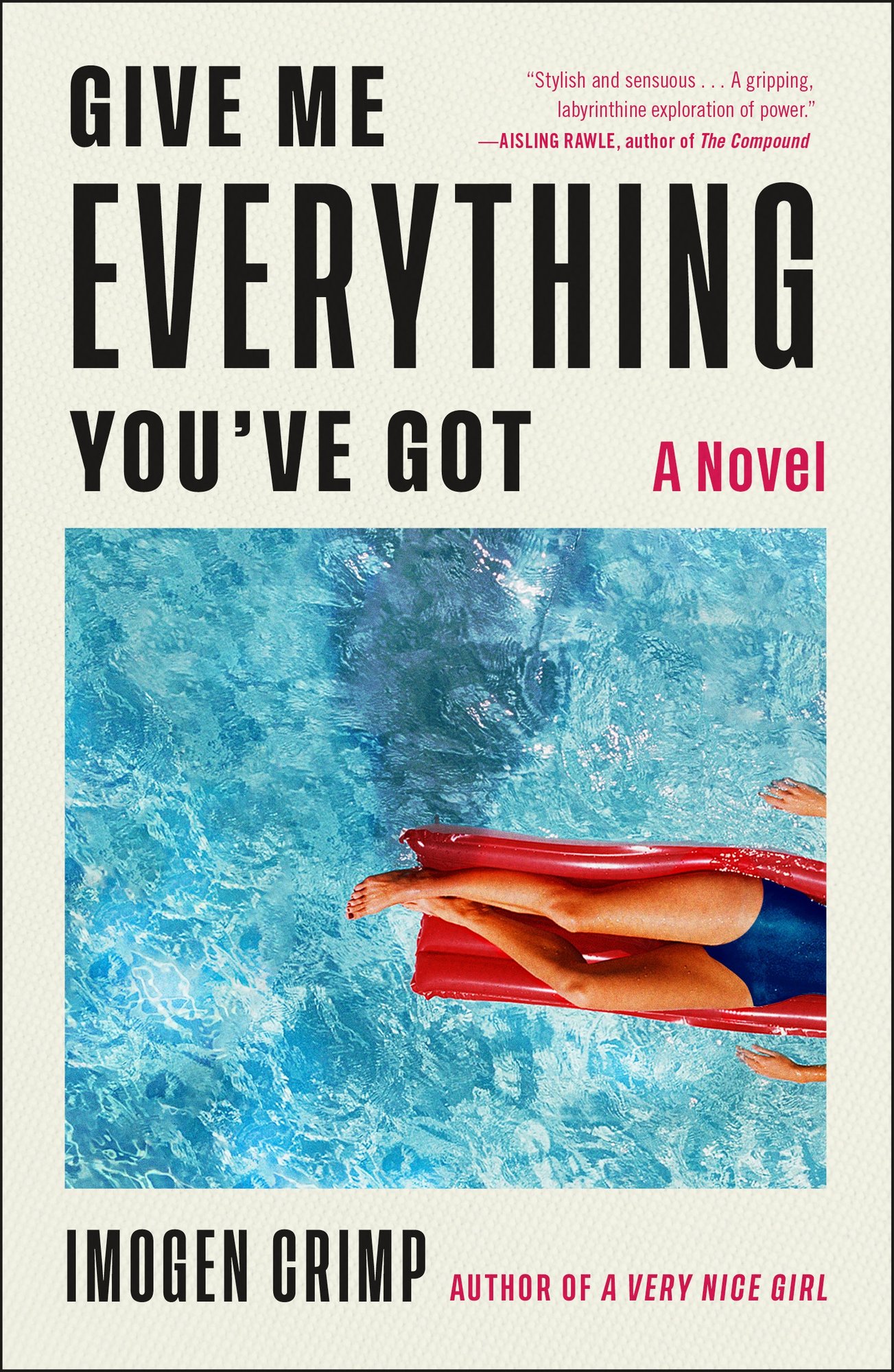
Ruby can’t believe her luck: Not only is she (kind of) escaping the heatwave tearing through London, she’s going on a month-long retreat at the country estate of her idol, Ellen, a renowned female director. A proud supporter of rising talent, Ellen hosts up-and-coming women filmmakers at her home. Ellen is joined by her daughter, Lara, who might be the opposite of Ruby. Where Ruby is driven, Lara is unmotivated, preferring to spend her time by the pool or seducing staff members.
As heat descends on the house, Ruby unravels, oscillating between extreme emotions. Simultaneously, she is an earnest student in search of approval while also a young woman attracted to her mentor. Making things more confusing, Ruby gets caught in a strange game of cat and mouse with her hostesses, which is contributing to the thickening tension in the house. A meditation on female ambition, mental health, and class, Imogen Crimp has devised a slow-boil psychological thriller reminiscent of Saltburn and Eileen.
Arguably one of the most iconic maniacs in literature, The Talented Mr. Ripley forever delivers the ideal blend of suspense and dreamy atmosphere. After a chance encounter, Tom agrees to a special errand for Herbert Greenleaf: Bring his son (and Tom’s former classmate), Dickie back to the States so he can learn the ropes of the shipping corporation he will eventually inherit.
In the Italian Riviera, Tom is seduced by Dickie’s charisma and easy-going lifestyle. They nibble on snacks and swim in the ocean. It’s almost perfect. The only thing awry is Marge, Dickie’s companion and thorn in Tom's side, who’s also vacationing in town. Despite the annoyance, Tom becomes infatuated with Dickie, to the point that Tom’s jealousy, resentment, and obsession rage to a boil—resulting in a shocking turn of events. Afterward, Tom goes to extraordinary lengths to skirt any repercussions that could change his life forever.
Once you’re finished reading, pop open your favorite orange wine, arrange a delectable cheese board, and watch the film adaptation.
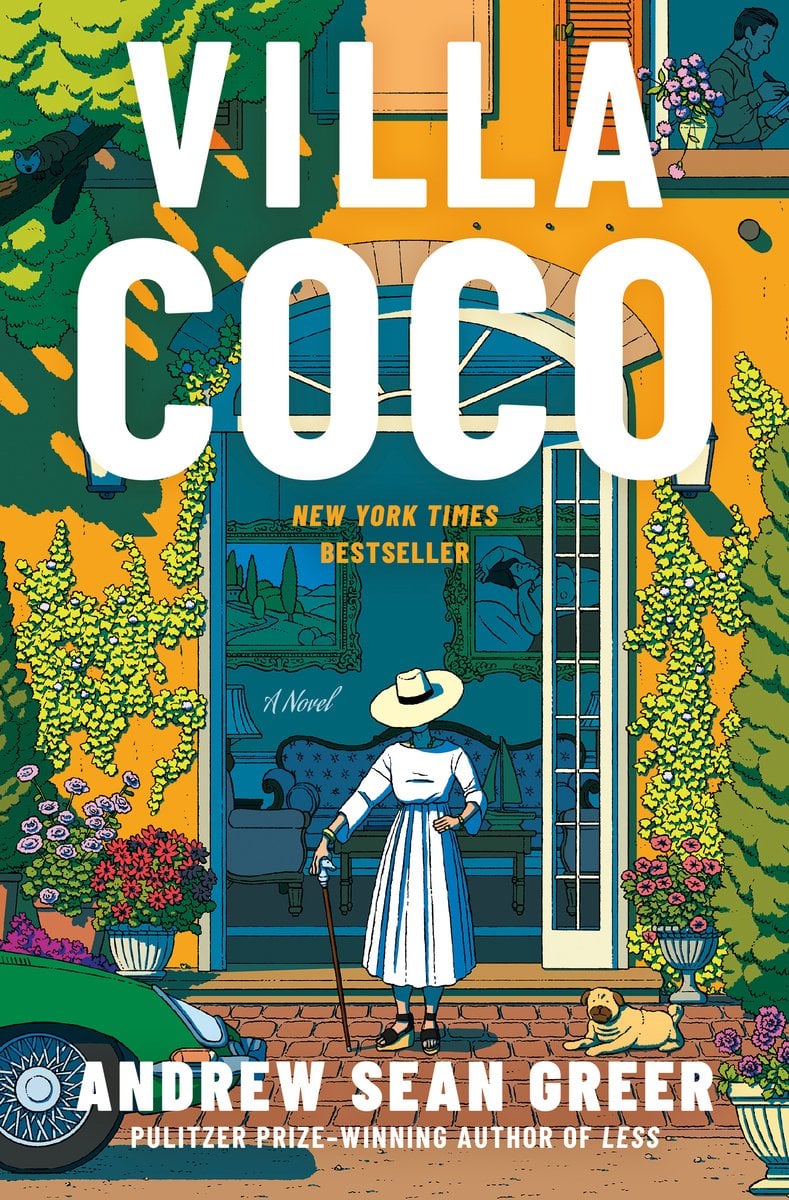
The summer after college graduation, a young man (and unnamed narrator) arrives at a dilapidated Tuscan manse to archive the art and fine objects at the home’s proprietor, a 90-something baroness. The Baronessa, known as Coco, begins to call him Giovedì, and he quickly regrets taking on the gig. Deciding he must prove himself worthy to archive her belongings, Coco puts Giovedì through a series of infuriating tests—from caring for a rambunctious dog to fixing faulty plumbing and serving as entertainment for her aristocratic friends.
Though awash with doom and dread, Giovedì does have a couple of bright spots. First, there’s cook Nimali, who’s not only helping him learn how to prepare a proper Italian meal but also speak the language. Then there’s Coco’s cousin, Giacomo, who lives in a town a couple of hours away. After some crafty planning by Coco, Giovedì and Giacomo become besotted with each other. Complicating matters, their meetings are infrequent and, worse, Giacomo is married. But even as Giovedì becomes more embedded in daily life at the villa, Coco remains protective of her belongings—as if she’s hiding something.
Maximalist in prose, setting and plot, Villa Coco is a completely enveloping read. Andrew Sean Greer imbues his pages with humor, vulnerability, and rich character growth. A true summer novel, you might find yourself reaching for this in winter months when you need a little warmth.

Spread over the course of—you guessed it—three summers on the brink of WWII, sisters Maria, Infanta and Katerina come of age on their grandfather’s estate in the Greek countryside. After an unforeseen incident, 19-year-old Maria reconsiders her interest in her neighbor Marios. Meanwhile, Infanta, a beauty and middle sister, drifts in a world of whimsy and art. And Katerina, the youngest and most boisterous, can’t help but develop feelings for another neighbor, David. As years progress and the young women sink into adulthood, readers get a glimpse into the final halcyon days of their youth and how they transform once they’re over.
A wonderful companion to Kin, My Brilliant Friend and Endling, this revived classic feels especially relevant. If you’ve wondered how to move through life when the world is a dumpster fire, this is for you.
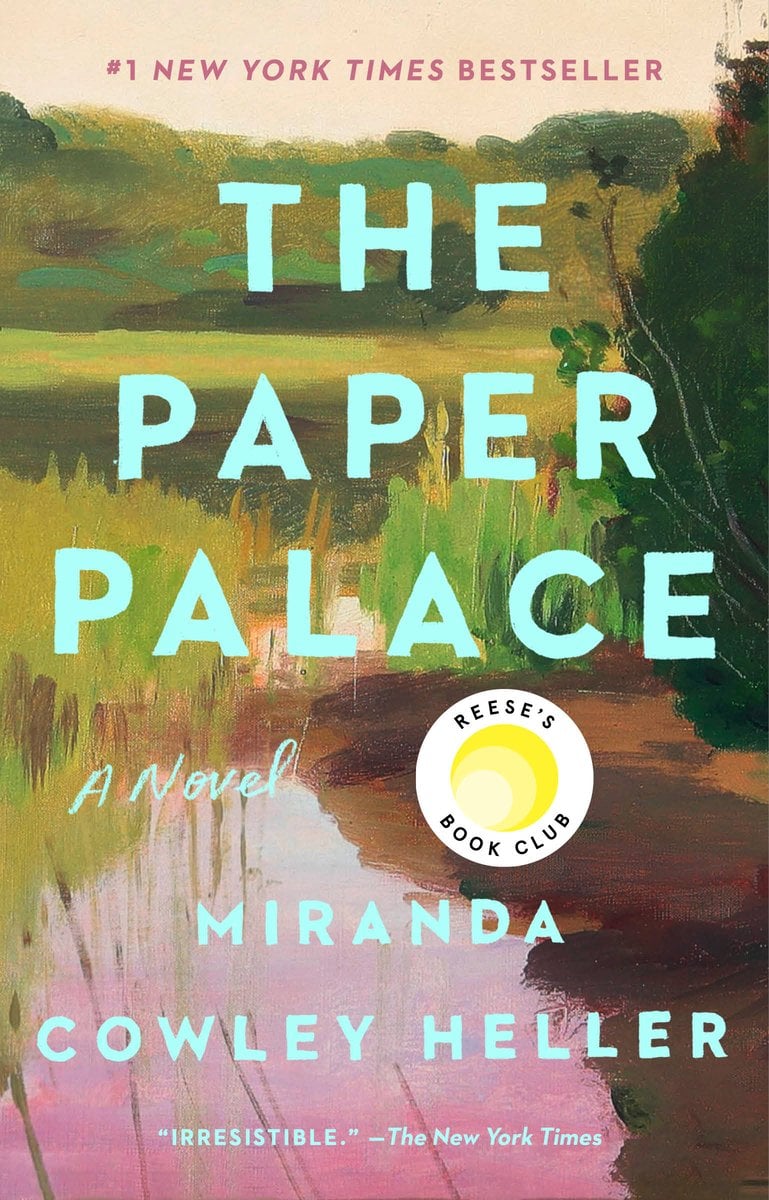
If this novel doesn’t check all the boxes, we don’t know what does. Full of drama, heartbreak, and disaster, The Paper Palace is a sliding-door(ish) love story. It’s the morning after Elle took one of the biggest risks of her life, and over the next 24 hours she discovers what she wants to do next. The night before, she’d reunited with her old friend, Jonas, resurfacing memories of an event that caused a rift between them.
So begins the braided story of Elle’s past and present, and the life of her mother, Wallace, too. After divorcing her first husband, Elle and her little sister Anna’s father, Wallace marries Leo. She and Leo embark on blending their new family, but Leo and Anna clash at every turn. As a result, Anna is sent to boarding school and becomes distant from the family. Elle isn’t without company at home; however, there’s Conrad, her stepfather’s son. At first, he merely teases Elle for the usual things, like hanging out with her new friend Jonas at their beach house, The Paper Palace. Elle ignores him, thrilled to have a friend who listens to her, even to a dark secret she’s been keeping from everyone. When Jonas (and Elle) see an opportunity to right the wrong, he takes it.
Never as close as they were when they were kids, Elle and Jonas cross paths occasionally throughout their lives, their shared secret maintaining their bond. Now 50 years old and happily married, Elle is presented with an opportunity to step back in time and revisit an old fantasy that was never realized—until now, maybe.
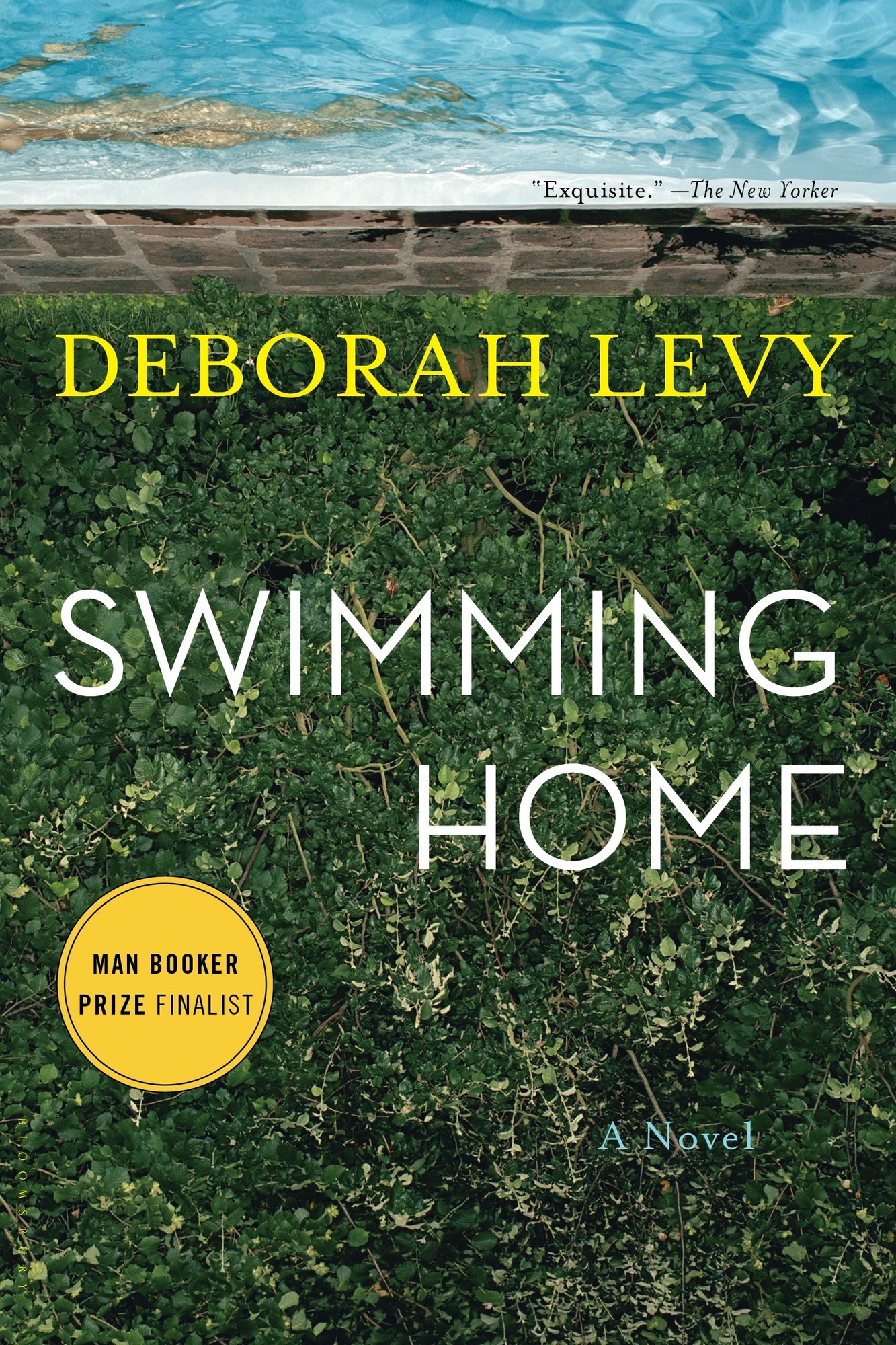
Famous poet Joe, his wife Isabel, and their teenage daughter Nina, post up in a French villa with family friends for summer vacation. Isabel, a war reporter, is haunted by her work and the sacrifices it’s forced her to make, including, to a degree, her marriage. Then one day, a young woman is discovered floating in the villa’s pool. She’s not dead; merely having a dip.
Instead of calling the police or throwing her off the property, Isabel invites the interloper, Kitty, a superfan of Joe’s work, to stay. The heat rises: Joe’s attraction to Kitty sends a bolt of electricity through the villa—though it seems Kitty may benefit from professional help, rather than advances by the depressed poet she idolizes. So, as Kitty unravels, so does Joe—as does the well-being of his family. Only Nina seems to have an inkling of what’s going on. And we all know how much teenage girls are listened to. A potboiler of a plot, you’ll breeze right through this wispy novel. After you’re done, pick up Hotel World by Ali Smith or Brideshead Revisited by Evelyn Waugh if you’re craving a classic.
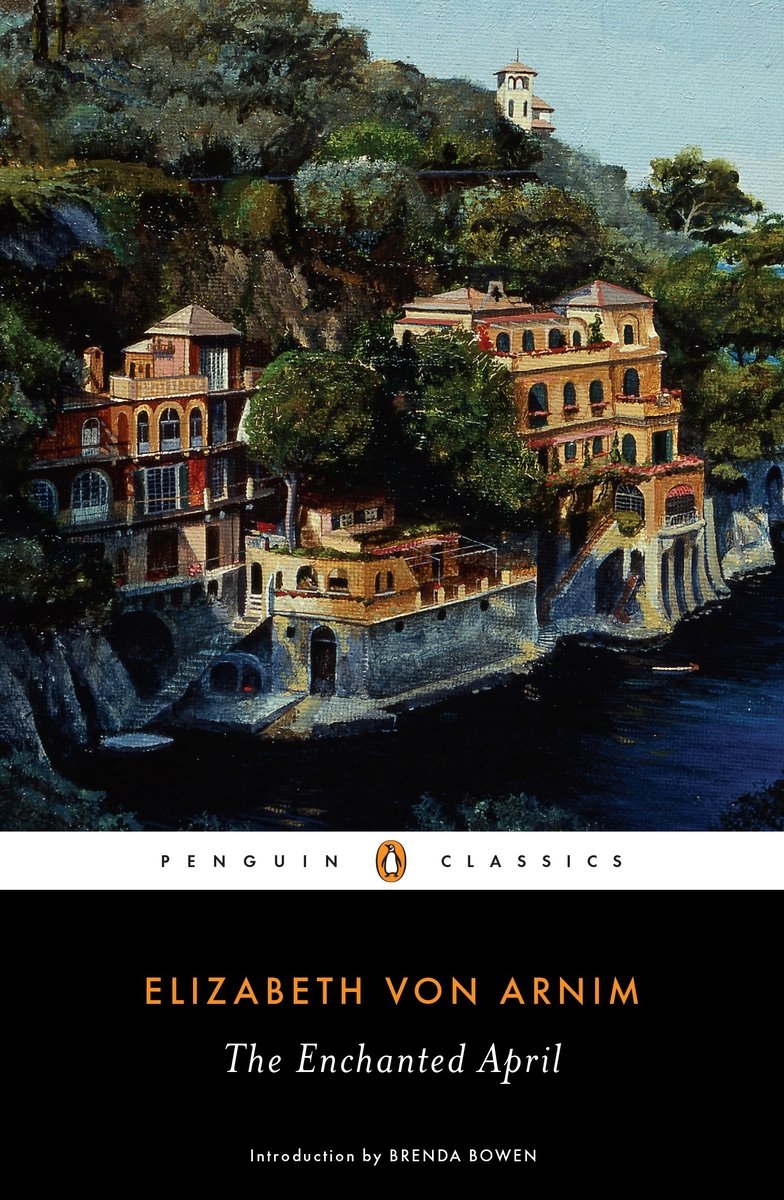
Partially responsible for transforming the Italian Riviera into the destination it is today, The Enchanted April was originally published in the 1920s but still resonates today. In the timeless novel, four highly different women agree to rent a medieval castle in Portofino to escape dreary London and soak up some much-needed sun. Both horrifying and relatable, the women find it difficult to learn one another’s quirks, forcing them to accept behaviors and attitudes they wouldn’t otherwise. Though frustrating, the exercise opens a door for the women to relax. As April progresses, they fully unwind and enjoy each other’s company. A balm for their respective worries, the women’s friendship serves as a reset, allowing them to mend things with their husbands, open themselves up to love, and learn the power of self-acceptance.
An optimal read for those yearning for The Gilded Age (or have read all of Edith Wharton), The Enchanted April will have you and your besties scheduling your next trip abroad.
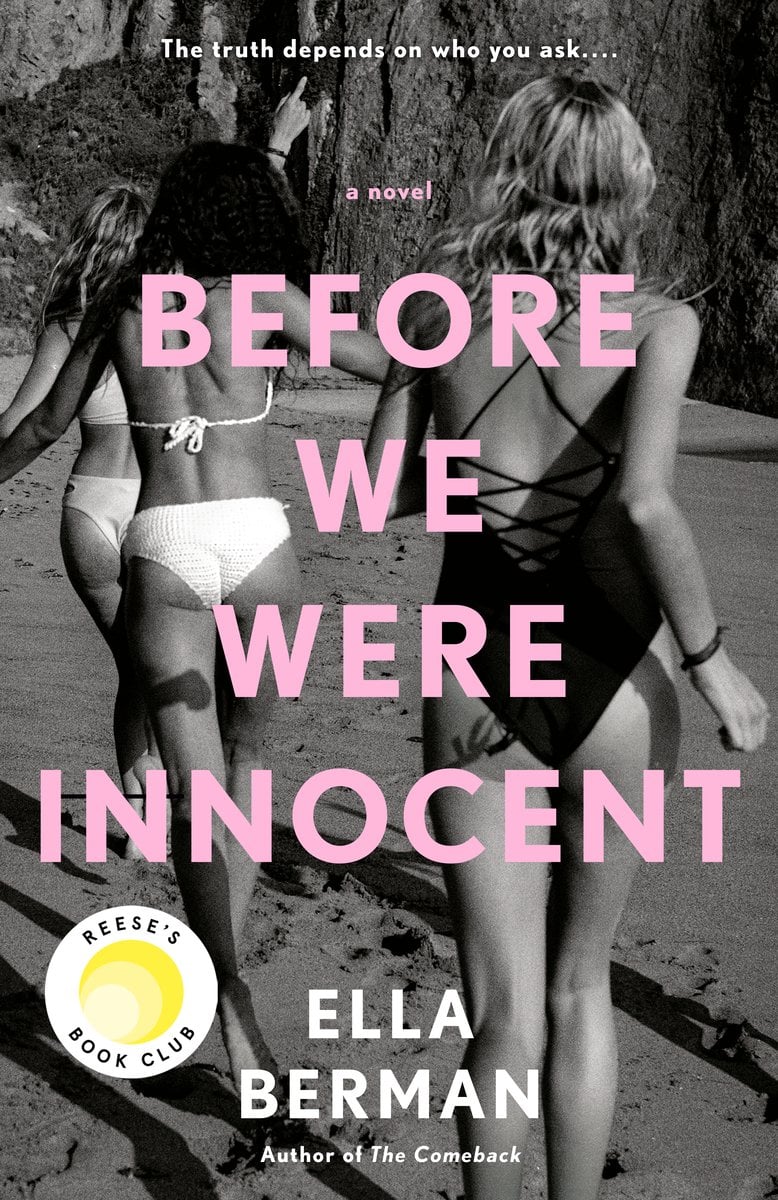
If Sharp Objects and the movie Now and Then had a little sister, it might be Before We Were Innocent. Told from the perspective of Bess, a woman shattered by a tragedy from her teenage years, the novel delves into female friendship, tabloid culture, and ambition.
Presented in a dual timeline, Bess recounts her final days of being a carefree teenager. It was the summer after high school graduation, and she and her two best friends, Evangeline and Joni, headed to Greece before college. Staying at Evangeline’s family home, the charm of rustic accommodations, homemade dinners, and sunbathing wears off. Finally, Bess snaps and convinces the girls to check out a club. But after a late-night party ends in a terrible accident, Bess and Joni are thrust into a media storm and subsequent investigation. The girls respond differently. Now, years after zero contact, Joni is on Bess' doorstep to ask for a favor.
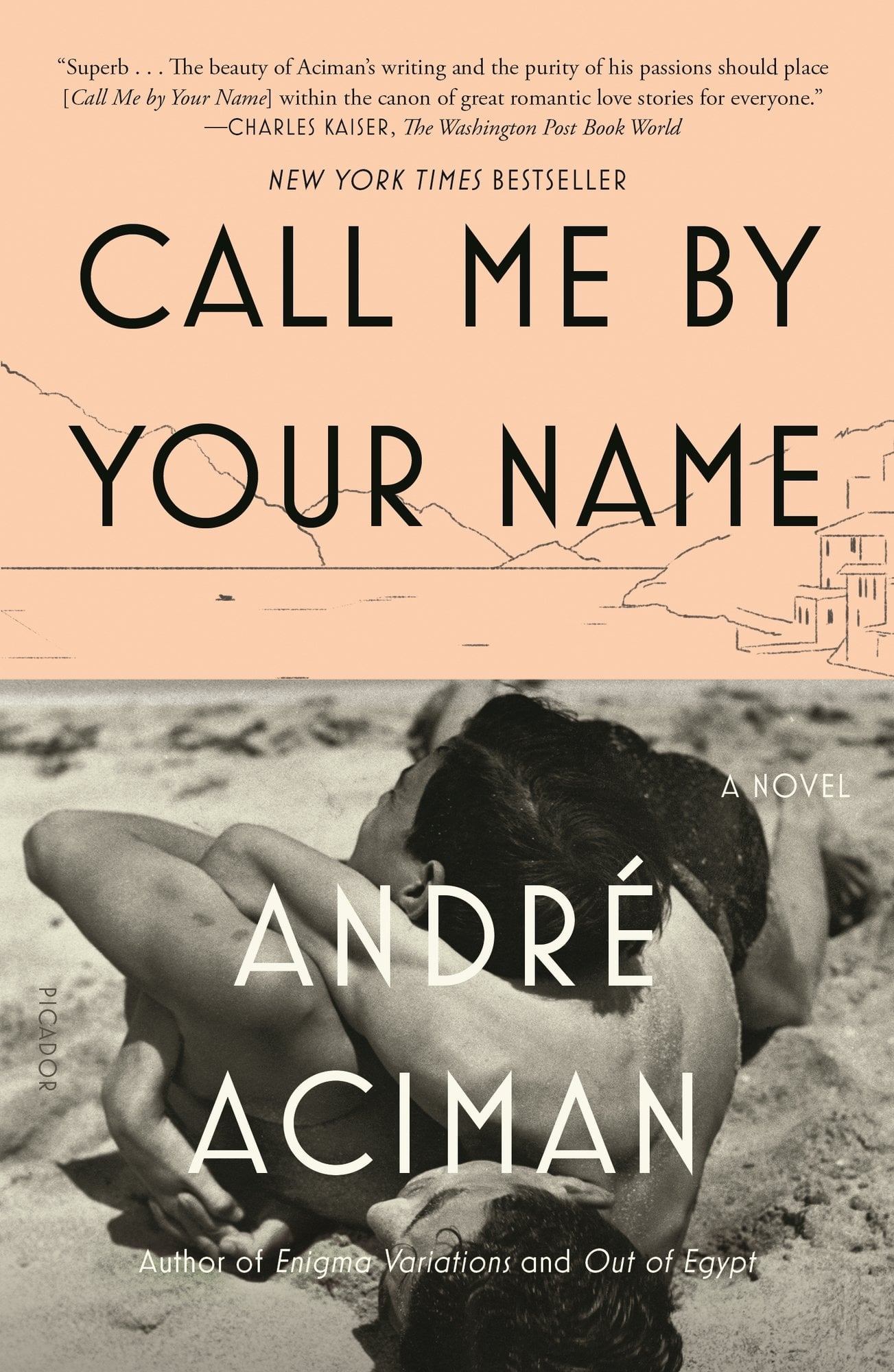
The book whose adaptation introduced Timothée Chalamet to the world, Call Me by Your Name is a coming-of-age story set at Elio’s family villa in Italy during the '80s. To the chagrin of 17-year-old Elio, his father has once again opened his home’s doors to another post-grad finishing their book manuscripts, eager to help his father with his academic research. This year, he'll hand over his bedroom to Oliver, an American scholar.
Though immediately intrigued by Oliver, Elio initially downplays his interest. Oliver, who is bi, recognizes something in inexperienced Elio. Perhaps despite themselves, the mutual attraction becomes undeniable. But after a brief encounter, the two spiral away, only to collide at the most inopportune times. Unfolding as Elio reflects on his life, Call Me by Your Name is a story about self-discovery, yearning, and family.
Want to read more?
Check out the full article on the original site