2 Filipino Seafarers Killed After Attack On Saudi Oil Tanker In Strait Of Hormuz

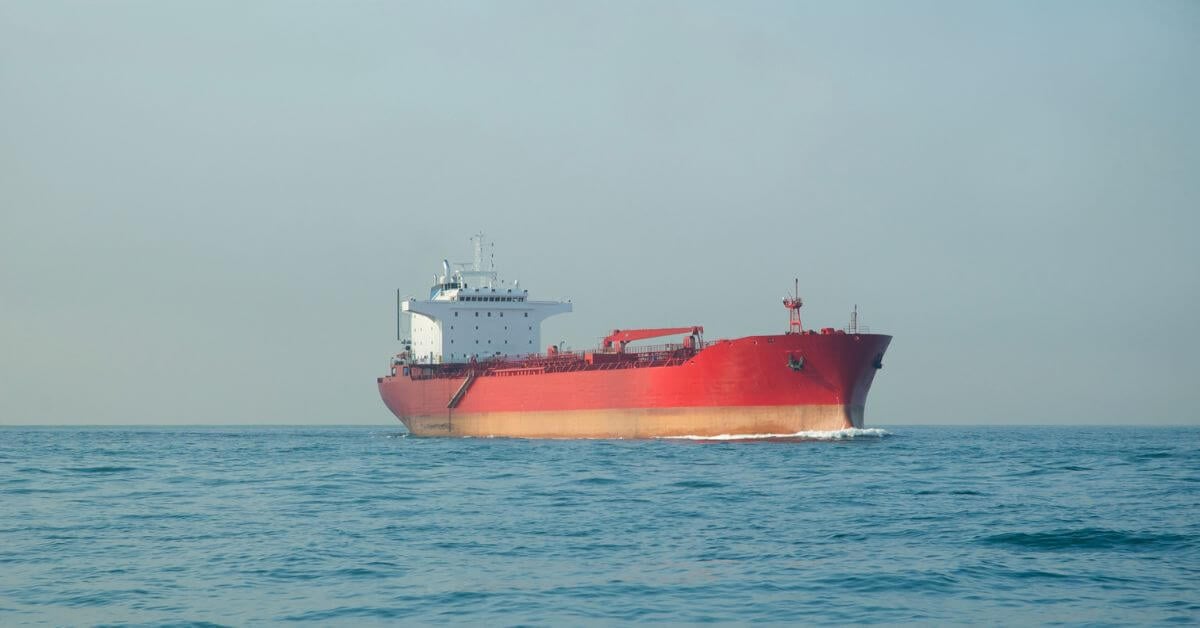
Two Filipino seafarers were killed in an incident involving Saudi shipping company Bahri’s oil tanker Sidr while the vessel was sailing through the Strait of Hormuz on Aug. 31.
Bahri said the incident happened at about 11:40 p.m. local time as the tanker was leaving the Strait of Hormuz. The company confirmed the deaths of two Filipino crew members.
Saudi Arabia said an Iranian attack on the tanker killed the two Filipino seafarers. Sidr is a Saudi-flagged very large crude carrier, with IMO number 9854715.
The UK Maritime Trade Operations (UKMTO) said on Aug. 31 that a tanker had been hit by three unknown projectiles while leaving the Strait of Hormuz.
Bahri said it was in contact with the vessel and was working with authorities and other maritime industry groups to follow the situation. It also said it was supporting the families, loved ones and colleagues of the seafarers.
Philippines works to bring crew home
The Philippines’ Department of Migrant Workers confirmed that two Filipino seafarers had died in the incident.
Migrant Workers Secretary Hans Leo J. Cacdac ordered government offices to provide immediate help to the affected crew members and their families.
The department said this followed President Ferdinand Marcos Jr.’s order to protect Filipinos affected by the security situation in the Middle East.
The Department of Migrant Workers, Overseas Workers Welfare Administration, Department of Foreign Affairs, Philippine Embassy and Migrant Workers Office in Oman are working with the vessel’s principal, its licensed manning agency and other authorities.
They are working to bring the surviving Filipino crew members back to the Philippines as soon as possible. They are also providing medical and other support.
The DMW is also arranging the return of the remains of the two seafarers who died.
Their families will receive benefits, compensation, insurance payments and other support under their contracts and Philippine and international maritime rules, the department said.
The DMW is also checking on the remaining Filipino crew and working with Philippine officials and authorities in the region to help bring them home safely.
Strait of Hormuz remains a major shipping route
About one-fifth of global oil and LNG trade passed through the Strait of Hormuz before the U.S. and Israel launched strikes on Iran on Feb. 28.
Thousands of seafarers have been stuck in the Persian Gulf since the conflict began on Feb. 28.
The International Maritime Organisation had recorded at least 70 attacks on international shipping and 19 seafarer deaths in the region as of Aug. 26.
IMO Secretary-General Arsenio Dominguez has called for practical steps and more cooperation to restore freedom of navigation.
Iran has also threatened tankers trying to pass through the Strait of Hormuz without authorisation. This has affected energy exports from other oil-producing Gulf countries.
U.S. strikes Iranian targets
U.S. President Donald Trump said U.S. forces had started striking Iranian targets near the waterway, which he described as “large and powerful.”
Trump said the strikes came after Iran tried to place sea mines in the Strait. He said the mines had been removed or detonated. He also said the strikes followed an Iranian missile attack on a U.S. military base in Jordan.
CENTCOM said the targets included IRGC air defence sites, radar systems, maritime assets and facilities, mine-laying equipment and communications sites.
The command said about 50,000 U.S. military personnel were operating in the Middle East.
Other Bahri ships attacked
Sidr is not the first Bahri vessel to come under attack in the region.
Bahri’s Wedyan supertanker was hit in July while sailing near Oman’s coast through the Strait of Hormuz.
Two other ships, Masa and Amzan, were attacked in the Red Sea in July and August after the Iran-backed Houthis in Yemen declared a naval blockade against Saudi Arabia.
References: shippingtelegraph, indiatoday
Want to read more?
Check out the full article on the original site