Asian Port Delays Cause Sharpest Drop In Global Vessel Reliability Since 2021

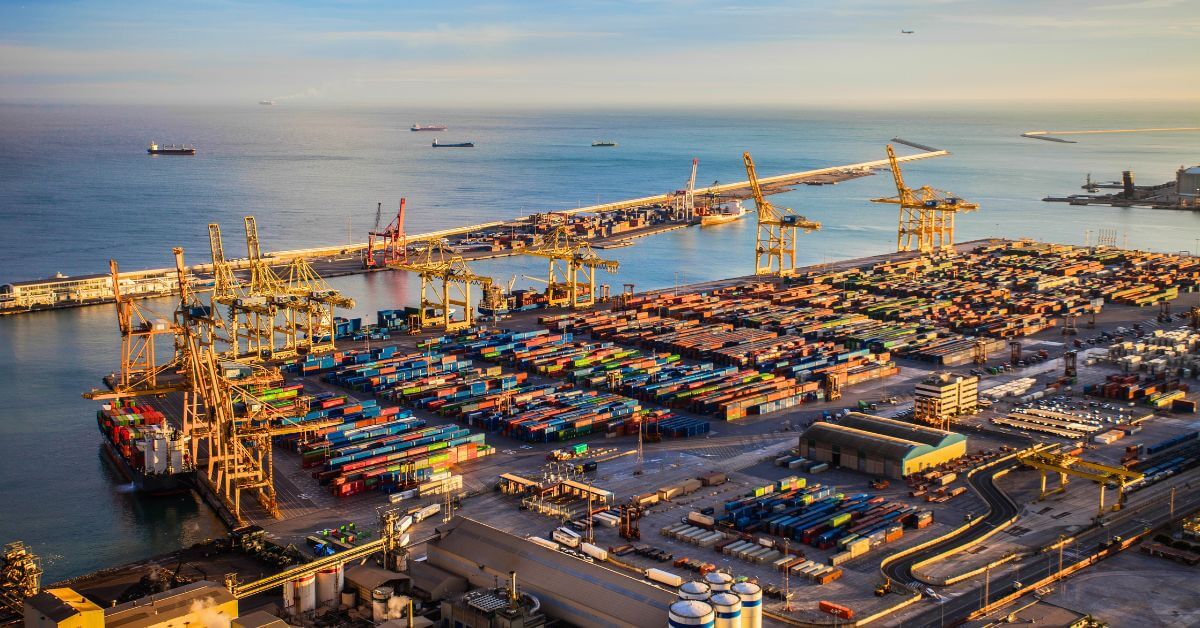
Global container vessel reliability fell sharply in July as delays at major Asian ports affected ship arrivals.
Schedule reliability fell to 56.4% in July 2026, down 6.1 percentage points from June, according to Sea-Intelligence. It was the biggest monthly fall since January 2021.
Late vessels also took longer to arrive. The average delay increased by 0.59 days to 6.06 days.
Congestion at Asian ports was the main reason for the drop. All 14 of the busiest container ports in Asia saw lower on-time arrival rates in July.
Shanghai saw a sharp fall. Its reliability dropped 19.2 percentage points to 21.0%. Only 21% of vessels arrived on time.
Alan Murphy, CEO of Sea-Intelligence, said Shanghai’s figure was particularly concerning. He said that, outside the severe supply chain disruption during the COVID-19 pandemic, Shanghai’s reliability had never been this low in 14 years of recorded data.
Yantian, Hong Kong and Ningbo also see major drops
Yantian recorded the biggest fall among the major Asian ports. Its reliability dropped 23.5 percentage points to 48.3%.
Hong Kong fell 20.4 percentage points to 51.6%, while Ningbo dropped 20.1 percentage points to 34.6%.
Ningbo became the world’s second-largest container port in the first half of 2026, according to the supplied source material.
Shanghai and Ningbo have also been hit by consecutive typhoons this year. Typhoon Saudel caused severe delays at the two ports the previous week.
Other major Asian ports also recorded weaker performance.
Singapore’s reliability fell 5.7 percentage points to 43.2%. Singapore is the world’s largest transhipment hub.
Port Klang recorded reliability of 33.3%, while Busan stood at 40.9%.
Delays could spread to other shipping routes
The delays at Asia’s busiest ports could affect vessel schedules in other parts of the shipping network.
“With the region’s busiest ports operating with more than half of their incoming vessels delayed, this backlog will naturally cascade through the maritime network, likely triggering a new wave of delays for critical head-haul trade lanes in the coming months,” Murphy said.
The global reliability rate fell by 6.1 percentage points in July, while the average delay for late vessels rose to 6.06 days.
Asia-Europe Shipping Routes Change
The port delays come as shipping lines are looking to end the more than two-and-a-half-year rerouting of Asia-Europe services around the Cape of Good Hope.
They are seeking to return to the Suez Canal and Red Sea, despite the continuing security threat from the Houthis in Yemen and their “blockade” of Saudi Arabian ports, according to the supplied material.
The changes mean shipping lines are dealing with port delays at the same time as they make decisions about Asia-Europe routes.
Sea-Intelligence expects the backlog at Asian ports to cause more delays on major shipping routes in the coming months.
Reference: sea intelligence
Want to read more?
Check out the full article on the original site