40 Oil Tankers Loaded With 18 Million Barrels Of Oil For Asia Cross Hormuz Under U.S Naval Escort
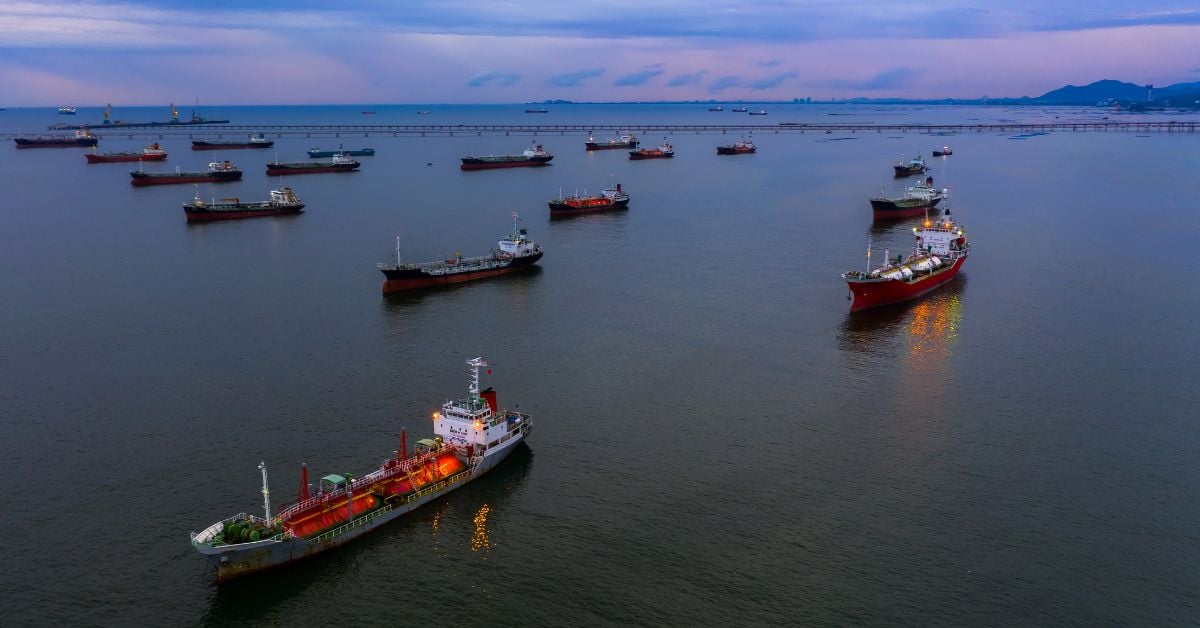
40 Tankers carrying around 18 million barrels of crude crossed the Strait of Hormuz on Tuesday, escorted by U.S Navy ships. This is the highest volume of oil shipped through the waterway in a single day since the U.S-Iran war began.
During pre-war times, the Strait of Hormuz saw 20 million barrels of crude and petroleum products each day in ship crossings. The recent figure, though substantial and equal to 90% of the pre-war volume, was a one-day record.
The ships were escorted amid strikes between U.S and Iranian forces, highlighting the risks faced by one of the world’s key maritime chokepoints for energy supplies.
U.S Navy used aircraft, naval ships and even satellites to offer protection to the commercial tankers carrying oil and to fight the Iranian drones fired when the ships were crossing the waterway.
The vessels were advised to keep their transponders off to prevent direct attacks from IRGC ships.
U.S wants to keep the Strait of Hormuz open for other countries while restricting Iran’s oil exports to pressure Tehran and force it to negotiate with Washington to permanently end the war.
United States has also said that Iran might be rebuilding its military assets, like radars or surveillance sites, which were destroyed by U.S attacks and could threaten ships. Hence, to maintain the flow of oil through the strait, escort missions would be required.
The escort was conducted with around 60 Iranian military sites close to the coast, including radars, mine layers, communication centres and air-defences.
Most of this crude is destined for markets in Asia, including in Japan, India, China and South Korea, which are the largest buyers of oil from the region that passes through the Strait.
However, Japan and other countries are looking for other sources as well to reduce their dependency on oil from the Middle East, since this war has exposed the vulnerabilities of global energy supplies and their dependence on specific supply chains.
Shipping companies are also cautious about sending their ships through the waterway even after the U.S has promised protection, since war risk premiums remain high and charter rates, especially for container ships and tankers, have risen a lot.
According to sources, a tanker chartered for passage through Hormuz would cost over $500,000 a day.
Want to read more?
Check out the full article on the original site