These Books Inspired R.F. Kuang to Mine Her Study-Abroad Era for ‘Taipei Story’
When you're looking to get lost in a book, sometimes you need your reading material to match your mood. With Marie Claire's series "Buy the Book," we do the heavy lifting for you. We're offering curated, highly specific recommendations for whatever you're looking for—whether you're in your feels or hooked on a subgenre trending on #BookTok.
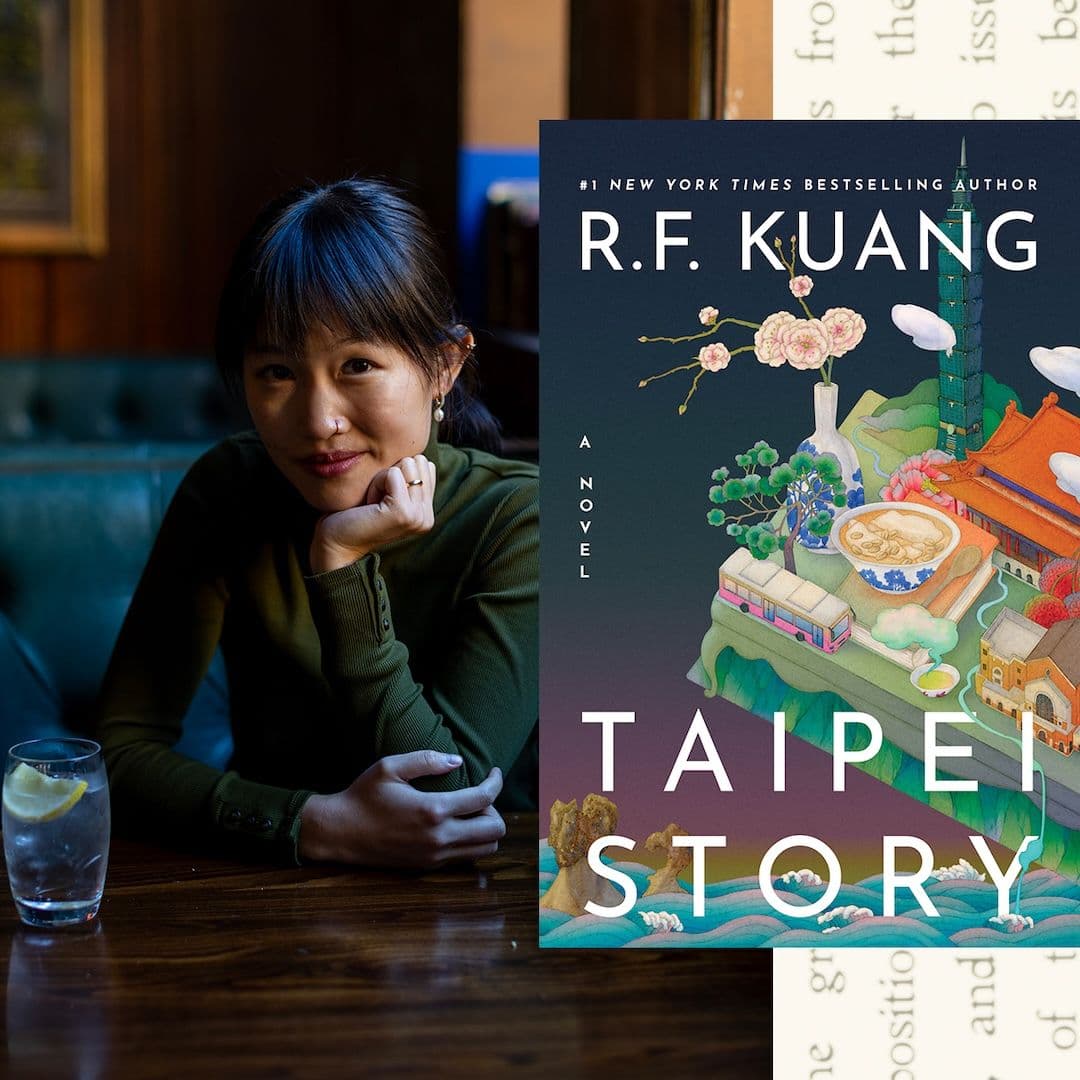
In this author-curated rendition, R.F. Kuang—the scholar and best-selling author behind Babel, Katabasis, and Yellowface—shares which novels about language-learning inspired her seventh novel, Taipei Story.
R.F. Kuang’s fascination with language has made her a literary superstar. Her bestselling works—from historical epics with complex magic systems to a biting contemporary satire of the publishing industry—explore the ways words can be warped and co-opted in search of power, fame, and influence. For her latest release, Kuang turned to a place that can strike fear in the heart of any linguaphile: the immersion classroom.
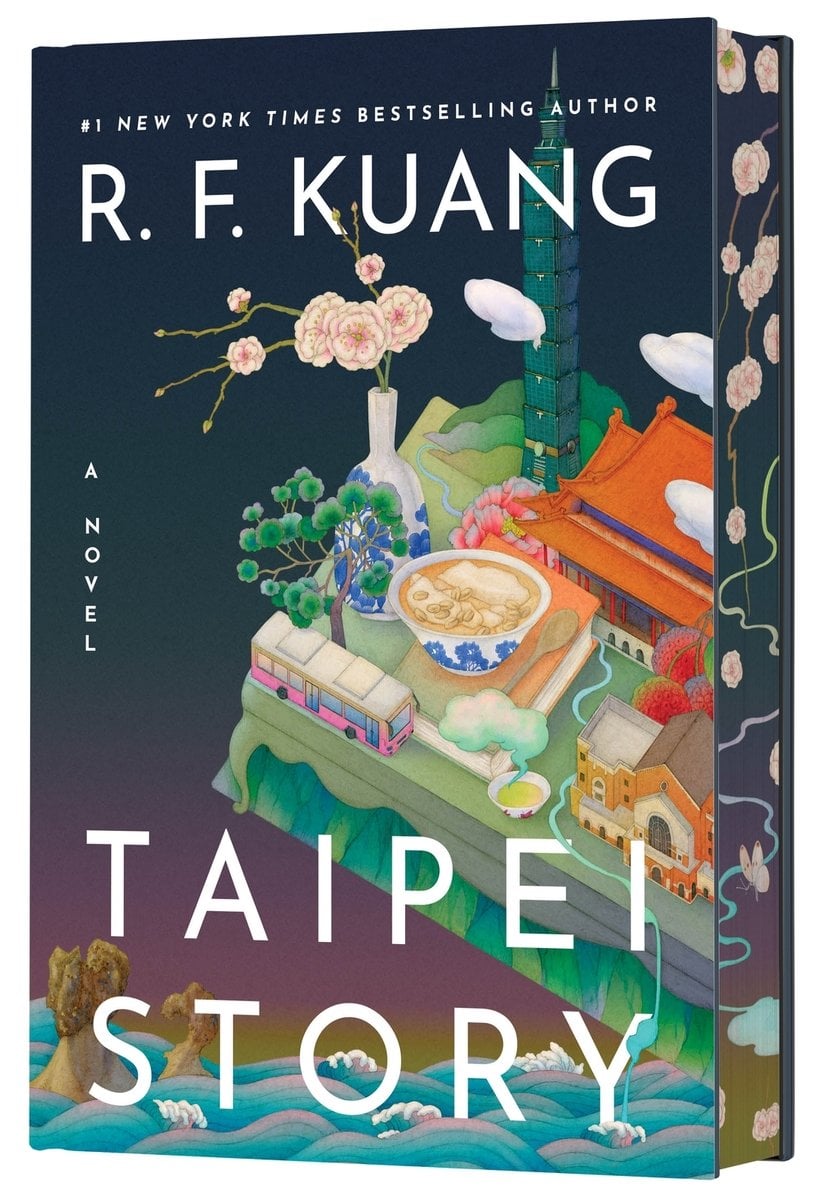
Taipei Story, Kuang’s first contemporary coming-of-age novel, follows Yale student Lily through her summer attending an intensive Chinese-language program in Taiwan. The first half of the book is a travelogue of fumbling miscommunications inside and outside of the classroom, as Lily navigates inscrutable teachers, roommate woes, and that diasporic dissonance of feeling like an outsider in her ancestral homeland. In a way, the fictional Lily is walking in her creator’s footsteps; to write the novel, Kuang pulled from her own study-abroad era in the summer of 2023.
“While I went to many of the same places and did many of the same activities as Lily did, her reactions and interpretations are wholly invented,” Kuang tells Marie Claire. “I wanted to explore loss and alienation from the perspective of someone much younger and worse equipped to deal with it all.”
Though Kuang is best known for revitalizing the “dark academia” novel, with its innately gifted protagonists, the Cambridge, Oxford, and soon-to-be Yale graduate embraced the natural conflict that misapprehension brings for her latest novel. “You don’t speak the language. You keep blundering and violating cultural norms,” she describes. “You don’t know the right way to interpret anything you’re witnessing. All of that friction is hilarious.”
Kuang counts these types of novels, ones that explore the gap between intention and comprehension that foreign-language speakers face, among her biggest literary influences. The big question of Taipei Story is whether Lily will ever cross that chasm. When her grandfather passes away in the middle of her program—as Kuang’s did in real life—she has to parse through her family’s unspoken history without the complete fluency she’d been chasing. The lesson that comes from this struggle is one that Kuang would give to her young self today.
“Miscommunication is inevitable, and so is falling flat on your face,” she says. “The only way to get better at a language is to make mistakes over and over again, so just put yourself out on a limb and learn to laugh at yourself.”
To coincide with the release of her highly anticipated new book on September 8, we asked the author to share the books about miscommunication among language-learners that inspired Taipei Story, from globetrotting fiction to campus novels.
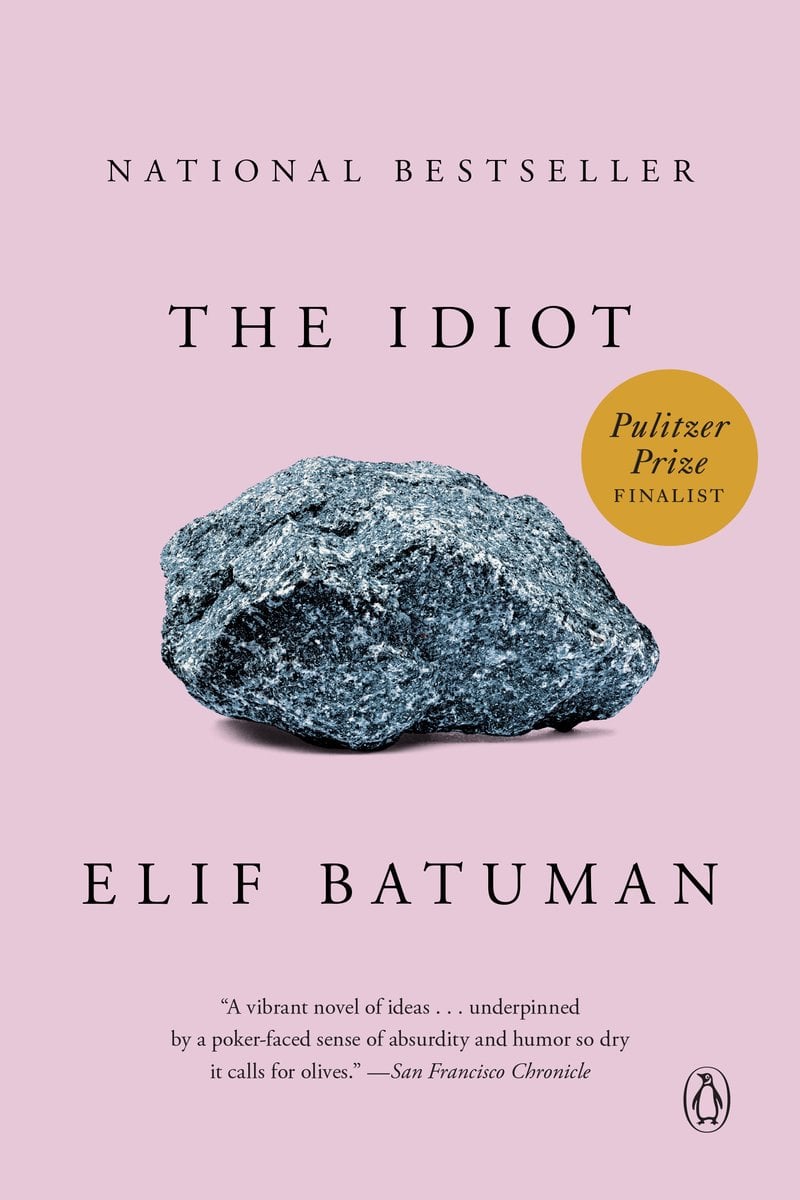
"Elif Batuman’s hilarious coming-of-age novel about a college freshman learning beginner Russian, and then proceeding to teach English during a summer abroad in Hungary, is a longtime favorite and served as a template for the comedic opportunities involved in foreign-language pedagogy. Batuman understands perfectly how when you are nineteen, the world seems designed for you. Every time Selin learns something new about history, philosophy, or linguistics, she wonders: how does this apply to her budding relationship with Ivan?"

"Adam Gordon, the protagonist of Leaving the Atocha Station, is an asshole. He pretends his Spanish is better or worse depending on what will get him the most cultural clout in any situation, he’s milking a poetry fellowship in Madrid despite little real interest or expertise in Spanish poetry, and he defaults to pretending the people around him are not real when faced with any linguistic strain or embarrassment. The result is hilarious."
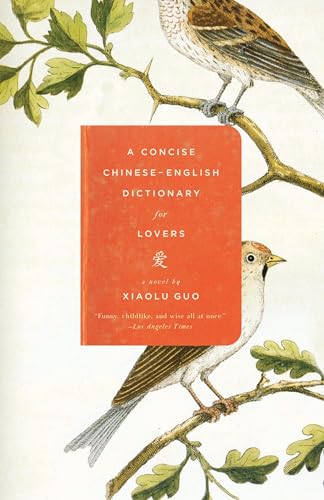
"We might read Zhuang Xiaoqiao, the protagonist of Dictionary, as a perfect foil to Atocha Station's Adam: she wears her lack of fluency on her sleeve. She’s a newcomer to English, and each sentence is evidence of Zhuang’s struggle to get a better grasp on the language, on cultural norms in London, and on her mysterious, distant lover. Guo takes the stylistic risk of writing the novel in 'broken' English – the grammar and vocabulary both become more sophisticated as Zhuang progresses through her program."
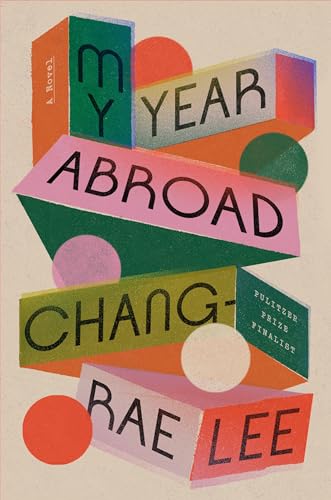
"In Lee’s My Year Abroad, protagonist Tiller Bardmon is whisked around the world by an eccentric and charismatic Chinese businessman, Pong. Hijinks ensue; a year later, Tiller is hiding out in the suburbs in witness protection. If foreign language study is often marketed as a pathway to a career in international business, then Tiller and Pong’s absurdist capers poke fun at what those advantages of linguistic and cultural capital really carry in a world of global capitalism gone awry."
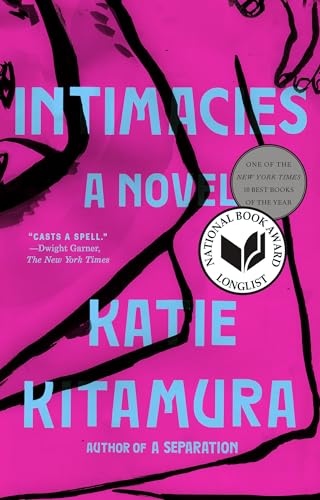
"Kitamura’s unnamed protagonist is a translator working for the UN in the Hague. She’s evidently talented with languages, and yet her mobility across several tongues does little to help her understand the people around her in thorny situations such as her romantic entanglement with a Dutch man who may or may not be leaving his wife, or the mugging witnessed by her friend. (There is a sequence where the protagonist is asked to interpret for a war criminal that chills me to my core.) What remains untranslatable, incommensurable, and unknowable even when you speak the same language?"
Want to read more?
Check out the full article on the original site