Maersk, Hapag-Lloyd Resume More Suez Canal Voyages Despite Red Sea Risks
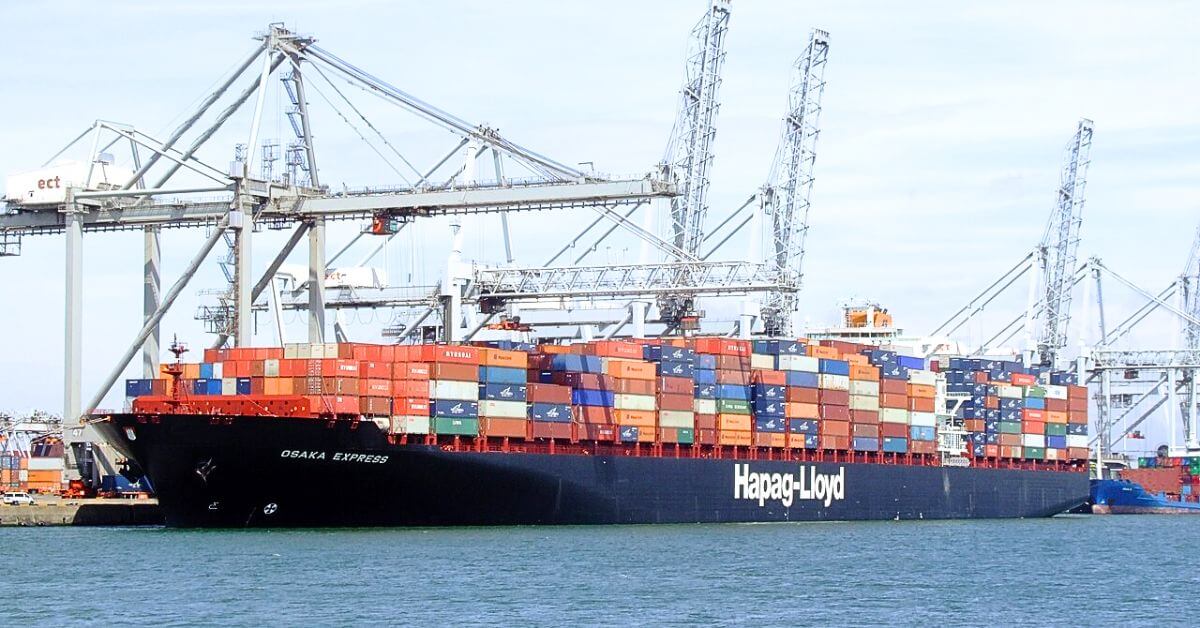
Maersk and Hapag-Lloyd will move four more container services through the Suez Canal as the two companies bring more ships back to the shorter route between Asia and Europe.
The four services, AE5, AE11, AE12 and ME2, will switch from the Cape of Good Hope route to the Suez Canal, Maersk said on Monday. This will take the number of Gemini Cooperation services using the Suez route to six. AE15 and AE19 have already returned to the canal.
Shipping companies stopped using the Suez Canal earlier this decade following attacks on commercial ships in the Red Sea by Yemen’s Houthis.
Ships were instead sent around the Cape of Good Hope, making some Asia-Europe voyages thousands of nautical miles longer. The longer route has meant higher fuel use, higher costs and longer transit times.
Maersk said the Suez Canal is an important shipping route between East and West and that the four services would offer customers shorter transit times by using the Suez and Red Sea route.
The first westbound voyages for three of the four services are expected later this month.
Antonia Maersk is scheduled to sail the AE11 service from Tanjung Pelepas on September 19. Marchen Maersk will follow on the AE5 service on September 21, while Cornelia Maersk is scheduled to sail the ME2 service on September 24. Maersk has not yet announced the first sailing date for AE12.
The AE5 service connects Asia with Northern Europe. AE11 and AE12 connect Asia with the Mediterranean, while ME2 links India with Europe.
All four services will use the Suez Canal in both directions. The carriers have already taken several steps to bring more services back to the canal.
AE15 has returned to the Suez Canal and later added a call at Jeddah, taking the service into the Red Sea.
Maersk has also restarted its independent MECL service, which connects India, the Middle East and the U.S. East Coast through the region.
Maersk and Hapag-Lloyd formed the Gemini network last year to reduce shipping costs and improve schedule reliability.
The Suez route is shorter than sailing around southern Africa. Maersk said it is the most efficient option for moving cargo between Asia and Europe when security conditions allow ships to operate safely.
Security risks in the Red Sea and the Middle East remain.
Maersk said the two companies will continue to watch the situation in the Middle East closely. Any changes to Gemini services will depend on there being no escalation in conflicts in the region.
Houthi forces aligned with Iran continue to maintain a presence along Yemen’s Red Sea coast. This has raised concerns for ships approaching the Bab el-Mandeb, a key maritime chokepoint.
The region is also facing tensions, including disruptions affecting shipping through the Strait of Hormuz.
References: globaltrademag, Reuters
Want to read more?
Check out the full article on the original site