Oil Prices Fall 1.2% After Saudi Arabia Announces Crude Exports Via Oman Following Pipeline Attack
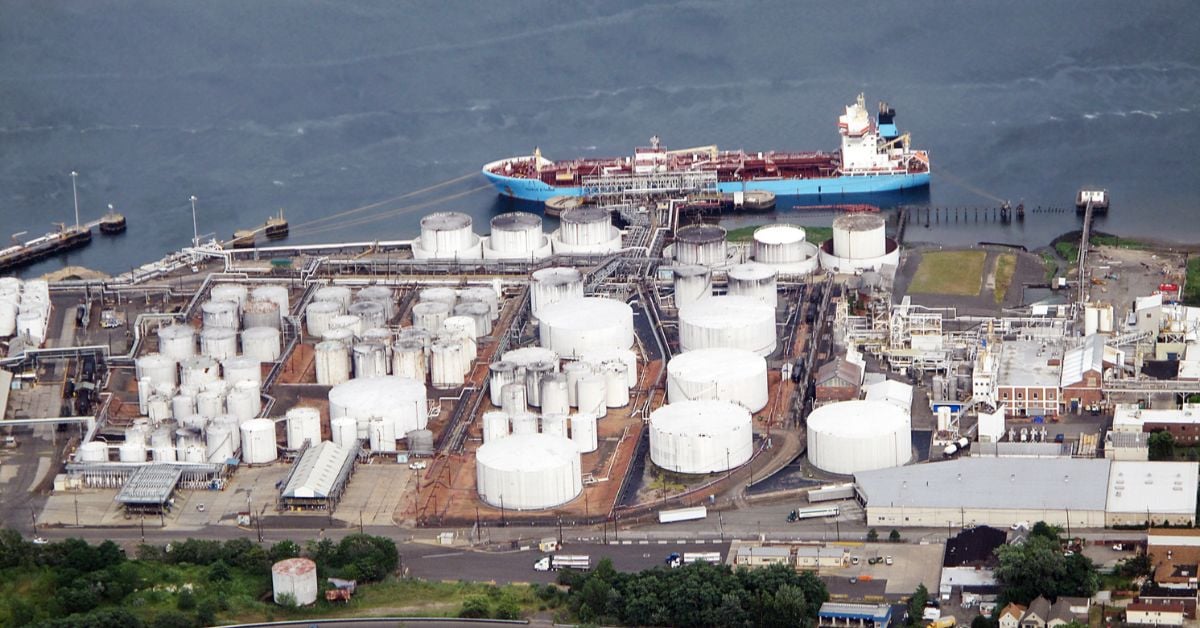
Oil prices dropped 1.2% following Saudi Arabia’s announcement of using Oman to ship its crude oil, easing concerns over supply disruptions due to the US-Iran War, which has closed the strategic Strait of Hormuz, which handles one-fifth of the world’s oil and gas.
Another reason for the decline was the upcoming US-China Summit, which has also eased global oil prices. Brent Crude Futures fell to 104.59 dollars a barrel, by 1.2%, and U.S. West Texas Intermediate Futures fell by 1.1% to 101.29 dollars.
Saudi Arabia is also offering ship-to-ship transfers of crude to its buyers in Asia off the Sohar Port, Oman, to secure the cargoes from potential Houthi attacks.
This move comes at the right time since Riyadh struggles to ship out its crude after an attack on the East-West Pipeline that transports oil to the Yanbu port on the Red Sea for export, offering an alternative to Hormuz.
Two pumping stations of the strategic pipeline network were damaged by drones last week, and Saudi Arabia is trying to repair and restore production through the pipeline.
According to sources, the pipeline will become operational at its maximum capacity in 6 weeks’ time.
However, the current disruption has led to mounting pressure on other export lanes of oil from Saudi Arabia, risking Iranian attacks, to move oil through the Strait of Hormuz with the help of U.S. Navy ship escorts.
According to the United States Energy Secretary, Chris Wright, 18 million barrels of crude and petroleum goods transited the strategic waterway this week.
Prices of crude had reached to 4-month high in the beginning of this week, after the oil loadings at the Port of Yanbu came to a halt following an attack on the East-West Pipeline, distressing the authorities and buyers alike.
However, with the assistance of the U.S. Navy and cooperation from Oman, Riyadh plans to export oil to global markets and stabilise prices and prevent shortages.
Given the risk of sailing through Hormuz, the war risk premiums are high and are impacting the cargo being moved even via alternative routes.
United States also reportedly fell back on its oil inventory to meet demand in recent weeks, with its inventories falling by 640,000 barrels the previous week to almost 400 million barrels.
The Saudi announcement has eased concerns, while at the same time, oil markets are sensitive to further developments in the Gulf region.
Want to read more?
Check out the full article on the original site