U.S. Boards Two Foreign-Flagged Ships After Hackers Apparently Break Into Their Networks


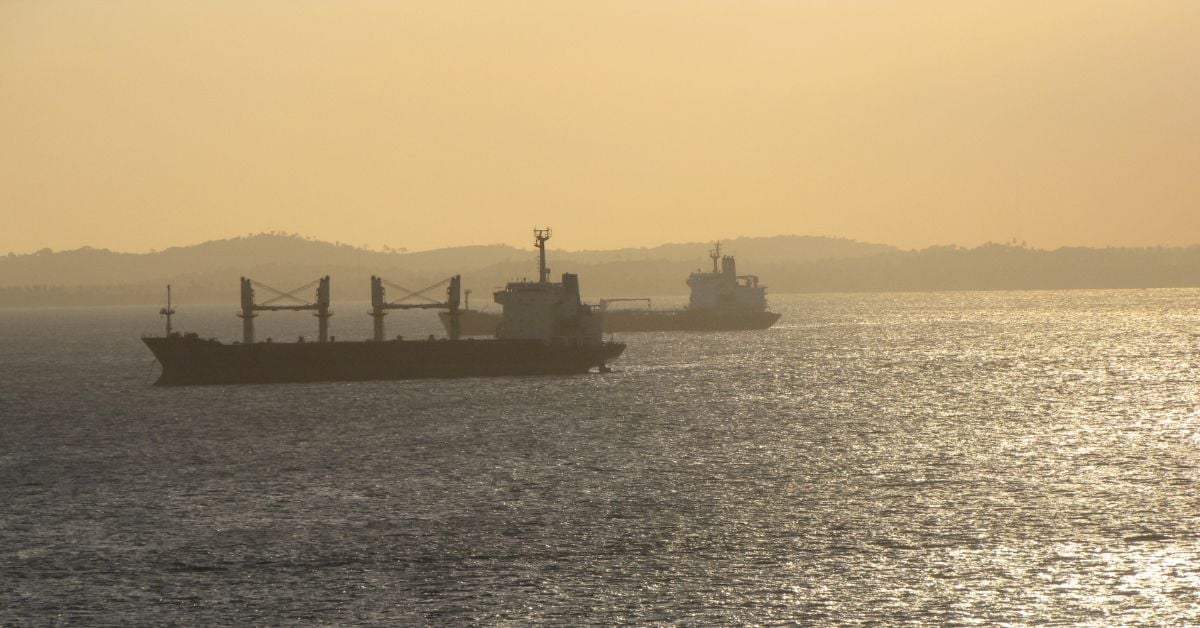
U.S. Coast Guard and FBI personnel boarded two foreign-flagged commercial vessels bound for the United States in the Gulf of Mexico last month after receiving indications that hackers had broken into their computer networks, the agencies said on Thursday.
U.S. authorities boarded the two vessels on August 21 and August 24 as they deal with a series of cyber incidents that media reports have linked to Iran since the outbreak of conflict between the U.S. and Iran.
The FBI said a joint Coast Guard-FBI team boarded the vessels after receiving “indications that the networks of both vessels were compromised.”
The Coast Guard, which referred only to the August 21 boarding, said “foreign cyber actors” were involved but did not identify them.
Corey Ranslem, CEO of maritime security group Dryad Global, said his company had confirmed that one of the vessels was the Liberian-flagged VL Prosperity.
The vessel is currently anchored in waters around Galveston, Texas, according to LSEG and MarineTraffic ship-tracking data.
Iran’s Mehr news agency reported on August 20 that VL Prosperity had suffered a “major cyberattack” while transiting the Strait of Gibraltar.
The report said the vessel’s communications were knocked out for 30 hours.
Mehr also reported that hackers had entered the ship’s engine-room systems. They reduced the engine’s cooling flow, increased the engine speed and disabled the ship’s fuel and engine-oil tank.
Mehr did not say who it believed was behind the alleged attack.
Ranslem said a cyberattack targeting an individual ship was not particularly difficult to carry out, despite the effects reported in the case of VL Prosperity.
The U.S. authorities have not said what systems on the two vessels were compromised or whether the incidents were connected.
They have also not provided further details about the second vessel or disclosed the full impact of the suspected cyber intrusions.
References: Reuters, CBS News
Want to read more?
Check out the full article on the original site