Negotiations Clear Strait of Hormuz for LNG Delivery to Pakistan
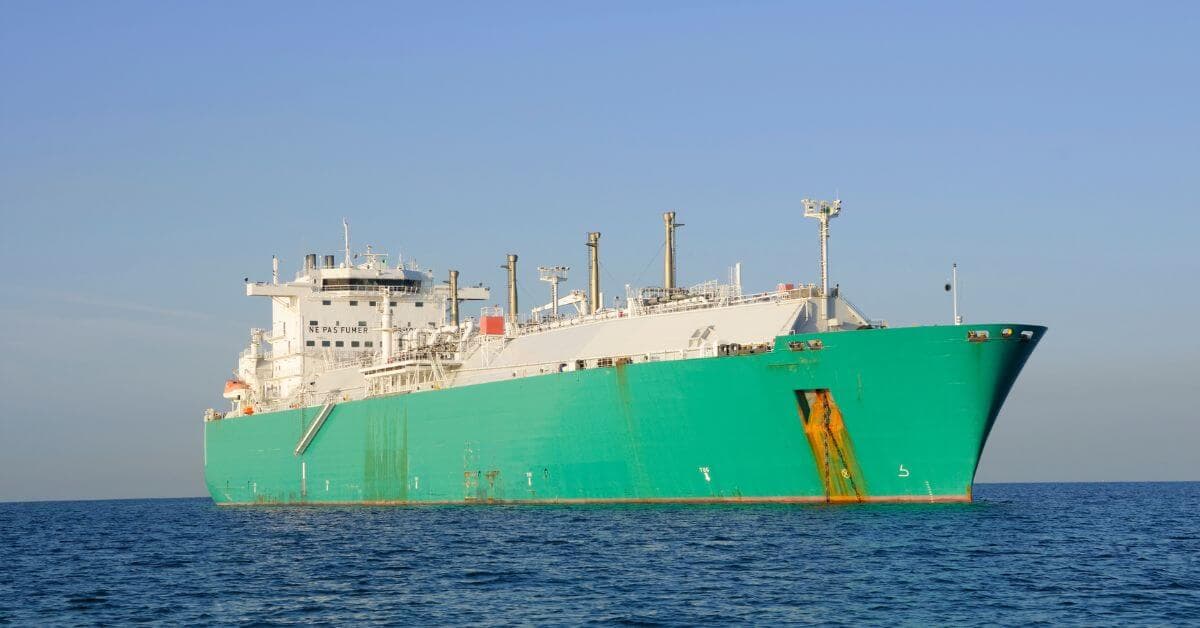
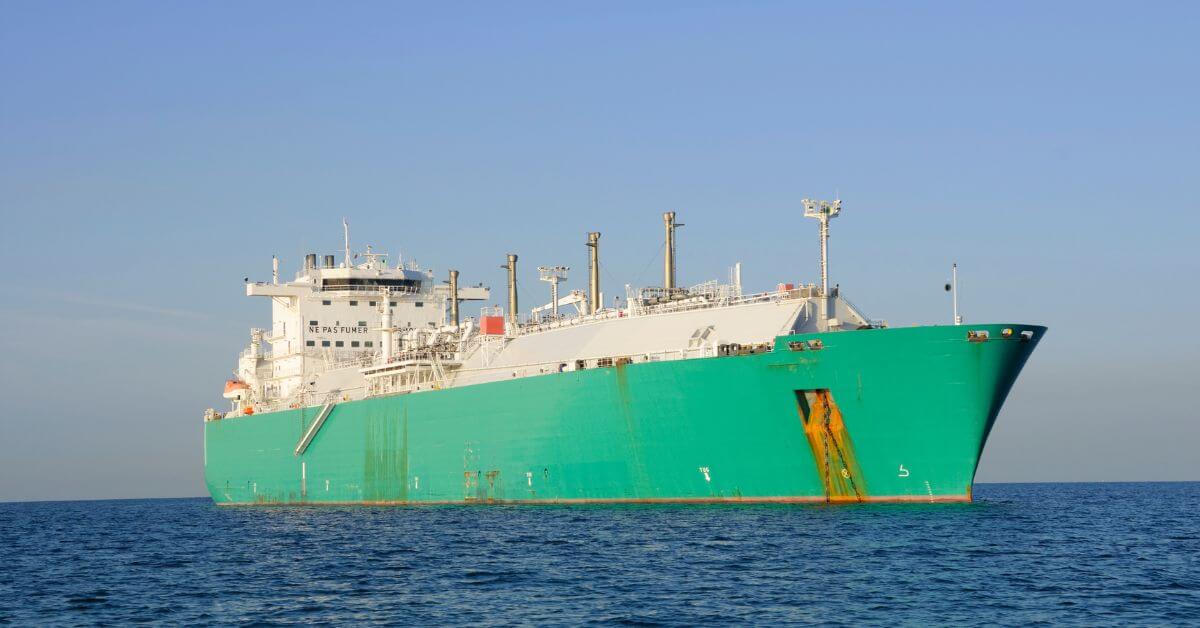
A Qatar-loaded LNG tanker has crossed the Strait of Hormuz and is heading to Pakistan after officials reached an arrangement with Iran to allow it to pass through the waterway.
The Bermuda-flagged Shandong Redwood crossed the strait over the weekend and is due to arrive at Port Qasim in Karachi on Sept. 23, according to ship-tracking data and an official at the Port Qasim Authority.
Pakistan has been using its ties with Iran to get LNG cargoes through the strait since fighting began in late February.
The shipment is important for Pakistan because the country depends heavily on LNG from Qatar for its power supply.
LNG traffic through the Strait of Hormuz has been badly affected by the fighting, making it harder for Pakistan to receive its regular cargoes.
Petroleum Minister Ali Pervaiz Malik confirmed that the tanker was carrying LNG to Karachi and had crossed the strait. He did not give more details.
The Shandong Redwood loaded its cargo at Qatar’s Ras Laffan export terminal on June 28. It stayed at anchor at Al Hamriyah in the United Arab Emirates from Sept. 7 before continuing towards Pakistan, according to its AIS data available online.
The 283-metre tanker was travelling through the Arabian Sea at about 7 knots with a draft of 11.5 metres. VesselFinder and MarineTraffic data showed the ship heading towards Karachi.
The shipment would be the second Qatari LNG cargo to reach Pakistan this month.
Earlier this month, another LNG tanker, Al Marrouna, arrived at Port Qasim with a cargo from Qatar.
Pakistan has received 10 LNG cargoes since April, including one delivered earlier this month.
The country received almost all of its LNG from Qatar last year. It relies on long-term agreements with Qatar for much of its gas supply.
During the high-demand season, Pakistan needs four to five LNG cargoes each month to run about 5,000 megawatts of LNG-fired power generation.
The disruption to LNG supplies has already put pressure on the power grid. Authorities have imposed rolling blackouts of up to 12 hours.
Natural gas accounts for about 17% of Pakistan’s power generation. Coal, hydropower and nuclear power provide the rest.
Pakistan had considered buying a spot LNG cargo if the Qatari shipment could not cross the Strait of Hormuz.
That would have added to the cost of its LNG imports. Spot LNG prices have risen to their highest level since 2022.
Qatar’s Energy Minister Saad Sherida Al Kaabi has said that only a very small amount of LNG is currently moving through the Strait of Hormuz.
Qatar is home to the world’s largest LNG export facility, making the waterway important for its gas shipments.
Pakistan’s LNG supplies have already been hit by the disruption. A Qatari LNG shipment planned for July was cancelled after fighting around the Strait of Hormuz intensified. Qatar later declared force majeure.
Pakistan has since been looking for emergency supplies and considering alternative fuels and spot LNG cargoes.
Petroleum Minister Ali Pervaiz Malik warned on Sunday that fuel prices could reach 1,000 Pakistani rupees per litre if a shortage develops. He also said there was no fuel shortage in Pakistan at the time.
Speaking to reporters in Lahore, Malik said international oil prices had risen by about 80%. Petrol prices in Pakistan had increased by about 50% since March 1, he said.
Pakistan has diplomatic ties with both the United States and Iran. It has repeatedly called for an end to the escalation in the Middle East to protect sea lanes and regional trade routes.
References: arabnews, brecorder
Want to read more?
Check out the full article on the original site