U.S. Navy Accelerates Submarine Production with Integrated Strategy
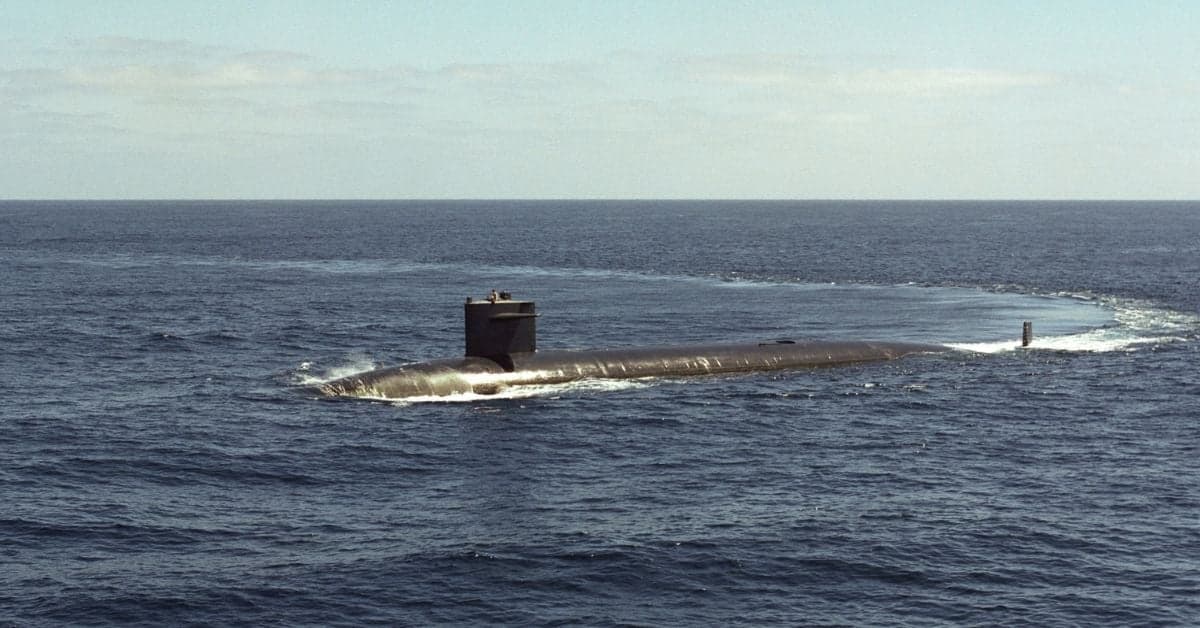
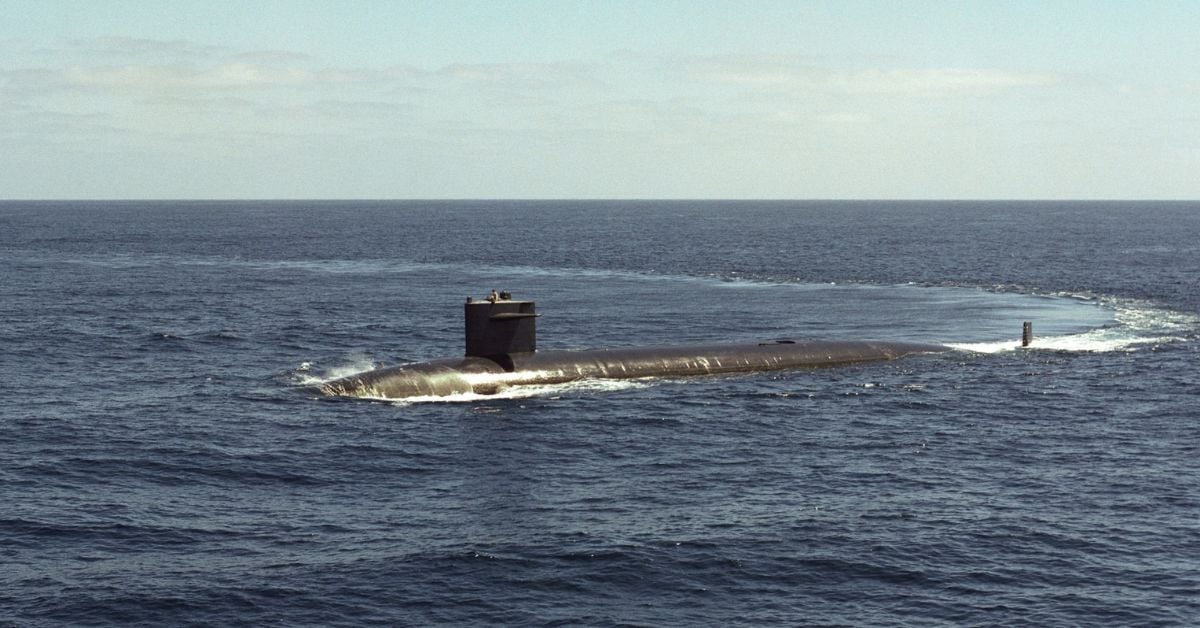
U.S. has come up with a 4-pillar strategic initiative to increase the pace of submarine production and their entry into the naval fleet.
With this, Washington aims to stabilise its annual manufacturing rate by delivering atleast 2 Virginia-class nuclear attack submarines and one Colombia-class ballistic missile submarine.
Though Chief of Naval Operations Admiral Daryl Caudle said that the production pace could be achieved by 2032, Vice Admiral Rob Gaucher, Director of Submarine Programs, aims to meet this production timeline by 2031 or sooner.
The U.S. Navy has planned a fleet of 12 Columbia-class and 70 Virginia-class submarines, which will be built at the two main naval shipyards in America, General Dynamics Electric Boat and Huntington Ingalls Industries Newport News.
However, meeting the long-term goals would be impossible without meeting the short-term milestones, which include delivery of the lead Columbia-class submarine in 2028, ensuring the delivery of one Columbia submarine per year by 2030, and attaining a rate of 2 Virginia-class submarines each year by 2031.
The Navy is taking an integrated approach towards the production of Virginia-class and Columbia-class submarines, given that General Dynamics and Huntington Ingalls Industries share physical yards, manufacturing methods and a skilled workforce.
Coming to the four pillars, Vice Admiral Gaucher’s first two pillars focus on achieving design stability and shipyard optimisation.
Under the first pillar, the Navy is enforcing a “pencils down” policy on Virginia-class design changes. This means that no changes in engineering or design would be made unless they are needed for safety or operational requirements. Such changes would then require authorisation from higher authorities.
The second pillar states that non-critical work could be delegated outward to other yards, ensuring that the main naval shipyards can focus exclusively on module integration, final tests and hull assembly. Different sections of the hull would be fitted elsewhere before they arrive at the yard for final assembly.
The third pillar aims to expand the defence industrial base by outsourcing component manufacturing to partner contractors like Rhoads, Austal, and BAE Systems, which would decrease the workload on primary naval shipyards and ensure that work continues at all facilities in parallel.
The last pillar emphasises ‘producibility’ by balancing the operational needs against keeping the production simple for the next-gen SSN-X attack submarines.
Vice Admiral Gaucher’s strategy marks a shift in the US Navy’s shipbuilding philosophy. By prioritising design continuity, expanding regional supply chains, and choosing manufacturing speed over technical redesigns, the Navy wants to overcome industrial bottlenecks and build a larger and more capable undersea fleet at a faster pace.
Want to read more?
Check out the full article on the original site