•2 min read•from Frontiers in Marine Science | New and Recent Articles
World Ocean Assessment Highlights Governance Gaps Amidst Ocean Degradation
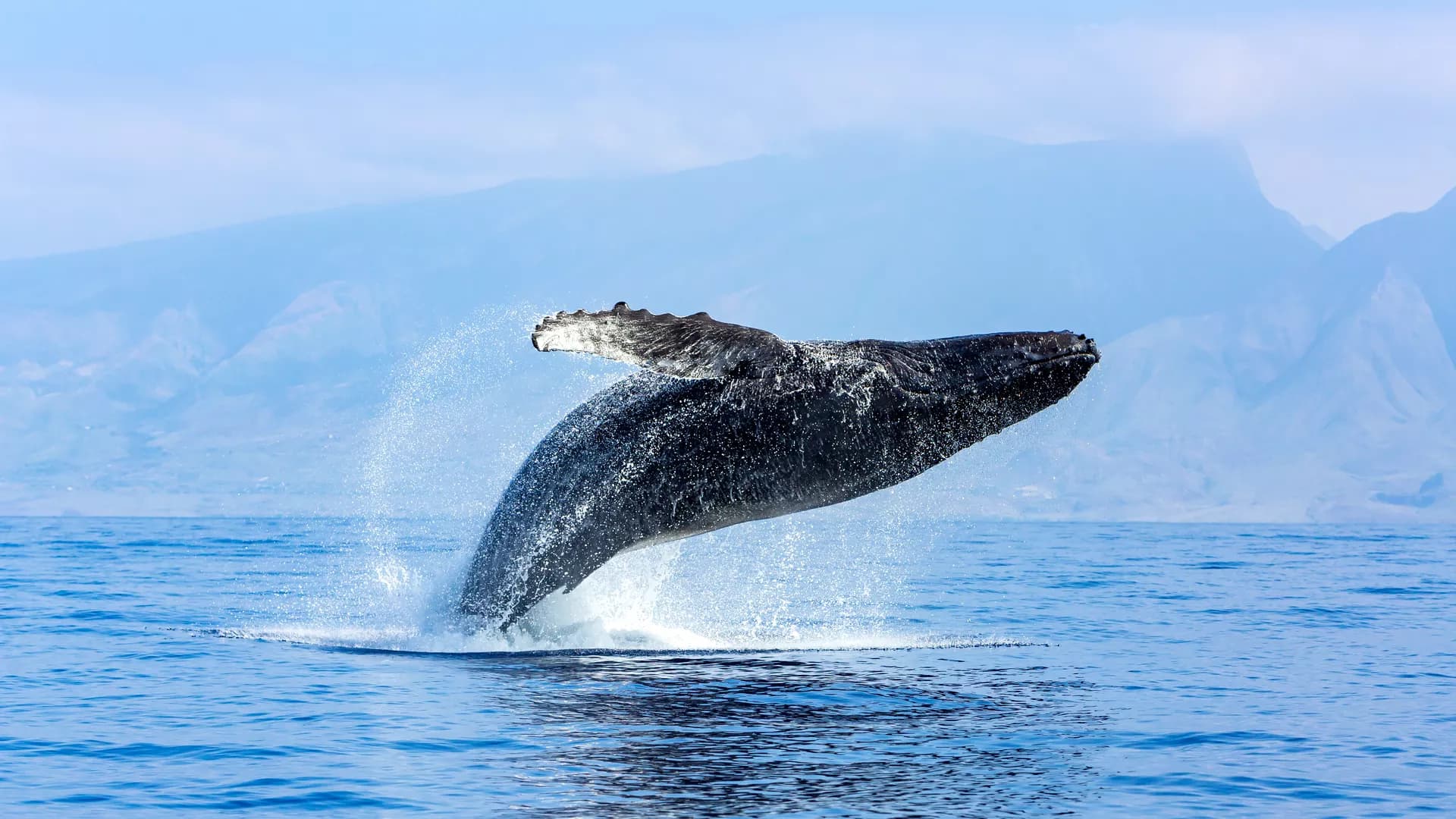
The Third World Ocean Assessment (WOA III), released by the United Nations in June 2026, is the largest and most comprehensive global scientific assessment of the ocean to date. The Assessment has revealed, with a high degree of scientific certainty, the severe conditions facing the global ocean, while simultaneously revealing a persistent structural deficiency: the existing governance architecture remains significantly fragmented across sectors and regions. Adopting institutional fragmentation as an analytical lens, this article examines the limitations of the current governance architecture—comprising the United Nations Convention on the Law of the Sea (UNCLOS), the BBNJ Agreement, and Regional Fisheries Management Organizations (RFMOs)—from three dimensions: structural, normative, and procedural. The study finds that the translation of scientific assessment into policy action faces three major obstacles: temporal mismatches between scientific cycles and political decision-making, the weak constraining force of international soft law, and the strategic use of scientific knowledge in political bargaining. The core argument of this article is that institutional fragmentation, rather than the insufficiency of scientific knowledge per se, constitutes the fundamental structural barrier to improving the effectiveness of global ocean governance. The article proposes four pathways: aligning scientific and institutional decision-making, strengthening the normative uptake of scientific assessments, improving the use of scientific knowledge, and fostering cross-sectoral institutional coordination. These findings contribute to the theoretical debate on the science-policy interface in global environmental governance and offer practical implications for the reform of global ocean governance architecture in the post-WOA III era.
Want to read more?
Check out the full article on the original site
Tagged with
#ocean governance
#WOA III
#institutional fragmentation
#science-policy gap
#UNCLOS
#BBNJ Agreement
#RFMOs
#global ocean
#scientific assessment
#policy action
#international soft law
#cross-sectoral coordination
#environmental governance
#temporal mismatches
#political decision-making
#normative uptake
#structural barriers
#science-policy interface
#regional fisheries
#global environmental governance