Indian Navy Explores Domestic Innovation for Amphibious Fleet Expansion
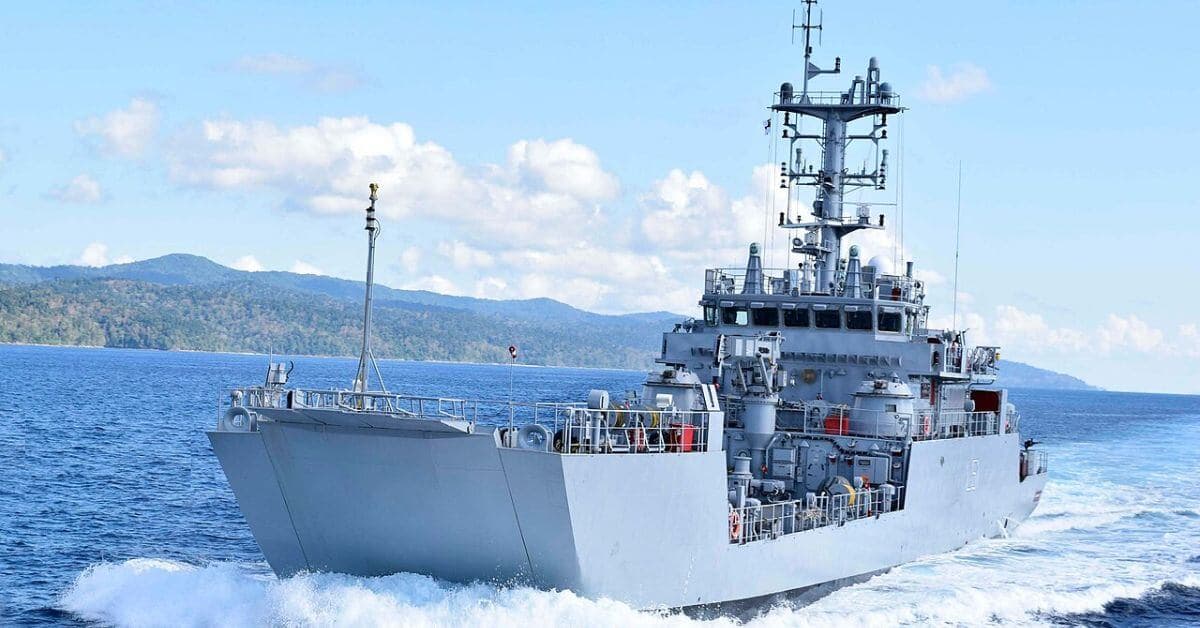
The Indian Navy has issued a Request for Information (RFI) for six new Landing Craft Utility (LCU) Mk V vessels from Indian shipyards.
The Navy wants the vessels for amphibious operations, troop and equipment transport, island logistics, search and rescue (SAR), Exclusive Economic Zone (EEZ) patrols and Humanitarian Assistance and Disaster Relief (HADR) missions.
The vessels will be built under the government’s ‘Make in India’ initiative. The Navy plans to procure them under the Buy (Indian-IDDM) category, which focuses on indigenous design, development and manufacturing.
Indian shipyards responding to the RFI will have to provide details about the indigenous content of their vessels and the level of domestic industrial participation.
Each LCU Mk V is expected to be about 85 metres long and have a displacement of around 1,500 tonnes. The RFI allows a 15% variation in the displacement.
The vessels must be able to carry at least four Main Battle Tanks (MBTs), four BMP infantry fighting vehicles and 190 fully equipped troops.
The Navy also wants each vessel to have an endurance of about 4,500 nautical miles and a top speed of at least 15 knots. The Mk V vessels will be larger and have much greater endurance than the Navy’s existing LCU Mk IV ships.
The new vessels will use diesel propulsion. They must be able to operate in Sea State 3 and remain survivable up to Sea State 7. Each vessel is planned to have a service life of 30 years.
The longer range will allow the LCUs to operate farther from their bases and support missions involving India’s island territories. They will also be used to move personnel, supplies, vehicles and engineering equipment.
The Navy has specified a minimum carrying capacity of four MBTs, four BMP infantry fighting vehicles and 190 fully equipped troops for each Mk V vessel.
This gives the vessels a role in moving both armoured vehicles and troops during amphibious operations. The LCUs will also be used for non-combat missions. These include search and rescue, HADR and EEZ patrols.
LCUs are designed to move troops, vehicles and heavy equipment from ships to shore, along coastlines or back to warships. They can also be used for humanitarian assistance, disaster relief and medical evacuation.
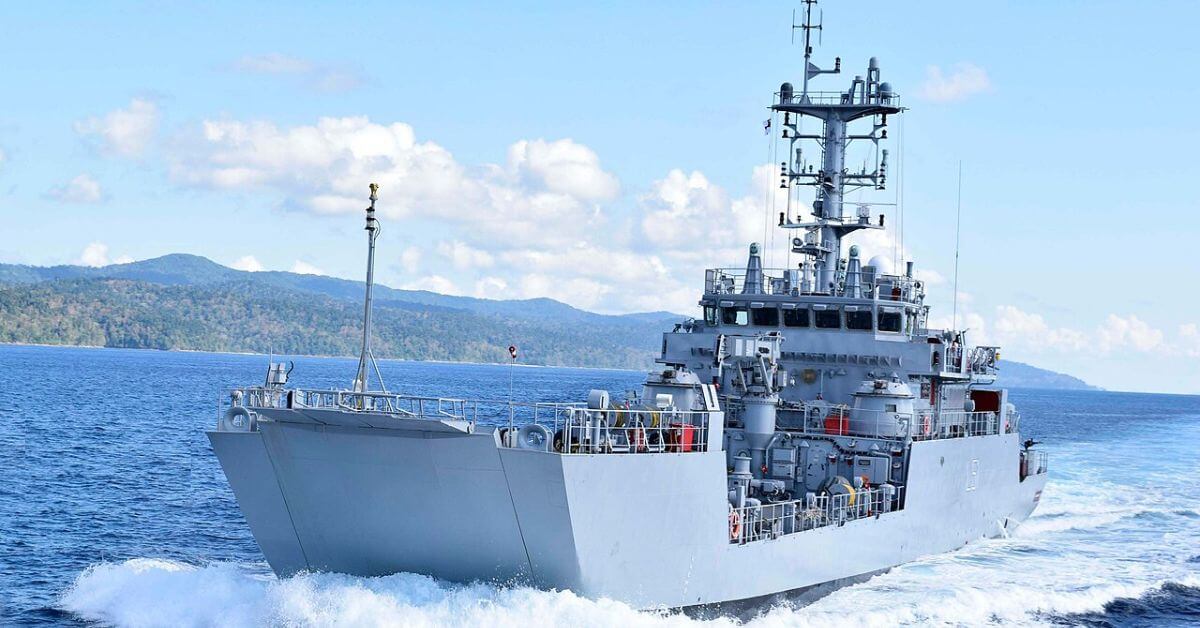
The Indian Navy currently has eight LCU Mk IV vessels. Garden Reach Shipbuilders and Engineers (GRSE) designed and built the ships.
The Mk IV vessels are about 62.8 metres long and have a displacement of roughly 830 to 1,001 tonnes. They can reach a maximum speed of 15 knots and have an endurance of around 1,500 nautical miles at 12 knots.
The ships can carry main battle tanks, armoured vehicles and between 160 and 216 personnel, according to sources.
They are used for amphibious operations, beaching, transport, search and rescue and disaster-relief missions. They also carry out missions around the Andaman and Nicobar Islands.
The Mk V vessels will be bigger than the Mk IV class. The new requirement specifies a length of about 85 metres and a displacement of around 1,500 tonnes.
Their required endurance of about 4,500 nautical miles is also much higher than the Mk IV’s approximately 1,500 nautical miles at 12 knots.
The Navy is seeking responses from Indian shipyards and vendors as part of the RFI process. The procurement will follow Defence Procurement Procedure 2.0 and is planned under the Buy (Indian-IDDM) category.
References: indiandefensenews, thedefensenews
Want to read more?
Check out the full article on the original site