Gulf of Oman STS Transfers Max Out Amid Rising Saudi Oil Exports
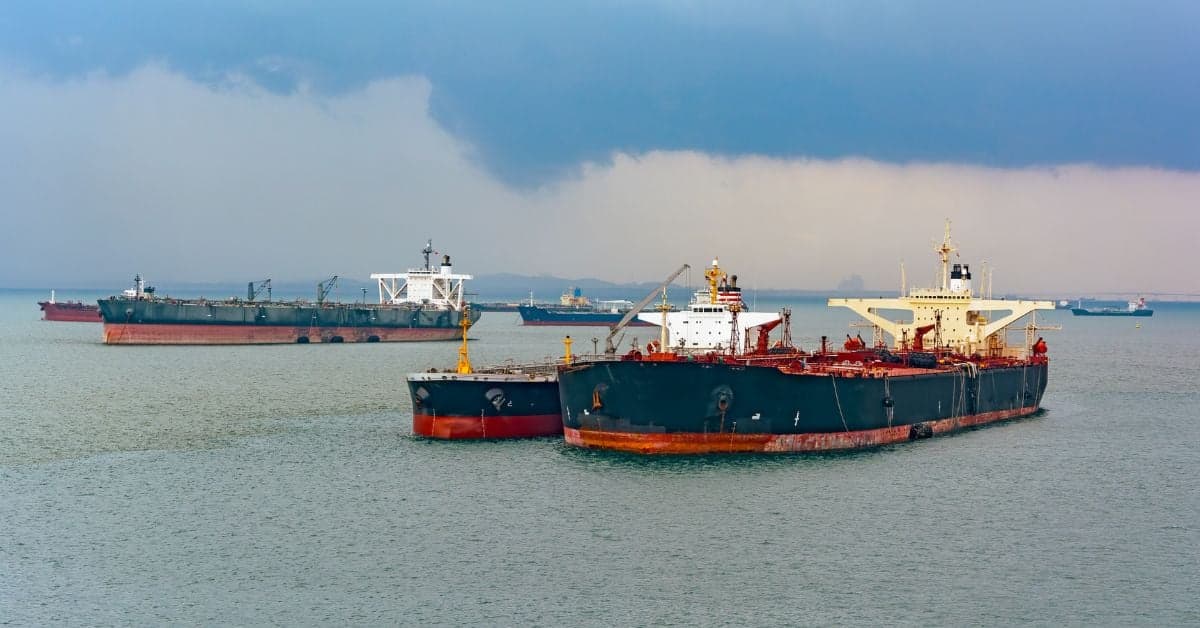

Ship-to-ship (STS) oil transfers in the Gulf of Oman have hit their maximum capacity, traders and analysts said. The bottleneck occurred after Saudi Arabia decided to reroute its oil shipments through the Strait of Hormuz, given the Houthi threat in the Red Sea.
This added to the already heavy ship traffic in the waterway from other producers in the Middle East trying to export their oil without risking an attack. Saudi Aramco redirected its oil shipments after an attack on the East-West Pipeline on September 13, 2026, halting exports from the Red Sea Port of Yanbu.
As a result, Saudi Arabia had to export its crude via the Strait of Hormuz, and volumes surged quickly from 900,000 barrels a day last month to 3.6 million in September.
Since the attack damaged the pipeline, Saudi’s state oil company Aramco has sold more than 60 million barrels of crude through ship-to-ship transfers off Oman’s Sohar Port.
However, these transfers require atleast 20 to 40 additional Very Large Crude Carriers (VLCCs or supertankers) to shuttle the oil out of the Persian Gulf.
In addition, vessels from Iraq and the UAE have also arrived, leading to long queues for tugboats, labour, and equipment, and increasing transfer time from 5 to 7 days to 10 days or more in some cases.
Additionally, a shortage of tankers has skyrocketed daily charter rates on the Middle East to China routes to a whopping $1.27 million.
Many tankers are stranded in the Mediterranean region and are waiting for operations to resume at the Yanbu Port. In order to avoid congestion at the Gulf of Oman, buyers in Asia are requesting the sellers in the Middle East to deliver oil directly or through ship-to-ship transfers at safer locations.
Chinese buyers are arranging direct deliveries to refineries in eastern China or moving transfers to Malaysia’s Linggi. South Korean Refiner S-Oil is sending supertankers to conduct cargo transfers off Vadinar on India’s west coast.
Want to read more?
Check out the full article on the original site