A Ritual of Devotion: The Skincare Edit for My Mother at 59
When it comes to skincare, “mature skin” can be a slightly unhelpful term. Skin doesn’t suddenly become mature on a particular birthday, and there’s no single set of products that everyone needs once they reach a certain age. Instead, the way our skin looks and behaves changes gradually over time, with everything from genetics and hormones to sun exposure, lifestyle, and the products we use playing a part.
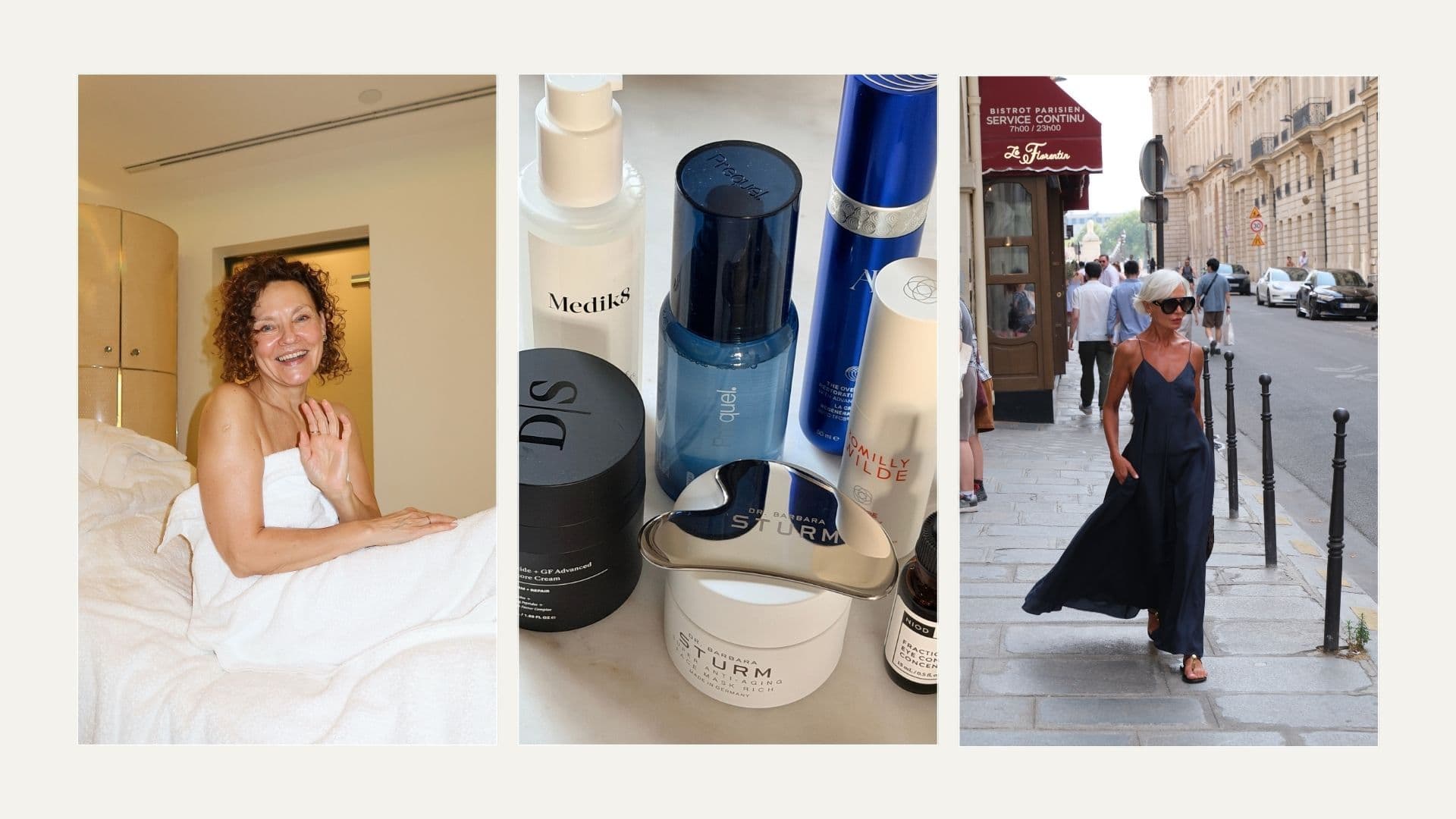
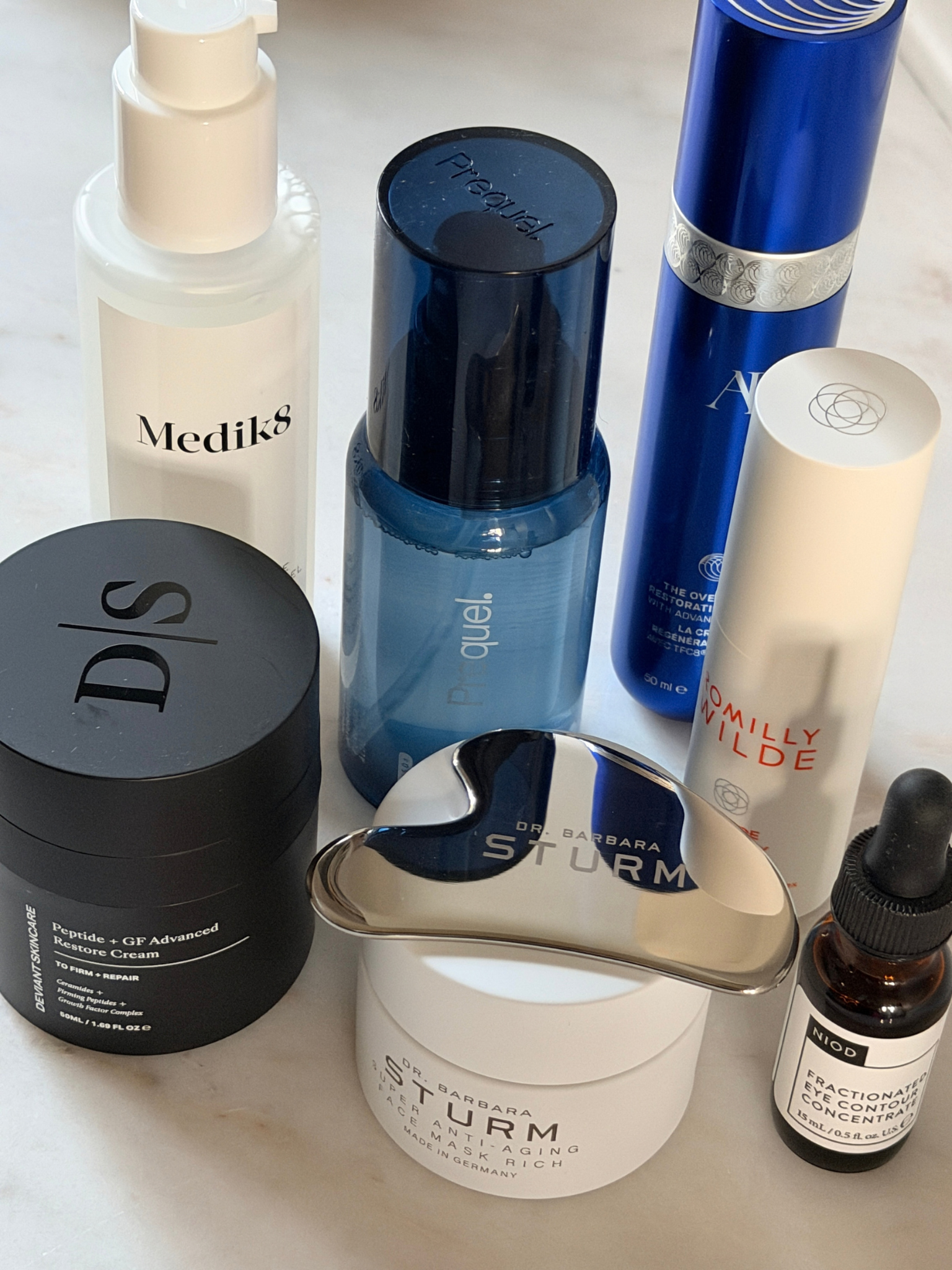
My mum is 59 and has previously taken a very minimal approach to skincare, but at her request I recently put together a skincare routine for her—based on what I know about her skin, the concerns she wants to address, and what I’ve learned from years of working in beauty. The result isn’t a strict 10-step routine or an attempt to make her skin look younger—it’s a curated selection of products designed to support her skin as it is now.
If you're in your fifties or above, then like my mum, you might have recently noticed that your skin feels drier than it used to, that fine lines are becoming more visible, or that your complexion looks less even and luminous. Perhaps it doesn’t bounce back quite as quickly after a late night, or your makeup no longer sits as seamlessly as it once did. These changes are totally normal, but they can mean that your skincare needs to evolve, too.
“Mature skin can simultaneously feel drier, thinner, less supple, and slower to recover,” explains Jennifer Cookson, microbiologist and material scientist and scientific advisor for Romilly Wilde. Much of the conversation around mature skin centres on the idea of reduced collagen production. But while collagen is undoubtedly important, there’s a more interesting—and increasingly advanced—way to think about what happens to our skin as we age.
“Collagen is incredibly important, but mature skin isn’t simply skin that has lost collagen,” explains Cookson. "As skin ages, its ability to respond to environmental stress, maintain its barrier, regulate inflammation, repair damage and maintain the proteins that give skin its structure and resilience can become less efficient." This shift in thinking is particularly relevant when it comes to choosing products. Rather than looking for a single miracle ingredient that promises to tackle wrinkles, the more useful question is whether a formulation can support several of these processes at once.
While ingredients such as retinoids, peptides, and antioxidants still have an important role to play, recent launches have also shown a growing focus on longevity and supporting the skin more holistically—including its barrier, hydration, ability to defend itself against environmental stress, and the processes that help it repair and remain resilient.
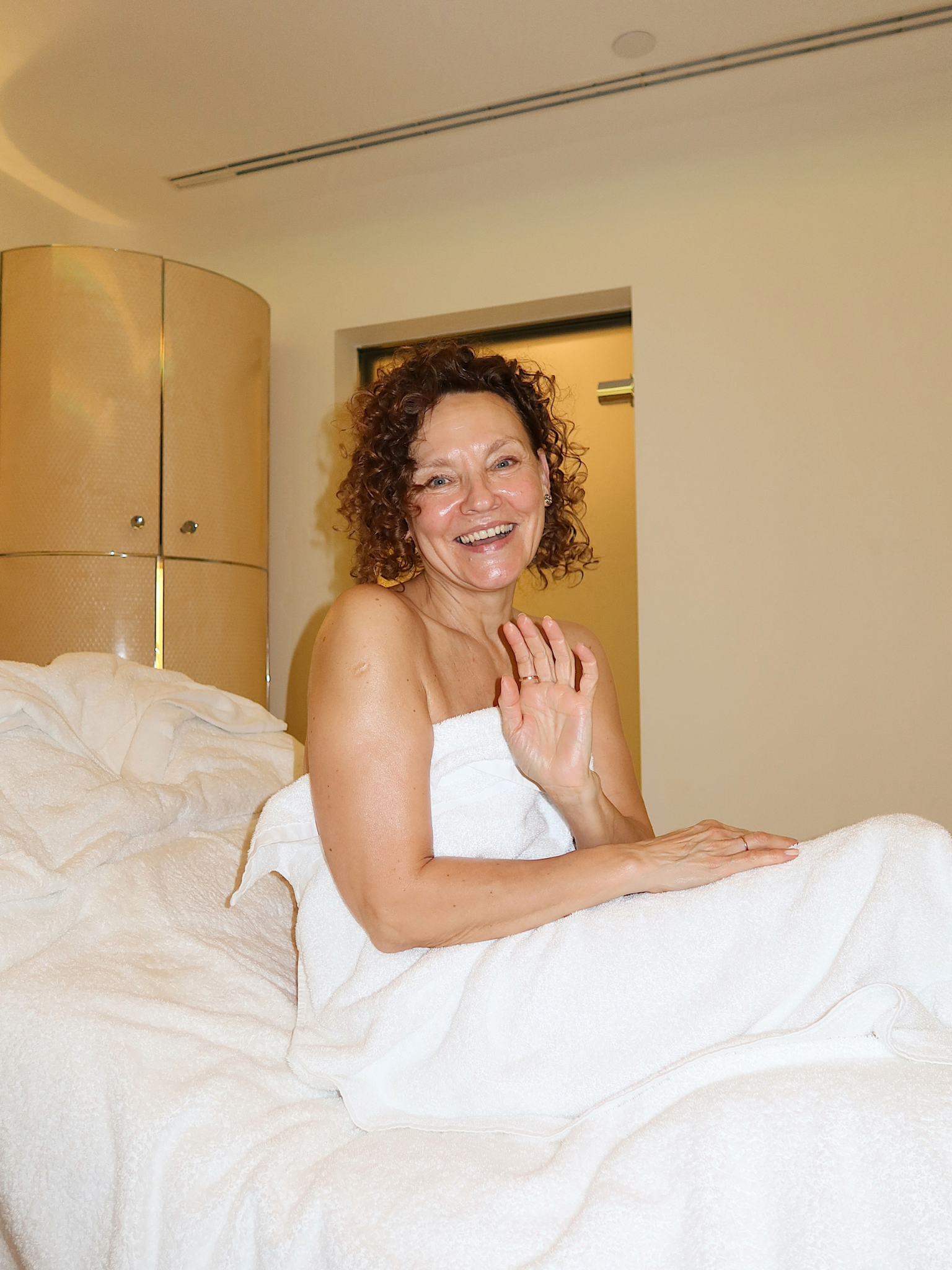
That’s basically the thinking behind the routine I’ve built for my mum. Rather than looking for a single “anti-ageing” ingredient, I’ve chosen products that support different aspects of healthy skin, from cleansing and hydration to exfoliation, retinal, peptides, SPF, and technologies such as LED. There are products here that I regularly recommend to clients, alongside a few that I chose specifically because I know what my mum likes and, importantly, what she’ll actually use.
But first, Cookson explains what’s really happening to our skin as we age, what skincare can (and can’t) do, and the ingredients and technologies worth knowing about.
What Are the Signs of Mature Skin?
The most common signs include fine lines and wrinkles, dryness, uneven tone and texture, and a gradual loss of firmness and elasticity. However, Cookson stresses that these shouldn’t be viewed as completely separate concerns. “They’re visible signs that several parts of the skin are changing simultaneously,” she explains. As well as the surface barrier becoming less efficient, changes occur within the skin’s structural network of collagen, elastin and other molecules, which can leave skin feeling drier, thinner, less supple, and slower to recover.
What Causes Skin Ageing?
Skin ageing is the result of both intrinsic ageing—the natural changes that occur within our skin over time—and external factors. As cell renewal slows, the way skin produces and organises lipids changes, while the structural matrix beneath the surface also alters. We produce less new collagen, alongside changes to elastin, hyaluronic acid, and other components involved in hydration and resilience. “UV exposure, pollution, and other environmental stresses can generate oxidative stress that accelerates these changes,” adds Cookson.
How Can You Address Signs of Mature Skin with Skincare?
Think beyond simply treating individual wrinkles. “The most interesting formulations support how skin functions and responds to stress over time,” says Cookson. She describes this as an evolution from targeting a single visible sign of ageing towards supporting “the skin’s ability to function, adapt, and remain resilient over time.” In practice, that means a well-rounded routine rather than relying on one hero ingredient. Look for products that combine hydration and barrier support with ingredients that help protect against environmental stress and support the skin’s repair processes and structural matrix.
What Should You Look for in Products for Mature Skin?
Cookson recommends looking for “a well-designed formulation that addresses several aspects of ageing” rather than chasing a single miracle ingredient. Proven ingredients such as ceramides and lipids can support the barrier, glycerin and hyaluronic acid hydrate, and antioxidants help defend against environmental stress. Peptides and biotechnology-derived ingredients can also be worthwhile where there’s good clinical evidence behind them. “It’s not about having the most fashionable ingredient on the label,” she says. “It’s about whether the complete formulation produces a meaningful biological and visible benefit.”

The Best Products for Mature Skin
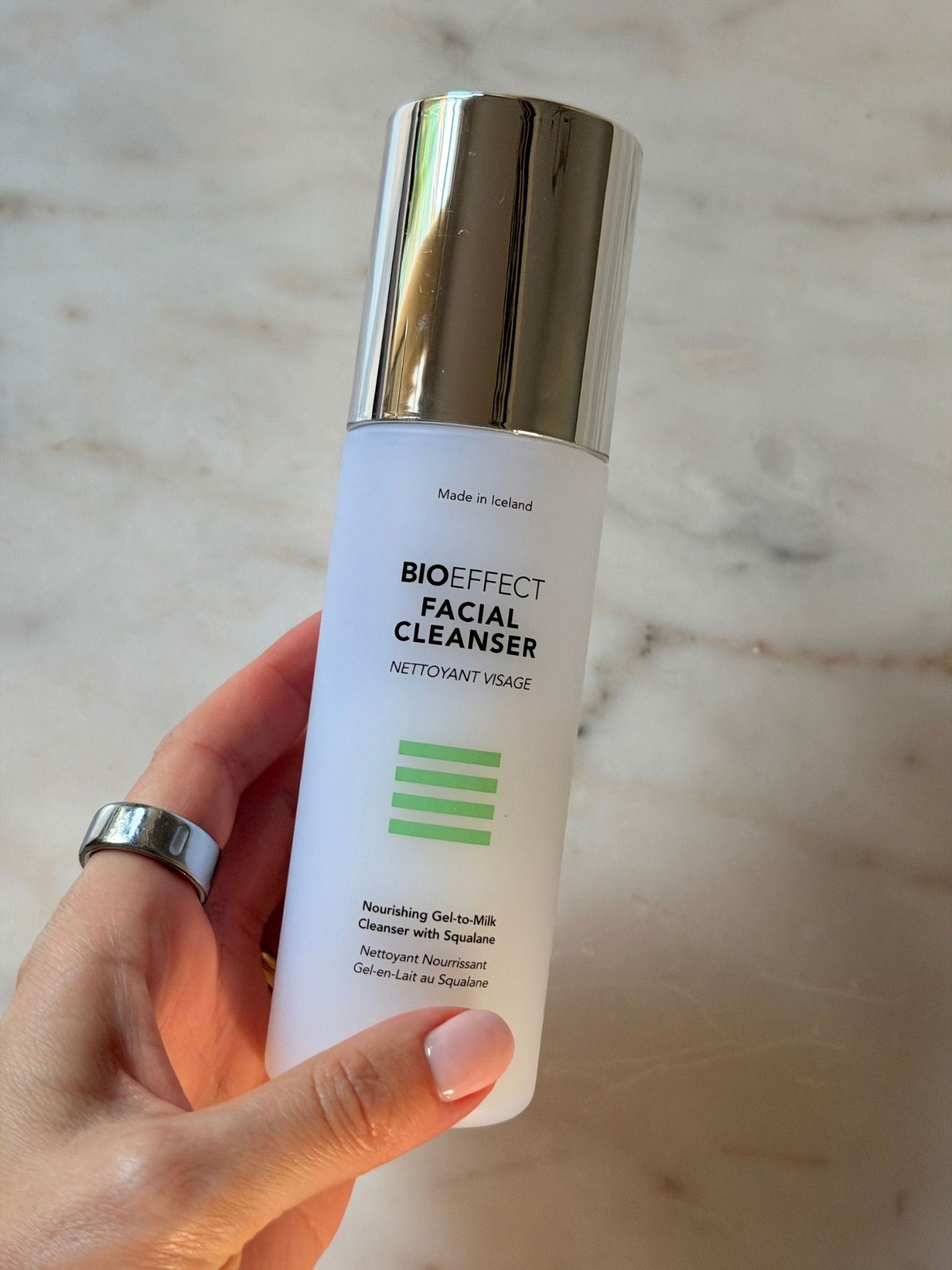
- The Best Cleanser for Mature Skin: Bioeffect Facial Cleanser
- The Best Serum for Mature Skin: Romilly Wilde Peptide Longevity Serum
- The Best Moisturiser for Mature Skin: Augustinus Bader The Overnight Restorative Cream
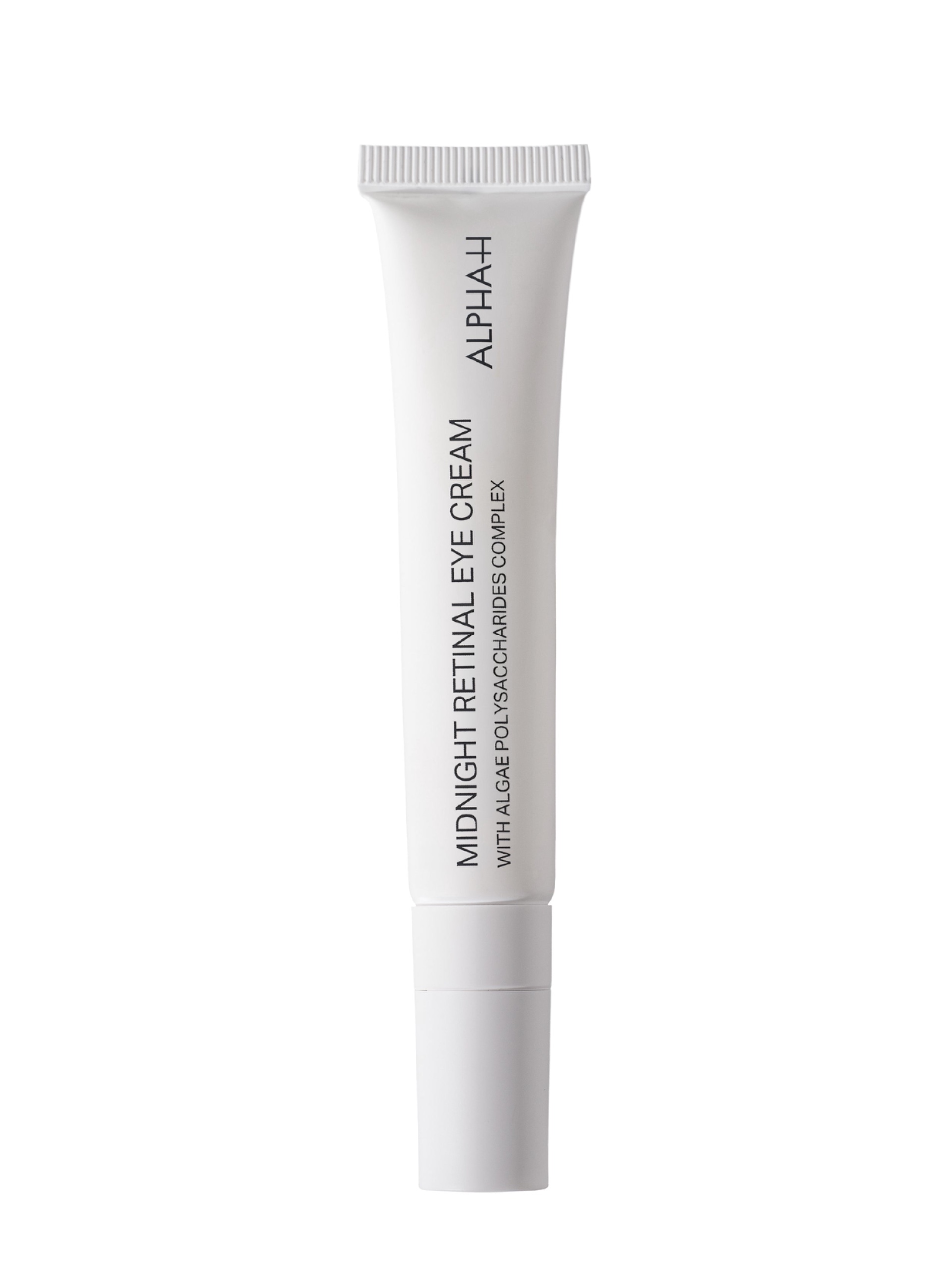
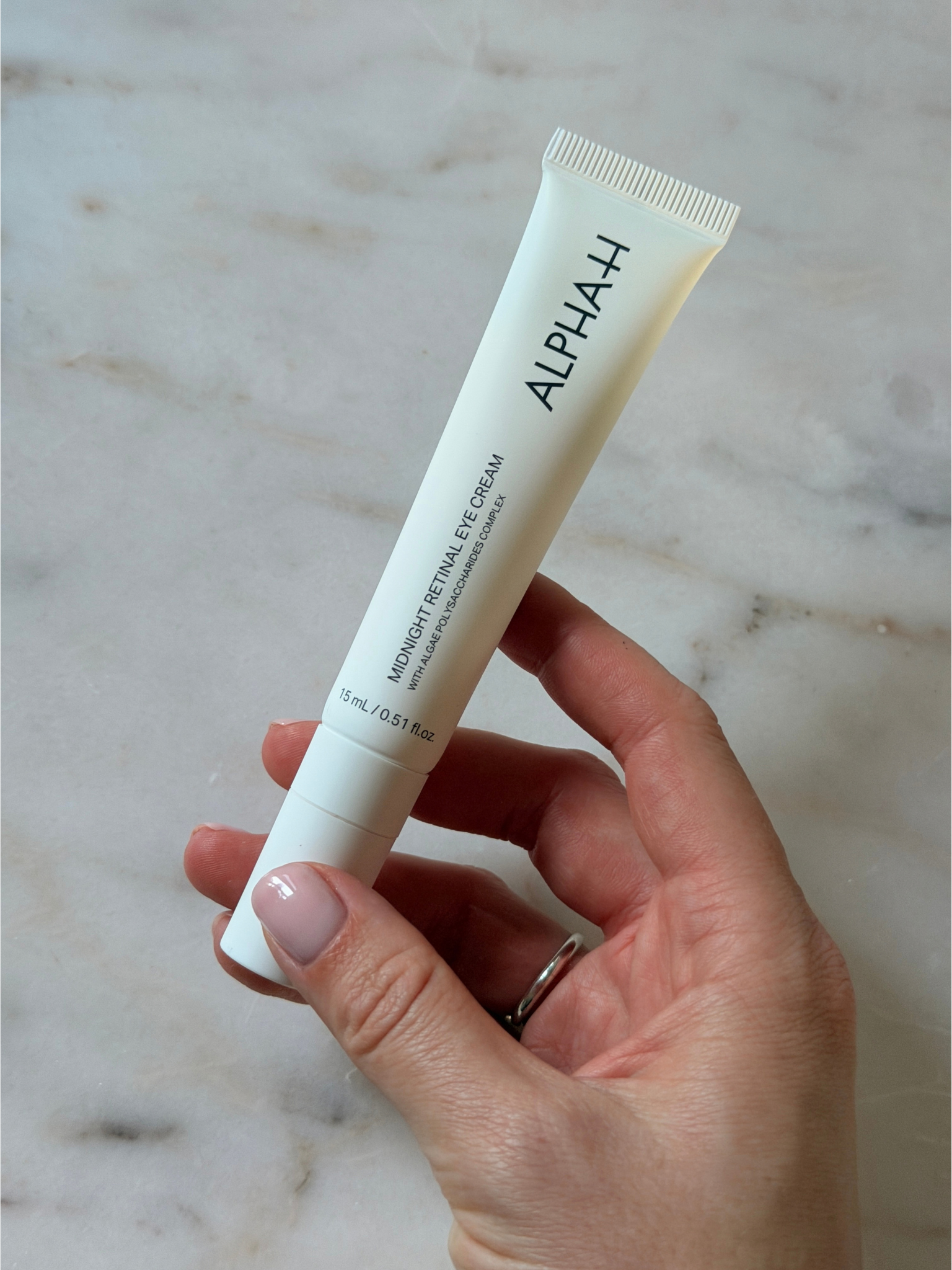
- The Best Eye Cream for Mature Skin: Alpha-H Midnight Retinal Eye Cream
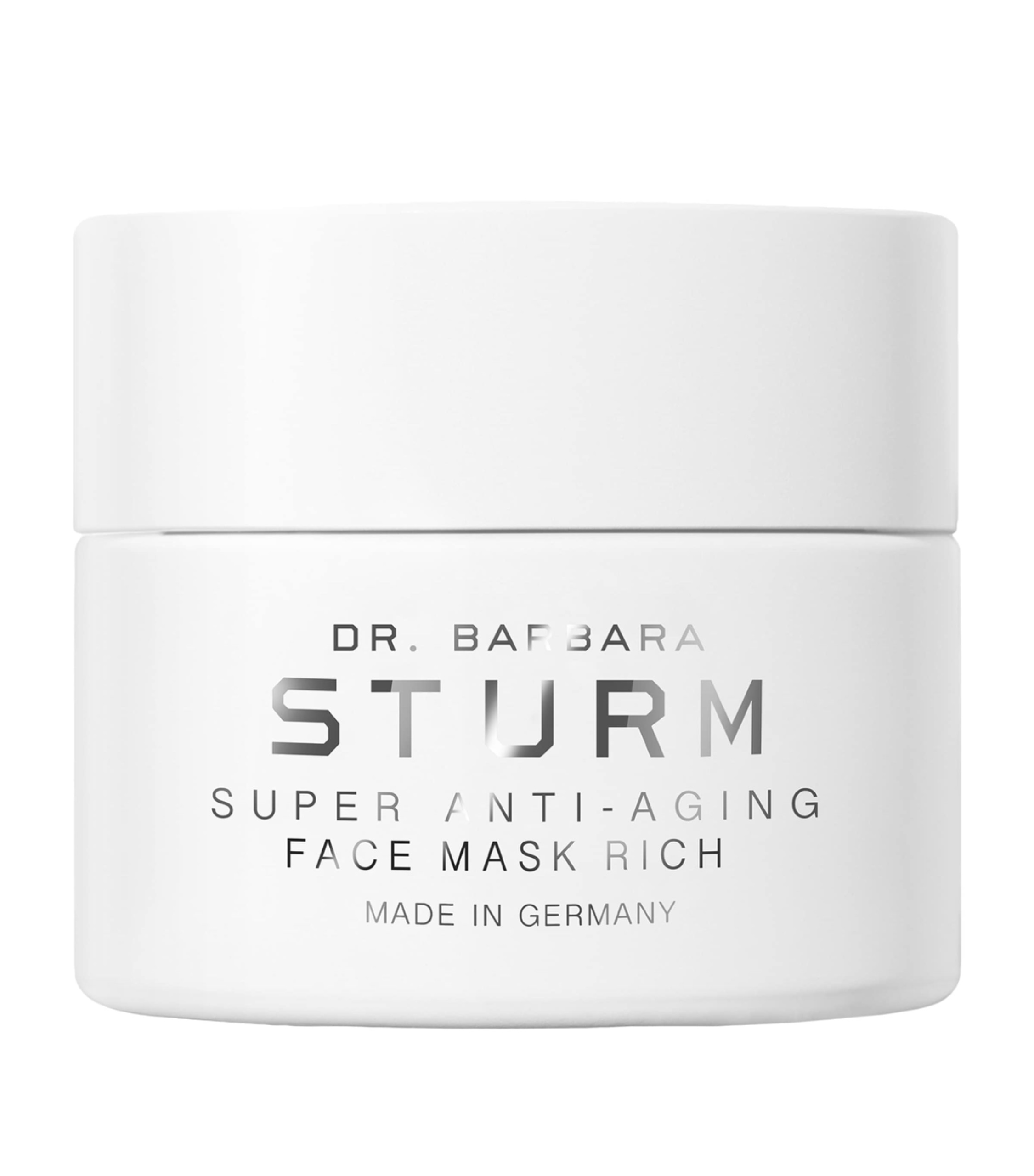
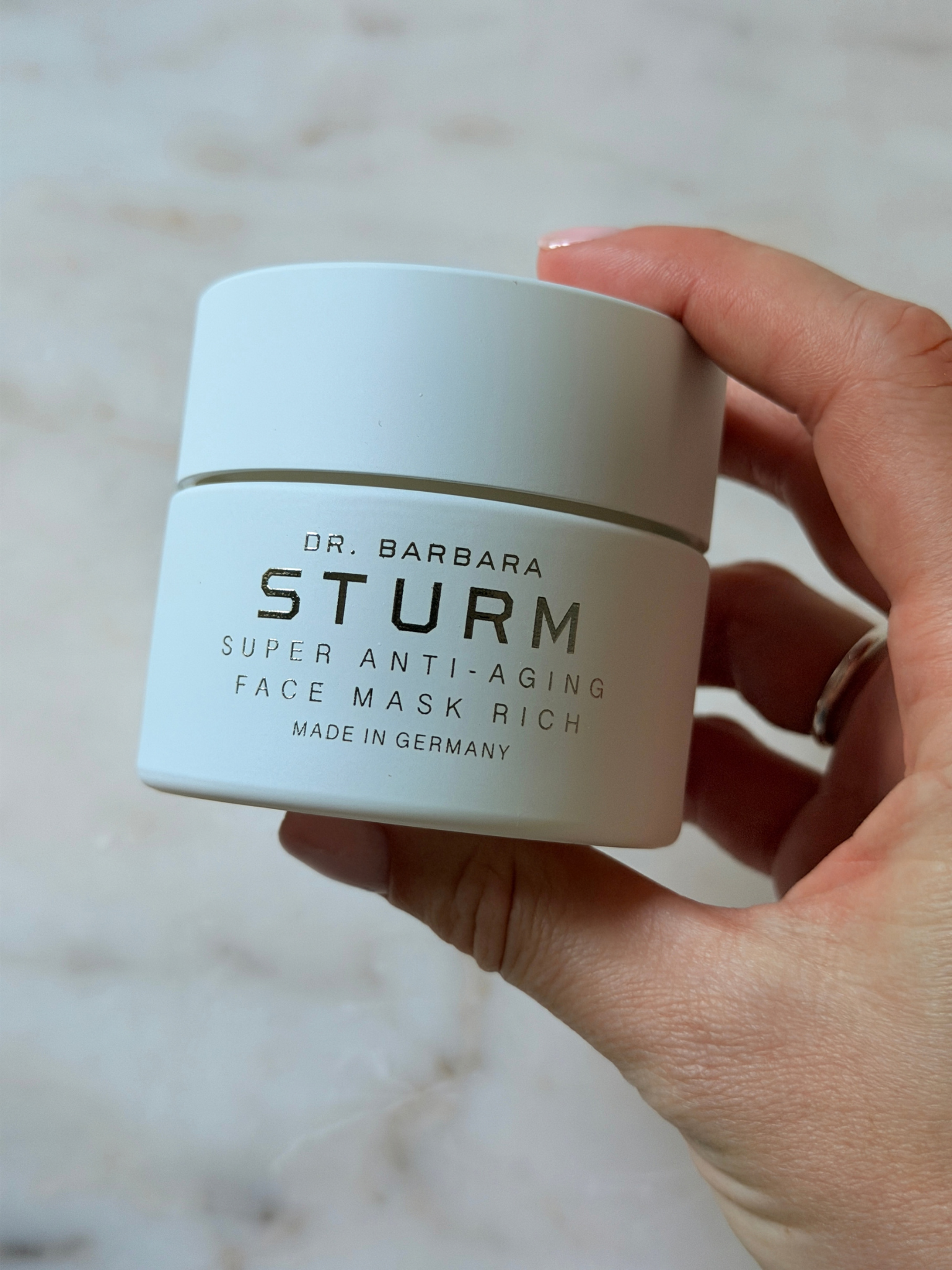
- The Best Face Mask for Mature Skin: Dr. Barbara Sturm Super Anti-Aging Face Mask Rich
The Best Cleansers for Mature Skin
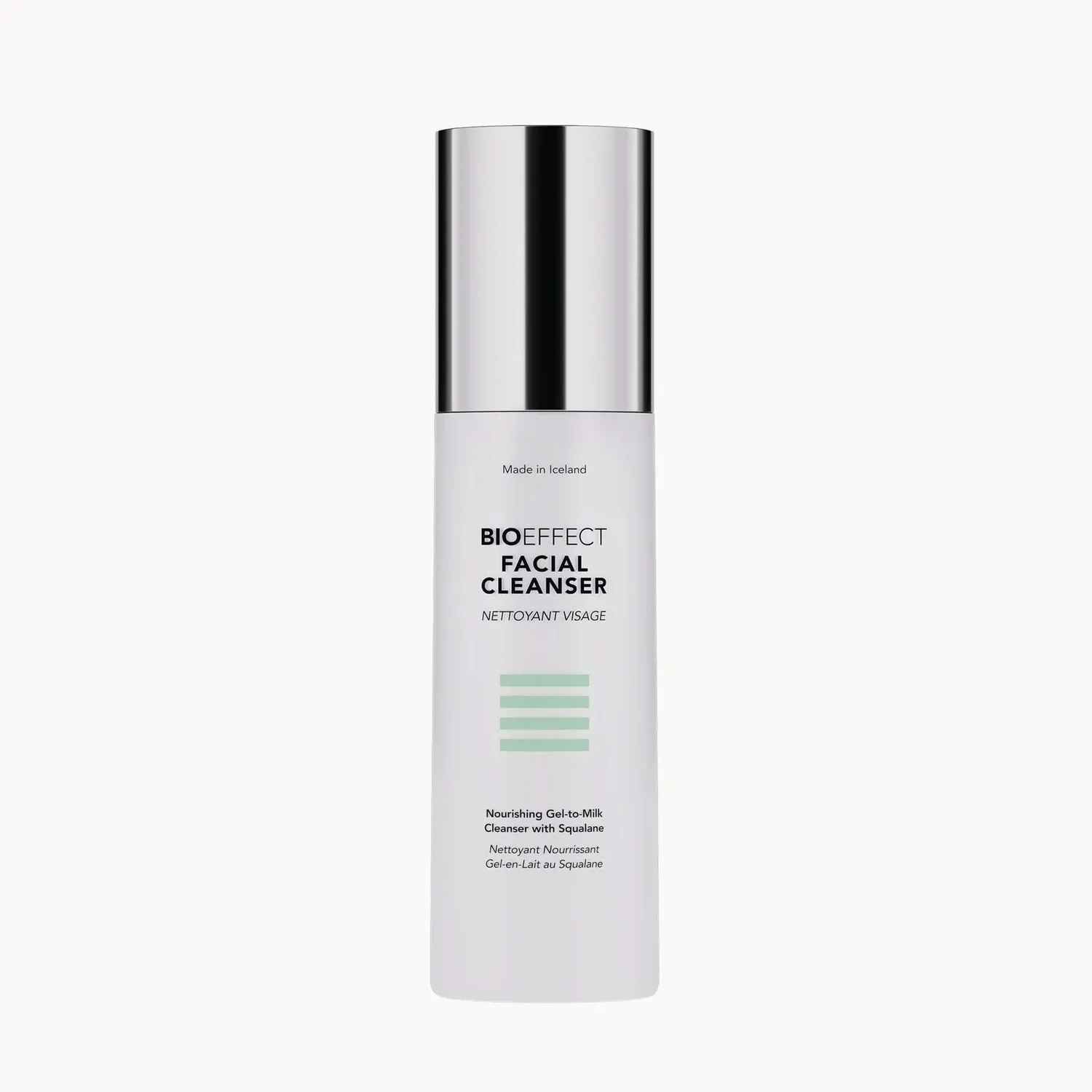 Best Morning Cleanser
One of my mum's personal favourites, this is a lovely cleansing option if your skin has become drier or more sensitive with age. The gentle gel-cream formula cleanses without leaving skin feeling tight or stripped, making it perfect for maintaining a healthy skin barrier. It’s a simple but effective product, ideal for prepping your skin before the rest of your routine.
Pros
- Gentle, non-stripping feel
- Great for dry or sensitive skin
- Leaves skin feeling soft rather than tight
Cons
- Expensive price point
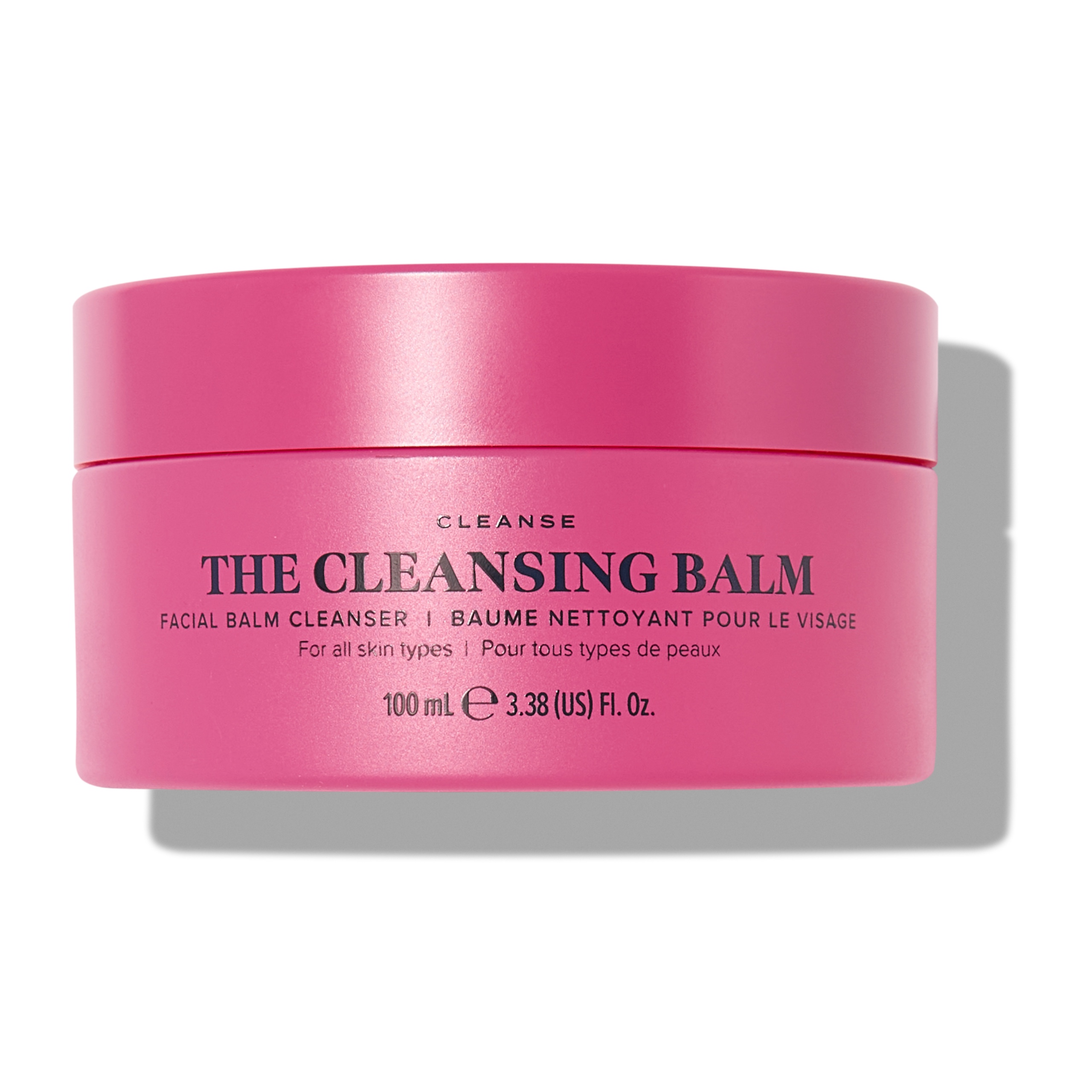 Best Cleansing Balm
A rich cleansing balm can be particularly useful for mature skin, especially if dryness and dehydration are concerns, and Skin Rocks’ formula gets the balance right between nourishing and effective. It melts into the skin to dissolve makeup, SPF, and daily grime, while leaving the complexion feeling soft rather than squeaky clean. My mum likes this as an evening first cleanse when she wants something comforting (and genuinely enjoyable to use) but still thorough and effective.
Pros
- Rich, comforting texture that suits dry and mature skin
- Effectively breaks down makeup and SPF
- Available in a fragrance-free version
Cons
- Expensive price point
- Balm cleansing can feel a little more time-consuming than a quick rinse-off cleanser
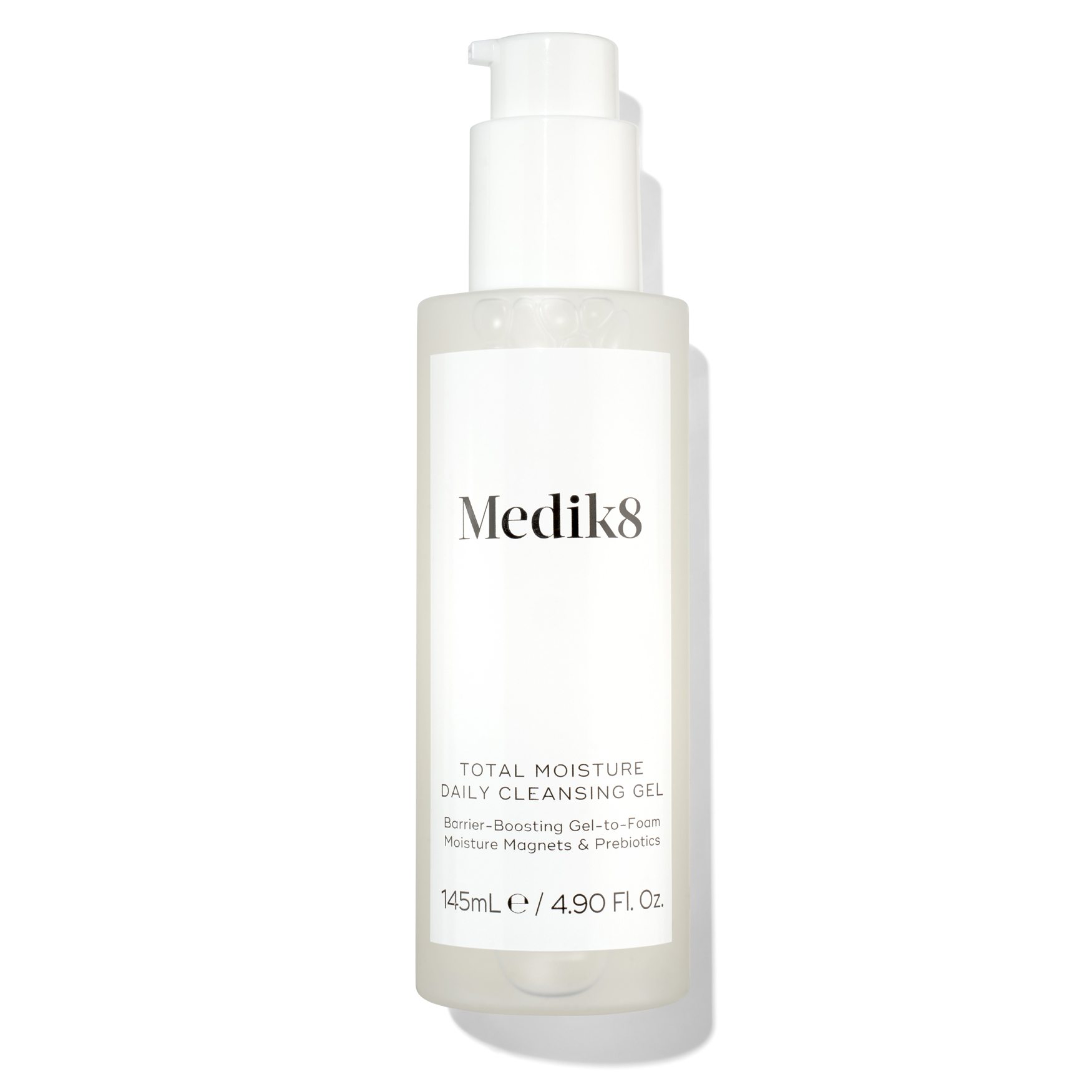 Best for a Second Cleanse
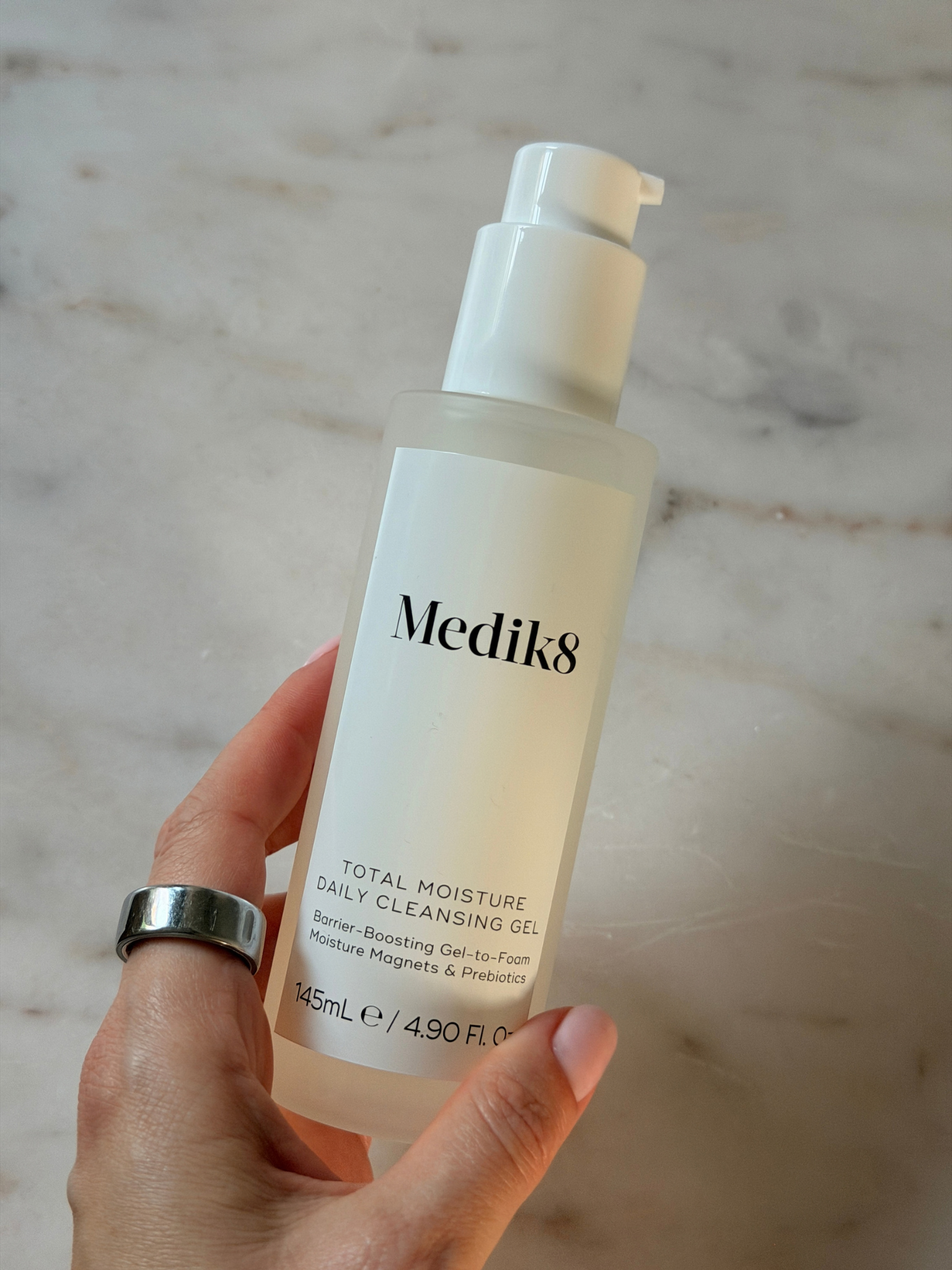
Don’t let the word “gel” put you off if your skin is on the dry side. Medik8’s Total Moisture Daily Cleansing Gel is designed to cleanse without compromising the skin’s moisture levels, making it a good everyday option for mature complexions. The non-foaming formula leaves skin feeling fresh and comfortable rather than tight, and works particularly well for a refreshing second cleanse.
Pros
- Non-drying and non-foaming
- A little goes a long way
Cons
- May not be enough for heavy makeup removal on its own
The Best Toners for Mature Skin
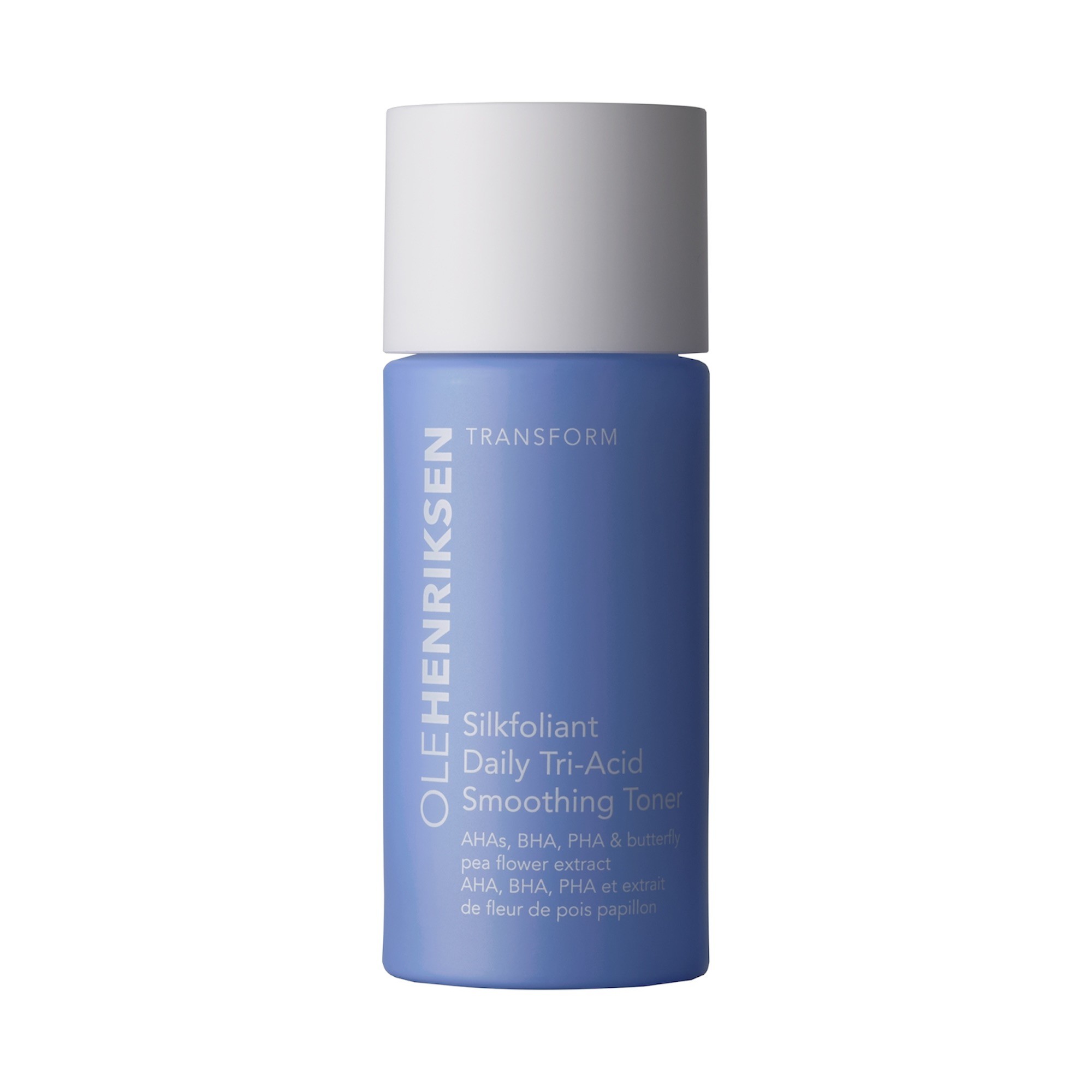 Best Exfoliating Toner
If dullness and uneven texture are among your concerns, Ole Henriksen’s Silkfoliant is an easy way to introduce gentle exfoliation into your routine. The tri-acid formula combines exfoliating acids with a more nourishing, skin-softening approach, helping to smooth the surface and improve radiance without the harsh, stripped feeling that can come from over-exfoliating. I recommended my mum use this as a weekly or fortnightly addition rather than using it daily or layering it with lots of other strong actives.
Pros
- Convenient if you want exfoliation and hydration in one step
- Gives skin a smoother, softer feel.
Cons
- Not everyone will find it strong enough if they're used to high-strength acids
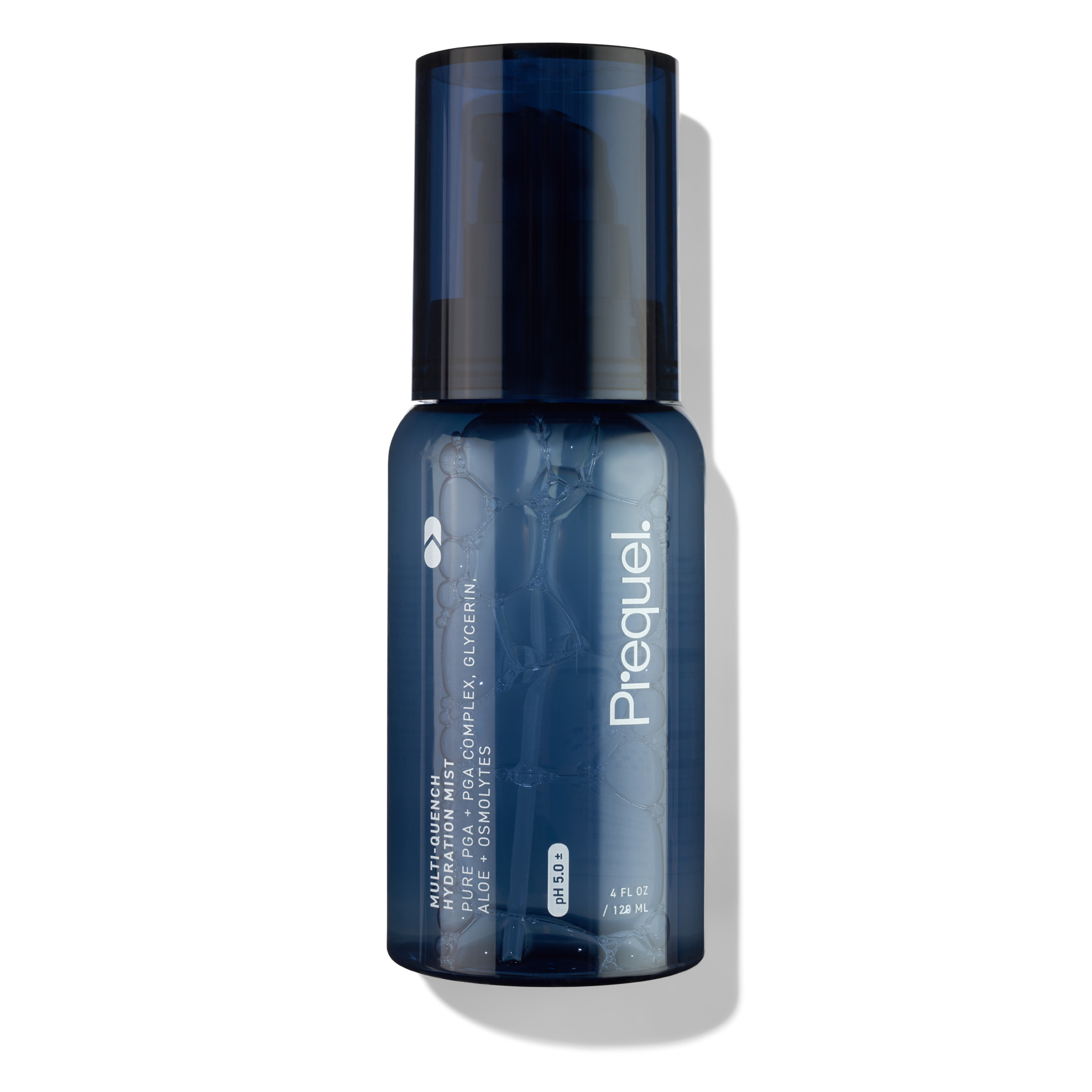 Best Hydrating Toner
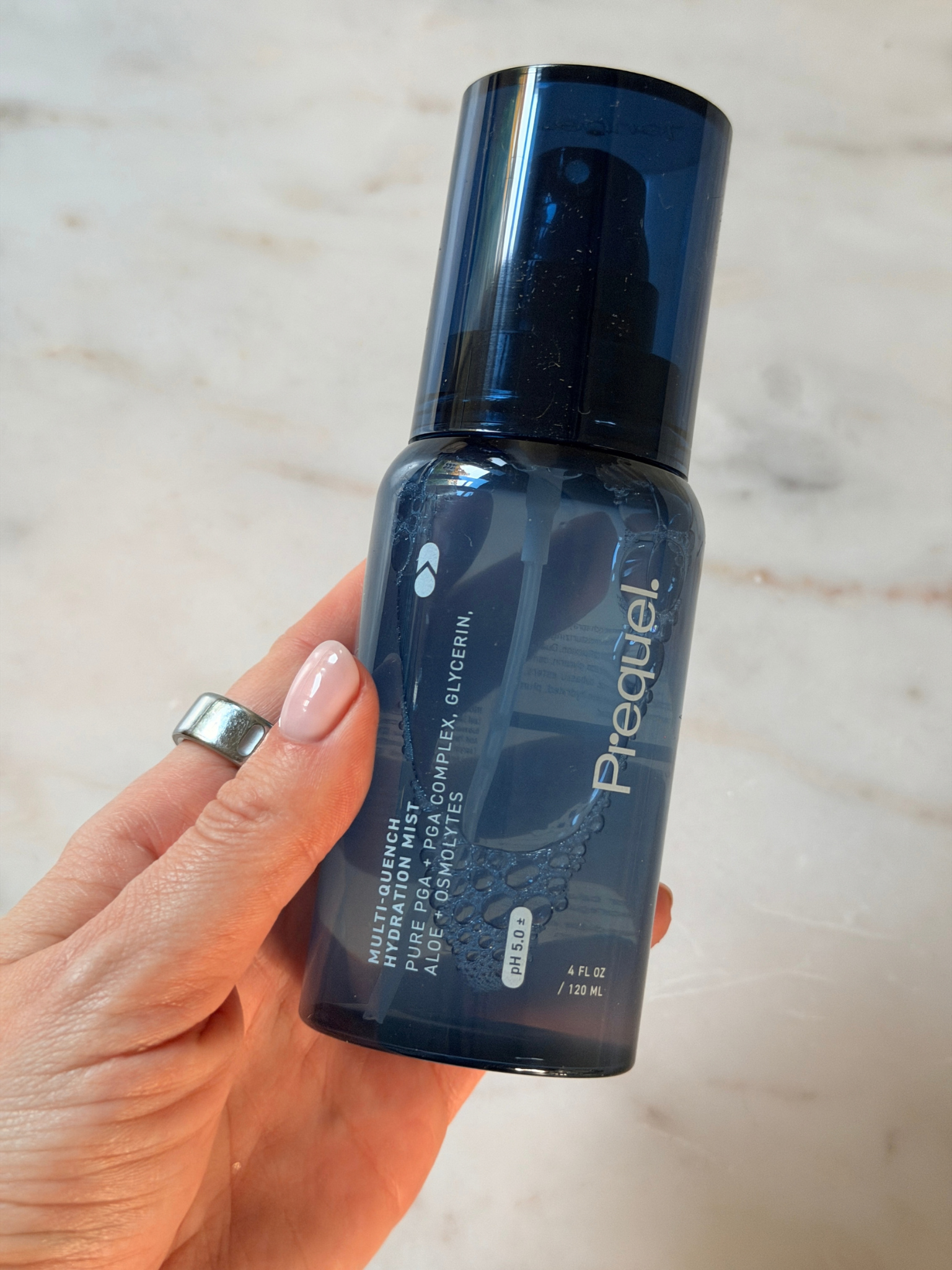
A facial mist might sound like an unnecessary step, but it's one I’d definitely make room for if dehydration or dryness is a concern. It delivers a hit of lightweight hydration that can be spritzed on throughout the day or layered into your routine before serums and moisturiser (it will boost their efficacy). It’s especially useful when skin feels tight or lacklustre, and you want to increase moisture without adding another heavy layer.
Pros
- Gives skin an immediate hit of hydration
- Useful for refreshing dry skin during the day or after cleansing
- Particularly appealing for dehydrated skin and travel
Cons
- The spray is very wet rather than a fine, barely-there mist
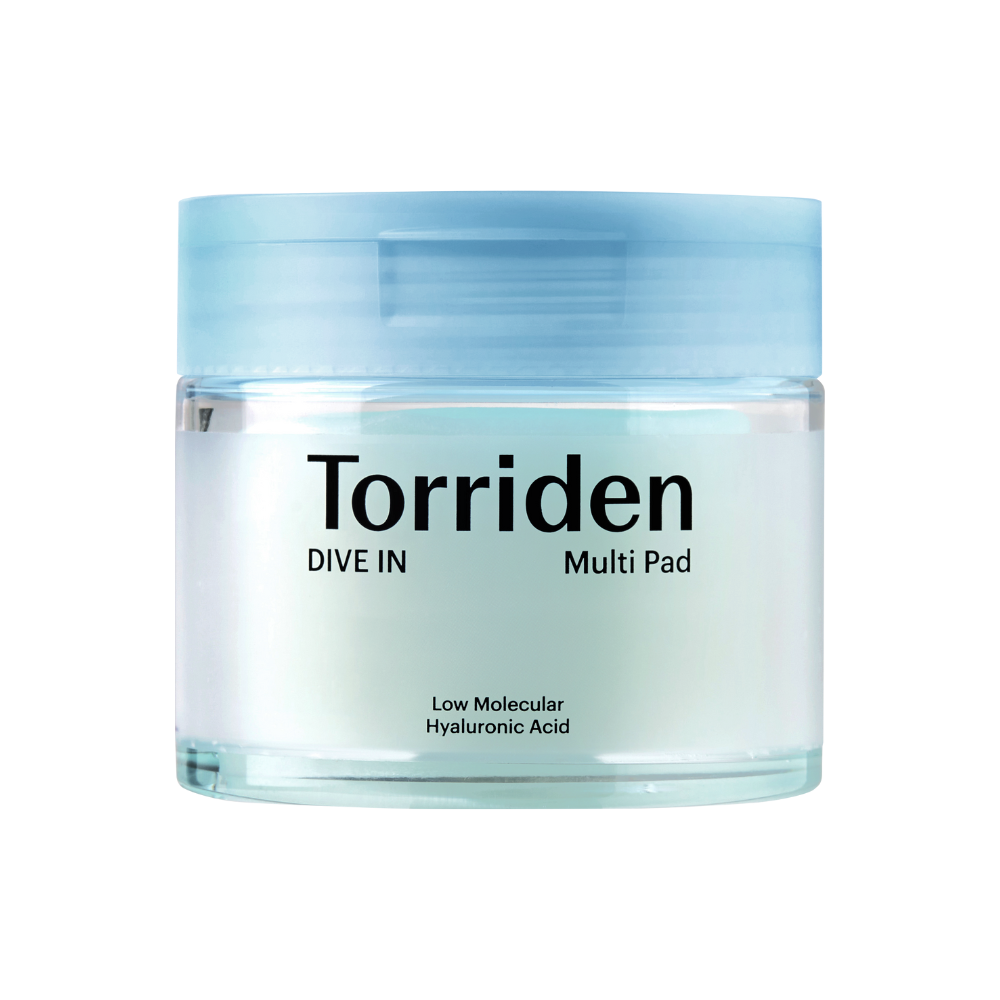 Best Toner Pads
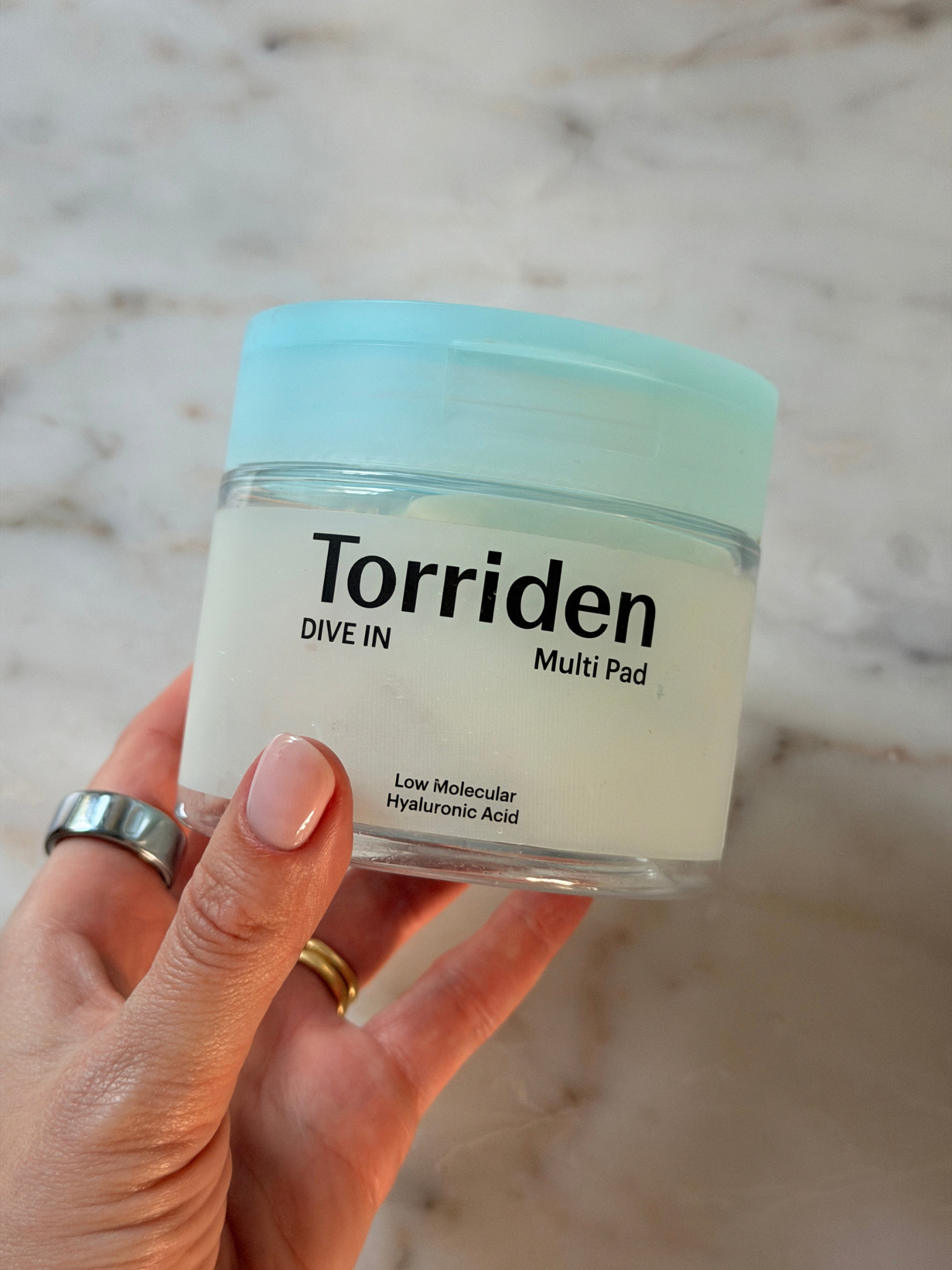
These clever pre-soaked toner pads are an easy way to give dehydrated skin an extra dose of hydration without complicating your routine, which means they have my mum's seal of approval. The formula uses low-molecular-weight hyaluronic acid, which is designed to provide lightweight hydration, while the pre-soaked pads make application quick and mess-free. Leave them on for a few minutes as a mini moisture mask or sweep them over the skin as you would a toner.
Pros
- Quick, convenient hydration boost
- Soft pads and a lightweight essence make them easy to use as mini sheet masks
Cons
- More expensive per application than using a bottle of toner
The Best Serums for Mature Skin
 Best Peptide Serum
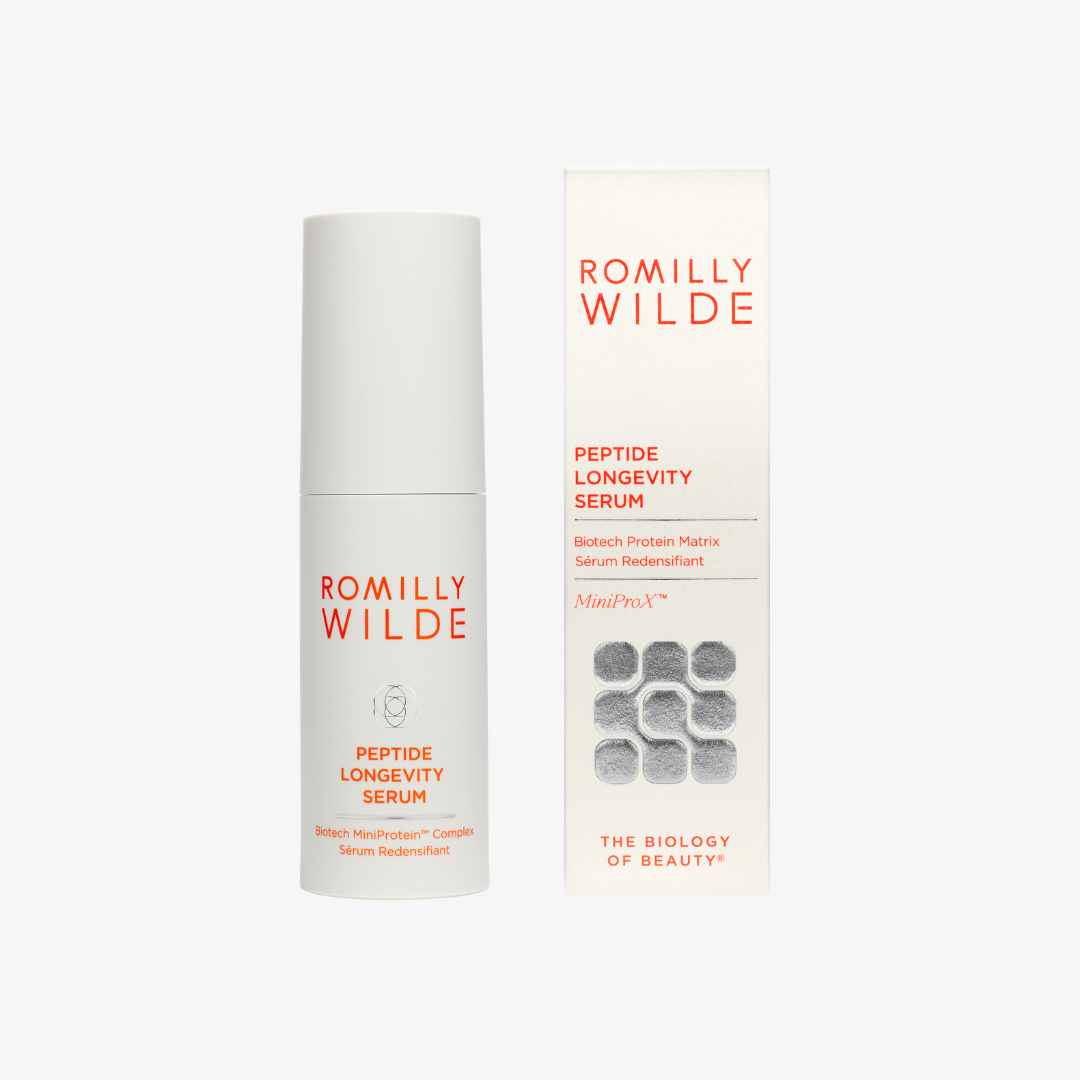
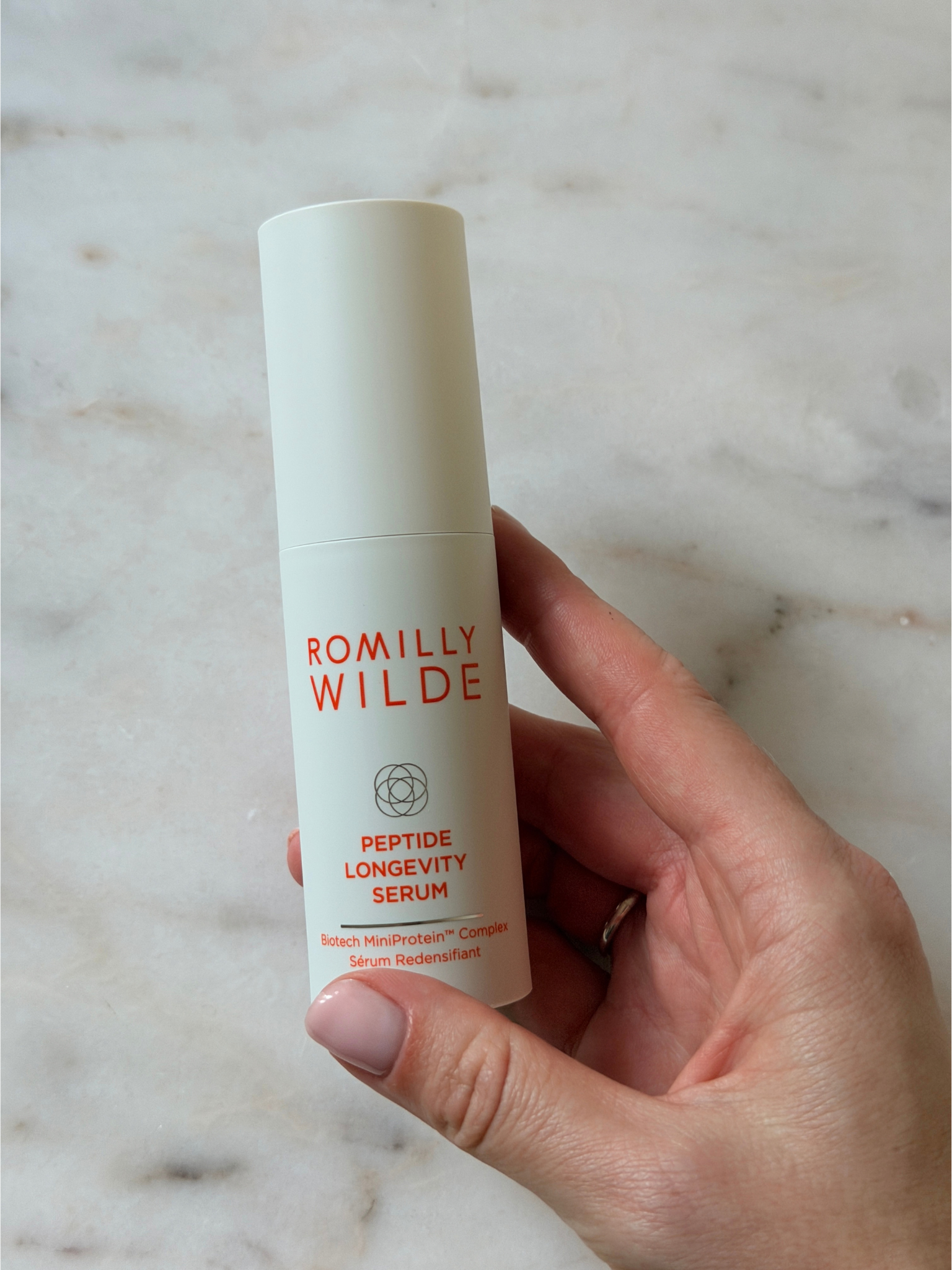
Formulated from proteomic research into the skin’s protein network and oxidative protein damage, this advanced serum combines a biomimetic mini-protein, protein-folding peptide, matrix peptides, centella fractions and a multi-peptide complex to support skin exposed to everyday oxidative stress. It sounds complex, but is essentially designed to support skin’s resilience while helping to improve the appearance of firmness, smoothness, and hydration in the long term—and has impressive lab testing results.
Pros
- Science-led formula
- Lightweight and fast absorbing
- Particularly relevant if you're interested in skin longevity and resilience
Cons
- Expensive price point
 Best Multitasking Serum
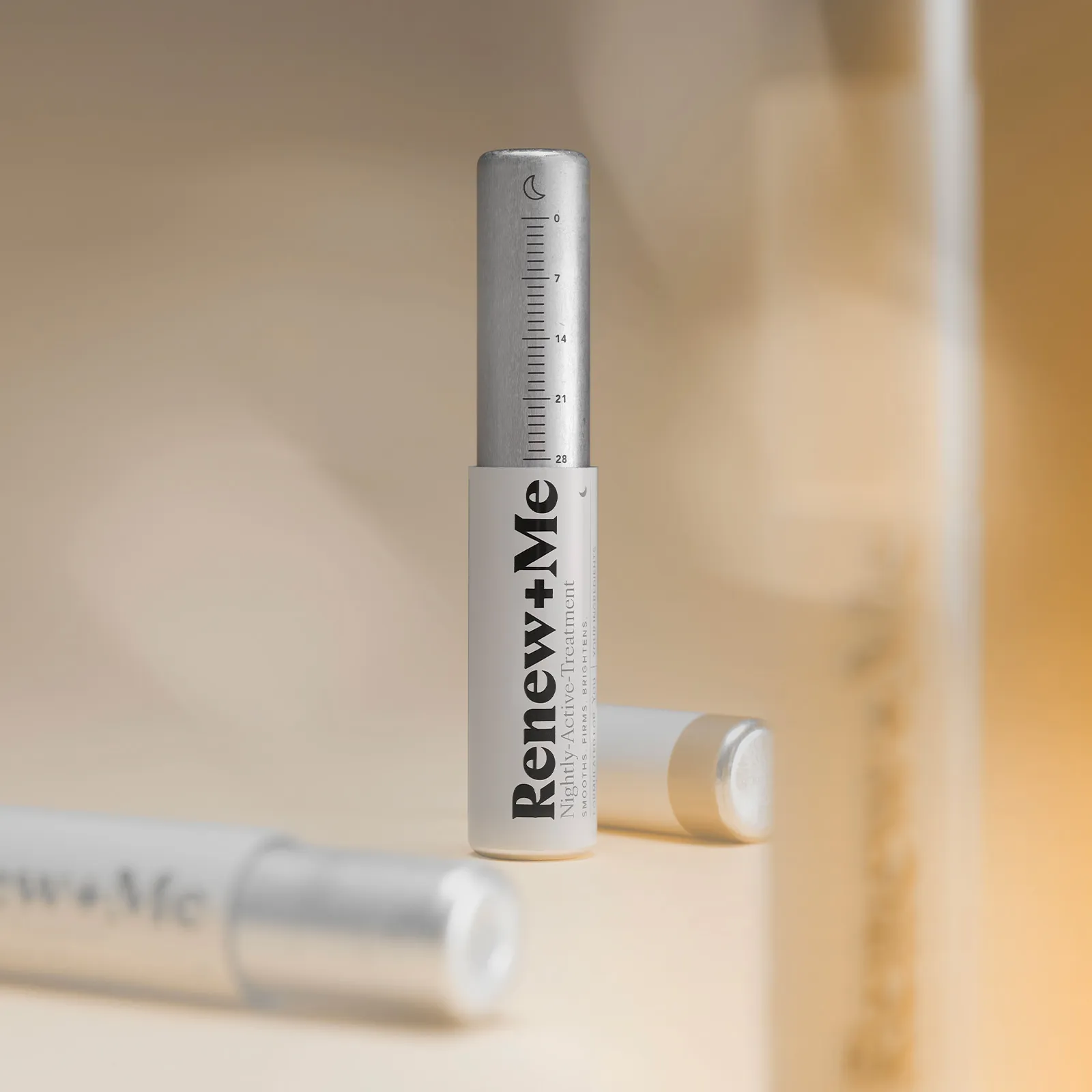
Renew + Me is a subscription service that builds a bespoke nightly treatment around your individual skin concerns, using prescription-strength ingredients where appropriate—including tretinoin, one of the most evidence-backed topical ingredients for addressing signs of ageing. Rather than adding another generic active to an already crowded routine, the idea is to give your skin a targeted treatment tailored to what it actually needs, with the formula adjusted as your skin changes.
Pros
- Personalised treatment rather than a one-size-fits-all anti-ageing product
- Can be adjusted to skin changes
- Makes prescription ingredients easily accessible
Cons
- Requires a monthly subscription payment
 Best Affordable Serum
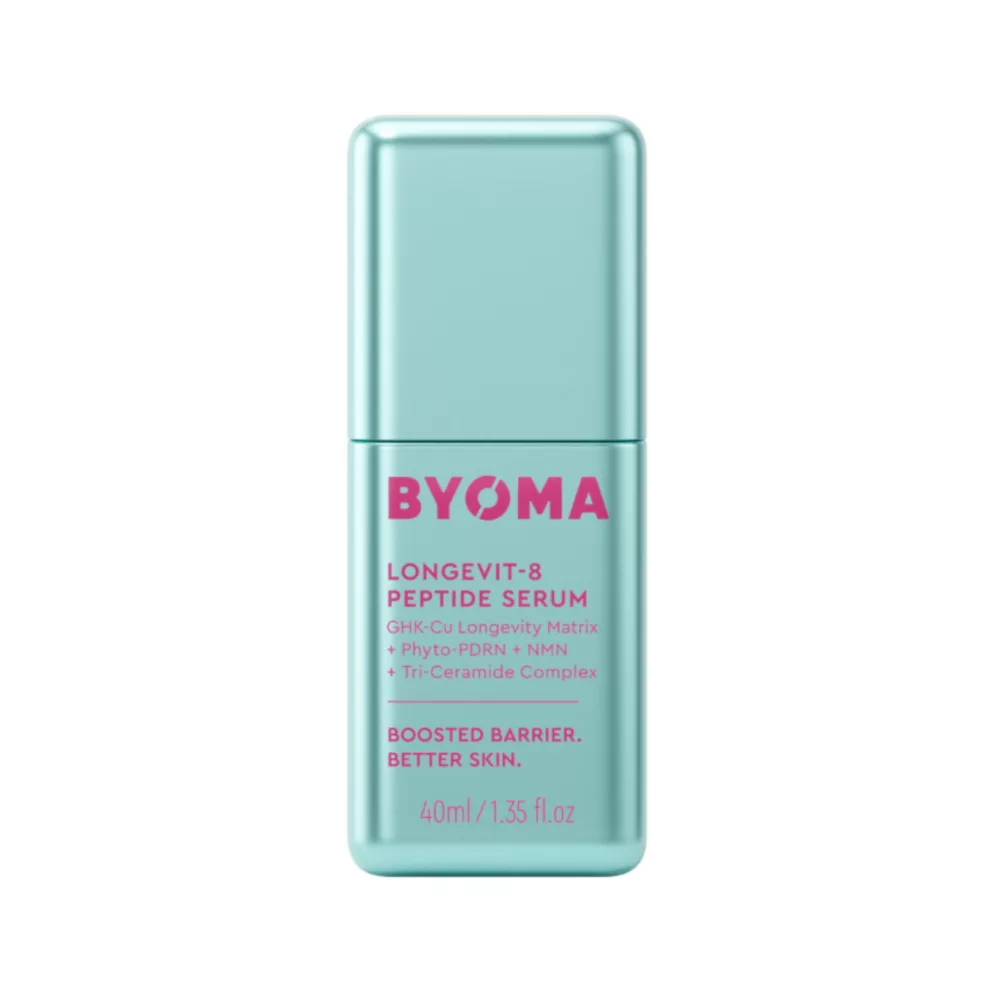
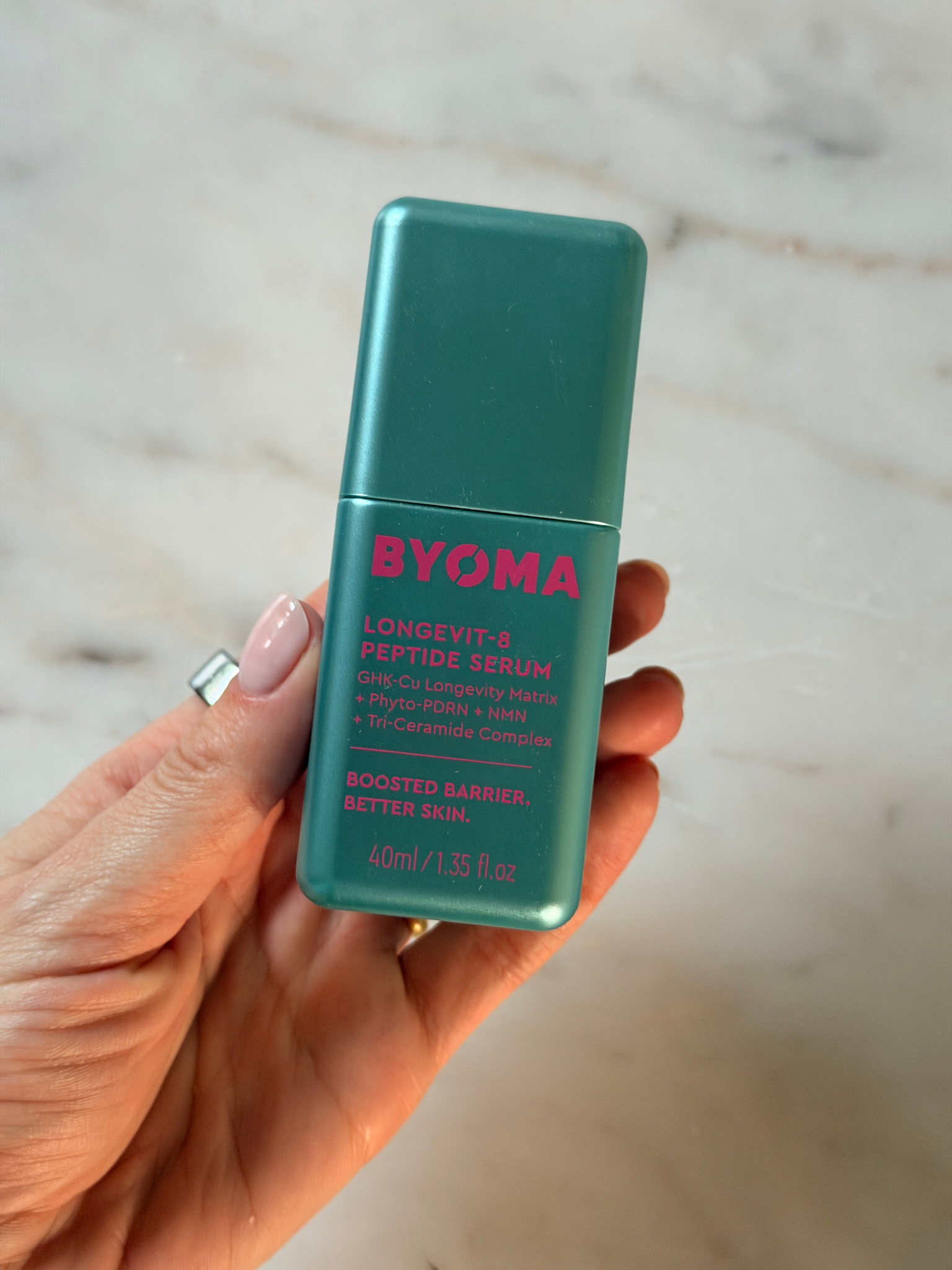
Powered by GHK-Cu (a copper peptide), vegan phyto-PDRN, and NMN, alongside niacinamide, vitamin E, and a tri-ceramide complex, this serum is designed to support eight markers associated with skin longevity, from barrier function and hydration to firmness, elasticity, texture, and luminosity. Again, this one takes a more holistic approach—rather than relying on one headline anti-ageing ingredient, it combines multiple ingredients in a lightweight, layering-friendly formula. It’s also suitable for sensitive skin, making it a good choice if you want to introduce more targeted skincare without moving straight to more intensive formulas.
Pros
- Affordable price point
- Combines peptides with barrier-supportive ingredients
- Designed around multiple visible signs of ageing
Cons
- Limited reviews as newly launched
The Best Moisturisers for Mature Skin
 Best Overall Moisturiser
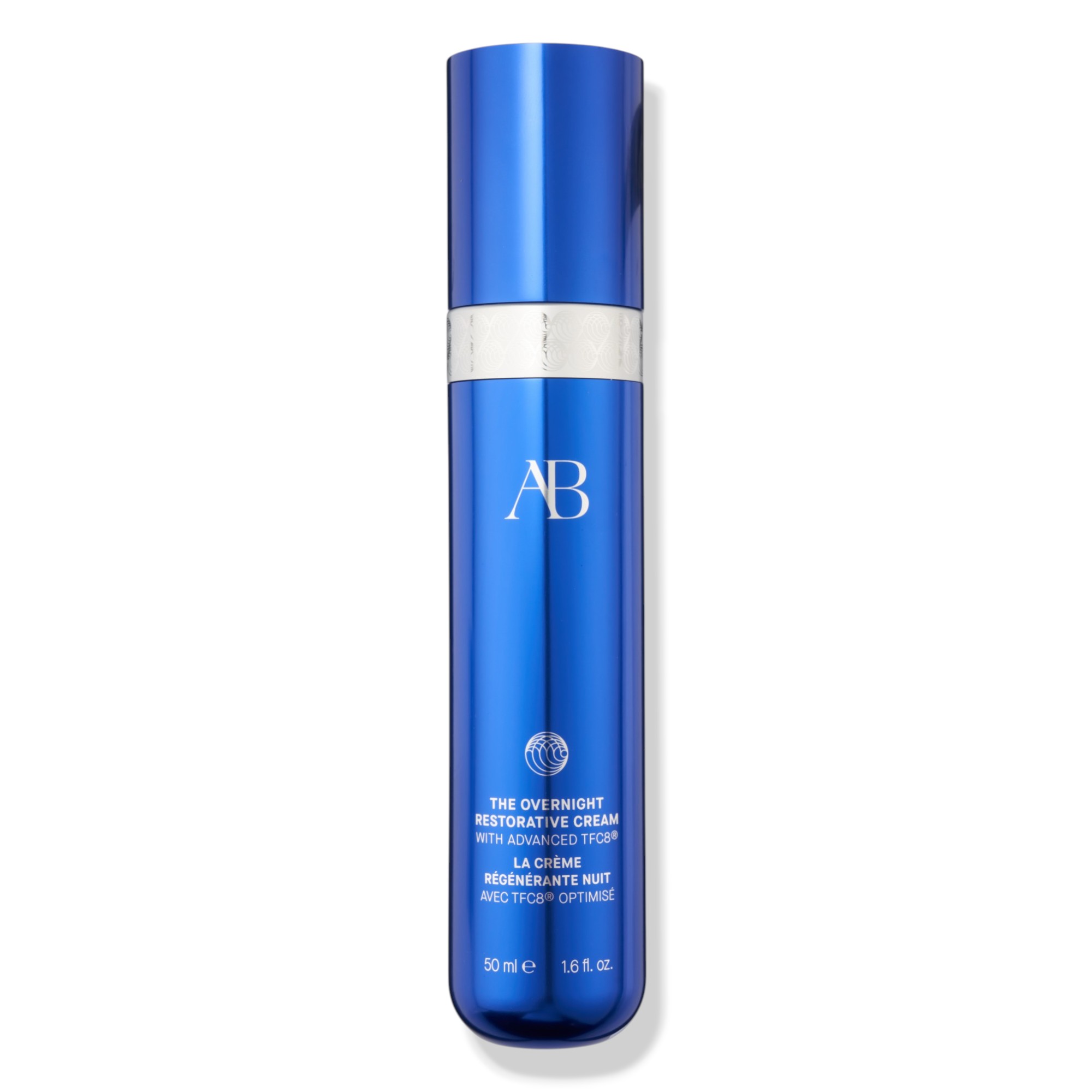
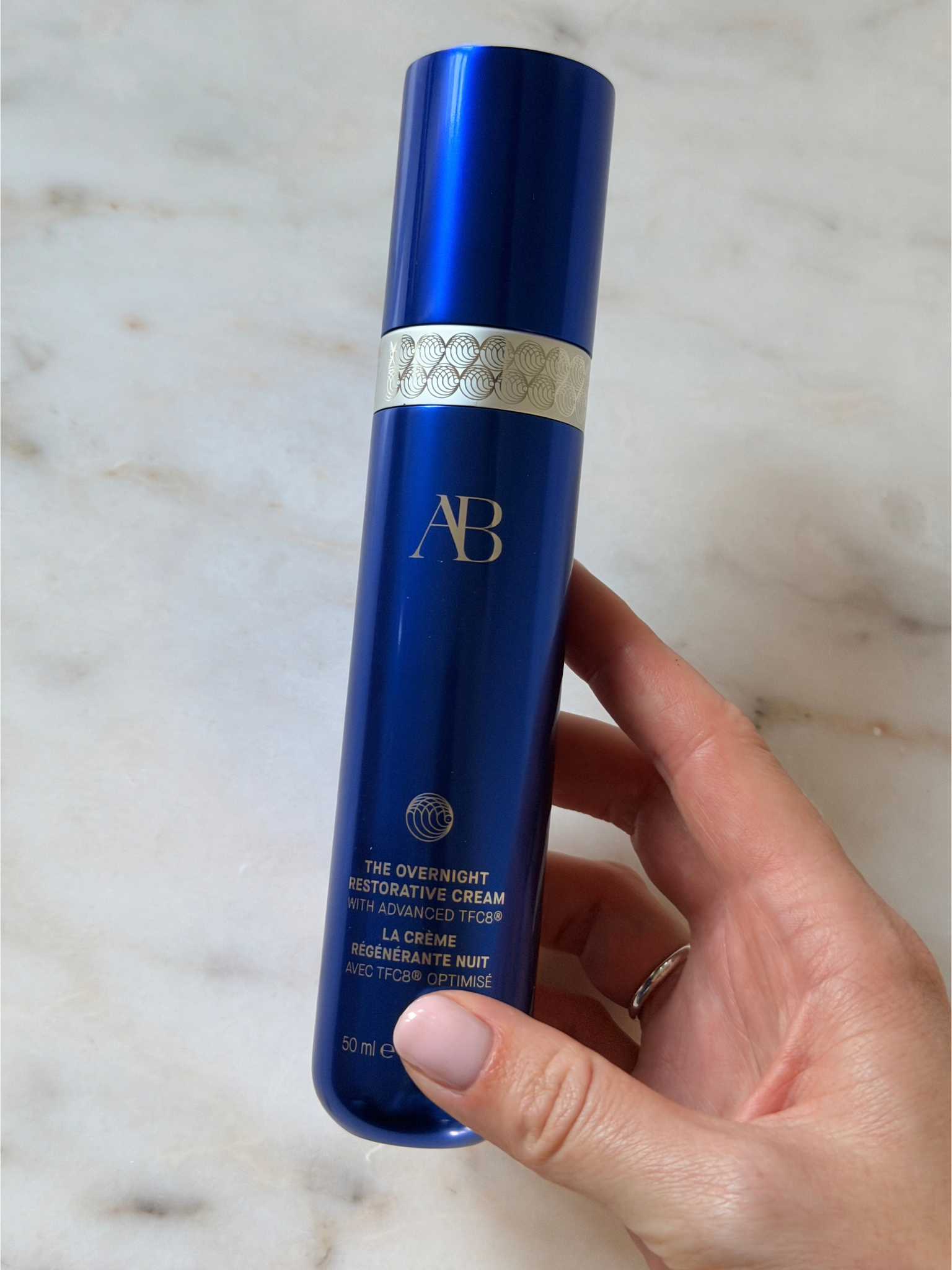
If your skin is dry, depleted, or simply looking a little tired, Augustinus Bader’s Overnight Restorative Cream is an indulgent final step that genuinely makes a difference. The rich formula is designed to support the skin’s natural renewal processes while replenishing moisture overnight, when your routine can really focus on restoration. It leaves skin feeling cocooned and nourished by morning—brilliant for use during colder months or at times when your barrier needs extra TLC.
Pros
- Excellent for very dry or depleted skin
- Rich and nourishing
Cons
- Expensive price point
- Rich texture may be too much for oily or combination skin
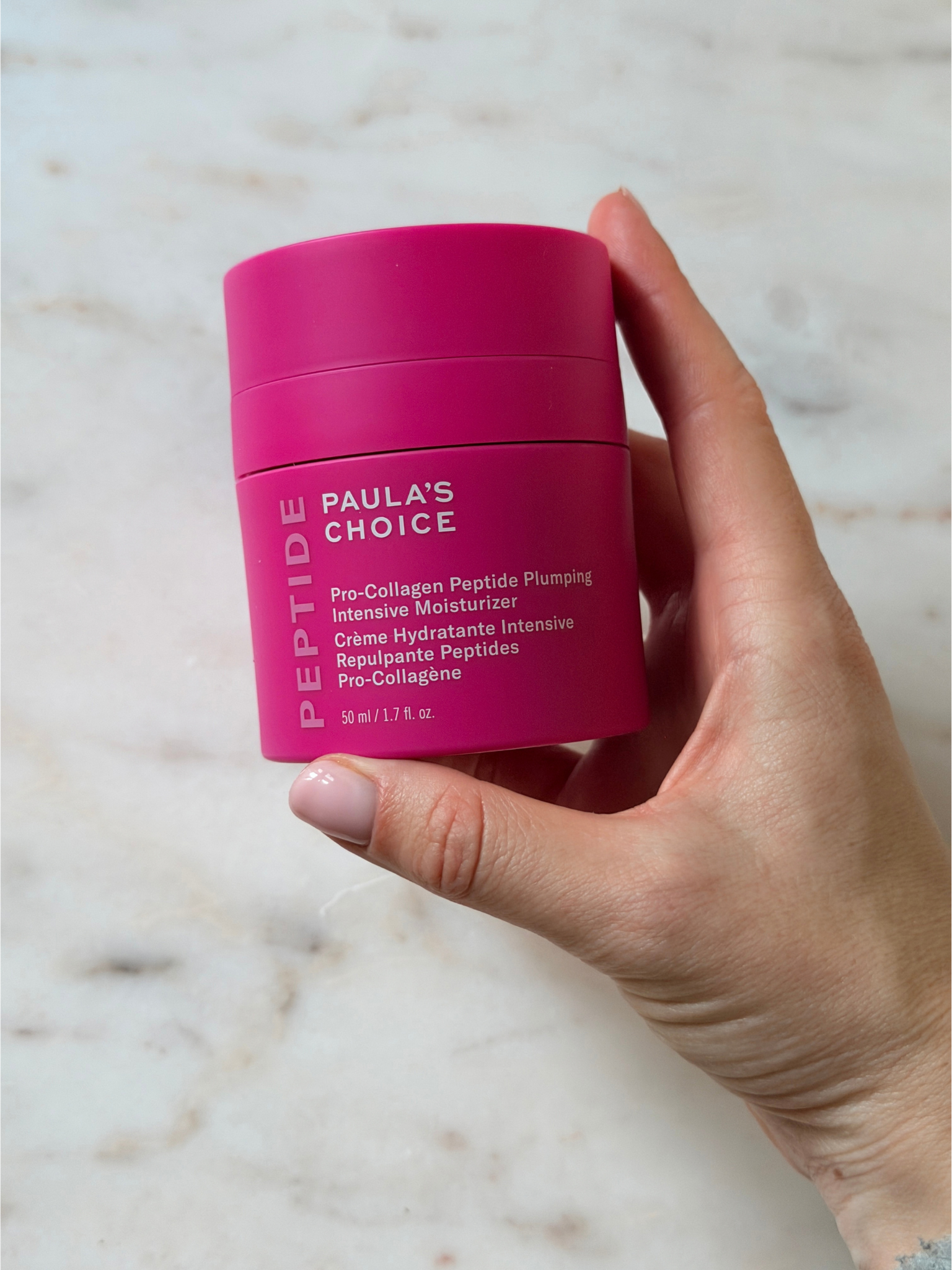
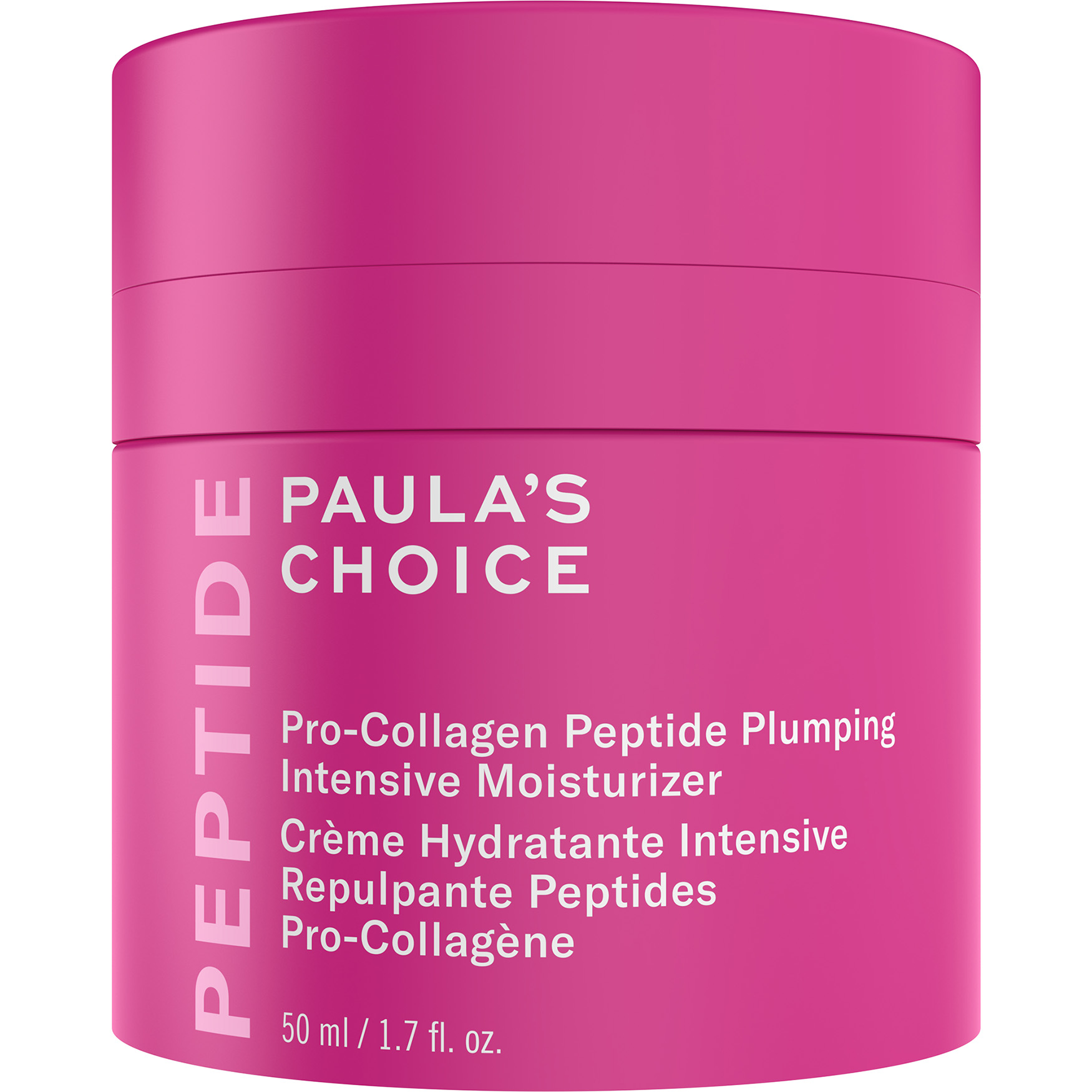 Best Collagen Moisturiser
This is a great option if you like your moisturiser to do a little more than simply prevent dryness—or if, like my mum, you appreciate a 2-in-1. It combines peptides with hydrating and skin-conditioning ingredients to target the look of fine lines and loss of firmness whilst keeping the complexion comfortably moisturised. The texture feels substantial without being excessively rich—and certainly not greasy—making it a good choice for skin that wants both hydration and a more targeted anti-ageing approach.
Pros
- Very hydrating and plumping
- Peptides make it a targeted choice for an anti-ageing moisturiser
Cons
- Can interfere with makeup if you apply too much
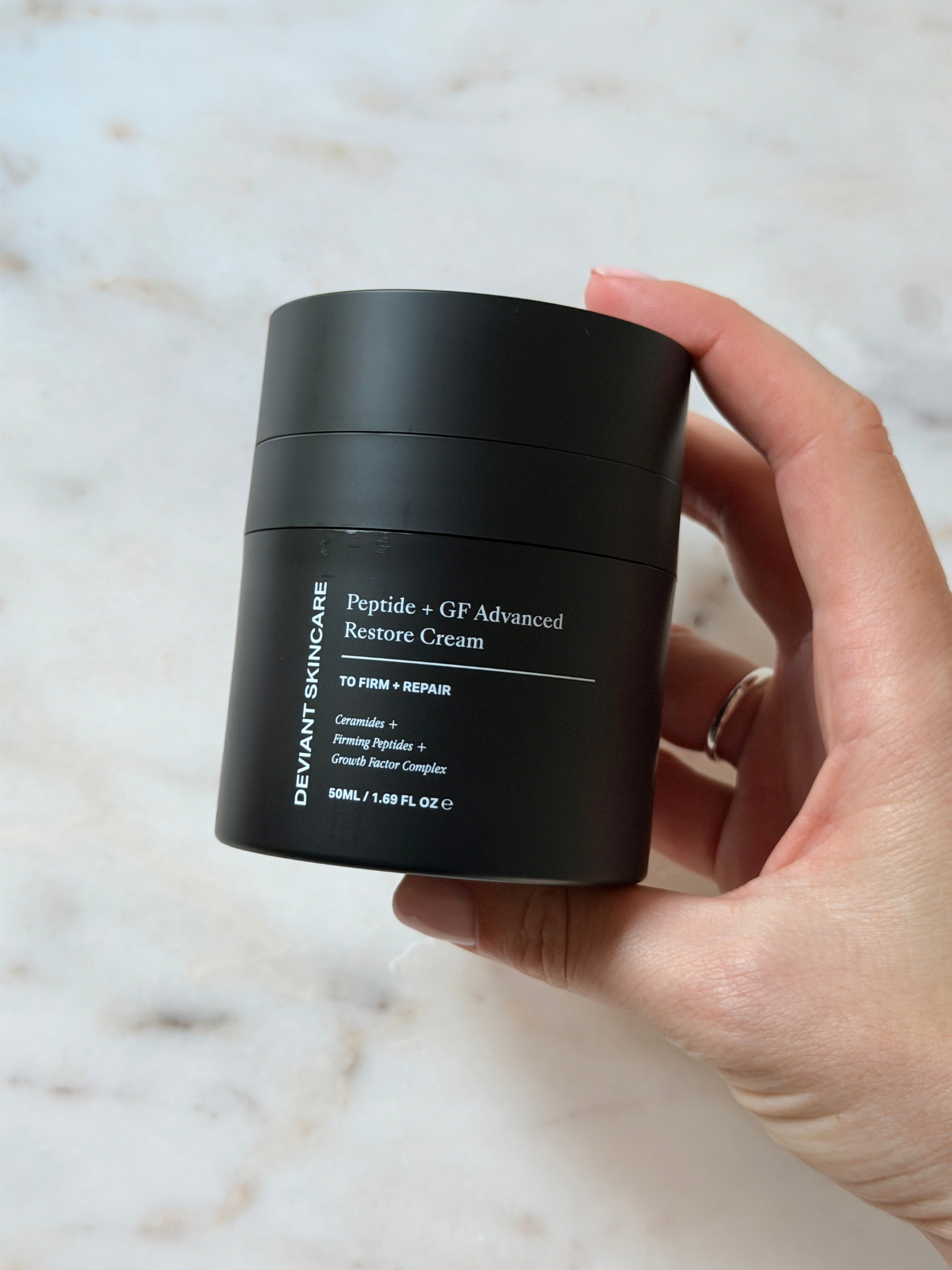
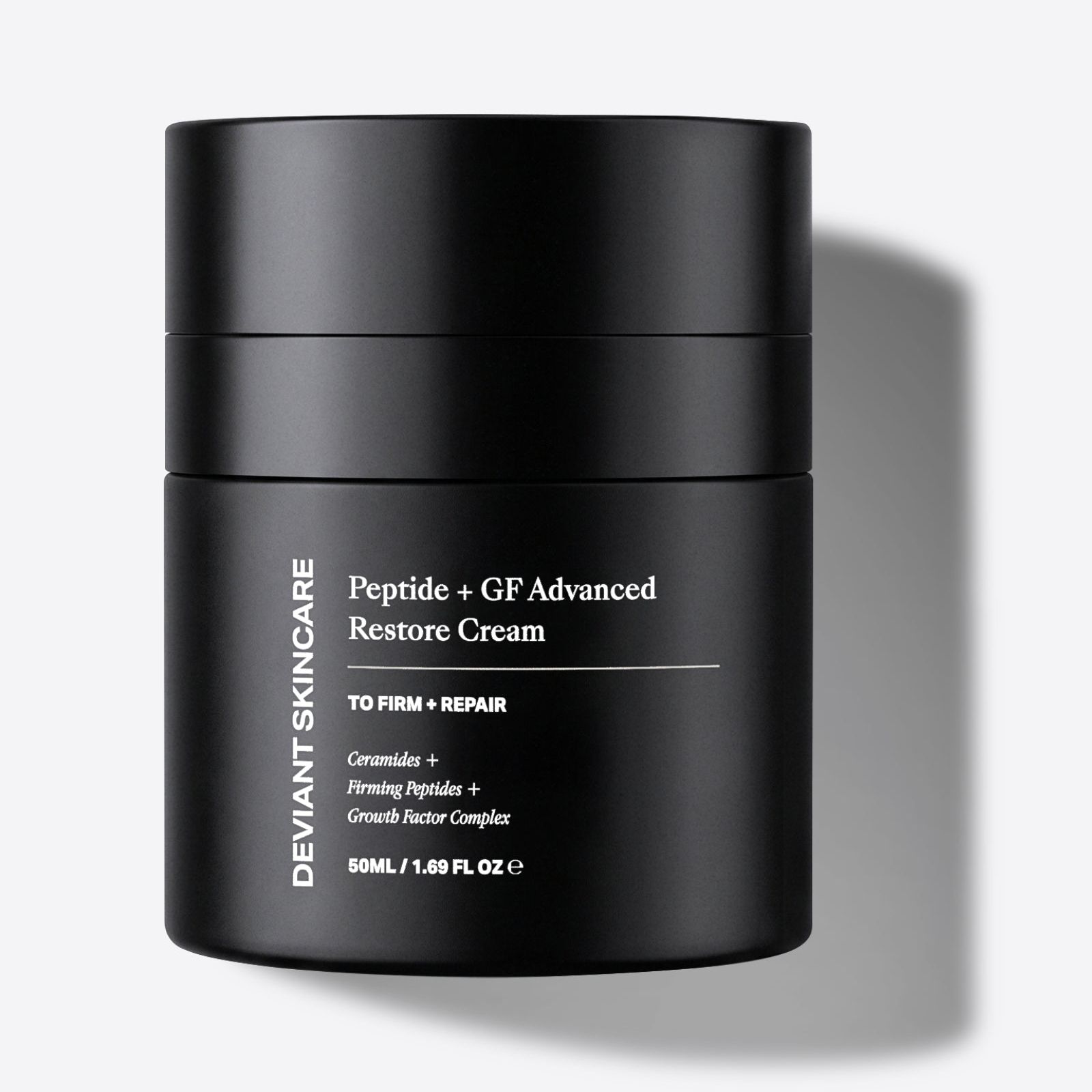 Best Repairing Moisturiser
This rich, buttery cream contains a cocktail of bioengineered growth factors and signalling peptides, each chosen for their ability to support collagen and elastin for a visibly firmer and bouncier complexion. In addition, 19 skin-identical ceramides, essential fatty acids, and amino acids work to strengthen the barrier, whilst additional bioadaptive technologies support skin's ability to deal with environmental and cellular stressors. There's a lot going on for a moisturiser, but the result is instant comfort and moisture alongside long-term support for the key markers of cellular ageing—expect skin to look firmer, fuller, and more resilient over time.
Pros
- Multitasking formula
- Nourishing but non-greasy
Cons
- Only available online
The Best Eye Creams for Mature Skin
 Best Overall Eye Cream
Retinal is an ingredient I always recommend if fine lines and texture around the eyes are becoming more noticeable, and this eye cream puts it front and centre. The formula is designed specifically for the delicate eye area (so the ingredient is buffered to reduce irritation), helping to smooth the appearance of lines while improving texture and dryness. Start slowly if you’re new to retinal around the eyes, as this is an area where more definitely isn’t better.
Pros
- More targeted than a basic eye cream
- Cooling ceramic applicator
- Fragrance-free
Cons
- Results require consistent use rather than being instant
 Best Eye Serum
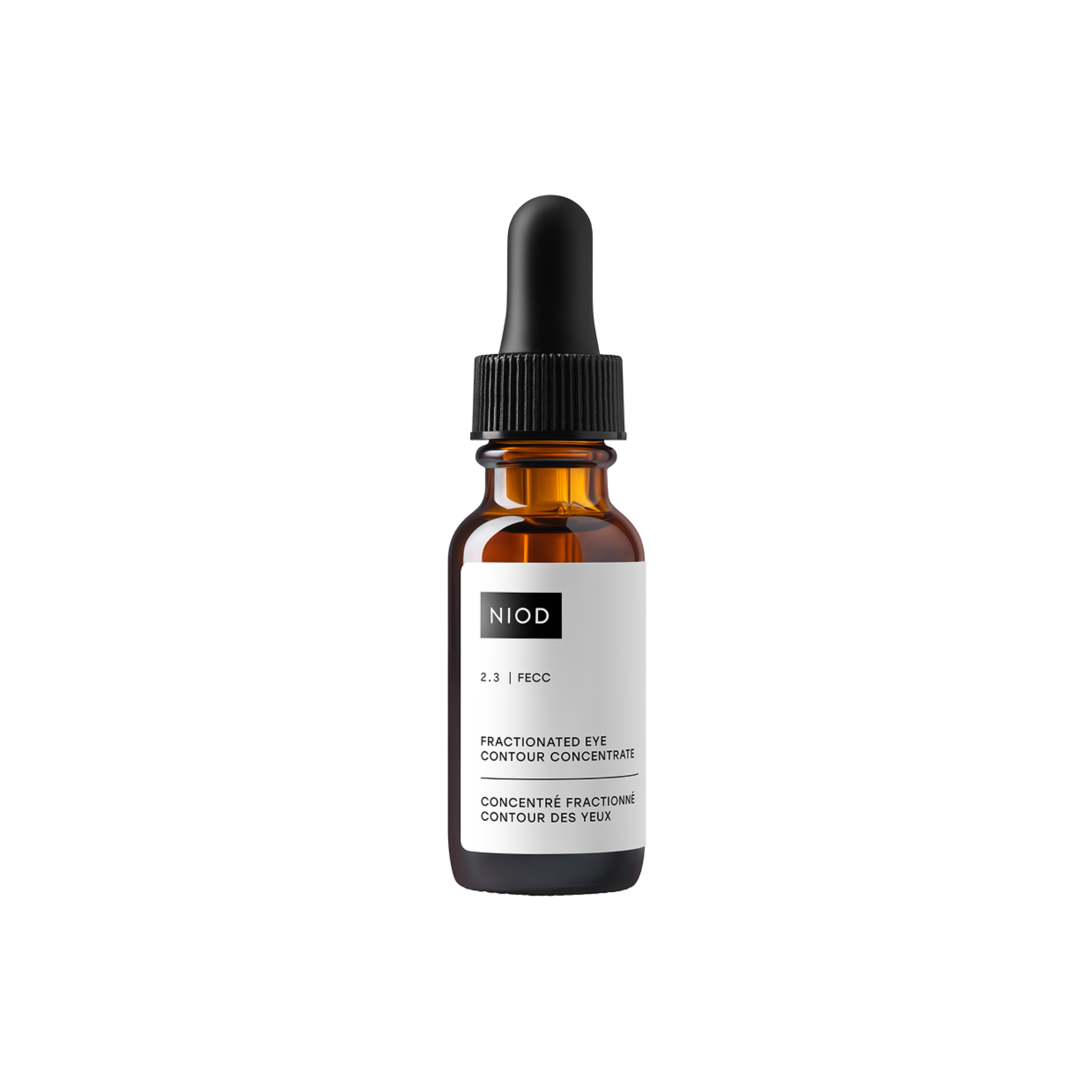
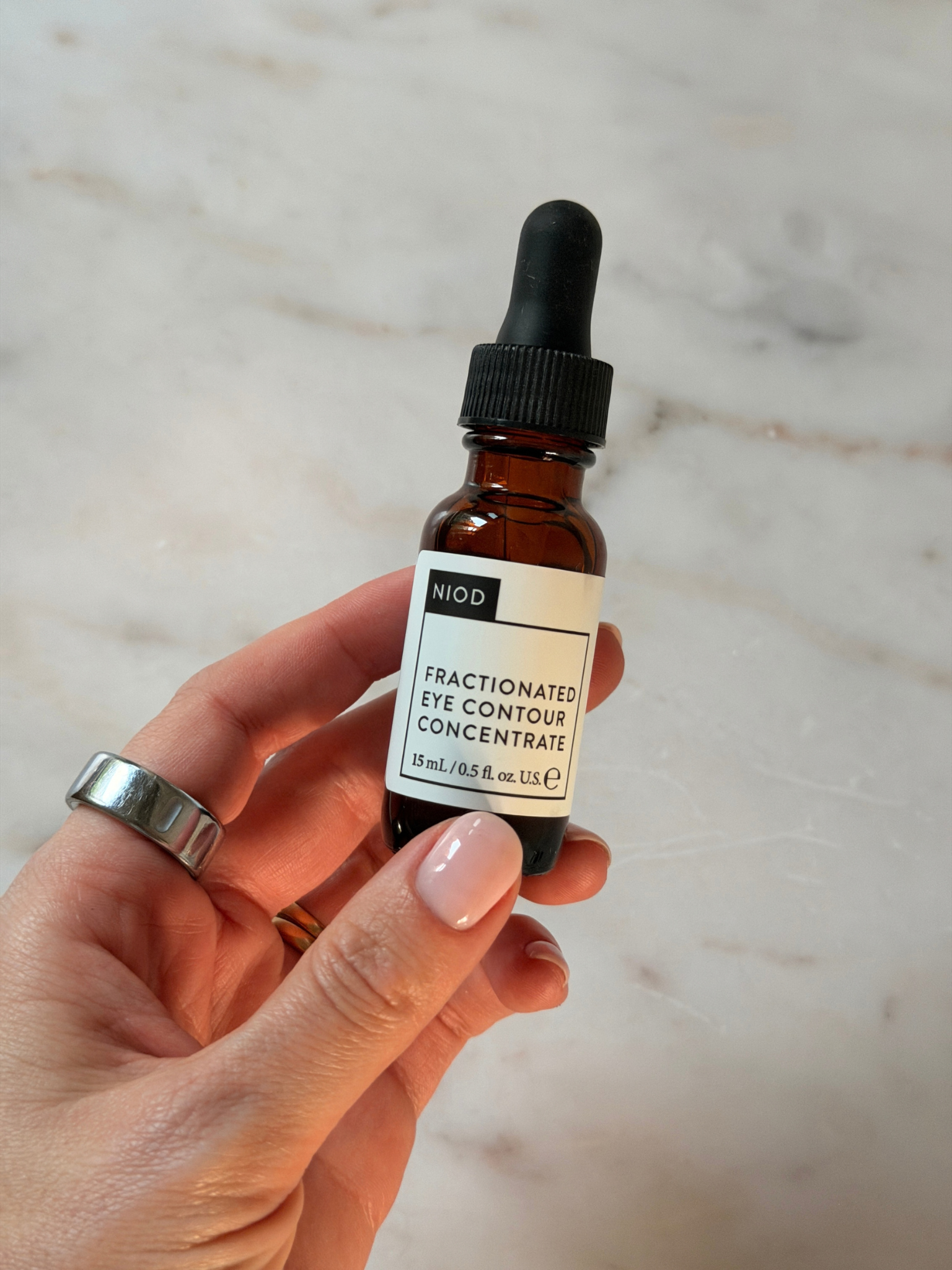
Rather than relying on one hero ingredient, this eye serum uses a complex blend of technologies designed to address multiple visible signs of ageing around the eyes, including fine lines, puffiness, and loss of firmness. It’s an impressively lightweight serum, so you can use it underneath your usual eye cream if you need additional moisture. This is a product that my mum has actually used and been loyal to for years because she saw brilliant results really quickly.
Pros
- Very lightweight and fast absorbing
- A little gores a long way
- Visible results with consistent use
Cons
- Expensive price point
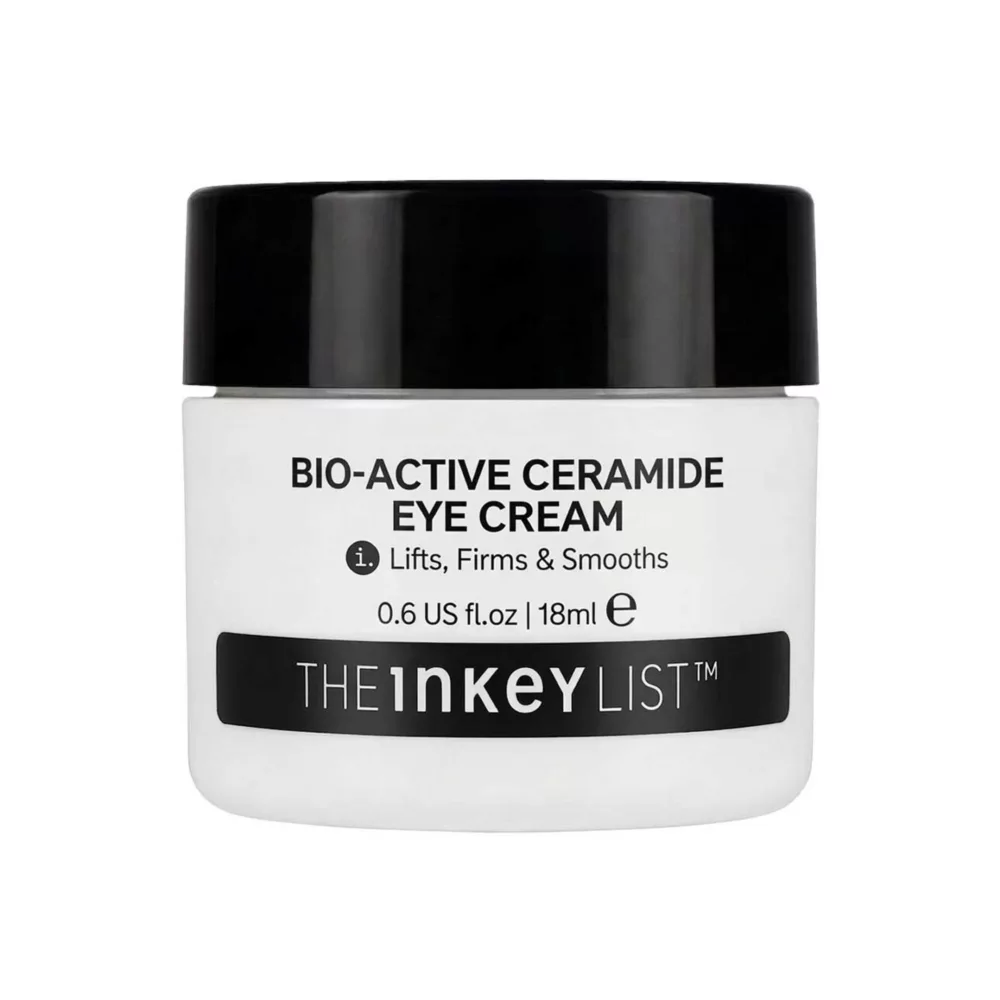 Best Hydrating Eye Cream
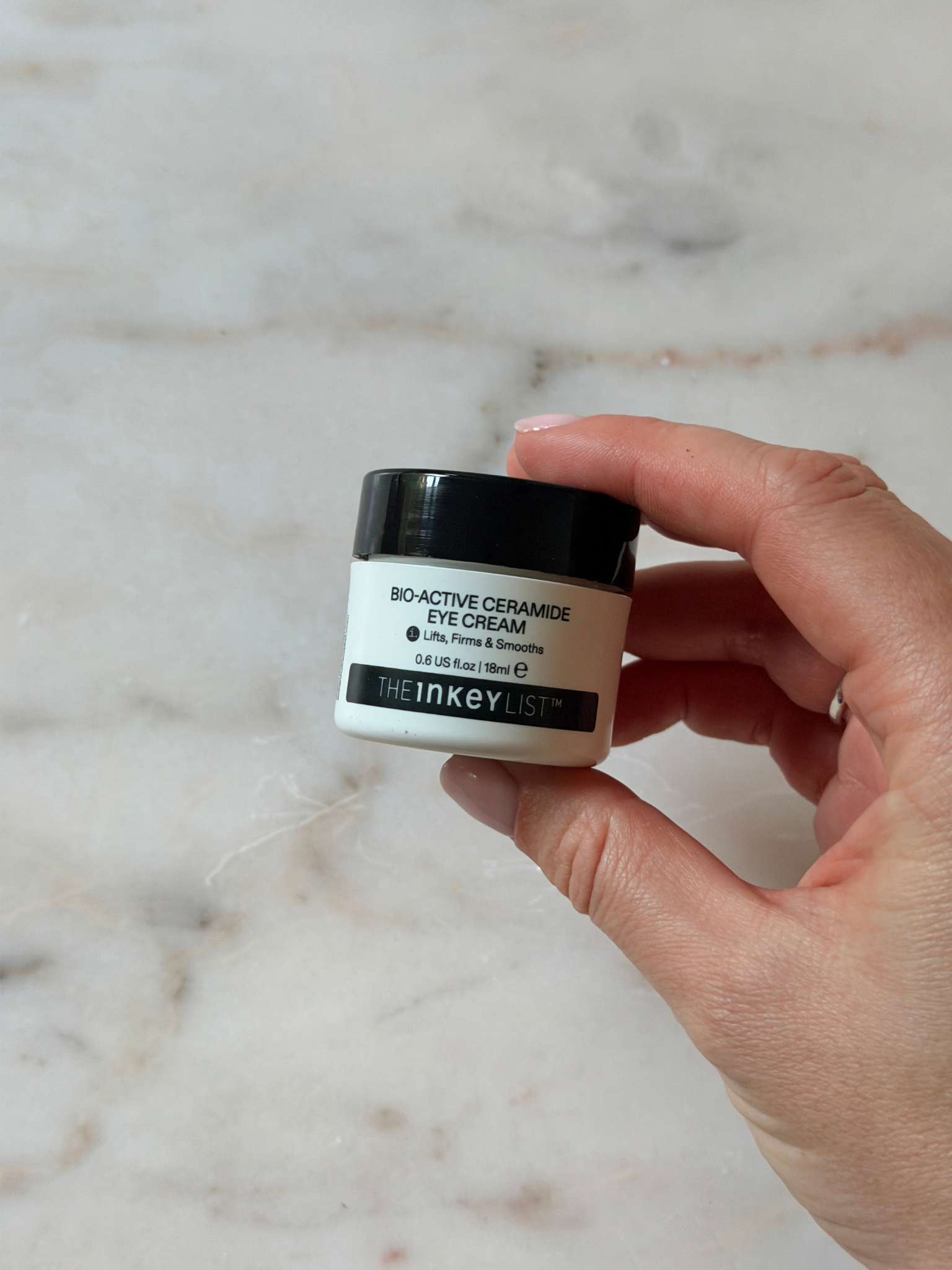
Of course, mature skin doesn’t always need an active eye product. This formula focuses on hydration, barrier support, and a plumper, smoother appearance—perfect if the eye area has become dry or crepey. The creamy texture sits comfortably under makeup and won't irritate sensitive eyes.
Pros
- Affordable price point
- Hydrating and barrier-supportive thanks to ceramides
- Lightweight enough to wear under makeup
Cons
- Results are largely centred on hydration and visible smoothing rather than dramatic correction
The Best Sunscreens for Mature Skin
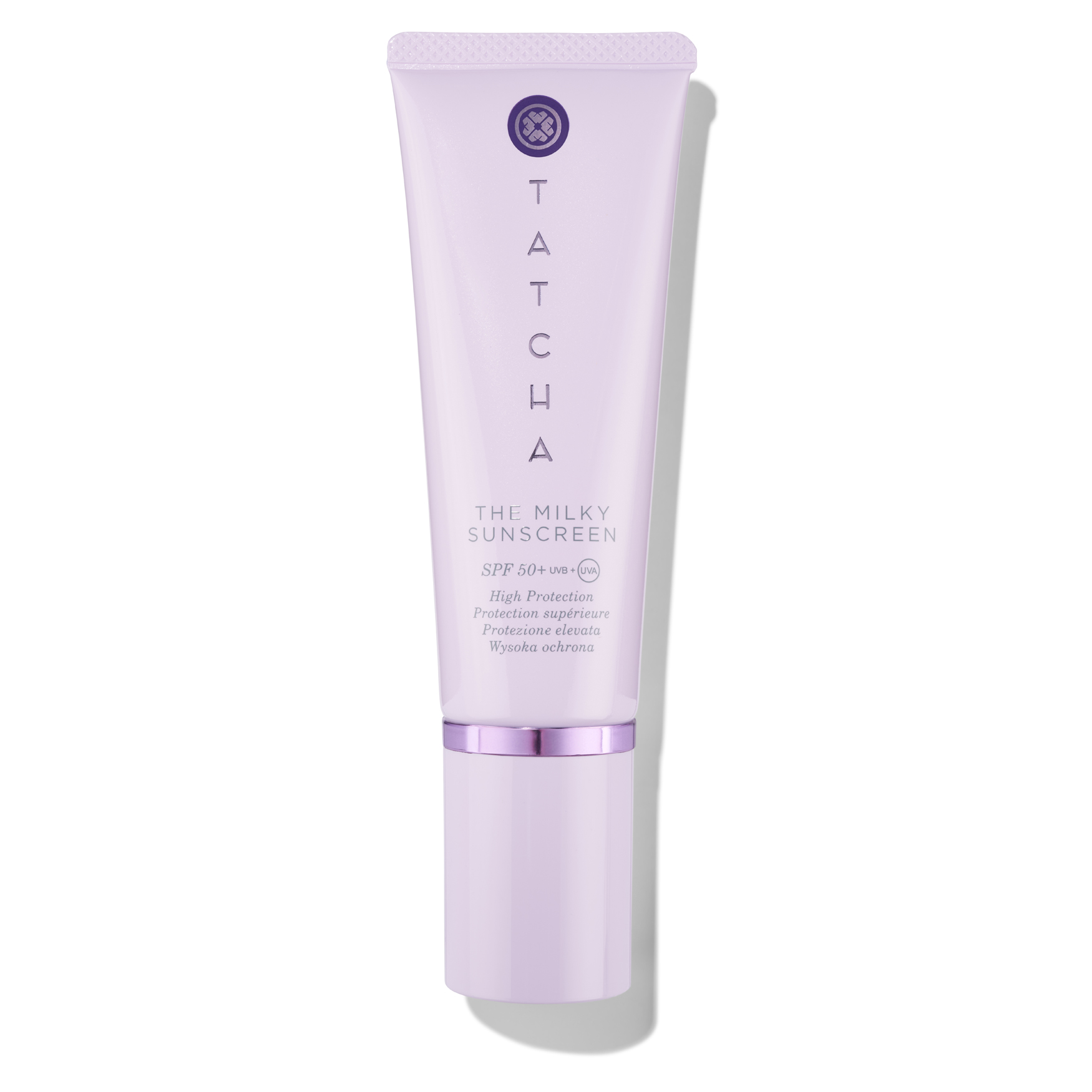 Best Overall Sunscreen
Daily SPF is arguably the most important product in any skincare routine, an especially when it comes to preventing the damage that can lead to visible signs of skin ageing. This lightweight formula offers broad-spectrum SPF 50 protection while leaving skin feeling moisturised rather than dry or chalky, so is ideal for dryness-prone mature skin types.
Pros
- Particularly suited to people who dislike dry or chalky SPF
- Combines daily UV protection with hydration
- Sits well under makeup
Cons
- If you already use a moisturiser underneath, it may feel like too many layers
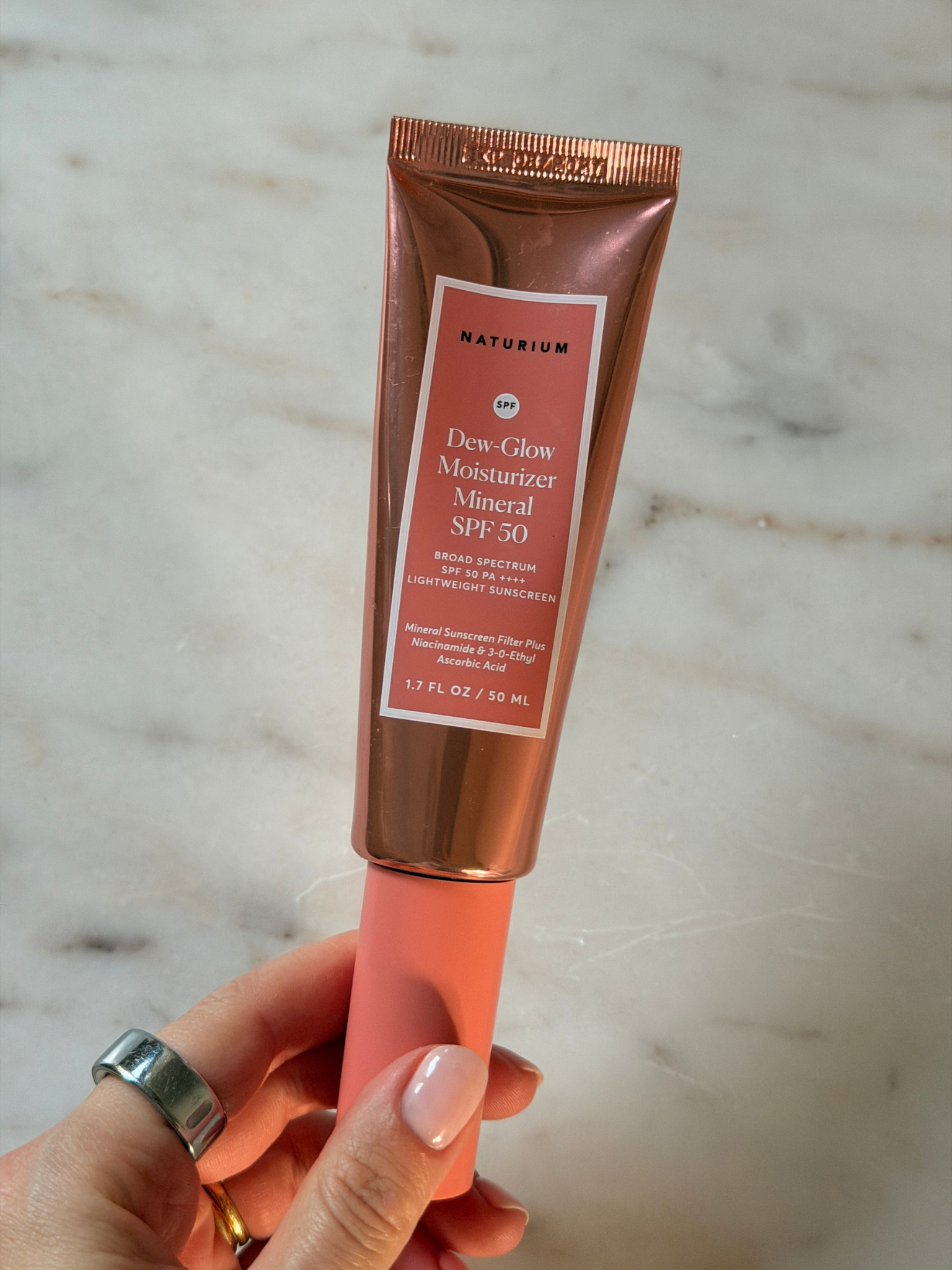
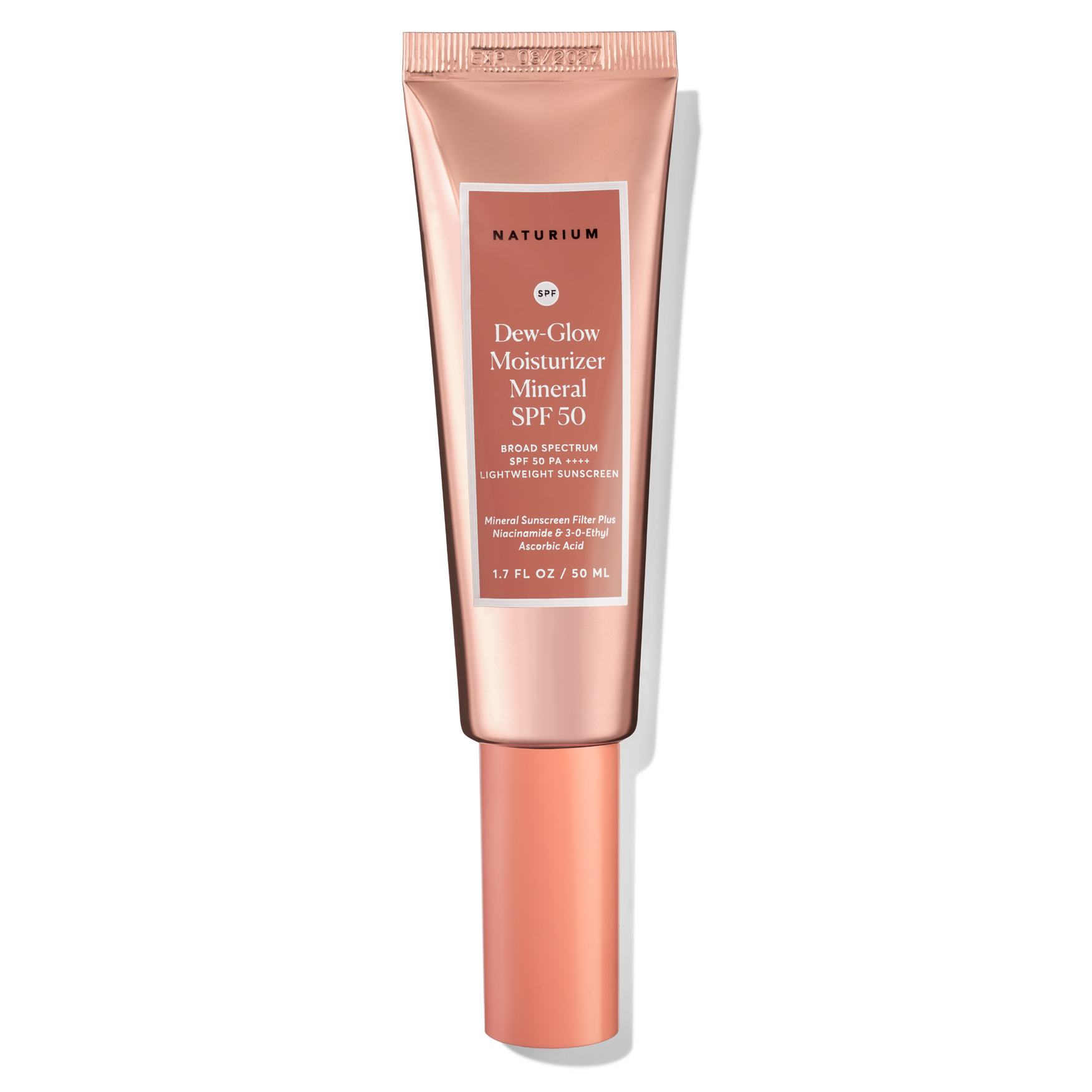 Best Affordable Sunscreen
If conventional sunscreens tend to leave your skin looking flat or dry, this formula is all about glow. It combines mineral SPF 50 protection with a moisturising, dewy finish that makes mature skin look instantly fresher and more luminous. My mum doesn't wear makeup so like that this gives her skin a healthy-looking, filter-like glow as well as hydration and protection.
Pros
- Hydrating, creamy formula that suits dry and mature skin
- Gives a noticeable dewy finish.
Cons
- The glow can be too excessive for oily skin
 Best Clear Sunscreen
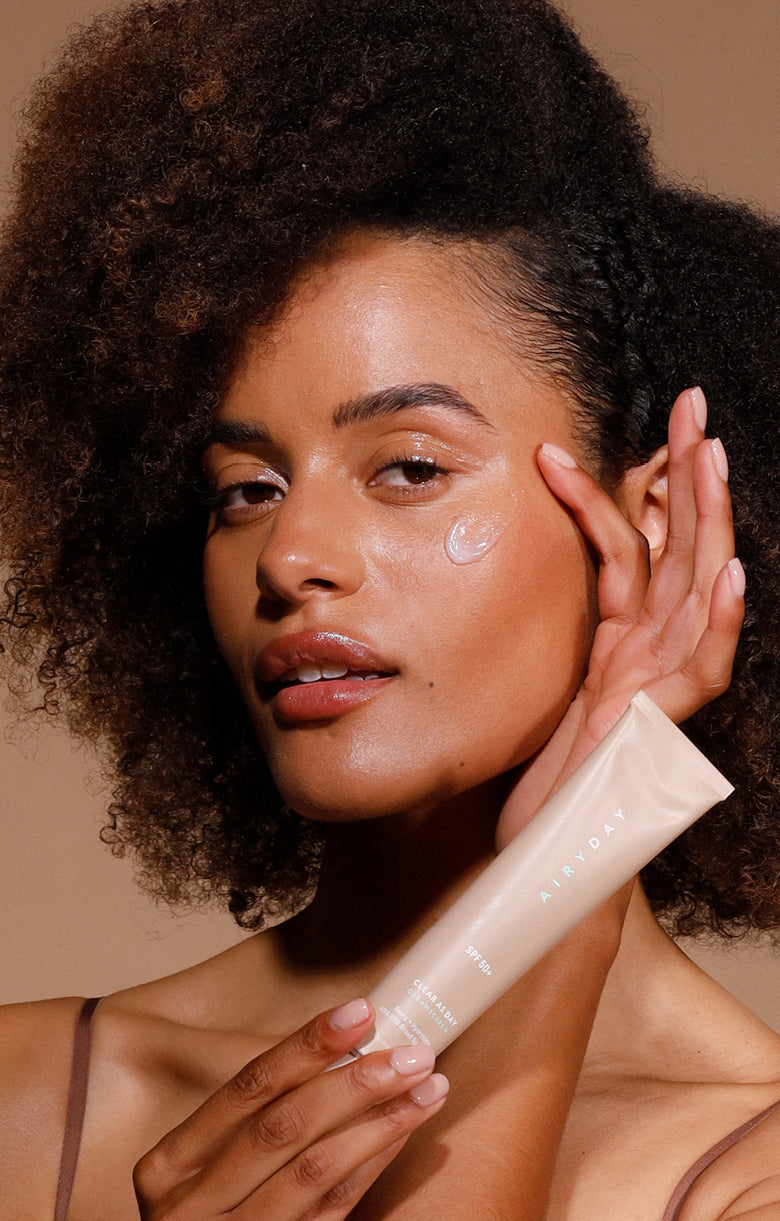
If you’re looking for a high-protection SPF that genuinely disappears into the skin, this is a great option. The clear formula leaves no obvious white cast, while its silky texture gives skin a smooth, hydrated-looking finish that sits beautifully under makeup. It’s especially useful for mature skin if you want the benefits of a sunscreen without a chalky, tinted, or heavy residue.
Pros
- Clear formula means no obvious white cast
- Silky, smoothing finish works well under makeup
Cons
- Expensive price point
The Best Face Masks for Mature Skin
 Best Overall Face Mask
This is the kind of face mask to reach for when your skin needs an immediate injection of comfort and moisture. The cream-to-oil formula has a plush, nourishing texture that leaves skin feeling softer, smoother, and more hydrated immediately after use. Use it with the included gua sha whenever your complexion is looking dull and depleted, and you want that temporarily plumper, well-rested effect.
Pros
- Rich, comforting texture
- Gives the skin an immediate softer, more hydrated appearance
Cons
- Expensive price point
- Rich texture may be excessive for oily or breakout-prone skin
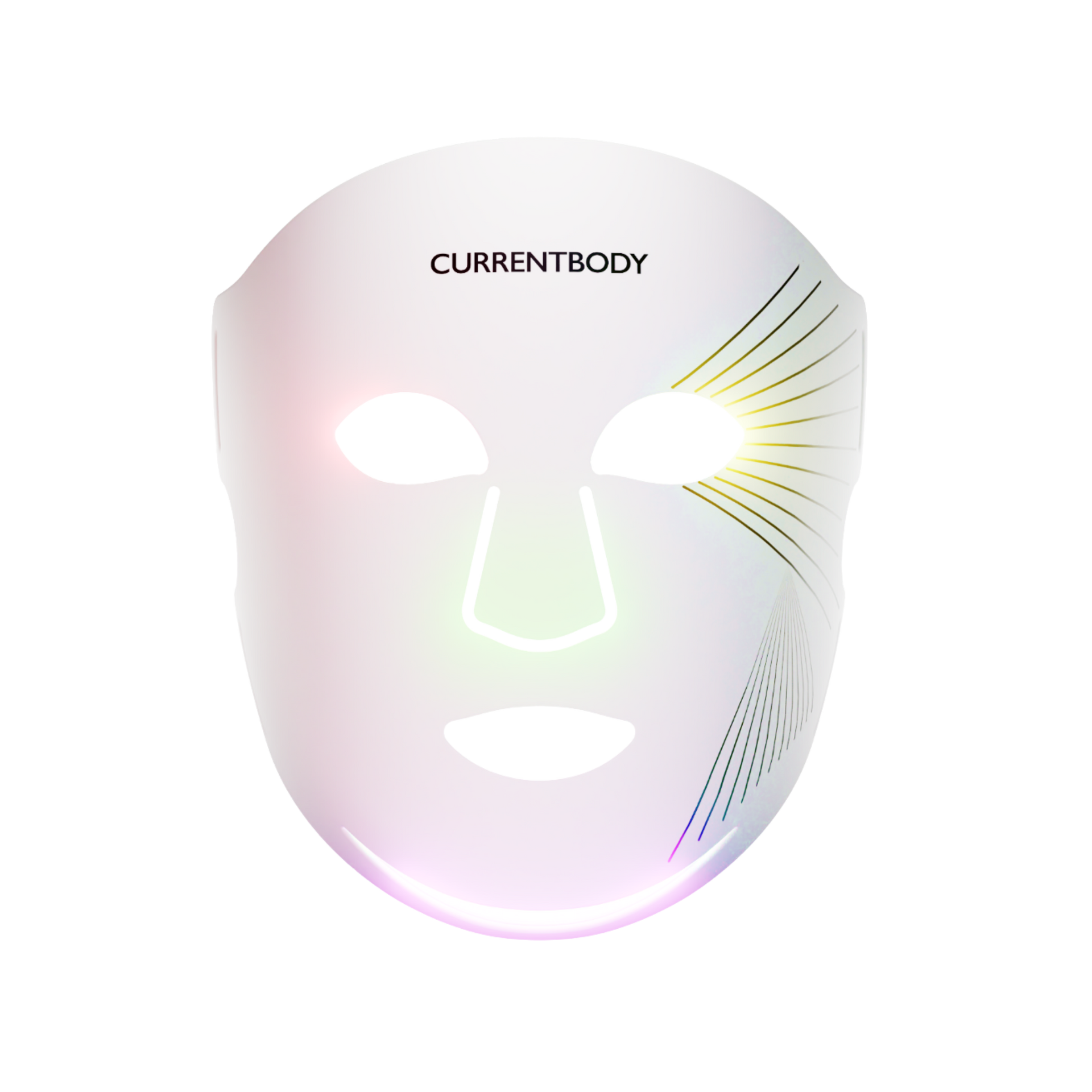 Best LED Face Mask
I recommend LED to clients as a means to elevate their skincare routine beyond simply using topical products, and this is one of the most advanced and effective devices on the market. Combining six different wavelengths, it allows you to create personalised treatments built to address your individual skin concerns rather than taking a one-size-fits-all approach. Used consistently, it’s designed to support the skin’s natural processes associated with collagen, firmness and overall skin health—making it a useful complement to a good skincare routine.
Pros
- Customisable treatment settings
- Impressive customer feedback and results
- 750 LED lights
Cons
- Expensive price point
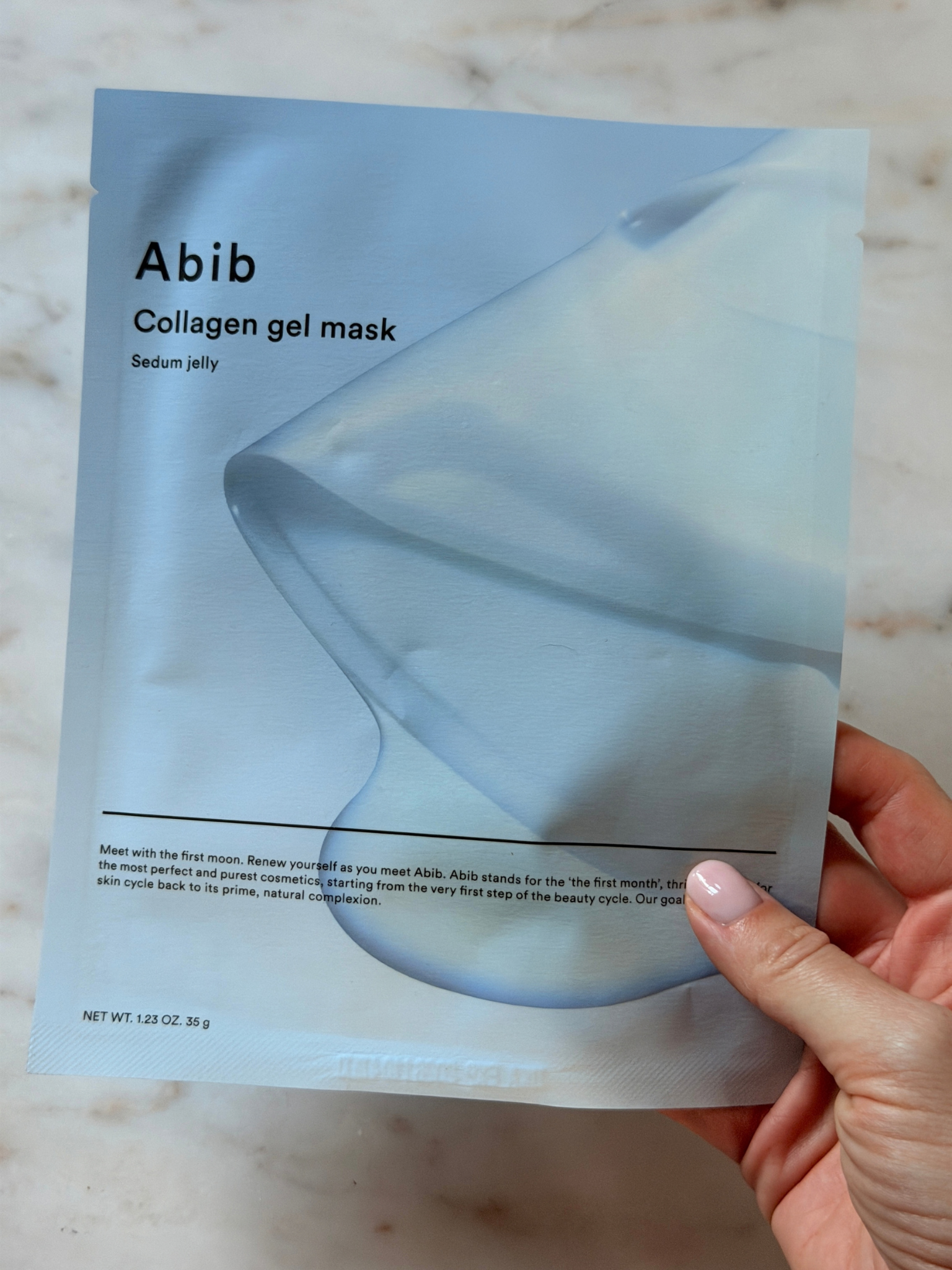
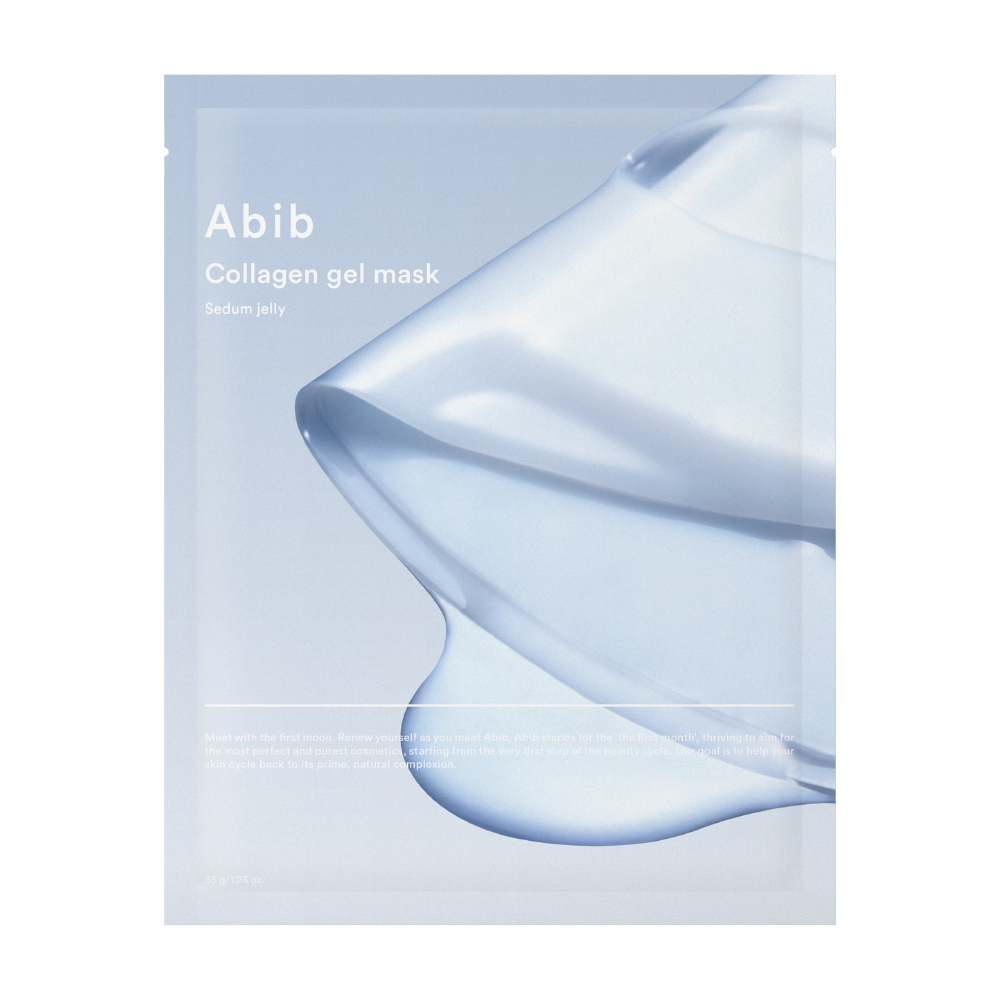 Best Sheet Mask
Not a long-term solution, but for an instant hydration boost, this gel mask makes skin look and feel noticeably fresher after a single use. The jelly-like hydrogel sits closely against the face, helping to deliver its hydrating ingredients while temporarily plumping the appearance of fine dehydration lines.
Pros
- Feels cooling and soothing
- Immediate hydration boost
Cons
- Single-use product
- No long-term benefits
The Best Supplements for Mature Skin
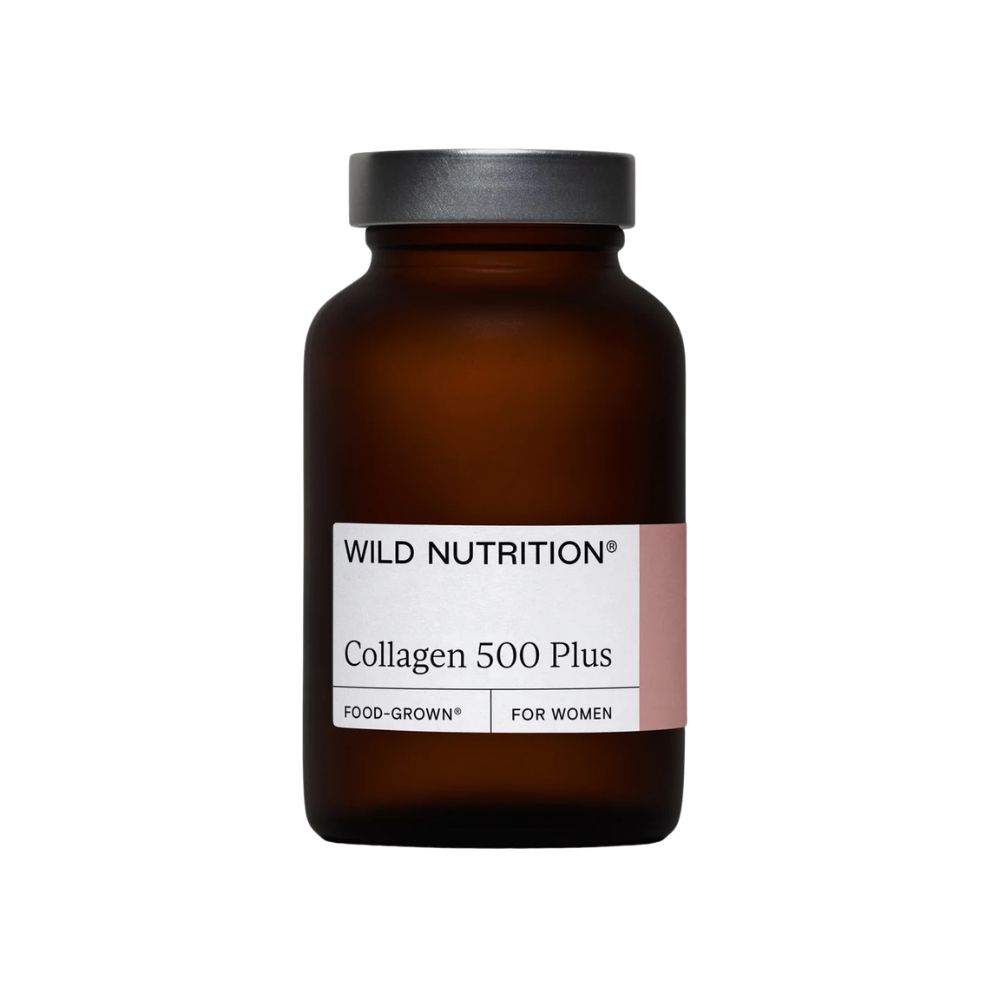 Best Collagen Supplement
If you’re interested in taking a more holistic approach to skin ageing and embracing a broader approach rather than relying exclusively on skincare, there's a whole category of supplements designed with mature skin in mind. Designed to complement your topical routine from within, this daily collagen supplement combines marine collagen with other nutrients intended to support long-term skin health.
Pros
- Easy to dissolve into drinks
Cons
- Results take time and aren't universal
 Best Probiotic Supplement
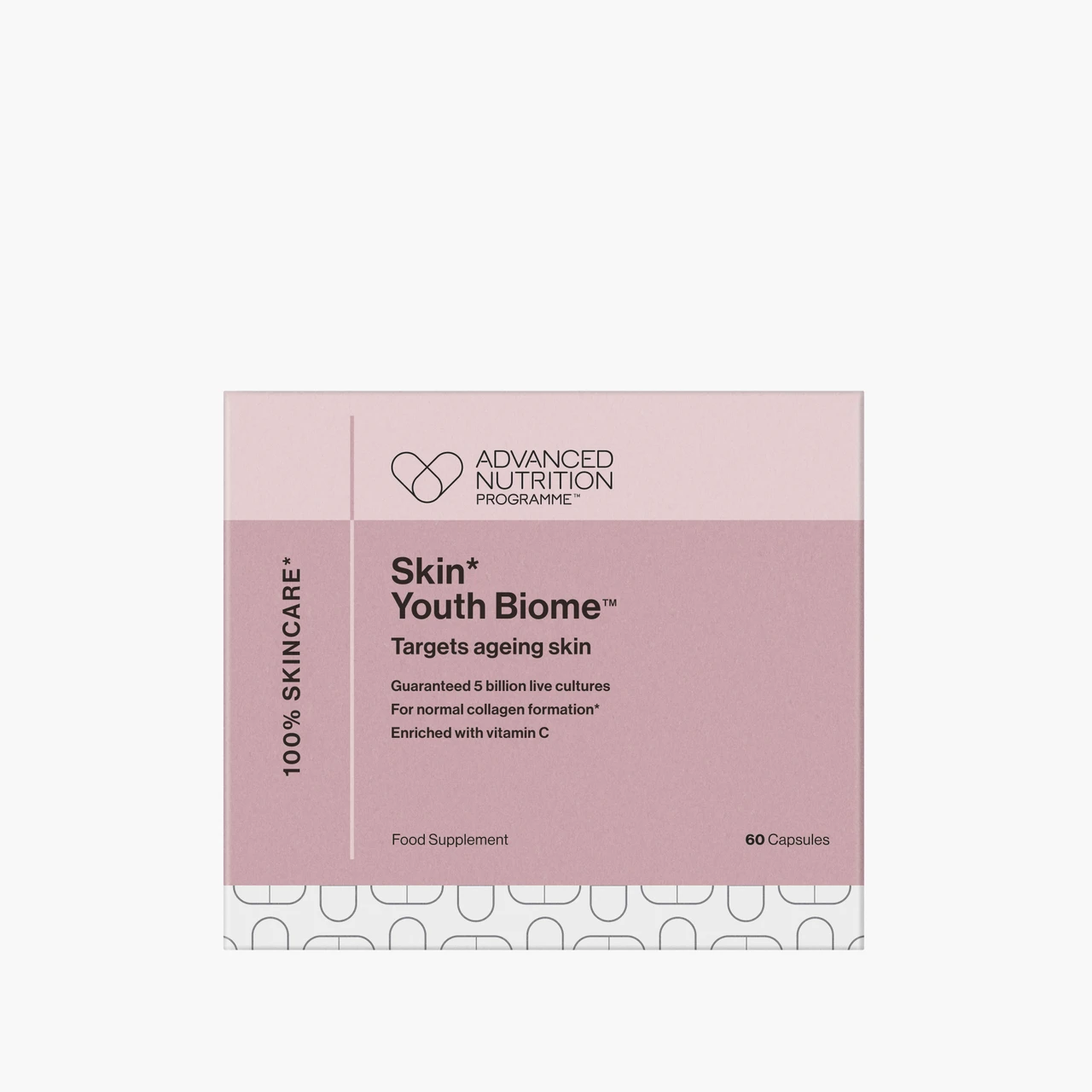
The skin microbiome is increasingly part of the conversation around healthy, resilient skin, and Skin Youth Biome takes that idea into supplement form, combining probiotics with nutrients designed to support the skin from within. As with all supplements, view this as a long-term addition to a wider approach to skin health rather than something you'd expect an overnight transformation from.
Pros
- Convenient once-daily capsule
Cons
- Expensive price point
 Best Hair Loss Supplement
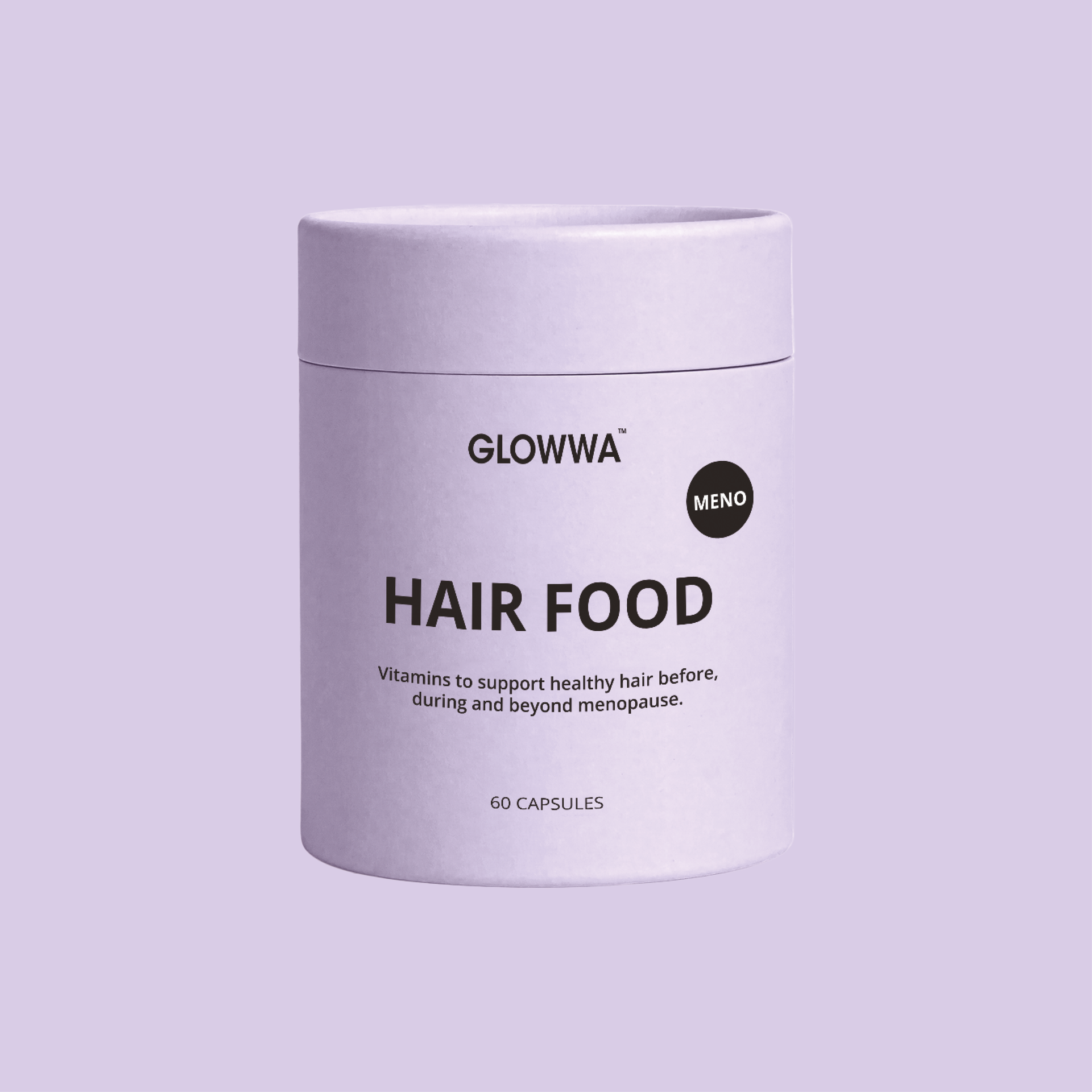
My mum has really quickly seen results from using this daily capsule, which combines a range of vitamins, minerals and other nutrients designed to support hair and skin health during menopause—since hormonal changes can influence the way our skin behaves too.
Pros
- Reduces shedding and improves thicker-looking hair
- Supports skin and nail health
- Specifically for those going through menopause
Cons
- Results can take several months, so it requires commitment
How We Tested
For this edit, I drew on my experience as a beauty editor and esthetician, as well as in building a routine specifically around my 59-year-old mum’s skin concerns. I considered how each product performed in terms of hydration, comfort, texture, ease of use, and how well it fitted into a routine, alongside the ingredients and technologies used to support ageing skin.
Why Trust Us
At Who What Wear UK, we know that beauty isn’t one-size-fits-all. Our editors have tested thousands of products over the years—spanning skincare, makeup, hair and nails—and work closely with trusted experts including dermatologists, makeup artists and leading industry insiders to ensure every guide is well-researched, inclusive and relevant to you.
We focus on formulas that deliver, whether they’re affordable favourites or luxury investments. Our product selection is based on tangible results, ingredient know-how and what we’d truly recommend to a friend.
Want to read more?
Check out the full article on the original site